
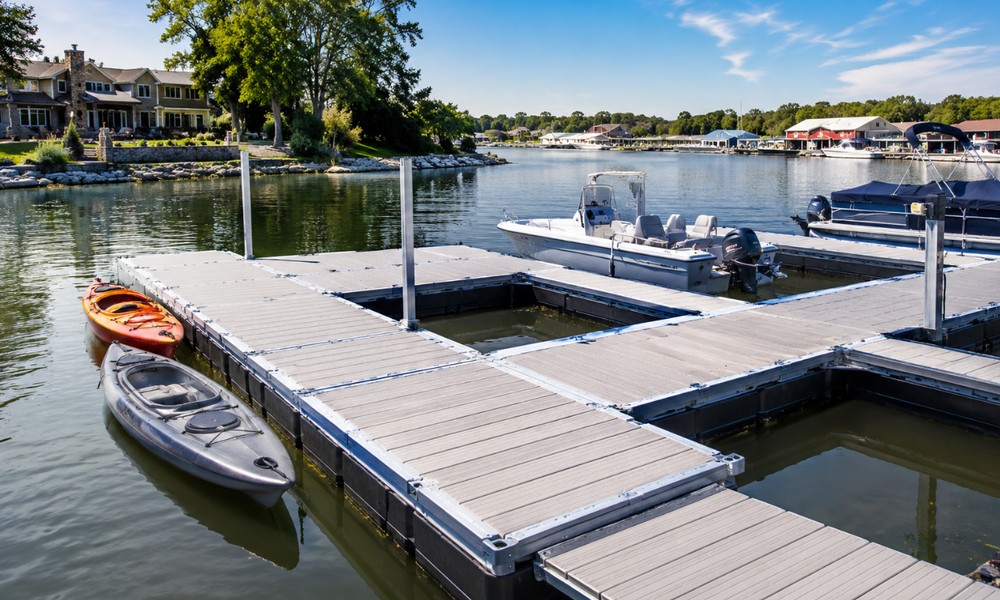
Waterfront spaces need docks that are safe, flexible, and easy to use. Whether the dock is for a private home, marina, resort, rental property, or commercial waterfront site, the right system makes a big difference. One option that has become popular is the modular floating dock.
A modular floating dock is made from separate sections that connect together. These sections float on the water and move with changing water levels. Unlike fixed docks, which stay at one set height, floating docks rise and fall with the water. This makes them useful in many waterfront settings.
The biggest advantage is flexibility. A modular floating dock can be built in different shapes and sizes. It can also be expanded, moved, or adjusted over time. For homeowners and business owners, that kind of freedom is valuable.
Easy to Customize for Different Needs
Every waterfront property is different. Some people need a small dock for kayaks and paddleboards. Others need a larger setup for boats, jet skis, or customer access. Modular floating docks work well because they are not limited to one fixed layout.
Sections can be arranged in straight lines, L-shapes, T-shapes, or wider platforms. This helps property owners design a dock based on the way the space will be used.
For residential use, a modular dock may create a simple place for swimming, fishing, or boarding a boat. For commercial use, it may support boat slips, launch areas, rental equipment, or guest access. If the needs change later, the layout can often be changed without rebuilding the entire dock.
Helpful in Changing Water Levels
Water levels are not always steady. Tides, rain, drought, storms, and seasonal changes can all affect the height of the water. A fixed dock can become too high or too low when the water changes. That can make boarding a boat harder and less safe.
A floating dock moves with the water. This helps keep the walking surface at a more usable height. For boat owners, this can make loading, unloading, and boarding easier. For commercial properties, it can also improve access for guests, customers, and staff.
This is one reason modular floating docks are useful in areas where water levels shift often. They provide a more consistent experience than many fixed structures.
Faster Installation Compared to Some Traditional Docks
Modular floating docks are often easier to install than large fixed dock systems. Since the sections are pre-made or built in manageable pieces, installation can be more efficient. The sections are connected on-site and anchored based on the waterfront conditions.
This can reduce disruption for homeowners and businesses. A faster installation is especially helpful for commercial sites that need to keep operations running. It can also be helpful for seasonal properties that need a dock ready before busy months.
Installation time still depends on site conditions, permits, size, anchoring needs, and local rules. But in many cases, modular systems offer a simpler path than building a traditional dock from the ground up.
Strong Option for Residential Use
For homeowners, modular floating docks bring comfort and convenience. They create a stable place to enjoy the water without needing a large permanent structure. Families can use them for swimming, relaxing, launching kayaks, fishing, or tying up small boats.
They are also a good fit for homeowners who may want to change the dock later. A family may start with a small dock and add more sections in the future. They may also adjust the layout if they buy a larger boat or want more space for seating.
Another benefit is seasonal flexibility. In some locations, dock sections may be removed or adjusted when needed. This can help protect the dock during harsh weather or off-season conditions.
Useful for Commercial Waterfront Properties
Commercial properties need docks that handle regular use. Marinas, resorts, boat rental businesses, waterfront restaurants, and recreational sites often need safe and practical access to the water. Modular floating docks can support these needs because they are scalable.
A business can start with one layout and expand as demand grows. More slips, walkways, or launch points can be added when needed. This helps businesses avoid overbuilding at the start while still leaving room for growth.
Modular docks can also help improve customer experience. A stable walking surface, easy boat access, and organized layout can make a waterfront property feel safer and more professional.
Easier Maintenance and Repairs
One major benefit of modular floating docks is easier maintenance. Since the dock is built in sections, damaged parts can often be repaired or replaced without removing the entire system. This is useful after storms, heavy use, or normal wear.
For homeowners, this can make upkeep less stressful. For businesses, it can reduce downtime. If one section needs attention, the rest of the dock may still remain usable depending on the design and issue.
Regular maintenance is still important. Dock owners should inspect connections, floats, walking surfaces, anchors, and hardware. Keeping up with small repairs helps extend the life of the dock.
Better Access for Water Activities
A well-designed modular floating dock can make water activities easier. Since the dock stays close to the water level, it can be easier to launch kayaks, paddleboards, small boats, and personal watercraft.
This is useful for families, rental businesses, clubs, and waterfront recreation areas. Easy access encourages safer use of the water. It also helps people get in and out with less strain.
Some modular systems can include accessories such as ladders, bumpers, railings, kayak launches, benches, and cleats. These add-ons help tailor the dock to the property’s needs.
A Practical Long-Term Investment
A modular floating dock is not just a simple platform. It is a flexible waterfront system that can grow and change over time. That makes it a practical investment for both residential and commercial use.
Homeowners benefit from convenience, access, and outdoor enjoyment. Commercial properties benefit from function, scalability, and a better waterfront experience for users.
The best dock design depends on the property, water conditions, intended use, and local regulations. But for many waterfront spaces, modular floating docks offer a smart balance of strength, flexibility, and ease of use.
Final Thoughts
Modular floating docks are popular because they solve many common waterfront problems. They adjust with changing water levels, support different layouts, and work for both small and large spaces.
For residential use, they create a simple and enjoyable connection to the water. For commercial use, they provide flexible access that can support growth and daily activity.
When planned and installed correctly, a modular floating dock can make any waterfront area safer, more useful, and easier to enjoy.
This post was written by a professional at Supreme Marine Floating Docks. Supreme Marine Floating Docks is dedicated to providing top-quality floating dock Miami and marine accessories that combine durability, innovation, and superior performance. While we are a new brand, our team brings over 50 years of combined industry experience, making us a trusted name in the marine world. We are passionate about designing and delivering products that meet the highest standards, ensuring reliability and longevity in all marine environments. Whether for residential, commercial, or recreational use, our docks are crafted with precision and care, setting a new benchmark in the industry. At Supreme Marine, we don’t just build docks-we create lasting solutions.

Comments are closed.