
Tag

practical

Browsing

Key Takeaways

When professionals hire a quality roofing contractor, they do so knowing it guarantees skilled workmanship and enhances both safety and the longevity of the roof. Expert craftsmanship and meticulous attention to detail are what set these contractors apart.

Additionally, knowledgeable contractors ensure that local building codes are adhered to, which helps clients avoid fines while making sure their roofing projects meet essential safety standards.

Often, opting for professional roofing services proves to be more economical compared to going the DIY route. After all, these experts can tap into bulk discounts and sidestep hidden costs.

Moreover, reputable roofing companies stand by their work with warranties covering both materials and workmanship, giving clients peace of mind in case future issues arise.

Energy-efficient roofing materials not only trim utility bills but also allow professional contractors to recommend the best options tailored to specific needs and local climates.

Throughout the roofing project, effective communication is key. Quality contractors ensure clients are kept informed and engaged, which fosters trust and satisfaction.

By excelling in project management, professional roofing contractors efficiently coordinate with other trades, ensuring that home renovation projects finish on time and within budget.

Key Benefits of Hiring a Professional Roofing Contractor

How Expertise Translates to Quality Workmanship

The difference between hiring a roofing professional and tackling the job oneself is profound. Many underestimate just how expert craftsmanship can enhance safety and durability. A seasoned contractor possesses not only skills but also intricate knowledge necessary to navigate diverse challenges-whether dealing with unexpected weather or complex architectural designs.

Experience enables them to foresee potential pitfalls, from leaks to insulation failures. Over time, the investment in expert workmanship becomes clear; roofs last longer and require fewer repairs, ultimately saving homeowners a significant amount of money. Clients often discover that spending on expertise pays off down the line.

Think about it: a contractor’s attention to detail isn’t just a plus-it’s essential. A few missing shingles might seem trivial, but these small issues could lead to severe structural damage if not addressed.

Ensured Compliance with Local Building Codes

Local building codes play an important role in safeguarding the health and safety of residents. An experienced roofing contractor ensures that all work meets these regulations. This isn’t just formalities-it’s crucial. Homeowners risk hefty fines or pricey renovations if their roofing projects don’t align with local requirements.

Moreover, professional contractors keep up with the ever-changing codes. This isn’t an easy task; laws can shift from year to year. Here are key areas where roofing professionals excel:

  • Knowledge of the latest materials and installation practices.
  • Effective acquisition of required permits before work starts.
  • Conducting rigorous inspections to ensure safety standards are met.

Essentially, this level of attention provides peace of mind. Homeowners can feel confident knowing their investment is built to last and complies with legal standards. Isn’t that worth the initial expense of a professional?

Long-term Value: Why It’s a Smart Investment

Comparing Costs: DIY vs. Professional Roofing Solutions

Roofing solution costs can stir strong feelings, particularly among budget-conscious homeowners. A common belief is that DIY work saves money. But does it? When crunching numbers, one must analyze the hidden expenses that often accompany DIY efforts.

To start, consider the actual material costs. Professionals generally benefit from discounts thanks to established vendor relationships. Also, remember that the expense of tools for a DIY project can quickly add up. Equipment rentals, safety gear, and materials can sometimes exceed hiring a contractor initially.

Here’s a quick comparative breakdown:

  • DIY Costs: Material expenses, tool rentals, and any potential repair costs in case of mistakes.
  • Professional Costs: Labor and materials bundled, often paired with warranties that guarantee quality.

Homeowners might not realize they can save more by opting for a contractor-not solely in terms of cash but time as well. After all, what’s the value of labor in hours spent working on the roof versus enjoying time with family?

Warranty Protection: What to Expect from Pros

Warranties are often overlooked yet vital in assessing whether to hire a roofing contractor. Most reputable companies provide warranties covering both materials and workmanship, commonly lasting between 5 and 30 years. There’s comfort in knowing that if anything goes wrong, assistance is just a phone call away. This warranty protection isn’t merely about reassurance-it indicates that the contractor stands firmly behind their work.

Research shows that homeowners frequently regret choosing non-professionals, as it can lead to a lack of recourse if issues arise. This situation impacts financial considerations but also shakes the foundation of trust in one’s home. Think about the emotional weight of that decision.

A solid warranty often showcases a contractor’s confidence in their abilities-don’t overlook it.

Choosing professional services opens doors to valuable warranties that homeowners wouldn’t typically secure on their own. So, investing in this expertise leads to peace of mind.

Understanding the Right Materials for Your Project

Choosing Energy-Efficient Options That Save Money

The decision of roofing materials can determine the project’s success. It’s no longer solely about looks; practicality and energy efficiency take precedence. Partnering with a qualified roofing contractor grants clients insights into modern materials that can deliver considerable energy savings.

Energy-efficient roofing options can lower utility bills and significantly reduce environmental impact. For instance, reflective roofing materials can cut cooling costs by up to 15%, a crucial advantage in regions facing sweltering summers.

Here are some choices worth considering:

  • Metal roofing: Known for durability and energy efficiency.
  • Slate tiles: Long-lasting and recyclable, offering a sophisticated appearance.
  • Shingle roofing: Cost-effective and widely used, yet varies in energy efficiency.

Contractors can help homeowners navigate the many options available, ensuring they pick materials that suit their specific requirements. It’s reassuring to know a professional’s expertise in materials guides this investment, isn’t it?

The Impact of Local Climate on Material Selection

Regions have unique climatic challenges that influence roofing material choices considerably. Understanding how these factors affect selection is critical. A roofing contractor prioritizes climate considerations when recommending options. For example, materials that perform well in humid climates may struggle under extreme heat.

Rainy conditions demand materials with superior moisture resistance, while arid regions require materials that withstand prolonged sun exposure. This knowledge stems from years of experience where practical understanding intertwines with theoretical insights. Consider these points:

  • A contractor can identify which materials offer longevity.
  • They’ll be aware of which options require less maintenance.
  • Homeowners can anticipate recommendations that align with local climate realities.

Ultimately, basing material quality selection on climate not only ensures durability but also guarantees optimal performance. That’s the kind of value a seasoned contractor brings to the project.

Streamlined Project Management for Timely Completion

The Importance of Clear Communication Throughout the Process

At the heart of successful projects lies effective communication. Too often, homeowners jump into projects without ensuring clarity with their contractors-an ill-advised move. A quality roofing contractor champions open dialogue from the start, outlining timelines, costs, and expectations.

What implications does this have for homeowners? It shows a commitment to transparency and a readiness to address questions. Clients deserve regular updates; this fosters trust and bolsters the overall relationship.

Here’s what effective communication typically looks like:

  • Consistent progress updates during the project.
  • Accessible communication channels for urgent matters.
  • Openness about unforeseen challenges or delays.

Clients recognize that staying in the loop is invaluable. It enhances satisfaction throughout the process. When expectations are set and fulfilled, homeowners find themselves easing into the experience. It simply makes everything less stressful.

Scheduling and Coordinating with Other Contractors

For those homeowners undertaking extensive renovations, coordinating multiple contractors is vital. A skilled roofing contractor brings the advantage of efficiently managing timelines. Timing is everything-especially when other renovation aspects are ongoing. {“Who”} wants projects delayed due to lingering inconveniences? Certainly not homeowners.

With a professional’s expertise in managing multi-contractor schedules, the entire process can run smoothly. They effectively communicate with electricians, plumbers, and other trades to minimize disruptions. Key points include:

  • Timeliness in completing roofing tasks when weather permits.
  • Ensuring all subcontractors align their schedules effectively.
  • Protecting the home from damage through coordinated efforts.

Efficient project management not only speeds up timelines but cultivates collaboration essential for success. It’s clear-everyone desires an effective and streamlined roofing job.

By leveraging the various advantages of hiring a qualified roofing contractor, homeowners can feel secure in their investment. From expert workmanship to lasting warranties and adept project management, the benefits stand out. After evaluating these factors, it becomes evident: choosing a professional isn’t merely a decision; it’s the most informed choice.

FAQ

What criteria should homeowners use to select a quality roofing contractor?

Homeowners ought to focus on contractors with a stellar reputation, extensive experience, and positive reviews. Confirming the contractor is licensed and insured is also crucial, as it assures adherence to industry standards and compliance with local regulations.

How can homeowners verify the reputation of a roofing contractor?

Researching online reviews and testimonials reveals insights into a contractor’s reliability and quality of work. Additionally, asking for references and checking with local business bureaus or trade organizations can provide further reassurance about a contractor’s credibility.

What types of roofing materials do professionals typically recommend for different climates?

Contractors often recommend metal roofing for high-rainfall areas due to its durability. In regions facing extreme heat, reflective materials might be better selected to cut energy costs. Each climate requires a thorough assessment to guarantee material longevity and performance.

How do warranties differ between various roofing contractors?

Warranties can differ greatly depending on the contractor and the materials involved. Some may offer longer coverage periods or broader protection, while others may provide more restricted guarantees. It’s essential for homeowners to understand these specifics beforehand to ensure peace of mind.

What impact does the choice of roofing contractor have on insurance claims?

A reputable and professional roofing contractor can simplify the insurance claims process through detailed documentation and accurate damage assessments. This can help ensure claims are processed efficiently, avoiding unnecessary delays or disputes with the insurance provider.

Is it advisable to hire a contractor who offers the lowest price?

Generally, the lowest bid can raise red flags regarding quality and trustworthiness. It’s essential to thoroughly assess what the quote encompasses; a lower price could reflect substandard materials or inadequate insurance, which could jeopardize the project’s success over time.

What should homeowners expect during the roofing project timeline?

Homeowners can expect an initial consultation followed by preparation, installation, and cleanup phases during a roofing project. Quality contractors prioritize open communication, providing updates and addressing any concerns throughout the entire process to maximize client satisfaction.

How can energy-efficient roofing contribute to home value?

Energy-efficient roofing generally results in lower utility bills, enhancing a home’s appeal to potential buyers. Furthermore, many buyers are increasingly drawn to homes with sustainable features, making energy-efficient materials a valuable selling point that can elevate property values.

Useful Resources

Key Points at a Glance

  • The right look does more than decorate – it shapes how customers behave and linger
  • Lighting, materials, and layout all work together, not in isolation
  • A renovation contractor with F&B experience will already know the compliance pitfalls
  • Small, consistent design choices often stand out more than one big statement piece

Why Restaurant Interior Design Matters

Walk into a restaurant that’s got its look right, and you notice it before you’ve even sat down – the lighting feels deliberate, the seating makes sense, and nothing feels like an afterthought. That’s rarely an accident. A skilled cafe interior designer thinks through how a space is used, not just how it photographs, which is why the results tend to hold up over years rather than months.

Getting there usually means bringing in outside expertise early, rather than trying to patch things together as you go. Interior design for restaurants is its own discipline, shaped by things like kitchen flow, table turnover, and noise levels – details that don’t always show up on a mood board but matter enormously once the doors open.

What Actually Shapes a Restaurant’s Look

A restaurant’s atmosphere comes from a handful of things working together, not one standout feature. Lighting sets the mood more than most owners expect – warm, low light reads as relaxed, while brighter, even lighting suits a quicker, busier turnover. Materials matter too; timber and soft textiles tend to soften a space, while metal and concrete can sharpen it.

This is where a cafe interior designer earns their keep, because balancing these elements against your actual floor plan takes more than picking colours you like. An F&B renovation contractor in Singapore brought in at this stage can also flag practical issues early, like whether your flooring choice will hold up against daily kitchen traffic.

Design Elements Worth Getting Right

A few areas tend to make the biggest difference to how a space feels day to day:

  • Seating layout – spacing that allows movement without feeling cramped or overly spread out
  • Lighting zones – separate moods for dining, bar, and any outdoor seating
  • Acoustic treatment – softening hard surfaces so conversation doesn’t get lost in noise
  • Signage and branding touches – small details that tie the space back to your identity

None of these need to be expensive to get right, but they do need thought. Interior design for restaurants often comes down to sequencing these choices sensibly, rather than trying to solve everything with one grand gesture. An F&B renovation contractor in Singapore who’s handled similar fit-outs before will usually have a sense of which of these to prioritise first.

Choosing a Designer Who Understands F&B Spaces

Not every interior designer has worked on food and beverage spaces, and that distinction matters more than it might seem. A cafe interior designer with hospitality experience will already understand things like grease-resistant finishes, ventilation placement, and how tight a kitchen pass can realistically be – details that a purely residential background wouldn’t necessarily cover.

It’s worth asking to see past restaurant or cafe projects specifically, rather than a general portfolio. Interior design for restaurants involves enough particular constraints that experience in the sector tends to show, whether that’s in how a designer handles seating density or how they plan for peak-hour foot traffic.

Planning Your Renovation Around a Realistic Timeline

Renovation work in an F&B space rarely follows a straight line, mostly because so much of it depends on inspections and approvals alongside the actual building work.

Stage What Tends to Take Time
Design and approvals Getting sign-off from landlords or authorities
Structural and electrical work Rewiring or plumbing changes behind the scenes
Finishes and fit-out Flooring, fixtures, and any custom joinery
Final inspections Fire safety and health checks before opening

Budgeting extra time around each stage, rather than assuming everything runs on schedule, tends to save a fair bit of stress closer to your opening date.

Bringing Your Restaurant Vision to Life

A restaurant’s look isn’t really about one dramatic feature – it’s the sum of smaller, well-considered choices working together. Getting the right people involved early, and understanding the practical constraints of an F&B space, makes the whole process considerably smoother.

Contact Good View Interiors to talk through your restaurant or cafe renovation before you lock in a design direction.

Choosing a window treatment for a bedroom involves more than selecting a colour or fabric. Bedroom blinds influence daylight, privacy, ventilation and the way the room feels throughout the day. Homeowners considering zip blinds in Singapore also need to account for strong sunlight, window dimensions and the practical demands of daily use.

Zip blinds can provide a structured window covering with guided edges, making them worth considering for spaces where controlled light and a neat appearance matter. Before choosing a configuration, review five practical factors.

1. Check How Much Sunlight Enters

Start by observing the bedroom at different times of day. A window facing the morning sun has different requirements from one receiving afternoon heat and glare.

The fabric’s openness and opacity influence how much light enters. A lighter fabric may preserve daylight, while a denser option can create a darker environment.

Strong sunlight can also affect how comfortable the room feels. For bedrooms with significant direct exposure, consider how the window treatment will manage glare and heat alongside the room’s ventilation strategy.

2. Review Privacy Requirements

Privacy becomes especially important for bedrooms facing neighbouring apartments, landed properties or busy streets. A suitable blind should provide sufficient coverage without making the room unnecessarily dark throughout the day.

Zip blinds in Singapore can be considered for windows where residents want a controlled appearance and defined coverage around the glass. The fabric choice remains significant because some materials allow filtered daylight while limiting visibility.

Think about privacy during daylight and at night. The lighting inside the bedroom can change how visible the room becomes from outside after sunset.

3. Consider Ventilation and Window Operation

A bedroom needs adequate airflow, particularly in warm and humid conditions. The selected blind should work with the way the window is opened and closed.

Before installation, review the window type and available clearance. Consider how the blind will sit when raised, lowered or partially opened. This helps prevent the window treatment from interfering with everyday ventilation.

A practical arrangement should allow residents to adjust the blind without creating unnecessary obstacles. Ease of operation matters because bedroom window treatments may be adjusted several times throughout the day.

4. Assess Cleaning and Maintenance

Dust can accumulate on window coverings, particularly in bedrooms where windows remain closed for long periods. The material and construction should therefore suit the household’s cleaning routine.

Ask how the selected fabric should be cleaned and how frequently maintenance may be needed. A design with accessible surfaces can make routine care easier.

Also consider the condition of the surrounding window frame. A blind can look neat when installed, but the overall appearance still depends on the cleanliness and condition of the window area.

5. Match the Blind to Daily Use

Think about who uses the bedroom and how the room functions. An adult bedroom, guest room and child’s bedroom can have different requirements.

For example, a guest room may need straightforward operation, while a main bedroom may benefit from finer control over light and privacy. Bedroom blinds should fit naturally into the daily routine rather than requiring complicated adjustments.

Also assess the interior design. The blind’s colour, texture and profile should work with the walls, flooring, bed and other furnishings.

What to Compare Before Choosing

Factor What to Review Why It Matters
Sunlight Fabric density and window exposure Helps manage glare and daylight
Privacy Visibility during day and night Supports bedroom privacy
Ventilation Window opening and blind position Keeps airflow practical
Maintenance Cleaning method and material Supports easier upkeep
Daily use Operation and room function Makes the treatment convenient

The right window treatment should respond to the actual conditions of the bedroom. Instead of choosing from appearance alone, assess sunlight, privacy, airflow, maintenance and everyday operation together.

Contact De Art Studio to discuss bedroom blinds and zip blinds in Singapore suited to your room’s practical requirements.

A refined home can shape daily routines through thoughtful design and well-planned spaces. Condos can offer a polished setting for buyers seeking lasting value with attractive surroundings. Clear layouts and quality finishes can support personal routines while creating a strong sense of order. Those seeking premium homes can find appealing ownership choices in condos in pattaya that offer practical layouts and attractive residential settings.

What Makes Homes Feel Refined?

High-quality interiors can create a setting without making living complicated. A condo may feature generous rooms with balanced proportions that help each area feel useful. Natural light can support a fresh mood while selected finishes create character. Buyers can focus on room quality and practical design.

Why Do Interiors Support Living?

Thoughtful interiors can make routines smoother through clear room planning and visual balance. A condo with well-shaped living areas can provide room for private time and social moments. Quality fixtures can add lasting appeal while simple design choices help maintain an orderly setting. These qualities can strengthen the appeal of condos in pattaya for buyers seeking refined ownership.

Which Features Strengthen Appeal?

Strong ownership appeal often comes from details that remain useful over time. A well planned condo can offer functional rooms with durable finishes and thoughtful lighting. Shared facilities can support leisure routines, while secure entry arrangements can add confidence during regular use. Buyers may consider access and building standards when judging suitability.

What Supports A Premium Purchase?

A premium purchase becomes practical when buyers assess quality alongside future needs. A condo should provide a layout that suits daily routines while leaving room for changing household plans. Buyers can review upkeep and ownership terms before deciding. Useful checks include:

  • Clear floor plans support better understanding of available space.
  • Strong materials can help preserve quality over longer periods.
  • Reliable building care can support residential standards over time.
  • Suitable shared areas can add value to regular routines.
  • Transparent ownership terms can make purchase planning more straightforward.

How Can Buyers Compare Homes?

Careful comparison helps buyers select a residence matching lifestyle needs and financial plans. A condo can be assessed through room sizes and finish quality. Buyers should consider future resale appeal along with building condition and management standards. Reviewing these points together can make selection more confident.

Residential purchase gains clarity when craftsmanship meets sensible planning. Purchasers may seek residences offering balanced proportions, durable surfaces plus dependable standards. Reviewing expenses alongside ownership conditions may limit uncertainty before commitment. A considered selection may preserve long term worth while encouraging orderly habits.

A well-planned wellness room starts with practical spatial choices. The sauna influences electrical work, flooring, ventilation, access, and storage. Choosing equipment before finalizing those details gives the room clearer direction. For homeowners working with limited space, an ir sauna kit can provide a defined footprint around which the remaining design decisions can develop naturally.

Start With A Defined Room Footprint

Room measurements should guide equipment selection from the outset. A compact wellness area can accommodate a single-user sauna comfortably. Larger rooms may allow seating, towel storage, and changing space. Door clearance also matters, particularly when furniture sits nearby. Early measurements reduce costly adjustments during installation.

  • Measure ceiling height before selecting equipment.
  • Check door clearance around the proposed location.
  • Reserve space for comfortable entry and exit.
  • Consider nearby storage for towels and robes.

Can Electrical Planning Stay Simple?

Electrical requirements deserve attention before decorative work begins. The selected system should match the available circuit capacity and connection requirements. Having an electrician check the proposed location can prevent unnecessary rewiring later. This approach also leaves cleaner walls and fewer visible cables around the finished wellness room.

Build Comfort Into The Available Space

A private wellness room should feel easy to use. Seating, lighting, towels, water, and controls all need sensible positions. For example, a slim storage cabinet near the entrance can hold robes without taking valuable floor area. The room then remains open while essential items stay accessible.

Why Does Ventilation Still Matter?

Infrared heating does not create traditional steam, yet air movement still affects comfort. A small enclosed room can become unpleasant when ventilation receives little attention. Existing airflow should therefore be considered during planning. Door position, room size, and ventilation arrangements can influence how comfortable each session feels.

Where Does An IR Sauna Kit Fit?

An ir sauna kit gives the room a clear equipment footprint before surrounding features are finalized. That reference point helps determine where flooring changes, electrical connections, lighting, and storage should sit. It also simplifies budgeting because the main installation dimensions become known earlier.

A practical layout might reserve one wall for the sauna. Another area could hold a compact bench and towel cabinet. Keeping these zones distinct prevents furniture from interfering with entry or equipment access.

Choose Materials For Everyday Maintenance

Material selection should reflect repeated heat exposure and regular cleaning. Flooring needs a surface that can handle frequent wiping without becoming difficult to maintain. Wall finishes should remain suitable around heated equipment. Wood accents can add warmth, while simple storage keeps the room visually uncluttered.

Installation Access Can Prevent Problems

Installation planning should include the route into the room. Large panels may need clear passage through hallways, doorways, and corners. Measuring those routes beforehand can prevent delivery complications. Once the room is finished, protecting walls and flooring becomes far more important during equipment placement.

A Room Designed Around Real Use

The most useful planning detail may be simple clearance. When equipment dimensions guide electrical placement, storage, flooring, and access, the finished room works as one space. A narrow doorway or misplaced cabinet can undermine that effort. Careful spatial decisions turn the sauna from an isolated feature into a practical part of daily home life.

A roof in St. George faces more than occasional rain. Prolonged sun, high summer temperatures, blowing dust, sudden monsoon storms, and sharp temperature changes can wear down roofing materials faster than many homeowners expect. A roof may look serviceable from the ground while sealants are drying out, flashing is loosening, or shingles are becoming brittle.

For homeowners, the goal is not simply to repair the most visible problem. It is to keep a small roofing defect from becoming interior water damage, insulation loss, or an emergency replacement during the next storm.

Desert Conditions Create Specific Roofing Problems

Ultraviolet exposure is one of the most persistent sources of roof damage in southern Utah. Repeated sun exposure can cause asphalt shingles to lose flexibility and protective granules. Over time, the material may crack, curl, or become more vulnerable to wind.

Heat also affects the components around the roof. Sealants can dry and shrink, while flashing around chimneys, vents, skylights, and wall transitions may develop gaps. These areas deserve close attention because water often enters through a small transition point rather than through the middle of an otherwise intact roof.

Monsoon weather adds another concern. A roof that has tolerated months of heat may suddenly face heavy rain and strong wind. Leaves, dust, and debris can collect near drainage points, allowing water to back up around low spots or roof penetrations. Even a short storm can expose weaknesses that remained unnoticed during the dry season.

Homes near St. George also experience different conditions depending on elevation and surroundings. Properties in exposed areas may receive more wind, while homes near mature trees may deal with branches, clogged gutters, and organic buildup. A roofing evaluation should account for the property’s actual setting instead of relying on a one-size-fits-all recommendation.

Choosing Repairs Based on the Roof’s Real Condition

When damage is limited, targeted repairs may protect the roof for years. Replacing missing shingles, resealing a vent, correcting loose flashing, or improving drainage can be more cost-effective than replacing the entire roof. However, a repair is only useful when it addresses the source of the problem.

Homeowners comparing roofers St George should look for an inspection that explains both immediate defects and broader wear. A useful assessment should identify the age and condition of the roofing system, examine flashing and penetrations, and note signs of moisture in the attic or ceilings. Photos and clear descriptions can help a homeowner understand whether the recommendation is a small repair, maintenance work, or a replacement that should be planned.

The lowest estimate is not always the least expensive option. A patch that fails during a storm can lead to damaged drywall, flooring, cabinetry, and personal belongings. On the other hand, replacing a roof that has many serviceable years remaining may create an unnecessary expense. A written scope of work helps homeowners compare materials, labor, ventilation needs, cleanup, and warranty terms on equal footing.

Timing Matters Before the Wet Season

Late spring and early summer are practical times to schedule a roof inspection. Completing maintenance before the strongest heat and monsoon activity can reduce the chance of discovering a leak when contractors are busy and storms are already moving through the area.

Homeowners should also pay attention after a major wind or rain event. Look for loose roofing material in the yard, new stains on ceilings or walls, sagging gutters, or water in the attic. These signs warrant prompt attention, even if the leak appears to have stopped. Water can travel along framing and insulation before becoming visible inside the home.

A Durable Roof Starts With Ongoing Attention

Roofing decisions in St. George should balance immediate cost with long-term protection. Quality materials matter, but so do correct installation, sound flashing, adequate ventilation, and regular inspection. Scheduling a professional review once a year-and after severe weather-can help identify manageable problems before they affect the living space.

For homeowners, reliable roofing support means having a clear picture of the roof’s condition and a practical plan for the next season. That approach protects the home, reduces avoidable emergency costs, and helps ensure the roof is ready when desert weather changes without warning.

Keeping a home clean in St. George is not just about appearances. It is about keeping daily life manageable in a place where red dust, busy family schedules, visitors, pets, and desert weather all seem to arrive at once.

A house can look fine on Monday and feel gritty by Thursday. Shoes track in sand from the yard. Fine dust settles on baseboards and window sills. Kitchen counters get crowded after school, work, errands, and late dinners. By the weekend, cleaning can take over the time families hoped to spend hiking, resting, hosting friends, or catching up on everything else.

That is where practical cleaning help becomes less of a luxury and more of a household support system. The right service does not need to replace everything a homeowner does. It simply needs to take pressure off the chores that never seem to stay done.

St. George Homes Face a Different Kind of Mess

The desert has a way of getting indoors. Windy afternoons can leave dust on floors even when doors and windows stay closed. After a monsoon storm, entryways and tile floors may need extra attention. During spring and fall, open windows bring in fresh air along with pollen and fine debris.

Many St. George homes also have hard flooring, high ceilings, large windows, and open living areas. Those features are beautiful, but they show dust quickly. A few skipped cleanings can make a home feel older and more worn than it really is.

For families with children, pets, home offices, or frequent guests, the problem grows faster. Crumbs collect under dining chairs. Bathrooms get heavy use. Laundry piles up. Guest rooms become storage rooms until someone announces a visit. None of these issues are unusual, but together they create a steady drain on time and energy.

Professional cleaners can help reset the home before small messes turn into bigger jobs. Regular attention to floors, bathrooms, kitchens, and dust-prone surfaces can also protect finishes and reduce the deep-cleaning burden later.

Cleaning Help Should Match the Household, Not the Other Way Around

A retired couple in Bloomington may need something very different from a young family near Little Valley or a busy professional living close to downtown. Some homes need weekly support. Others only need help every other week, before guests arrive, after a move, or during especially busy seasons.

That flexibility matters. A household should not have to fit into a rigid package that ignores how the home is actually used. One family may care most about bathrooms, floors, and kitchen surfaces. Another may need help with dusting, baseboards, and guest areas before relatives come for a long weekend.

Working with St George cleaning services can make sense when the schedule, scope, and expectations are clear from the beginning. Homeowners should know what is included, how long the visit will take, what supplies are used, and whether special requests can be handled without confusion.

The Real Cost Is Often the Time You Lose

Many homeowners hesitate to hire cleaning help because they look only at the service cost. That is understandable. Household budgets matter, especially with groceries, utilities, insurance, and repairs taking a bigger share of monthly income.

But there is another cost to consider: the time and focus lost to constant catch-up cleaning.

A Saturday spent scrubbing showers, mopping floors, and dusting ceiling fans is a Saturday not spent with family, resting, working on a home project, or enjoying southern Utah. For business owners and remote workers, a messy home can also make it harder to concentrate. For parents, the stress of a house that always feels behind can affect the whole family’s mood.

Cleaning help does not have to be all or nothing. Even one recurring visit each month can make the home easier to maintain between cleanings. A seasonal deep clean before summer guests or winter holidays can also prevent last-minute stress.

What to Look for Before Scheduling

A good cleaning arrangement starts with clear communication. Homeowners should be able to explain their priorities and get straightforward answers. If tile floors are the biggest issue, say so. If hard water spots, pet hair, or dusty blinds are the main concern, those details matter.

It is also worth asking about consistency. Will the same cleaner or team come each time? How are appointments confirmed? What happens if something needs extra attention? Reliable scheduling is especially important for households with work calls, nap times, school pickups, or visiting guests.

Trust is part of the decision too. Cleaners are coming into private spaces. Homeowners should feel comfortable with the company’s process, professionalism, and respect for the property.

A Cleaner Home Makes the Week Feel Lighter

Most people do not want a perfect house. They want a home that feels livable, calm, and ready for real life.

In St. George, that means staying ahead of dust, keeping high-use rooms fresh, and making sure cleaning does not consume every spare hour. With the right help, a household can move through the week with fewer piles, cleaner floors, and less stress before guests knock on the door.

A well-kept home supports the people living in it. For busy St. George households, that support can make daily life feel a lot easier.

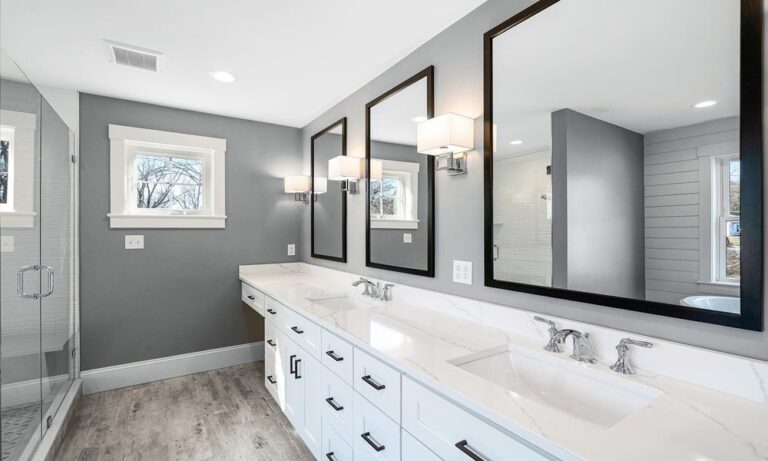
Every bathroom renovation starts with a single, pressing question: how do you choose furniture that not only fits your space and style, but also respects your plumbing setup? It’s a puzzle that merges aesthetic ambition with practical reality, and the right answer can transform a cramped washroom into an oasis of comfort and efficiency.

Understanding Your Bathroom Space and Plumbing Constraints

The first step is honest measurement. Take note of the width, depth, and height of your available space, but don’t stop there. The swing of your door, the placement of windows, and the pathways people use all affect where furniture can live. Even the most beautiful vanity can become a nuisance if it blocks your bathroom door or restricts movement.

Plumbing deserves its own scrutiny. Are the pipes set up for a wall-mounted or a floor-standing unit? Is your sink drain straight down or does it travel through the wall? These details dictate what furniture you can install without costly rerouting or awkward compromises. For example, an exposed S-trap under the sink might require a different vanity style than a hidden P-trap inside the wall.

Choosing Bathroom Furniture Based on Plumbing Compatibility

There’s a big difference between wall-mounted and freestanding vanities. Wall-mounted models can make a room feel larger and allow easy cleaning underneath, but they demand sturdy walls and careful alignment with plumbing. Freestanding units, on the other hand, often provide more storage and flexibility, but take up more visible floor space.

The number of sinks matters, too. Small powder rooms usually call for compact, single-sink vanities, while larger bathrooms can accommodate double vanities. But before dreaming of dual basins, make sure your plumbing and room layout can support the extra drain and water lines.

Pairing sinks, faucets, and vanities requires attention to dimensions and fixture compatibility. Ideally, your furniture will allow easy access for repairs and future upgrades. For unique or older homes, you might encounter custom plumbing situations that require bespoke cabinetry or creative solutions. In these cases, collaborating with a designer or specialist can save you headaches.

Harmonizing Bathroom Furniture with Your Style and Functionality Needs

Start by defining your style. Is your vision modern minimalism, classic elegance, or an eclectic blend? The materials you choose, whether matte lacquer, wood veneer, or stone countertops, should echo that style. Color and finish play a crucial role. If you’re after a cohesive look, coordinate your vanity with other bathroom elements, like mirrors and shelving.

Storage is where style meets substance. Deep drawers, open shelves, and integrated organizers all offer ways to keep clutter at bay while supporting your aesthetic. Accessories tie the whole look together. Sleek chrome faucets, statement mirrors, and well-placed lighting can elevate even the simplest furniture choices, making your bathroom feel intentional and inviting.

Optimizing Storage and Organization in Your Bathroom Furniture

Bathrooms are storage battlegrounds. Consider what you need to stash: daily toiletries, towels, cleaning supplies, or personal luxuries? Drawers work well for smaller items, while cabinets or taller towers handle larger essentials. Open shelving adds a decorative touch but may require more attention to organization.

For tight spaces, wall-mounted cabinets or slimline vanities free up valuable square footage. Modular systems and customizable inserts allow you to adapt storage as your needs evolve, making sure there’s a place for everything without sacrificing style.

Practical Tips for Selecting the Right Size and Configuration

Every bathroom is different. Powder rooms benefit from small, efficient furniture, while ensuites and family bathrooms can support more expansive solutions. The golden rule: match your furniture size to the actual usage and traffic flow, not just the room’s dimensions.

Counter space is precious, but overcrowding makes daily rituals stressful. Choose a vanity that offers enough surface area without swallowing up the room. Accessibility is also key, drawers should glide open easily, and nothing should block the flow within the room.

Leveraging Expert Help and Showroom Resources

Browsing online is useful, but nothing compares to seeing finishes and proportions in person. Visiting a showroom lets you interact with actual products and get a feel for their quality and scale. Many showrooms offer free consultations, where experienced designers can help you clarify your vision and troubleshoot tricky plumbing or layout questions.

Mockups and samples make final decisions far easier. You can see how a vanité Vasca Design actually looks with your preferred countertop or faucet, helping you avoid costly mistakes.

Maintaining and Caring for Your Bathroom Furniture

Proper maintenance extends the life of your investment. Use gentle cleansers and avoid abrasive tools that can scratch or dull finishes. Wipe up water spills promptly to prevent damage, especially on wood or laminate surfaces. Periodically check for loose hardware or minor wear, addressing issues early before they become expensive repairs.

Finally, keep the future in mind. If you anticipate another renovation down the road, choose flexible designs that can be refreshed with new finishes or hardware, making sure your bathroom remains both functional and stylish for years to come.

Choosing bathroom furniture is a dance between practicality and personal expression. By understanding your space, respecting your plumbing, and curating pieces that reflect your style, you can craft a bathroom that delights the eye and serves your daily needs with effortless grace.

Waterfront spaces need docks that are safe, flexible, and easy to use. Whether the dock is for a private home, marina, resort, rental property, or commercial waterfront site, the right system makes a big difference. One option that has become popular is the modular floating dock.

A modular floating dock is made from separate sections that connect together. These sections float on the water and move with changing water levels. Unlike fixed docks, which stay at one set height, floating docks rise and fall with the water. This makes them useful in many waterfront settings.

The biggest advantage is flexibility. A modular floating dock can be built in different shapes and sizes. It can also be expanded, moved, or adjusted over time. For homeowners and business owners, that kind of freedom is valuable.

Easy to Customize for Different Needs

Every waterfront property is different. Some people need a small dock for kayaks and paddleboards. Others need a larger setup for boats, jet skis, or customer access. Modular floating docks work well because they are not limited to one fixed layout.

Sections can be arranged in straight lines, L-shapes, T-shapes, or wider platforms. This helps property owners design a dock based on the way the space will be used.

For residential use, a modular dock may create a simple place for swimming, fishing, or boarding a boat. For commercial use, it may support boat slips, launch areas, rental equipment, or guest access. If the needs change later, the layout can often be changed without rebuilding the entire dock.

Helpful in Changing Water Levels

Water levels are not always steady. Tides, rain, drought, storms, and seasonal changes can all affect the height of the water. A fixed dock can become too high or too low when the water changes. That can make boarding a boat harder and less safe.

A floating dock moves with the water. This helps keep the walking surface at a more usable height. For boat owners, this can make loading, unloading, and boarding easier. For commercial properties, it can also improve access for guests, customers, and staff.

This is one reason modular floating docks are useful in areas where water levels shift often. They provide a more consistent experience than many fixed structures.

Faster Installation Compared to Some Traditional Docks

Modular floating docks are often easier to install than large fixed dock systems. Since the sections are pre-made or built in manageable pieces, installation can be more efficient. The sections are connected on-site and anchored based on the waterfront conditions.

This can reduce disruption for homeowners and businesses. A faster installation is especially helpful for commercial sites that need to keep operations running. It can also be helpful for seasonal properties that need a dock ready before busy months.

Installation time still depends on site conditions, permits, size, anchoring needs, and local rules. But in many cases, modular systems offer a simpler path than building a traditional dock from the ground up.

Strong Option for Residential Use

For homeowners, modular floating docks bring comfort and convenience. They create a stable place to enjoy the water without needing a large permanent structure. Families can use them for swimming, relaxing, launching kayaks, fishing, or tying up small boats.

They are also a good fit for homeowners who may want to change the dock later. A family may start with a small dock and add more sections in the future. They may also adjust the layout if they buy a larger boat or want more space for seating.

Another benefit is seasonal flexibility. In some locations, dock sections may be removed or adjusted when needed. This can help protect the dock during harsh weather or off-season conditions.

Useful for Commercial Waterfront Properties

Commercial properties need docks that handle regular use. Marinas, resorts, boat rental businesses, waterfront restaurants, and recreational sites often need safe and practical access to the water. Modular floating docks can support these needs because they are scalable.

A business can start with one layout and expand as demand grows. More slips, walkways, or launch points can be added when needed. This helps businesses avoid overbuilding at the start while still leaving room for growth.

Modular docks can also help improve customer experience. A stable walking surface, easy boat access, and organized layout can make a waterfront property feel safer and more professional.

Easier Maintenance and Repairs

One major benefit of modular floating docks is easier maintenance. Since the dock is built in sections, damaged parts can often be repaired or replaced without removing the entire system. This is useful after storms, heavy use, or normal wear.

For homeowners, this can make upkeep less stressful. For businesses, it can reduce downtime. If one section needs attention, the rest of the dock may still remain usable depending on the design and issue.

Regular maintenance is still important. Dock owners should inspect connections, floats, walking surfaces, anchors, and hardware. Keeping up with small repairs helps extend the life of the dock.

Better Access for Water Activities

A well-designed modular floating dock can make water activities easier. Since the dock stays close to the water level, it can be easier to launch kayaks, paddleboards, small boats, and personal watercraft.

This is useful for families, rental businesses, clubs, and waterfront recreation areas. Easy access encourages safer use of the water. It also helps people get in and out with less strain.

Some modular systems can include accessories such as ladders, bumpers, railings, kayak launches, benches, and cleats. These add-ons help tailor the dock to the property’s needs.

A Practical Long-Term Investment

A modular floating dock is not just a simple platform. It is a flexible waterfront system that can grow and change over time. That makes it a practical investment for both residential and commercial use.

Homeowners benefit from convenience, access, and outdoor enjoyment. Commercial properties benefit from function, scalability, and a better waterfront experience for users.

The best dock design depends on the property, water conditions, intended use, and local regulations. But for many waterfront spaces, modular floating docks offer a smart balance of strength, flexibility, and ease of use.

Final Thoughts

Modular floating docks are popular because they solve many common waterfront problems. They adjust with changing water levels, support different layouts, and work for both small and large spaces.

For residential use, they create a simple and enjoyable connection to the water. For commercial use, they provide flexible access that can support growth and daily activity.

When planned and installed correctly, a modular floating dock can make any waterfront area safer, more useful, and easier to enjoy.

This post was written by a professional at Supreme Marine Floating Docks. Supreme Marine Floating Docks is dedicated to providing top-quality floating dock Miami and marine accessories that combine durability, innovation, and superior performance. While we are a new brand, our team brings over 50 years of combined industry experience, making us a trusted name in the marine world. We are passionate about designing and delivering products that meet the highest standards, ensuring reliability and longevity in all marine environments. Whether for residential, commercial, or recreational use, our docks are crafted with precision and care, setting a new benchmark in the industry. At Supreme Marine, we don’t just build docks-we create lasting solutions.

The way people cook at home in India is gradually changing. Many households are now exploring appliances that make everyday meals easier to prepare while also supporting healthier cooking.

A Full Steam Oven is one such appliance that is gaining attention for its ability to cook food gently while preserving flavour and nutrients. It makes everyday cooking more precise and versatile, helping you prepare a wide variety of dishes with ease.

In this article, we explore how steam ovens support healthier lifestyles, help recreate traditional Indian dishes, and make daily cooking more convenient.

Key Ways Steam Ovens are Changing Indian Kitchens

Healthier Cooking with Less Oil

Thanks to increased health awareness, more and more people are seeking healthy food options. Steam cooking keeps food moist and preserves natural flavours. Besides, you don’t need to add much oil. This means your food stays colourful, tender, and nutrient-dense. For example, leafy greens stay bright, while your dhoklas remain soft and spongy. Similarly, your meat will cook evenly and won’t dry out.

Some cooking settings can make food crispy on the outside and juicy on the inside. So, you can easily make restaurant-style cakes, cookies, and crispy chicken, too.

Traditional Dishes Made Easier with a Full Steam Oven

Many traditional Indian dishes are prepared by steaming, including favourites like idlis, dhoklas, and modaks. These need steady heat and moisture to achieve perfect taste and texture. A Full Steam Oven makes this simple and dependable. It cooks evenly and gives food the right texture. You can set the right cooking time easily with simple controls.

Replaces Multiple Cooking Appliances

Modern kitchens often include stylish built-in appliances, and steam ovens are slowly becoming part of everyday cooking. Earlier, they were mostly seen as premium appliances, but many people now use them regularly because they make cooking easier and more versatile.

Features like food probes help check the internal temperature of food, making it easier to get consistent results. Safety features such as child locks also make them practical for family kitchens. Since a steam oven can bake, grill, and steam in the same appliance, it reduces the need for multiple cooking devices. This convenience is one reason it is gradually becoming a daily kitchen essential.

Easy to Clean and Maintain

Cleaning also becomes much easier with the steam clean function available in the best steam ovens. With this feature, steam is used to loosen grease, food residue, and stubborn stains inside the oven, so they can be wiped away more easily. This reduces the need for harsh scrubbing or strong cleaning chemicals and makes regular maintenance much more convenient.

Because the steam clean function helps prevent heavy buildup over time, the oven stays more hygienic and continues to perform efficiently. It also means you spend less time cleaning and more time enjoying the cooking process.

Conclusion

Steam ovens have changed how Indians cook, making meals healthier and tastier. Microwave ovens are still useful for heating, but steam ovens provide more cooking functions. Easy operation and easy cleaning make them a pleasure to use. They are very convenient to use in the kitchen.

Brands like Häfele provide the best steam oven that perfectly matches modern Indian kitchens. The technology of steam cooking continues to encourage healthy and enjoyable home cooking.