
Category

Roofing

Category

A roof in St. George faces more than occasional rain. Prolonged sun, high summer temperatures, blowing dust, sudden monsoon storms, and sharp temperature changes can wear down roofing materials faster than many homeowners expect. A roof may look serviceable from the ground while sealants are drying out, flashing is loosening, or shingles are becoming brittle.

For homeowners, the goal is not simply to repair the most visible problem. It is to keep a small roofing defect from becoming interior water damage, insulation loss, or an emergency replacement during the next storm.

Desert Conditions Create Specific Roofing Problems

Ultraviolet exposure is one of the most persistent sources of roof damage in southern Utah. Repeated sun exposure can cause asphalt shingles to lose flexibility and protective granules. Over time, the material may crack, curl, or become more vulnerable to wind.

Heat also affects the components around the roof. Sealants can dry and shrink, while flashing around chimneys, vents, skylights, and wall transitions may develop gaps. These areas deserve close attention because water often enters through a small transition point rather than through the middle of an otherwise intact roof.

Monsoon weather adds another concern. A roof that has tolerated months of heat may suddenly face heavy rain and strong wind. Leaves, dust, and debris can collect near drainage points, allowing water to back up around low spots or roof penetrations. Even a short storm can expose weaknesses that remained unnoticed during the dry season.

Homes near St. George also experience different conditions depending on elevation and surroundings. Properties in exposed areas may receive more wind, while homes near mature trees may deal with branches, clogged gutters, and organic buildup. A roofing evaluation should account for the property’s actual setting instead of relying on a one-size-fits-all recommendation.

Choosing Repairs Based on the Roof’s Real Condition

When damage is limited, targeted repairs may protect the roof for years. Replacing missing shingles, resealing a vent, correcting loose flashing, or improving drainage can be more cost-effective than replacing the entire roof. However, a repair is only useful when it addresses the source of the problem.

Homeowners comparing roofers St George should look for an inspection that explains both immediate defects and broader wear. A useful assessment should identify the age and condition of the roofing system, examine flashing and penetrations, and note signs of moisture in the attic or ceilings. Photos and clear descriptions can help a homeowner understand whether the recommendation is a small repair, maintenance work, or a replacement that should be planned.

The lowest estimate is not always the least expensive option. A patch that fails during a storm can lead to damaged drywall, flooring, cabinetry, and personal belongings. On the other hand, replacing a roof that has many serviceable years remaining may create an unnecessary expense. A written scope of work helps homeowners compare materials, labor, ventilation needs, cleanup, and warranty terms on equal footing.

Timing Matters Before the Wet Season

Late spring and early summer are practical times to schedule a roof inspection. Completing maintenance before the strongest heat and monsoon activity can reduce the chance of discovering a leak when contractors are busy and storms are already moving through the area.

Homeowners should also pay attention after a major wind or rain event. Look for loose roofing material in the yard, new stains on ceilings or walls, sagging gutters, or water in the attic. These signs warrant prompt attention, even if the leak appears to have stopped. Water can travel along framing and insulation before becoming visible inside the home.

A Durable Roof Starts With Ongoing Attention

Roofing decisions in St. George should balance immediate cost with long-term protection. Quality materials matter, but so do correct installation, sound flashing, adequate ventilation, and regular inspection. Scheduling a professional review once a year-and after severe weather-can help identify manageable problems before they affect the living space.

For homeowners, reliable roofing support means having a clear picture of the roof’s condition and a practical plan for the next season. That approach protects the home, reduces avoidable emergency costs, and helps ensure the roof is ready when desert weather changes without warning.
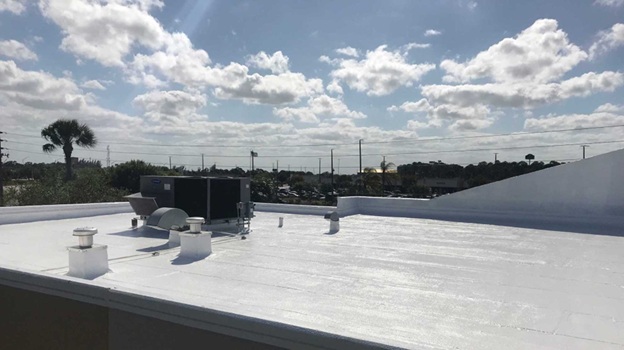
When it comes to a commercial roofing project, the contractor you choose can make or break the outcome. A roof is a major investment for any business, and the quality of workmanship, materials, and service all play a crucial role in its performance and lifespan. Whether you’re replacing an aging roof, repairing storm damage, or installing a roof for new construction, finding the right professional is essential. Here’s how to choose the best commercial roofing contractor for your project.

1. Look for Experience in Commercial Roofing

Commercial roofs are vastly different from residential ones. They often require specialized knowledge in materials like TPO, EPDM, or modified bitumen, as well as skills in flat or low-slope roof installation. Choose a contractor with a proven track record in commercial projects. Old Time Roofing, for example, has decades of experience handling diverse commercial roofing needs, ensuring projects meet industry standards and last for years.

2. Verify Licensing, Insurance, and Certifications

Never hire a contractor without proper licensing and insurance. This protects your business from liability in case of accidents or damage. Certifications from manufacturers also indicate that the contractor has undergone training and meets the required standards for installing specific roofing products. Old Time Roofing is fully licensed, insured, and certified to provide top-tier service and product warranties.

3. Check References and Reviews

A reputable roofing contractor should be able to provide references from past clients. Reading online reviews and testimonials can also give you a clear picture of their reliability, quality of work, and customer service. Old Time Roofing’s portfolio and glowing reviews highlight a commitment to delivering exceptional results every time.

4. Ask About Project Timelines and Communication

In commercial roofing, delays can mean lost revenue or operational disruption. A dependable contractor will provide a realistic timeline and maintain open communication throughout the project. Old Time Roofing’s team ensures projects are completed on schedule while keeping clients informed at every stage.

5. Compare Estimates Beyond Price

While cost is important, it should not be the only deciding factor. A low bid might indicate subpar materials or rushed work. Instead, compare the details of each estimate, including material quality, labor, warranties, and project scope. Old Time Roofing offers competitive pricing without compromising on quality or service.

6. Prioritize Safety Standards

Commercial roofing projects can be hazardous, so make sure your contractor follows strict safety protocols. Old Time Roofing invests in ongoing safety training and equipment to protect both workers and clients’ property.

Choosing the right commercial roofing contractor ensures your investment pays off with a durable, well-installed roof that protects your business for years. By prioritizing experience, credentials, and quality over cost alone, you’ll find a partner you can trust.

If you’re ready to start your commercial roofing project, contact Old Time Roofing today for a free consultation and discover why businesses trust us for expert roofing solutions.

This post was written by Ted Williams! Ted is the owner of A Old Time Roofing, one of the best roofing companies in Saint Petersburg, FL! Ted is a Master Elite Weather Stopper GAF Roofing Contractor, a double award winner of Best Steep-Slope Contractor from GAF and achiever of Master Elite Consumer Protection Excellence from GAF. He has been serving the Pinellas County area since 1978.  Old Time Roofing has a tradition of quality workmanship, servicing residential and commercial properties. Click here for more information!

When it comes to maintaining or upgrading your home, choosing the right roofing contractor in Dayton is one of the most critical decisions you’ll make. With so many options available, it’s essential to know what to look for to ensure your roof is in trusted hands and meets your specific needs. By taking the time to research and ask the right questions, you can avoid costly mistakes and ensure a durable, high-quality installation or repair for your roof.

Determine Your Roofing Needs

The first step in selecting a contractor is identifying the roofing services you require. Are you dealing with a minor repair, or does your roof need a complete replacement? These considerations will influence the type of contractor you should hire. For instance, some specialize in repairs, while others focus on full-scale installations. If you’re uncertain whether you need a repair or a replacement, understanding the differences can make the decision easier.

Evaluate the Contractor’s Experience and Reputation

An experienced roofing contractor can make all the difference when it comes to the quality of the work performed. Look for contractors with a strong reputation, verified by online reviews and testimonials. Solid experience demonstrates that they’ve worked through various challenges and can manage unique or complex roofing projects.

It’s also wise to verify that the contractor is licensed and insured. A contractor holding these credentials shows they meet local regulations and have the necessary coverage to protect you in case of accidents. Understanding the importance of hiring a licensed and insured professional can provide you peace of mind.

Ask the Right Questions

Before making your final decision, prepare a list of questions to discuss with potential contractors. Ask about their process, timeline, and any warranties they provide. It’s important to understand the materials they recommend and whether those materials align with your budget and roofing goals. Paying attention to the answers and how the contractor communicates can give you insight into their professionalism and reliability.

Compare Quotes and Consider Value

Cost is naturally a major consideration, but it shouldn’t be the only factor. Collect multiple quotes from different contractors to compare expenses and services. Don’t automatically go with the lowest bid, as this could indicate shortcuts or a lack of quality materials. Instead, think about the overall value you’re receiving, from customer service to the quality of materials and workmanship.

Trust Your Instincts

Your roof is an essential part of your home, so hiring a contractor you feel confident in is vital. If something feels off during your interactions with a contractor—whether it’s a lack of transparency, rushed communication, or anything else—consider it a red flag. Trust your instincts and take the time to choose someone who aligns with your expectations.

Conclusion

Selecting the right roofing contractor may seem overwhelming, but careful research, clear priorities, and thorough communication go a long way in ensuring your choice pays off in the long run. By following these steps, you’ll be well on your way to securing a reliable professional who can handle your roofing needs with expertise and care.