

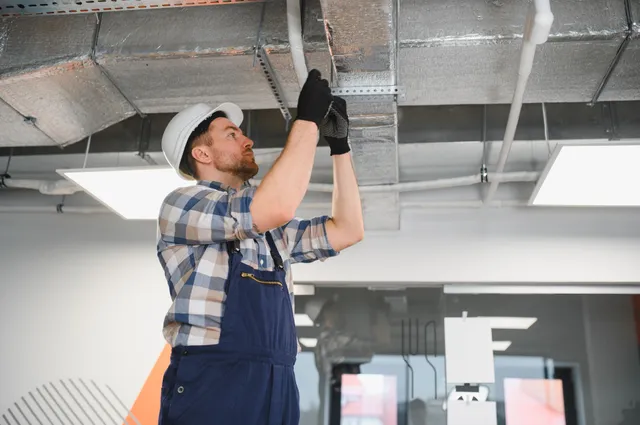
A heating system that struggles to keep your home warm can lead to uncomfortable rooms, unexpected repair costs, and higher energy bills during winter. Regular maintenance helps identify developing problems before they affect your comfort and gives your furnace or heat pump a better chance of operating reliably when temperatures drop.
For homeowners planning seasonal upkeep, heating maintenance in Akron, OH, is particularly important before the region’s colder months arrive. Checking accessible components, maintaining good airflow, and arranging professional inspections can help improve system performance, support safe operation, and reduce avoidable wear.
1. Inspect and Replace the Air Filter
The air filter is one of the simplest components to check during routine heating maintenance. It captures dust, lint, and other airborne particles before they enter the heating system. Over time, accumulated debris restricts airflow, potentially forcing the equipment to work harder to distribute warm air throughout the home.
Check the filter according to the manufacturer’s recommendations and replace it when it becomes dirty. Replacement frequency depends on the filter type, household conditions, pets, and system usage. Homes with pets or significant dust may require more frequent attention.
Always use a filter that matches the equipment’s specified size and filtration requirements. An unsuitable filter can restrict airflow or fit poorly. If you are unsure which replacement to choose, consult the owner’s manual or ask an HVAC professional.
2. Check the Thermostat and Temperature Settings
A thermostat controls when the heating system operates and helps maintain the desired indoor temperature. Incorrect settings, weak batteries, or inaccurate temperature readings can create the impression that the furnace is malfunctioning.
Set the thermostat to heating mode and select a comfortable temperature. If the display uses batteries, replace them when indicated or when the screen becomes unreliable. Make sure the thermostat is not exposed to direct sunlight, drafts, or other conditions that could distort its readings.
Notice whether the system responds appropriately when you adjust the setting. Persistent temperature fluctuations, repeated cycling, or a thermostat that fails to activate the heat may indicate a control problem. A technician can determine whether the issue originates in the thermostat, wiring, or heating equipment.
3. Keep Vents and Airflow Paths Clear
Blocked supply vents and return-air grilles can interfere with air circulation. Furniture, rugs, curtains, and accumulated dust may prevent warm air from reaching certain rooms or returning to the heating equipment.
Walk through the home and check that vents and grilles remain unobstructed. Remove visible dust from accessible surfaces and vacuum around the openings as needed. Avoid closing numerous vents in an attempt to redirect heat, since this can disrupt the airflow balance in some systems.
Pay attention to rooms that consistently feel colder than others. Uneven temperatures can result from blocked vents, duct leaks, inadequate insulation, or system-related problems. If clearing obstructions does not improve comfort, a professional assessment can help identify the underlying cause.
4. Examine the Furnace Area and Visible Components
The area around a furnace should remain clean, accessible, and free from stored items that could obstruct airflow or create a fire hazard. Remove ordinary household clutter from the immediate area while following the manufacturer’s clearance requirements.
Look for visible signs of trouble, such as unusual corrosion, water around the equipment, damaged insulation on accessible pipes, or debris near air openings. Never remove access panels or attempt to inspect internal components while the system is operating.
Furnaces contain parts that require specialised inspection, including burners, blower motors, electrical connections, and heat exchangers. These components affect performance and safety, so their condition should be evaluated by a qualified technician. Do not attempt to clean internal parts or adjust gas components yourself.
5. Listen for Unusual Noises and Watch for Performance Changes
Changes in sound or operation can provide useful early warnings. A well-maintained system will still produce normal operating sounds, but new or persistent noises deserve attention.
Rattling may indicate a loose panel or component, while grinding or squealing can suggest mechanical wear. Repeated clicking, loud banging, or frequent starting and stopping may also signal a problem that needs investigation.
Other warning signs include weak airflow, persistent cold spots, unexpected increases in energy consumption, or a burning smell that continues after the initial seasonal startup. Dust burning off briefly when a furnace is first used can occur, but persistent or unusual odours should not be dismissed.
If you smell gas, leave the building without operating electrical switches or using ignition sources, and contact your gas utility or emergency services from a safe location. If a carbon monoxide alarm activates, move everyone outside immediately and seek emergency assistance.
6. Check Safety Devices and Carbon Monoxide Protection
Heating equipment that burns natural gas, propane, or oil requires careful attention to combustion and ventilation. Problems involving the heat exchanger, exhaust vent, or combustion process can create dangerous conditions, including carbon monoxide exposure. Carbon monoxide is an odourless, colourless gas that cannot be detected reliably through human senses.
Test your carbon monoxide alarms according to the manufacturer’s instructions and replace batteries or units as recommended. Install alarms in appropriate locations based on local requirements and manufacturer guidance. Keep exhaust vents clear of visible obstructions, but do not dismantle venting components or attempt to repair suspected leaks yourself.
Professional heating maintenance in Akron, OH, can include appropriate safety checks, inspection of combustion-related components, and testing for potential carbon monoxide hazards. These tasks require suitable equipment and training, particularly when working with gas-fired furnaces.
7. Schedule a Professional Heating Tune-Up
Homeowners can handle several basic checks, but routine maintenance should also include a professional inspection. A technician can assess components that are difficult to access, identify developing faults, and determine whether the equipment is operating as intended.
Depending on the heating system, a tune-up may include inspecting the heat exchanger and blower motor, cleaning relevant components, checking electrical connections, evaluating ignition, and verifying thermostat operation. Gas-fired equipment may also require combustion, draft, gas-pressure, and carbon monoxide checks. The exact procedures depend on the system type and its manufacturer’s requirements.
Schedule maintenance annually, ideally before the heating season begins. Keep records of completed service, repairs, and recurring concerns. If your system has already developed unusual noises, inconsistent heating, or repeated shutdowns, arrange an assessment rather than waiting for the next routine appointment.
FAQs
Q.1 How often should a home heating system receive maintenance?
Most residential heating systems should receive professional maintenance once a year. Check the manufacturer’s recommendations because specific equipment may require different service intervals or procedures.
Q.2 Can heating maintenance help lower energy bills?
Yes, maintenance can help reduce energy waste by addressing restricted airflow, dirty components, and operating problems. However, energy costs also depend on weather, insulation, thermostat settings, and equipment efficiency.
Q.3 Should I turn off my furnace before checking the filter?
Follow the manufacturer’s instructions. Turning the system off before removing or replacing the filter can help prevent equipment operation during the process and reduce the risk of improper handling.
Q.4 Why does my furnace smell when I turn it on for winter?
A brief dusty smell can occur when accumulated dust burns off during the first use of the season. A persistent burning odour, electrical smell, or gas odour requires immediate attention rather than continued operation.
Q.5 Does a heat pump need the same maintenance as a furnace?
Both systems need clean filters, unobstructed airflow, thermostat checks, and periodic professional maintenance. Heat pumps also have outdoor coils and refrigerant-related components that require appropriate inspection and servicing.
Final Thoughts
A reliable heating maintenance routine starts with clean filters, accurate thermostat settings, unobstructed vents, and attention to unusual sounds or changes in performance. Regular safety checks and timely professional inspections also help identify problems that household checks cannot reveal.
Before temperatures fall, review your equipment’s maintenance requirements and arrange any necessary service. Homeowners seeking heating maintenance in Akron, OH, should prioritise an annual professional tune-up, address warning signs promptly, and keep basic maintenance records to support dependable operation throughout the heating season.


Comments are closed.