

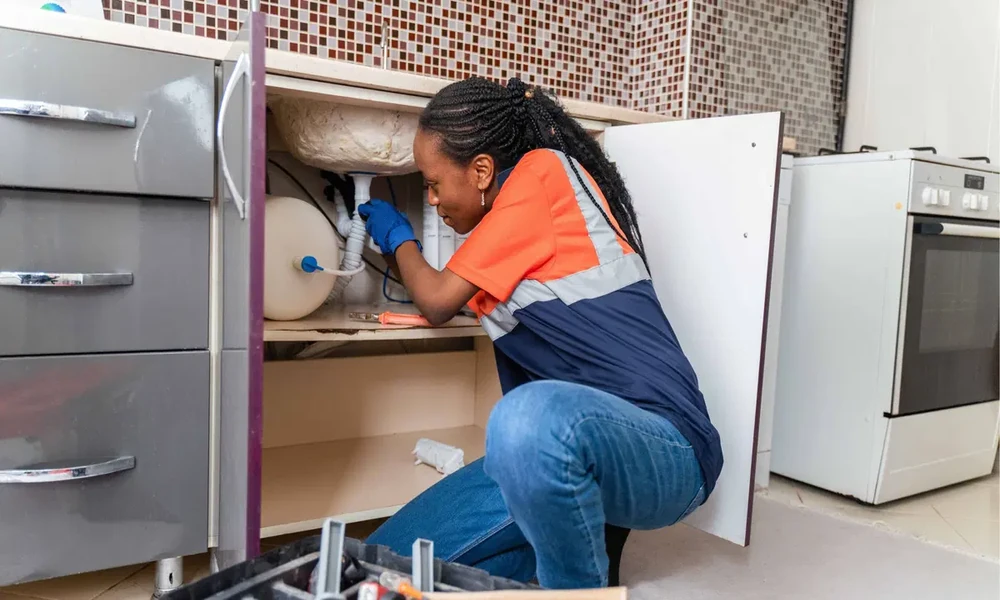
A leak returns after a repair, or the heating stays broken despite repeated calls. If you have already told your landlord and nothing has resolved the problem, a clear record of what has happened can help you take the next step.
When to seek further help
Follow up with your landlord or letting agent in writing. Refer to your original report, explain what is still wrong and ask when the work will be completed. If conditions have worsened since an inspection, describe the change.
For a serious problem, such as persistent damp, unsafe wiring or a prolonged loss of heating, consider contacting the council. That is separate from Housing Disrepair Claims, which can be another route to seek repairs or compensation.
Private tenants can look for their council’s environmental health or private rented housing team. Searching for ‘reporting landlord to environmental health’ alongside your council’s name can help you find the right team. If you rent from a council or housing association, use your landlord’s complaints process as well and ask an independent housing adviser about the right route. Services and procedures differ across the UK.
Prepare your report
A brief timeline can make a history of calls, visits and messages easier to follow. Give your address and the landlord’s or agent’s contact details, then set out:
- What the problem is, where it occurs and when you first noticed it.
- When and how you reported it, including any reference numbers.
- The response you received, including inspections, attempted repairs and missed appointments.
- Whether the condition is worsening or affecting how you use your home.
Attach dated photographs of the affected areas and copies of relevant messages. If a leak returned after a repair, include the date of the work and a recent photograph. Keep copies of what you send.
Mention health concerns or circumstances that make the problem harder to manage, such as a room someone in the household cannot use. You do not need to diagnose the cause of damp or prove a hazard yourself. Describe what you can see and how it affects you.
After you contact the council
Ask for a reference number and the name of the team handling your report. The council may contact the landlord, request more information or arrange an inspection. Its response will depend on the circumstances.
If an officer visits, show them the affected areas and explain what has changed since your report. Ask how you will receive the outcome and what happens next. Note the visit in your timeline and continue to report new problems to the landlord.
If you hear nothing, use your reference number to ask the council for an update. If you remain dissatisfied with its response, ask how to make a formal complaint.
Deal with immediate danger
Do not wait for a routine inspection when there is an immediate risk. If you suspect a gas leak, leave the property, avoid operating electrical switches and contact the gas emergency service from outside. Call 999 if anyone is in immediate danger. Do not attempt a hazardous repair yourself.
If the repair remains unresolved
A formal complaint to your landlord can run alongside requests for help. Explain what remains wrong and what you want done, such as arranging an inspection or setting a date for repairs.
An independent housing adviser can explain other options and potential costs. Get advice before withholding rent or paying for repairs and deducting the cost. Keep updating your records if conditions change or another promised appointment is missed.


Comments are closed.