

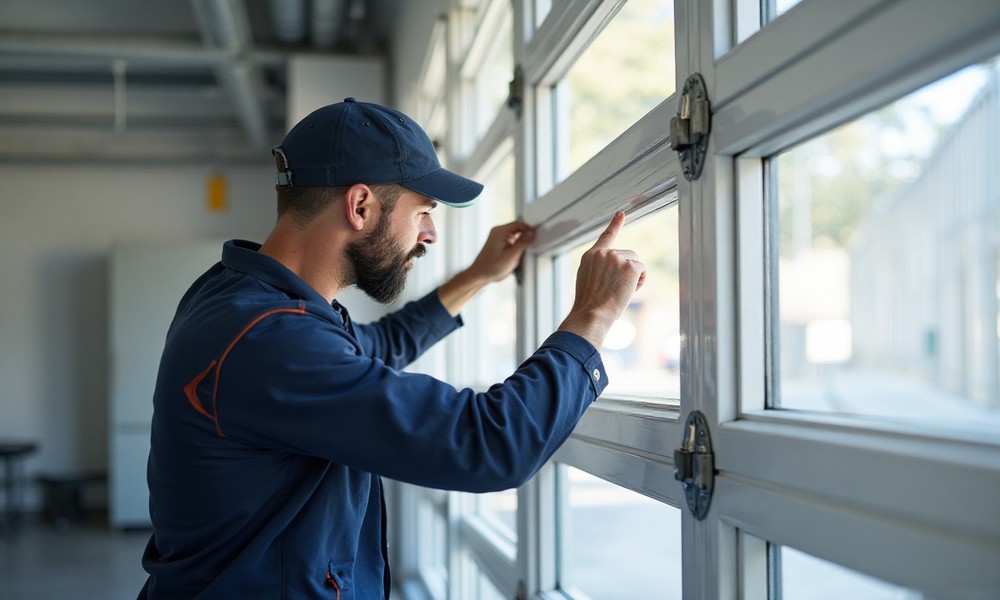
Every facility manager dreads the moment when a sectional door grinds to a halt in the middle of a busy day. Lost productivity, safety hazards, and expensive emergency callouts can all be traced back to preventable issues. Yet, many businesses still treat sectional door maintenance as an afterthought, only calling for help when failure is unavoidable.
The Cost and Consequences of Emergency Sectional Door Repairs
Unplanned sectional door breakdowns bring costs that span well beyond the immediate repair invoice.
Financial Impact of Unexpected Repairs
Emergency repairs often come at a premium, with after-hours service charges and expedited parts delivery quickly inflating bills. Even a single urgent fix can match the annual cost of regular maintenance.
Operational Disruptions and Safety Risks
When a sectional door fails, entire workflows stall. Deliveries get delayed, vehicles are stranded, and staff may be tempted to bypass standard safety practices. In warehouses or busy loading docks, a malfunctioning door can expose workers to injury and property to theft or weather damage.
Comparing Emergency vs. Scheduled Repair Outcomes
Scheduled maintenance spreads costs predictably, minimizes downtime, and ensures parts are replaced before they fail. In contrast, emergency repairs are reactive, stress-inducing, and often lead to higher long-term expenses.
| Type of Repair | Average Cost | Downtime (hrs) | Safety Risk | Predictability |
|———————|————–|—————-|————-|—————|
| Scheduled | Low-Medium | 1-2 | Low | High |
| Emergency | High | 4+ | Medium-High | Low |
Routine Preventive Maintenance vs. Reactive Repairs
Relying solely on reactive repairs is a recipe for disruption. Proactive maintenance, on the other hand, uncovers small issues before they spiral.
Benefits of Scheduled Inspections and Tune-Ups
Regular inspections keep doors running smoothly and safely. Trained technicians spot fraying cables, worn rollers, and misaligned tracks that often go unnoticed until major failure. Scheduled lubrication, tension adjustments, and safety sensor tests ensure longevity and reliability.
Common Signs Detected Early Through Maintenance
– Unusual noises during operation (grinding, squeaking)
– Door movement that is jerky or uneven
– Visible wear on springs, cables, or rollers
– Delayed response from openers or safety systems
Catching these early can prevent shutdowns and injuries.
Case Studies: Reduced Emergency Calls with Preventive Care
Facilities that adopted scheduled inspections saw a marked drop in emergency interventions. For example, one Montreal logistics hub reported a 70% reduction in urgent repair calls after instituting quarterly maintenance checks.
Techniques and Tools for Preventive Inspection
Preventive maintenance is more than a quick visual once-over.
Visual and Mechanical Diagnostic Methods
Technicians rely on visual inspections to spot wear and mechanical tests to check spring tension and force limits. Listening for abnormal sounds and feeling for resistance during manual operation can reveal deeper issues.
Role of Technology: Sensors and Automated Alerts
Modern monitoring systems use sensors to detect excess vibration, cycle counts, and temperature anomalies. Automated alerts prompt managers to call for service before a breakdown occurs.
Comparing Manual Checks with Advanced Monitoring Systems
Manual checks catch obvious signs, but technology provides continuous monitoring and early warnings. Combining both approaches yields the most comprehensive protection.
Component-Specific Preventive Strategies
Each part of a sectional door requires targeted attention.
Springs and Cables: Lifespan and Early Warning Signs
Springs have a finite cycle life. Over time, small cracks or stretches foreshadow failure. Regularly checking for these changes and replacing springs preemptively avoids sudden breakdowns.
Tracks and Rollers: Cleaning, Lubrication, and Alignment
Tracks clogged with debris or misaligned rollers create drag, leading to motor strain and uneven door movement. Scheduled cleaning and lubrication ensure smooth operation.
Motor and Opener Maintenance Practices
Dust buildup inside opener housings and misaligned safety sensors are common culprits. Clearing obstructions and recalibrating sensors keep automation reliable and safe.
Professional Service Agreements vs. DIY Maintenance
Many businesses debate between hiring professionals and relying on in-house staff.
Advantages of Hiring Certified Technicians
Certified technicians bring experience across all door models and brands. They use specialized tools to diagnose subtle issues and have access to proprietary parts that may not be available to the public.
Risks and Limitations of DIY Approaches
DIY repairs may miss critical safety tests, leading to incomplete fixes. Mistakes can void warranties and expose staff to injury.
Cost-Benefit Comparison of Service Contracts
While service contracts carry a recurring cost, they guarantee rapid response, priority scheduling, and peace of mind. In most cases, the investment offsets the savings lost to emergency disruptions.
Emergency Repair Readiness: When Prevention Isn’t Enough
No system is foolproof. Being ready for the unexpected is as important as prevention itself.
How to Set Up a Rapid Response Plan
Maintain a log of door specifications and service history. Train staff on manual overrides and ensure emergency contacts are accessible.
Choosing Reliable 24/7 Repair Services
Partnering with a reputable provider with guaranteed response times is critical. Companies like réparation de porte sectionnelle Dor Docteur are valued for transparent pricing, qualified technicians, and true round-the-clock service.
Balancing Prevention with Emergency Preparedness
A robust plan combines regular preventive care, technology-enabled monitoring, and reliable emergency backup. This layered approach minimizes risk and delivers operational continuity.
Environmental and Usage Factors Influencing Door Wear
Sectional doors in harsh climates or high-traffic facilities demand extra vigilance.
Impact of Weather Conditions and Location
Extreme cold can stiffen lubricants, while humidity encourages rust. Regular adjustments based on seasonal changes are crucial.
High-Traffic vs. Low-Traffic Operational Considerations
Doors that cycle hundreds of times a day require more frequent inspections and earlier replacement of moving parts.
Customizing Preventive Steps Based on Use Case
Tailoring schedules and inspection points to your specific operating environment maximizes lifespan and reduces breakdowns.
Long-Term Investment: Upgrading for Durability and Reduced Emergencies
The best long-term preventive measure may be a strategic upgrade.
New Materials and Technologies in Sectional Doors
Modern doors feature corrosion-resistant hardware, energy-efficient insulation, and smart openers with predictive diagnostics.
Retrofitting and Modernizing Existing Systems
Retrofitting older doors with upgraded rollers, springs, or sensors can dramatically cut emergency incidents.
Comparing Initial Costs with Long-Term Savings
Upfront investment in quality materials and professional maintenance pays off in reduced repairs, fewer emergencies, and uninterrupted operations over the door’s lifespan.
Predictable, proactive care is the best insurance against the chaos of emergency sectional door repairs. With the right combination of scheduled maintenance, targeted upgrades, and reliable partners, you can keep your doors, and your business, moving smoothly.


Comments are closed.