
Key Takeaways
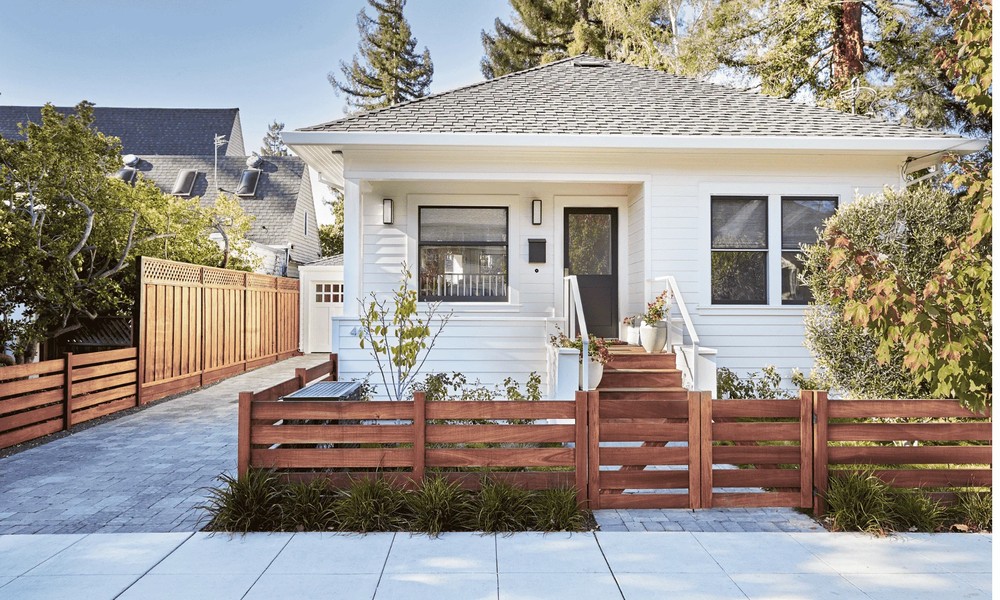
When selecting a front yard fence, homeowners often find themselves choosing between wood and vinyl. Each material has distinct advantages; wood brings natural warmth and aesthetics, while vinyl offers impressive durability and low maintenance requirements. It’s important for clients to reflect on their personal taste and daily lifestyle during this decision-making process.
Metal fencing, available in materials like iron, aluminum, and steel, presents a robust yet elegant appearance that bolsters security while enhancing contemporary landscaping. However, it often falls short of the warmth found in wood options.
There’s a growing trend towards eco-friendly fencing solutions, such as reclaimed wood, bamboo, and recycled plastics, appealing to those seeking sustainability. Such materials not only improve curb appeal but also reflect a homeowner’s commitment to environmental conservation.
Modern minimalism takes center stage, promoting simplicity in fencing design. This style is characterized by clean lines and monochromatic colors, resulting in an unobtrusive aesthetic that can give properties a more open and spacious feel.
Emphasizing rustic charm, traditional materials like weathered wood and wrought iron evoke a sense of warmth and a connection to nature. These elements can significantly uplift curb appeal and enhance property value.
The color palette chosen for fencing can impact emotions and perceptions. Soft blues and greens tend to convey tranquility, while vibrant reds and yellows infuse energy and warmth into a home’s exterior.
Properly planning the layout and installation of a fence is crucial. Homeowners should visualize the design, contemplate special features, and collaborate with neighbors to maintain boundaries and shared aesthetics before starting on the project.
Choosing the Right Materials for Your Front Yard Fence
Wood vs. Vinyl: Which Fits Your Aesthetic?
Choosing the right materials for a front yard fence often means making a significant decision between wood and vinyl. Wood boasts a natural warmth and timeless character that many homeowners cherish. Popular choices include oak, cedar, and pine, each boasting its own unique grains and pigmentation. However, maintenance requires careful consideration; wood fences typically need regular upkeep, such as staining and sealing, to prevent rot and insect damage. That’s where vinyl presents a strong case. It’s durable and nearly maintenance-free, but does it really provide the same warmth as wood?
Vinyl shines as a high-performance alternative. It can mimic the look of wood while offering greater resistance to fading, warping, and insects. Still, some homeowners miss that authentic connection to nature that characterizes genuine wood.
- Wood: Enhanced natural beauty and customization options.
- Vinyl: Low maintenance and long-lasting.
- Cost considerations: Varies; while wood may have lower initial costs, vinyl can save money in the long run.
In the end, the decision rests on individual style. Each material has distinct merits, making the choice about aligning with the intended aesthetic of the property. It’s about how homeowners want their homes to interact with the surrounding environment.
Metal Fencing: A Bold Statement for Your Landscape
Metal fencing emerges as a striking contender that enhances any residence’s aesthetics. Its strength and durability are unmatched. Common types include iron, aluminum, and steel, each bringing its own unique character. Iron exudes classic elegance, especially when fashioned in intricate designs. Conversely, aluminum is lightweight and resistant to corrosion, presenting a modern solution that requires minimal upkeep.
That said, metal fencing can sometimes feel stark, lacking the warmth traditionally offered by wood. However, for individuals seeking sleek, contemporary aesthetics, the clean lines and sturdy construction are hard to beat.
“A well-constructed metal fence not only enhances security but also serves as an eye-catching backdrop for landscaping.”
Combining metal accents with softer landscaping features, such as low shrubs or vibrant flowers, can create a stunning visual contrast while ensuring both aesthetics and functionality are achieved.
Eco-Friendly Options: Sustainable Fencing Solutions
For those passionate about sustainability, opting for eco-friendly materials has become increasingly important. Recycled products are gaining popularity, offering a guilt-free alternative for fencing. Fences made from materials like reclaimed wood, bamboo, or recycled plastics significantly lower environmental impact.
Eco-friendly fencing options not only benefit the planet but can also enhance curb appeal. For example, bamboo has a striking appearance that lends itself to a modern, chic vibe. Utilizing such materials conveys a strong message about a homeowner’s values.
- Reclaimed Wood: Distinct character and waste reduction.
- Bamboo: Rapidly renewable and stylish.
- Recycled Plastics: Durable and low-maintenance.
Embracing sustainability isn’t merely a trend; it’s a movement. Homeowners can make a tangible difference while enhancing their surroundings. A striking eco-friendly fence unites beauty with respect for nature.
Design Trends That Boost Curb Appeal Instantly
Modern Minimalism: Less is More
Modern minimalism champions simplicity, steering clear of ornate designs and excessive embellishments. This aesthetic fosters clean lines and cohesive visual themes resonating with contemporary tastes. Fencing styles featuring vertical slats, horizontal boards, or transparent elements can encapsulate that clean charm.
Homeowners often choose monochromatic colors to allow the fence to blend seamlessly with the property. This understated character can elevate the overall appeal of the home without overwhelming the eye. A streamlined design can also create an impression of a more spacious environment.
“Minimalist design extends beyond aesthetics; it represents a way of life – prioritizing function over clutter.”
Selecting minimalism can allow properties to feel less cramped and more focused. Even small updates can lead to significant changes.
Rustic Charm: Combining Tradition with Elegance
For those desiring warmth and tradition, rustic charm is undeniably alluring. Imagine weathered wood, cascading vines, and wrought iron accents. This style stirs feelings of nostalgia whilst fostering a connection to nature. A well-placed rustic fence can transform a garden space into a serene refuge.
Homes that embrace such fencing often stand out, thanks to the elegant interplay of refinement and artisanal craftsmanship. The unique aesthetic naturally draws neighbors’ admiration. Research indicates that curb appeal plays a critical role in property values. It’s a factor that cannot be ignored.
- Opt for reclaimed barn wood: It adds history and character.
- Incorporate climbing plants: These soften the appearance and inject life.
- Pickets with purpose: Create visual interest without cluttering.
What if every person passing by took a moment to admire that rustic fence? That’s the transformation all homeowners should aspire to.
Colour Psychology: What Shades Attract Positive Attention?
The colors selected for decorative front yard fencing can convey significant messages about a home. Each shade stirs emotional responses that shape initial impressions. Soft blues and greens promote calmness, while red often signals passion and energy. Understanding these subtleties is essential in choosing the right hue.
Bright tones like yellow or orange catch the eye, sparking curiosity and warmth. On the other hand, neutrals offer timeless appeal, fostering elegance without drawing too much attention. However, it’s the vibrant shades that can deliver that element of character, making a bold statement.
- Blue and Green: Calm, inviting presence.
- Red: Bold, energetic statement.
- Neutral Tones: Timeless and elegant feel.
A well-considered color palette plays a crucial role in defining a home’s personality, thereby enhancing its curb appeal. Which hues could elevate a property’s identity?
Installation Tips for a Flawless Finish
DIY vs. Professional: What’s Best for Your Project?
Deciding whether to tackle a project personally or engage a professional contractor often poses challenges. DIY endeavors can be fulfilling, but they may involve a steep learning curve. It’s wise for clients to evaluate their skills against the project’s complexity. Is there prior experience with tools and accurate measurements? If affirmed, a DIY option might be viable.
Alternatively, hiring a professional typically assures a high-quality finish. Seasoned contractors are well-versed in local regulations and building codes, ensuring compliance. They also have access to superior materials and can execute the job more efficiently.
- Benefits of DIY: Personal touch and potential cost savings.
- Advantages of Professionals: Skills and efficiency.
- Assessing personal capabilities: Honesty about skills is crucial.
The choice between these options can significantly influence the project’s outcome. Investing time in research will lead to the best possible decision.
Planning Your Layout: Ensuring Functionality and Style
Before initiating work, laying out a detailed plan is essential. Sketching the intended layout helps visualize the fence’s positioning, considering both aesthetic and functional aspects. Will the fence offer adequate privacy, or is it meant to serve primarily as a decorative element?
Experts recommend marking the perimeter with stakes and string during planning. This visual aid enhances the decision-making process and helps ensure a straight, clean line-something that may seem trivial but contributes enormously to a polished appearance.
- Visualizing: Use stakes and string for outlining the design.
- Considering special features: Gates, curves, and landscaping details.
- Consulting neighbors: Respecting boundaries and joint aesthetics.
Details matter; careful planning will lead to a successful and smoothly executed installation.
Seasonal Considerations: Timing Your Fencing Project
Timing can greatly influence the success of a decorative front yard fencing project. Each season presents unique challenges and opportunities. Spring typically offers favorable weather conditions for construction, while summer can introduce issues with heat and scheduling delays. Fall often serves as an ideal window, as many homeowners seek to improve their properties before winter sets in.
Yet winter may also have advantages, such as discounts and easier access to materials due to a lower volume of ongoing projects. Still, cold temperatures and ice can complicate the installation process. Clients need to consider local climate factors when planning.
- Spring: Great weather, a chance for fresh starts.
- Summer: Potential heat challenges and busy schedules.
- Fall: Excellent timing for final touches before winter.
Being prepared for seasonal changes is key to ensuring a successful outcome.
Maximizing Fencing Functionality: Beyond Aesthetics
Privacy Solutions: Creating a Peaceful Retreat
Privacy often drives the desire to install fencing. Creating a secluded oasis can greatly improve overall quality of life. Choosing the appropriate height and materials can foster an inviting and sheltered space for homeowners.
Many opt for taller wood or vinyl fences embellished with decorative lattice or caps, forming an attractive barrier. Adding dense greenery alongside the fence heightens the sense of seclusion. Want to boost the atmosphere immediately? Consider integrating tall plants or climbing vines along the fence.
- Choose the right height: Ensure it meets privacy needs.
- Incorporate landscaping: Thick plants reinforce seclusion.
- Consult local codes: Make sure to comply with regulations.
Thoughtfully designed fences can achieve both privacy and beauty, showcasing that they don’t have to be mutually exclusive.
Security Features to Consider for Peace of Mind
Homeowners stand to gain significantly by integrating security features into their fencing design. Fences should serve not only as decorative elements but also as effective deterrents against intruders. Selecting robust materials like steel or other resilient substances can greatly enhance security measures.
Adding sharp decorative points or installing a locked gate can further bolster protection. Strengthening the fence’s base against digging is equally important. Enhancing the area with motion sensor lights or cameras can provide dual functionality, improving safety while adding visual deterrents.
- Material selection: Strong options enhance security.
- Gates with locks: Allow controlled access.
- Integrating lighting: Deters potential threats after dark.
Pursuing a security-focused design not only provides peace of mind but also enhances the overall safety of the residence.
Landscaping Ideas to Complement Your New Fence
No fence exists in isolation. Landscaping significantly enhances the visual impact. A well-chosen fence paired with thoughtfully designed landscaping can dramatically elevate a property’s appeal. Incorporating colorful flowers or textured shrubs can soften rigid lines, creating a more cohesive look.
Consider planting perennials adjacent to the fence. They not only add visual interest but also help blend the natural elements with the fence’s structured lines. Why not install planters along the fence’s base? They can create vibrant displays while providing a touch of structure.
- Flower beds: Infuse color and dynamism.
- Vines: Gracefully climb and envelop the structure.
- Planters: Add visual appeal while offering utility.
Thoughtful landscaping can amplify the presence of a new fence, turning a decorative front yard fencing project into a captivating focal point.
FAQ
How do local zoning laws affect fencing choices?
Local zoning regulations can impose limitations on height, materials, and placement of fences, thereby influencing design options. Homeowners should consult their local municipality’s guidelines to ensure compliance and avoid any penalties.
What seasonal maintenance is required for different fence materials?
Regular treatments are necessary for wood fencing to prevent rot and insect damage, while vinyl usually requires minimal upkeep-just occasional cleaning. Metal fencing should be inspected for rust and may need repainting every few years, particularly in humid climates.
Can decorative fences improve home energy efficiency?
Certainly! Strategically placed fencing can obstruct wind and offer shade, thus lowering heating and cooling expenses. A sturdy fence can also protect against adverse weather, contributing to a home’s overall energy efficiency.
What’s the impact of fence height on curb appeal?
Fence height significantly affects visual aesthetics. A taller fence can ensure privacy, but risks overshadowing the property. In contrast, shorter designs can enhance openness, complement landscaping, and create a balanced look that aligns with neighborhood standards.
Are there specific design styles that work well for smaller yards?
Absolutely. In compact spaces, vertical fencing and minimalist designs can impart a sense of height and openness. Transparent or softly hued fencing allows for an airy ambiance while still defining the area.
What should homeowners consider when choosing fencing colors?
Homeowners ought to take into account their property’s overall color scheme, including that of the house and adjacent landscape. Choosing colors that harmonize with these elements enhances aesthetic quality and may positively influence property value in the eyes of prospective buyers.
How can integrating lighting with fencing enhance outdoor spaces?
Incorporating lighting into fencing design offers practical benefits along with visual appeal. Strategically placed lights can extend outdoor usability into the evening, enhance security, and showcase landscaping, creating an inviting atmosphere.
What unique customization options exist for decorative fencing?
Customization possibilities are virtually limitless. Homeowners can consider inventive lattice designs, stained finishes, or artistic metalwork reflecting their personal style. Adding climbing plants or distinct features, such as decorative post caps, can yield a one-of-a-kind look that stands out.
Useful Resources
- eXtension – Cooperative Extension System – A wealth of resources on landscaping and gardening.
- Professional Landcare Network (PLANET) – A hub for landscape professionals offering guidance and resources.
- American Society of Heating, Refrigerating and Air-Conditioning Engineers (ASHRAE) – Provides information on energy efficiency including fencing considerations.
- National Association of Home Builders (NAHB) – Offers insights into home building and renovation with a focus on fencing options.
- Environmental Protection Agency (EPA) – Information on sustainable practices and eco-friendly materials.
- Fences Australia – A resource for understanding various fencing types and their effects on property values.
- House Beautiful – Features various articles and advice on home design and landscaping.
- Houzz – A platform rich with home improvement ideas, providing visual inspiration for landscaping and fencing designs.
- The Landscape Guide – Comprehensive guides and considerations for landscape design and installation.

Comments are closed.