
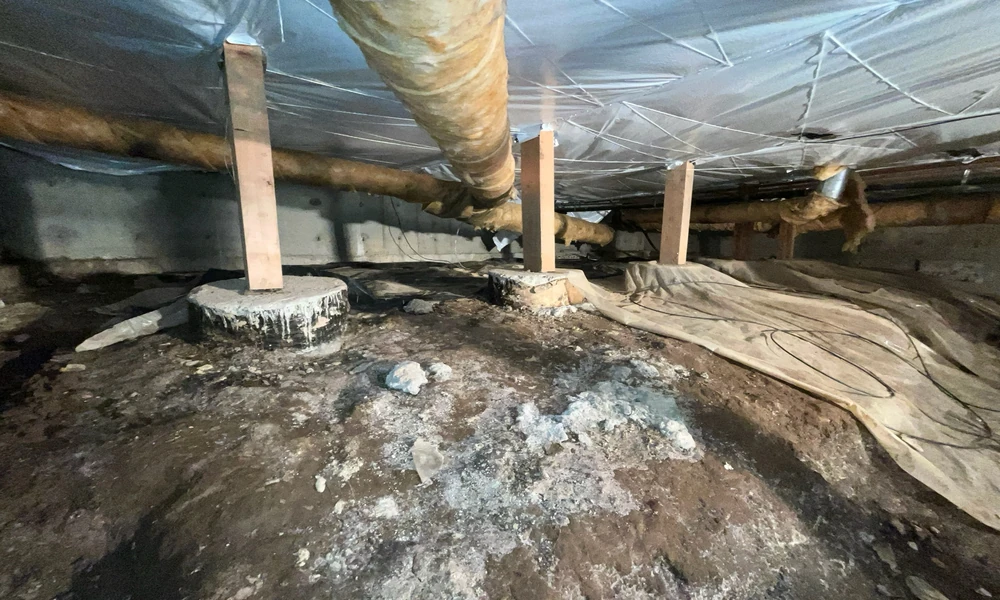
On a Friday night in March 2014, a magnitude 5.1 earthquake centered near La Habra rolled through north Orange County. It was not a big one by California standards, yet Fullerton ended up with broken water mains, flooded streets and a handful of homes declared unsafe. Most of the damage that mattered to homeowners happened somewhere they could not see, inside walls, under slabs and up in attics.
Few people know that hidden layer of a house better than the plumbers and HVAC technicians who work in it every day. Pipeline Plumbing Heating & Air has been doing exactly that around Fullerton since 1982, and its list of services reads almost like a seismic checklist, from earthquake safety shutoff valves and gas leak detection to slab leak repair, wall heaters and rooftop package units.
What follows is a timeline. A quake is over in seconds, but its effects on a home’s mechanical systems unfold over minutes, hours and sometimes months, and each stage calls for different attention.
Long Before Anything Moves
Preparation is the only stage you fully control, and in older Orange County homes it usually comes down to a few pieces of hardware.
- Water heater bracing. California requires tank water heaters to be strapped to the wall. Two metal straps, one in the upper third and one in the lower third, anchored into studs, keep a full tank from walking off its platform and snapping the gas line.
- Flexible connectors. Rigid copper or iron pipe running straight into a water heater, furnace or range has no give. Flexible gas and water connectors can stretch a little when the appliance shifts.
- A seismic gas shutoff valve. Installed at the meter, it closes on its own when shaking passes a set threshold. Only state certified models should be used, and installation belongs with a licensed contractor.
- A wrench and a plan. Know where the main water shutoff and gas meter valve are, and keep a shutoff wrench hanging nearby.
The Federal Alliance for Safe Homes has a short guide on automatic gas shutoff valves that explains why fire after an earthquake is often more destructive than the shaking itself.
The First Five Minutes
Once the shaking stops, your nose and ears are better instruments than any app. A smell of rotten eggs, a hissing near the meter or an appliance, or the small dial on the gas meter spinning fast all mean gas is escaping. That is the moment to shut the meter valve with a quarter turn so it sits crosswise to the pipe, get everyone outside and call the gas company from a safe distance.
If none of those signs are present, leave the gas on. This surprises people, but shutting it off unnecessarily means every pilot light in the house goes out, and only the utility or a qualified technician should restore service. After a regional quake, that wait can stretch into days.
Water is different. If you see water spreading across a floor or hear it running inside a wall, close the main shutoff right away. A broken supply line can push out hundreds of gallons before anyone finds the source.
The First Hour
With immediate danger handled, walk the house slowly with a flashlight and look at the places where mechanical systems meet the structure.
Start at the water heater. Is it still upright and square on its stand? Is the flue pipe on top still seated, or has it slipped sideways? A disconnected flue can spill carbon monoxide into the garage or closet, and it often looks fine at a glance.
Next, check the furnace or wall heater the same way. Older gravity wall heaters and floor furnaces are common in Fullerton’s postwar neighborhoods, and their vent connections are short and easily jostled. If anything looks shifted, leave the appliance off until it is inspected.
Finally, look under sinks and around toilets for fresh drips. Compression fittings and old supply lines tend to loosen before anything else does.
The Next Day or Two
Damage that hides at first starts showing itself once normal life resumes. Running the dishwasher or washing machine can reveal a cracked drain line through slow drainage or gurgling. Turning on the air conditioning may expose ductwork that pulled apart in the attic, which shows up as weak airflow in certain rooms and a hot, dusty smell from registers.
Homes with rooftop package units deserve a look from the ground, or better yet from a ladder. These units sit on curbs and supports that can shift, and a misaligned unit can crack its own refrigerant lines or tear the roof seal around it.
If the gas was shut off, this is also when relighting happens. A technician should check each appliance for leaks and proper venting before relighting pilots, not just flip valves back on.
Weeks and Months Later
The slowest damage is often the most expensive. A slab leak caused by shifting soil may announce itself only through a warm spot on the floor, the sound of running water when every fixture is off, or a water bill that suddenly jumps. Cast iron sewer lines, already brittle in many older homes, can crack underground and leave no clue until roots move in or a backup arrives. A video drain inspection is the only real way to know, and it makes sense after any quake strong enough to crack plaster.
Gas lines buried in the yard or running under the house can develop small leaks that take time to become noticeable. If you notice a faint odor near the meter or an unexplained rise in the gas bill, treat it seriously.
Getting the Hidden Systems Ready for Next Time
North Orange County sits near the Puente Hills and Whittier fault systems, and the region will feel stronger shaking than that night in 2014 at some point. Walls and roofs get most of the retrofit attention, which makes sense, yet the gas line behind the water heater or the iron drain under the slab can decide whether a house is livable the next morning.
Each piece of seismic preparation in mechanical systems is modest on its own. A strap, a flexible line, a valve at the meter, a camera run through the sewer after a jolt. Put together, they turn the hours after a quake from a scramble into a short, calm walk through the house with a flashlight.

Comments are closed.