
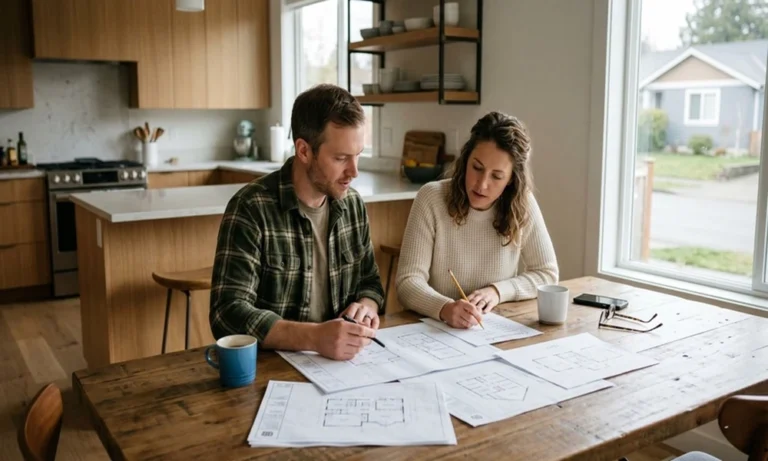
Building a home is one of the largest decisions a family or property owner will make. The drawings may look polished, but a beautiful floor plan can still create expensive problems if it ignores climate, lot conditions, daily routines, storage, utility costs, or resale.
Before you approve construction documents, review the plan like someone who will live there through hot summers, cold mornings, muddy spring runoff, holiday guests, and years of maintenance. This checklist can help you catch practical issues while changes are still manageable.
Confirm the Plan Fits the Lot, Not Just the Wishlist
A home should respond to the property. A plan that works on a flat suburban lot may struggle on a sloped site, a narrow infill parcel, or acreage exposed to wind and sun.
Start with the basics:
- Where does the sun hit in the morning and afternoon?
- Which views should the home capture?
- Where will snow, rain, and runoff move?
- How steep is the driveway approach?
- Are neighboring homes close enough to affect privacy?
- Will outdoor living areas be shaded or exposed?
In many Utah communities, elevation changes affect foundation costs, retaining walls, walkout basements, garage placement, and drainage. A plan that ignores grade may look affordable on paper but become expensive once excavation begins.
Also check setbacks, easements, utility access, and local design requirements. These limits may influence where the house can sit, how wide it can be, and whether certain rooflines, exterior materials, or garage orientations are allowed.
Review the Daily Flow of the Home
A floor plan should make ordinary life easier. Walk through a typical weekday from morning to night.
Entry and Drop Zones
When someone comes in from the garage or front door, where do coats, shoes, backpacks, sports gear, and packages go? A tiny mudroom may not be enough for a busy household, especially during snowy months.
Look for:
- A practical bench or landing area
- Closet space near main entries
- Room for boots and winter gear
- A path from garage to kitchen for groceries
- Separation between clutter zones and guest-facing spaces
If everything lands on the kitchen island, the plan needs adjustment.
Kitchen, Dining, and Gathering Areas
Open layouts are popular, but openness alone does not make a home functional. Check cabinet space, island clearance, pantry size, and the work path between sink, range, and refrigerator.
Ask these questions:
- Can two people cook without bumping into each other?
- Is there a clear route from kitchen to dining?
- Where will small appliances live?
- Can guests gather without blocking the work zone?
A home meant for frequent hosting needs different circulation than one designed for quiet evenings and small family meals.
Check Climate and Energy Performance
Utah homes face different seasonal conditions depending on elevation and location. A plan should account for summer heat, winter cold, strong sun, and occasional heavy snow.
- Window placement and size
- Roof overhangs and shading
- Insulation strategy
- HVAC zoning
- Garage insulation if attached
- Attic ventilation
- Snow load requirements
Large west-facing windows may create glare and heat gain. Poorly planned roof valleys can trap snow or water. Oversized vaulted spaces can raise heating and cooling costs if the mechanical system is not designed carefully.
Energy performance is not just about monthly bills. It affects comfort, noise, durability, and long-term maintenance.
Make Sure Storage Is Realistic
Storage is one of the most common regrets after move-in. Plans often show attractive rooms but understate the space needed for seasonal items, tools, cleaning supplies, luggage, food storage, holiday decorations, and outdoor equipment.
Look beyond bedroom closets. Check for:
- Linen closets near bedrooms and bathrooms
- Cleaning supply storage on each level
- Mechanical room clearance
- Pantry depth and shelving layout
- Garage storage walls
- Basement storage if included
- Space for bikes, skis, yard tools, or camping gear
Do not assume the garage will solve every storage problem. Once vehicles, trash bins, workbenches, freezers, and outdoor gear are added, garage space disappears quickly.
Evaluate Bedrooms, Bathrooms, and Privacy
Bedrooms should be more than boxes with windows. Check furniture placement, closet access, bathroom proximity, and sound separation.
A primary suite next to a great room may become noisy during gatherings. A bedroom beside the garage may hear doors, engines, and early-morning departures. Bathrooms placed too close to dining or living areas can feel awkward for guests.
If your household may include children, aging parents, frequent visitors, or home office needs, consider how the layout will work five to ten years from now. A flexible main-level room can serve as an office, guest room, hobby space, or future bedroom.
Study the Exterior Before You Commit
Curb appeal matters, but so does maintenance. Review exterior materials, roof complexity, window sizes, drainage paths, and access for repairs.
Complicated rooflines may add character, but they can also increase framing costs and create more areas for leaks or ice buildup. High windows may look dramatic but require special cleaning or coverings. Wood accents may need more maintenance in exposed areas.
Ask where gutters, downspouts, utility meters, hose bibs, exterior lighting, and mechanical vents will go. These details affect both appearance and function.
Compare the Plan Against Your Budget
A plan can be buildable and still financially risky. Square footage is only one part of cost. Complexity often drives the budget higher.
Watch for cost triggers such as:
- Multiple rooflines
- Large spans requiring structural beams
- Extensive glass
- Tall ceilings throughout
- Custom stair details
- Oversized garages
- Complex foundations
- Premium exterior materials
- Long utility runs
If the plan already stretches your budget, leave room for site work, permit fees, utility connections, landscaping, window coverings, and change orders.
When reviewing Utah house plans, homeowners should look closely at how design choices affect construction cost, comfort, maintenance, and long-term livability.
Ask Better Questions Before Signing Off
Before moving forward, gather the key people involved and ask direct questions:
- What part of this plan is most likely to increase cost?
- Where are the biggest maintenance concerns?
- Does the HVAC layout support comfort in every room?
- Are there any code or zoning issues still unresolved?
- How does the plan handle drainage?
- What changes would improve resale value?
- Which features are expensive but low impact?
- What should be simplified before construction begins?
Good professionals will welcome these questions. The goal is not to second-guess every line. The goal is to catch problems while they are still pencil marks instead of concrete, framing, and invoices.
Final Review: Live in the Plan Before You Build It
Imagine carrying groceries, hosting family, doing laundry, working from home, shoveling snow, storing tools, paying utility bills, and maintaining the exterior year after year.
A strong plan should fit the land, respect the climate, support daily routines, and stay aligned with the budget. If something feels awkward during review, it will usually feel worse after move-in. Taking time now can save money, reduce stress, and help ensure the finished home works as well in real life as it looks on paper.