Author

Tereso sobo

Browsing

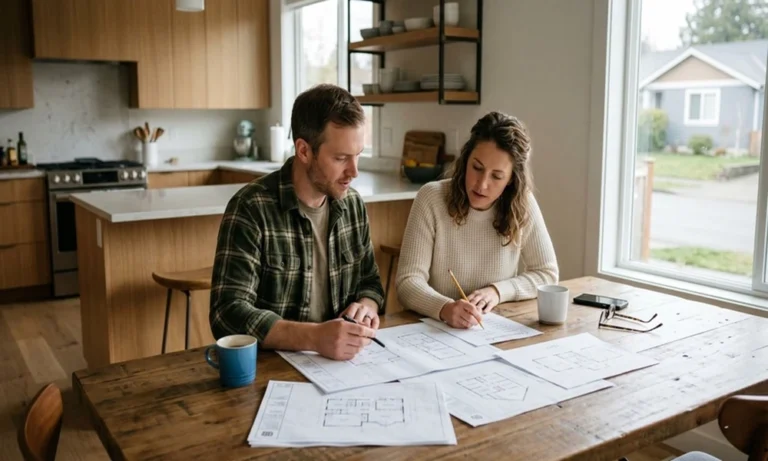
Building a home is one of the largest decisions a family or property owner will make. The drawings may look polished, but a beautiful floor plan can still create expensive problems if it ignores climate, lot conditions, daily routines, storage, utility costs, or resale.

Before you approve construction documents, review the plan like someone who will live there through hot summers, cold mornings, muddy spring runoff, holiday guests, and years of maintenance. This checklist can help you catch practical issues while changes are still manageable.

Confirm the Plan Fits the Lot, Not Just the Wishlist

A home should respond to the property. A plan that works on a flat suburban lot may struggle on a sloped site, a narrow infill parcel, or acreage exposed to wind and sun.

Start with the basics:

  • Where does the sun hit in the morning and afternoon?
  • Which views should the home capture?
  • Where will snow, rain, and runoff move?
  • How steep is the driveway approach?
  • Are neighboring homes close enough to affect privacy?
  • Will outdoor living areas be shaded or exposed?

In many Utah communities, elevation changes affect foundation costs, retaining walls, walkout basements, garage placement, and drainage. A plan that ignores grade may look affordable on paper but become expensive once excavation begins.

Also check setbacks, easements, utility access, and local design requirements. These limits may influence where the house can sit, how wide it can be, and whether certain rooflines, exterior materials, or garage orientations are allowed.

Review the Daily Flow of the Home

A floor plan should make ordinary life easier. Walk through a typical weekday from morning to night.

Entry and Drop Zones

When someone comes in from the garage or front door, where do coats, shoes, backpacks, sports gear, and packages go? A tiny mudroom may not be enough for a busy household, especially during snowy months.

Look for:

  • A practical bench or landing area
  • Closet space near main entries
  • Room for boots and winter gear
  • A path from garage to kitchen for groceries
  • Separation between clutter zones and guest-facing spaces

If everything lands on the kitchen island, the plan needs adjustment.

Kitchen, Dining, and Gathering Areas

Open layouts are popular, but openness alone does not make a home functional. Check cabinet space, island clearance, pantry size, and the work path between sink, range, and refrigerator.

Ask these questions:

  • Can two people cook without bumping into each other?
  • Is there a clear route from kitchen to dining?
  • Where will small appliances live?
  • Can guests gather without blocking the work zone?

A home meant for frequent hosting needs different circulation than one designed for quiet evenings and small family meals.

Check Climate and Energy Performance

Utah homes face different seasonal conditions depending on elevation and location. A plan should account for summer heat, winter cold, strong sun, and occasional heavy snow.

  • Window placement and size
  • Roof overhangs and shading
  • Insulation strategy
  • HVAC zoning
  • Garage insulation if attached
  • Attic ventilation
  • Snow load requirements

Large west-facing windows may create glare and heat gain. Poorly planned roof valleys can trap snow or water. Oversized vaulted spaces can raise heating and cooling costs if the mechanical system is not designed carefully.

Energy performance is not just about monthly bills. It affects comfort, noise, durability, and long-term maintenance.

Make Sure Storage Is Realistic

Storage is one of the most common regrets after move-in. Plans often show attractive rooms but understate the space needed for seasonal items, tools, cleaning supplies, luggage, food storage, holiday decorations, and outdoor equipment.

Look beyond bedroom closets. Check for:

  • Linen closets near bedrooms and bathrooms
  • Cleaning supply storage on each level
  • Mechanical room clearance
  • Pantry depth and shelving layout
  • Garage storage walls
  • Basement storage if included
  • Space for bikes, skis, yard tools, or camping gear

Do not assume the garage will solve every storage problem. Once vehicles, trash bins, workbenches, freezers, and outdoor gear are added, garage space disappears quickly.

Evaluate Bedrooms, Bathrooms, and Privacy

Bedrooms should be more than boxes with windows. Check furniture placement, closet access, bathroom proximity, and sound separation.

A primary suite next to a great room may become noisy during gatherings. A bedroom beside the garage may hear doors, engines, and early-morning departures. Bathrooms placed too close to dining or living areas can feel awkward for guests.

If your household may include children, aging parents, frequent visitors, or home office needs, consider how the layout will work five to ten years from now. A flexible main-level room can serve as an office, guest room, hobby space, or future bedroom.

Study the Exterior Before You Commit

Curb appeal matters, but so does maintenance. Review exterior materials, roof complexity, window sizes, drainage paths, and access for repairs.

Complicated rooflines may add character, but they can also increase framing costs and create more areas for leaks or ice buildup. High windows may look dramatic but require special cleaning or coverings. Wood accents may need more maintenance in exposed areas.

Ask where gutters, downspouts, utility meters, hose bibs, exterior lighting, and mechanical vents will go. These details affect both appearance and function.

Compare the Plan Against Your Budget

A plan can be buildable and still financially risky. Square footage is only one part of cost. Complexity often drives the budget higher.

Watch for cost triggers such as:

  • Multiple rooflines
  • Large spans requiring structural beams
  • Extensive glass
  • Tall ceilings throughout
  • Custom stair details
  • Oversized garages
  • Complex foundations
  • Premium exterior materials
  • Long utility runs

If the plan already stretches your budget, leave room for site work, permit fees, utility connections, landscaping, window coverings, and change orders.

When reviewing Utah house plans, homeowners should look closely at how design choices affect construction cost, comfort, maintenance, and long-term livability.

Ask Better Questions Before Signing Off

Before moving forward, gather the key people involved and ask direct questions:

  • What part of this plan is most likely to increase cost?
  • Where are the biggest maintenance concerns?
  • Does the HVAC layout support comfort in every room?
  • Are there any code or zoning issues still unresolved?
  • How does the plan handle drainage?
  • What changes would improve resale value?
  • Which features are expensive but low impact?
  • What should be simplified before construction begins?

Good professionals will welcome these questions. The goal is not to second-guess every line. The goal is to catch problems while they are still pencil marks instead of concrete, framing, and invoices.

Final Review: Live in the Plan Before You Build It

Imagine carrying groceries, hosting family, doing laundry, working from home, shoveling snow, storing tools, paying utility bills, and maintaining the exterior year after year.

A strong plan should fit the land, respect the climate, support daily routines, and stay aligned with the budget. If something feels awkward during review, it will usually feel worse after move-in. Taking time now can save money, reduce stress, and help ensure the finished home works as well in real life as it looks on paper.

Inviting a pest control technician into your home for the first time can feel daunting. Will the treatment be safe around children and pets? How long will it take? What exactly does the visit involve? These are reasonable questions, and the answers are more reassuring than most first-time customers anticipate. A reputable provider like akelapest.com treats the initial appointment as the foundation of a lasting solution.

The demand for this kind of service reaches across millions of American homes. According to the U.S. Census Bureau’s American Housing Survey, about 14 million occupied homes reported seeing cockroaches in one year, and nearly 14.8 million reported rodents. Demand has risen accordingly, as the U.S. pest control industry exceeds $22 billion in value and expands annually. Thus, scheduling the first visit places you among millions of households taking a sensible, preventative step.

It Begins with a Comprehensive Inspection

The cornerstone of any first appointment is a meticulous inspection, which usually consumes the bulk of the visit. Rather than treating immediately, a skilled technician examines both the interior and exterior of your property to understand what they are dealing with. During this assessment, they will:

  • Identify the specific pest species present, since effective treatment hinges on accurate identification.
  • Locate entry points such as gaps around utility lines, foundation cracks, and poorly sealed doors.
  • Note conducive conditions, such as moisture, clutter, and vegetation contact that invite pests in the first place.
  • Gauge the scope and severity of any active infestation.

This investigative depth reflects Integrated Pest Management, a methodology that targets the root cause of a problem.

A Diagnosis, Then a Tailored Plan

Once the inspection concludes, the technician will walk you through their findings in plain language and propose a customized treatment plan. No two homes present identical conditions, so a thoughtful provider avoids generic packages in favor of recommendations matched to your property, the pests involved, and your household’s particular concerns. This is also the moment to raise questions about products, timelines, or safety around family members and pets. A capable technician will welcome these questions.

Expect transparency around pricing as well. Many established companies provide complimentary estimates, so you understand the cost and scope before any work begins.

The Treatment Itself

Contrary to the dramatic image some homeowners hold, a first treatment is typically thorough but quiet and undisruptive. Depending on the diagnosis, it may combine interior and exterior applications, targeted baiting, exclusion work to seal entry points, and the placement of monitoring devices. Modern, eco-conscious products let technicians resolve problems effectively while minimizing exposure for families, pets, and the surrounding environment.

How to Prepare and What Will Be Asked of You

A smooth first visit is a collaborative effort. To help the technician work efficiently, homeowners are typically asked to:

  • Clear access to baseboards, under sinks, and other likely treatment areas.
  • Point out specific locations where pests have been spotted.
  • Secure pets and mention any sensitivities within the household.
  • Follow any brief, straightforward instructions about re-entry after certain treatments.

These measures allow the technician to be thorough without disrupting your routine.

After the Appointment

The first visit rarely marks the end of the relationship. Because many pests breed in cycles and Riverside’s climate keeps them active for much of the year, one treatment is often the opening move in a broader strategy. A technician will outline what to expect in the days that follow, recommend preventative habits, and arrange any necessary follow-up.

Partnering With a Trusted Local Provider

For homeowners across Riverside, Fontana, and Corona, Akela Pest Control exemplifies what a dependable first visit should feel like. With more than a decade of regional experience, their technicians pair careful inspection with Integrated Pest Management. They rely on family- and pet-safe products, and build customized plans around each home. Free estimates, flexible scheduling, and a commitment to clear communication mean newcomers know what lies ahead from the outset, and leave the appointment reassured.

Every bathroom renovation starts with a single, pressing question: how do you choose furniture that not only fits your space and style, but also respects your plumbing setup? It’s a puzzle that merges aesthetic ambition with practical reality, and the right answer can transform a cramped washroom into an oasis of comfort and efficiency.

Understanding Your Bathroom Space and Plumbing Constraints

The first step is honest measurement. Take note of the width, depth, and height of your available space, but don’t stop there. The swing of your door, the placement of windows, and the pathways people use all affect where furniture can live. Even the most beautiful vanity can become a nuisance if it blocks your bathroom door or restricts movement.

Plumbing deserves its own scrutiny. Are the pipes set up for a wall-mounted or a floor-standing unit? Is your sink drain straight down or does it travel through the wall? These details dictate what furniture you can install without costly rerouting or awkward compromises. For example, an exposed S-trap under the sink might require a different vanity style than a hidden P-trap inside the wall.

Choosing Bathroom Furniture Based on Plumbing Compatibility

There’s a big difference between wall-mounted and freestanding vanities. Wall-mounted models can make a room feel larger and allow easy cleaning underneath, but they demand sturdy walls and careful alignment with plumbing. Freestanding units, on the other hand, often provide more storage and flexibility, but take up more visible floor space.

The number of sinks matters, too. Small powder rooms usually call for compact, single-sink vanities, while larger bathrooms can accommodate double vanities. But before dreaming of dual basins, make sure your plumbing and room layout can support the extra drain and water lines.

Pairing sinks, faucets, and vanities requires attention to dimensions and fixture compatibility. Ideally, your furniture will allow easy access for repairs and future upgrades. For unique or older homes, you might encounter custom plumbing situations that require bespoke cabinetry or creative solutions. In these cases, collaborating with a designer or specialist can save you headaches.

Harmonizing Bathroom Furniture with Your Style and Functionality Needs

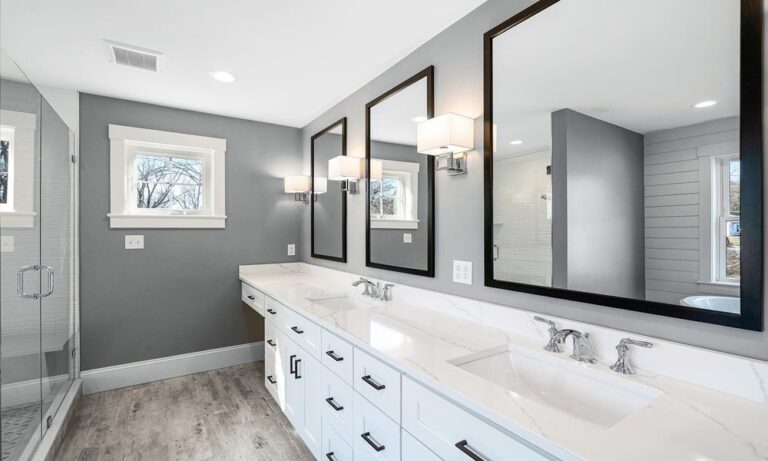
Start by defining your style. Is your vision modern minimalism, classic elegance, or an eclectic blend? The materials you choose, whether matte lacquer, wood veneer, or stone countertops, should echo that style. Color and finish play a crucial role. If you’re after a cohesive look, coordinate your vanity with other bathroom elements, like mirrors and shelving.

Storage is where style meets substance. Deep drawers, open shelves, and integrated organizers all offer ways to keep clutter at bay while supporting your aesthetic. Accessories tie the whole look together. Sleek chrome faucets, statement mirrors, and well-placed lighting can elevate even the simplest furniture choices, making your bathroom feel intentional and inviting.

Optimizing Storage and Organization in Your Bathroom Furniture

Bathrooms are storage battlegrounds. Consider what you need to stash: daily toiletries, towels, cleaning supplies, or personal luxuries? Drawers work well for smaller items, while cabinets or taller towers handle larger essentials. Open shelving adds a decorative touch but may require more attention to organization.

For tight spaces, wall-mounted cabinets or slimline vanities free up valuable square footage. Modular systems and customizable inserts allow you to adapt storage as your needs evolve, making sure there’s a place for everything without sacrificing style.

Practical Tips for Selecting the Right Size and Configuration

Every bathroom is different. Powder rooms benefit from small, efficient furniture, while ensuites and family bathrooms can support more expansive solutions. The golden rule: match your furniture size to the actual usage and traffic flow, not just the room’s dimensions.

Counter space is precious, but overcrowding makes daily rituals stressful. Choose a vanity that offers enough surface area without swallowing up the room. Accessibility is also key, drawers should glide open easily, and nothing should block the flow within the room.

Leveraging Expert Help and Showroom Resources

Browsing online is useful, but nothing compares to seeing finishes and proportions in person. Visiting a showroom lets you interact with actual products and get a feel for their quality and scale. Many showrooms offer free consultations, where experienced designers can help you clarify your vision and troubleshoot tricky plumbing or layout questions.

Mockups and samples make final decisions far easier. You can see how a vanité Vasca Design actually looks with your preferred countertop or faucet, helping you avoid costly mistakes.

Maintaining and Caring for Your Bathroom Furniture

Proper maintenance extends the life of your investment. Use gentle cleansers and avoid abrasive tools that can scratch or dull finishes. Wipe up water spills promptly to prevent damage, especially on wood or laminate surfaces. Periodically check for loose hardware or minor wear, addressing issues early before they become expensive repairs.

Finally, keep the future in mind. If you anticipate another renovation down the road, choose flexible designs that can be refreshed with new finishes or hardware, making sure your bathroom remains both functional and stylish for years to come.

Choosing bathroom furniture is a dance between practicality and personal expression. By understanding your space, respecting your plumbing, and curating pieces that reflect your style, you can craft a bathroom that delights the eye and serves your daily needs with effortless grace.

Every facility manager dreads the moment when a sectional door grinds to a halt in the middle of a busy day. Lost productivity, safety hazards, and expensive emergency callouts can all be traced back to preventable issues. Yet, many businesses still treat sectional door maintenance as an afterthought, only calling for help when failure is unavoidable.

The Cost and Consequences of Emergency Sectional Door Repairs

Unplanned sectional door breakdowns bring costs that span well beyond the immediate repair invoice.

Financial Impact of Unexpected Repairs

Emergency repairs often come at a premium, with after-hours service charges and expedited parts delivery quickly inflating bills. Even a single urgent fix can match the annual cost of regular maintenance.

Operational Disruptions and Safety Risks

When a sectional door fails, entire workflows stall. Deliveries get delayed, vehicles are stranded, and staff may be tempted to bypass standard safety practices. In warehouses or busy loading docks, a malfunctioning door can expose workers to injury and property to theft or weather damage.

Comparing Emergency vs. Scheduled Repair Outcomes

Scheduled maintenance spreads costs predictably, minimizes downtime, and ensures parts are replaced before they fail. In contrast, emergency repairs are reactive, stress-inducing, and often lead to higher long-term expenses.

| Type of Repair | Average Cost | Downtime (hrs) | Safety Risk | Predictability |

|———————|————–|—————-|————-|—————|

| Scheduled | Low-Medium | 1-2 | Low | High |

| Emergency | High | 4+ | Medium-High | Low |

Routine Preventive Maintenance vs. Reactive Repairs

Relying solely on reactive repairs is a recipe for disruption. Proactive maintenance, on the other hand, uncovers small issues before they spiral.

Benefits of Scheduled Inspections and Tune-Ups

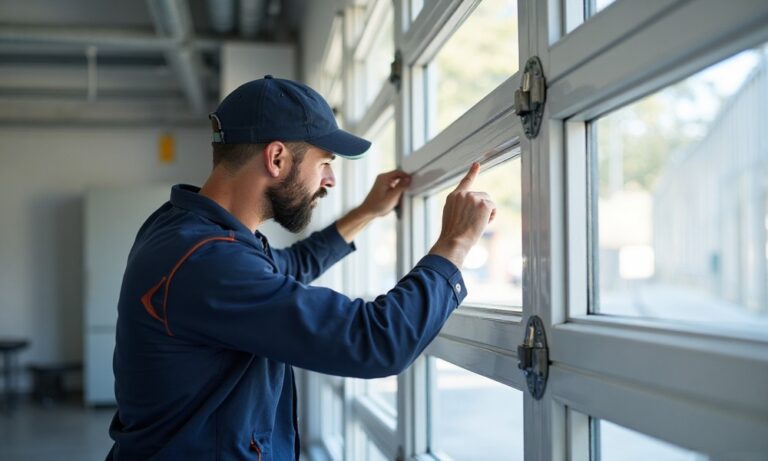
Regular inspections keep doors running smoothly and safely. Trained technicians spot fraying cables, worn rollers, and misaligned tracks that often go unnoticed until major failure. Scheduled lubrication, tension adjustments, and safety sensor tests ensure longevity and reliability.

Common Signs Detected Early Through Maintenance

– Unusual noises during operation (grinding, squeaking)

– Door movement that is jerky or uneven

– Visible wear on springs, cables, or rollers

– Delayed response from openers or safety systems

Catching these early can prevent shutdowns and injuries.

Case Studies: Reduced Emergency Calls with Preventive Care

Facilities that adopted scheduled inspections saw a marked drop in emergency interventions. For example, one Montreal logistics hub reported a 70% reduction in urgent repair calls after instituting quarterly maintenance checks.

Techniques and Tools for Preventive Inspection

Preventive maintenance is more than a quick visual once-over.

Visual and Mechanical Diagnostic Methods

Technicians rely on visual inspections to spot wear and mechanical tests to check spring tension and force limits. Listening for abnormal sounds and feeling for resistance during manual operation can reveal deeper issues.

Role of Technology: Sensors and Automated Alerts

Modern monitoring systems use sensors to detect excess vibration, cycle counts, and temperature anomalies. Automated alerts prompt managers to call for service before a breakdown occurs.

Comparing Manual Checks with Advanced Monitoring Systems

Manual checks catch obvious signs, but technology provides continuous monitoring and early warnings. Combining both approaches yields the most comprehensive protection.

Component-Specific Preventive Strategies

Each part of a sectional door requires targeted attention.

Springs and Cables: Lifespan and Early Warning Signs

Springs have a finite cycle life. Over time, small cracks or stretches foreshadow failure. Regularly checking for these changes and replacing springs preemptively avoids sudden breakdowns.

Tracks and Rollers: Cleaning, Lubrication, and Alignment

Tracks clogged with debris or misaligned rollers create drag, leading to motor strain and uneven door movement. Scheduled cleaning and lubrication ensure smooth operation.

Motor and Opener Maintenance Practices

Dust buildup inside opener housings and misaligned safety sensors are common culprits. Clearing obstructions and recalibrating sensors keep automation reliable and safe.

Professional Service Agreements vs. DIY Maintenance

Many businesses debate between hiring professionals and relying on in-house staff.

Advantages of Hiring Certified Technicians

Certified technicians bring experience across all door models and brands. They use specialized tools to diagnose subtle issues and have access to proprietary parts that may not be available to the public.

Risks and Limitations of DIY Approaches

DIY repairs may miss critical safety tests, leading to incomplete fixes. Mistakes can void warranties and expose staff to injury.

Cost-Benefit Comparison of Service Contracts

While service contracts carry a recurring cost, they guarantee rapid response, priority scheduling, and peace of mind. In most cases, the investment offsets the savings lost to emergency disruptions.

Emergency Repair Readiness: When Prevention Isn’t Enough

No system is foolproof. Being ready for the unexpected is as important as prevention itself.

How to Set Up a Rapid Response Plan

Maintain a log of door specifications and service history. Train staff on manual overrides and ensure emergency contacts are accessible.

Choosing Reliable 24/7 Repair Services

Partnering with a reputable provider with guaranteed response times is critical. Companies like réparation de porte sectionnelle Dor Docteur are valued for transparent pricing, qualified technicians, and true round-the-clock service.

Balancing Prevention with Emergency Preparedness

A robust plan combines regular preventive care, technology-enabled monitoring, and reliable emergency backup. This layered approach minimizes risk and delivers operational continuity.

Environmental and Usage Factors Influencing Door Wear

Sectional doors in harsh climates or high-traffic facilities demand extra vigilance.

Impact of Weather Conditions and Location

Extreme cold can stiffen lubricants, while humidity encourages rust. Regular adjustments based on seasonal changes are crucial.

High-Traffic vs. Low-Traffic Operational Considerations

Doors that cycle hundreds of times a day require more frequent inspections and earlier replacement of moving parts.

Customizing Preventive Steps Based on Use Case

Tailoring schedules and inspection points to your specific operating environment maximizes lifespan and reduces breakdowns.

Long-Term Investment: Upgrading for Durability and Reduced Emergencies

The best long-term preventive measure may be a strategic upgrade.

New Materials and Technologies in Sectional Doors

Modern doors feature corrosion-resistant hardware, energy-efficient insulation, and smart openers with predictive diagnostics.

Retrofitting and Modernizing Existing Systems

Retrofitting older doors with upgraded rollers, springs, or sensors can dramatically cut emergency incidents.

Comparing Initial Costs with Long-Term Savings

Upfront investment in quality materials and professional maintenance pays off in reduced repairs, fewer emergencies, and uninterrupted operations over the door’s lifespan.

Predictable, proactive care is the best insurance against the chaos of emergency sectional door repairs. With the right combination of scheduled maintenance, targeted upgrades, and reliable partners, you can keep your doors, and your business, moving smoothly.

If your garage lights have started flickering, dimming unexpectedly, buzzing, or failing altogether, the problem may be much deeper than a burned-out bulb. In many Austin, Texas homes, garages are one of the first places where electrical issues begin to show themselves. Because garages experience heat, dust, humidity changes, vibration, and heavy electrical usage, they often become an early warning system for larger electrical problems throughout the home.

Many homeowners searching for a Trusted Electrician In Austin, TX are surprised to learn that garage lighting problems can reveal overloaded circuits, deteriorating wiring, moisture intrusion, and even dangerous connection failures hidden behind walls. What looks like a simple lighting issue can quickly turn into a safety concern if ignored for too long.

In Austin, where temperatures regularly climb and garages are used for everything from workshops to home gyms and EV charging stations, lighting systems work harder than many people realize. Understanding why garage lights fail can help homeowners catch electrical problems early before they spread to the rest of the property.

Why Garages Often Reveal Electrical Problems First

Garages are unique spaces. Unlike climate-controlled living rooms or bedrooms, garages face constant environmental stress. In Austin homes, garages experience extreme summer heat, occasional moisture issues during storms, and fluctuating temperatures that can accelerate wear on electrical components.

Most garages also support heavier electrical demands than they did decades ago. Today’s garages may power:

  • Refrigerators or freezers
  • Power tools
  • Air compressors
  • EV chargers
  • Home gym equipment
  • Additional refrigerators
  • Workshop lighting
  • Smart home systems

Older garage electrical systems were rarely designed for modern electrical loads. As a result, lighting fixtures and circuits often begin showing warning signs before major electrical failures occur elsewhere in the home.

This is one reason many homeowners contact a Trusted Electrician In Austin, TX after noticing repeated garage lighting problems that never seem to fully go away.

Failing Ballasts and LED Drivers

One of the most common causes of garage lighting failure involves failing ballasts or LED drivers.

Older garages throughout Austin still use fluorescent tube fixtures. These fixtures rely on ballasts to regulate electrical current. Over time, ballasts wear out due to age, heat exposure, and voltage fluctuations.

Signs of a failing ballast may include:

  • Lights flickering repeatedly
  • Delayed startup
  • Buzzing or humming sounds
  • Dim lighting
  • Blackened tube ends
  • Random shutoffs

Austin’s summer temperatures can dramatically shorten ballast lifespan, especially in garages with poor ventilation. Excessive heat causes internal electrical components to degrade much faster.

Newer LED fixtures use drivers instead of ballasts. While LEDs are more energy efficient, their drivers can still fail when exposed to excessive heat or poor installation conditions. Cheap LED fixtures are especially vulnerable to early driver failure.

Many homeowners attempt to replace bulbs without realizing the actual issue lies deeper within the fixture itself.

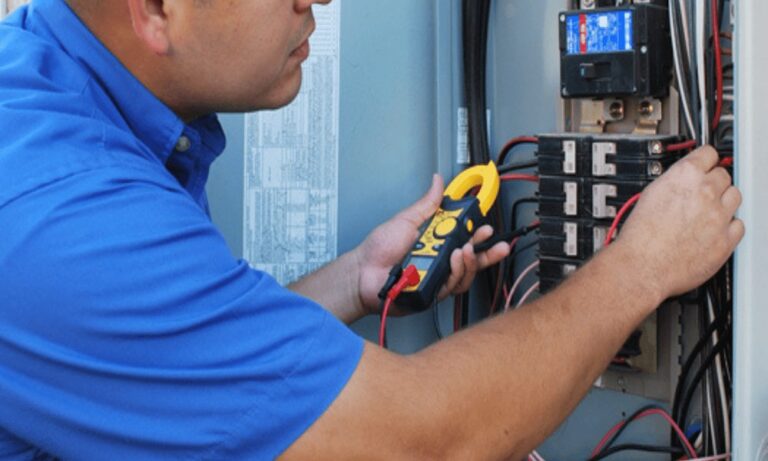
A Trusted Electrician In Austin, Texas can properly diagnose whether the issue involves the bulbs, ballast, driver, wiring, or circuit itself rather than simply replacing parts that may not solve the root problem.

Overheating Garage Fixtures

Heat is one of the biggest enemies of electrical systems in Texas garages.

Garages in Austin can easily exceed 110 degrees during the summer. That extreme heat builds up inside lighting fixtures, junction boxes, and electrical connections. Over time, overheating can cause:

  • Brittle wire insulation
  • Melted fixture components
  • Loose electrical terminals
  • Premature bulb failure
  • Burned wiring
  • Circuit damage

Many homeowners unknowingly install lighting fixtures that are not rated for garage conditions. Enclosed fixtures without proper ventilation can trap heat and accelerate component failure.

Another issue involves insulation contact. Some recessed garage fixtures are improperly surrounded by insulation, preventing heat from escaping safely.

In severe cases, overheating fixtures can become fire hazards.

This is why homeowners often contact a Trusted Electrician In Austin, TX after noticing burning smells, discolored fixtures, or lights that suddenly stop working during hot weather.

Loose Wiring Connections Behind Garage Lights

Loose electrical connections are extremely common in garages, especially in older Austin homes.

Garages experience more vibration than most other rooms in a house. Opening and closing garage doors creates repeated vibration over the years, which can gradually loosen wire connections inside fixtures, switches, outlets, and junction boxes.

Loose wiring can cause:

  • Intermittent flickering
  • Arcing
  • Sparking
  • Hot switches
  • Random power loss
  • Tripping breakers
  • Electrical buzzing sounds

What makes loose wiring dangerous is that it often worsens slowly over time. Many homeowners ignore occasional flickering for months or even years before the issue becomes severe.

In some cases, loose connections can create enough resistance to generate dangerous heat inside walls.

Garage lighting issues sometimes reveal older aluminum wiring problems as well. Homes built decades ago may contain wiring methods or splice connections that no longer perform safely under modern electrical loads.

A properly trained Trusted Electrician In Austin, TX can inspect these hidden connections safely and identify whether the issue is isolated or part of a larger electrical concern throughout the home.

Moisture Intrusion and Corrosion

Although garages seem dry most of the time, moisture intrusion is surprisingly common in Austin-area homes.

Humidity, rainwater intrusion, slab moisture, and condensation can all affect garage electrical systems. This is especially true for garages with poor insulation or damaged weather seals.

Moisture can slowly corrode:

  • Fixture contacts
  • Wire terminals
  • Junction boxes
  • Switches
  • GFCI outlets
  • Breaker connections

Corrosion increases electrical resistance, which leads to overheating, flickering, and eventual component failure.

Homeowners sometimes notice rust-colored staining near fixtures or experience lights that work inconsistently after heavy rainstorms.

Garages attached to homes with HVAC duct leakage may also experience hidden condensation problems that slowly damage electrical systems over time.

Moisture-related electrical issues should never be ignored because water and electricity create serious safety hazards.

This is another reason homeowners often rely on a Trusted Electrician In Austin, TX when recurring garage lighting problems seem tied to weather or humidity changes.

Overloaded Garage Circuits

Modern garages use far more electricity than they were originally designed to handle.

In many older Austin homes, garages may only have a single 15-amp or 20-amp circuit serving:

  • Lighting
  • Garage door openers
  • Wall outlets
  • Refrigerators
  • Outdoor outlets

Once homeowners add power tools, freezers, EV chargers, compressors, or workout equipment, those circuits can become overloaded quickly.

Overloaded circuits commonly cause:

  • Dimming lights
  • Flickering fixtures
  • Frequent breaker trips
  • Warm outlets
  • Reduced fixture lifespan

Sometimes garage lights dim every time a refrigerator compressor or garage door motor starts. This may indicate excessive voltage drop caused by overloaded wiring.

Unfortunately, repeatedly resetting breakers does not solve the underlying problem.

A licensed electrician can determine whether the garage requires:

  • Dedicated circuits
  • Panel upgrades
  • Subpanel installations
  • Circuit redistribution
  • Wiring upgrades

Many homeowners searching for a Trusted Electrician In Austin, TX discover their lighting issue is actually part of a larger electrical capacity problem affecting the home.

Problems During Fluorescent-to-LED Conversions

One growing issue throughout Austin involves improper fluorescent-to-LED conversions.

Many homeowners attempt DIY upgrades to modern LED garage lighting without understanding how the wiring systems differ. Some LED retrofit tubes require ballast bypass rewiring, while others are plug-and-play compatible.

Incorrect conversions can create:

  • Flickering LEDs
  • Shortened bulb lifespan
  • Fire hazards
  • Fixture overheating
  • Electrical code violations
  • Partial fixture failure

Improperly bypassed ballasts are especially dangerous when wiring connections are not completed correctly.

Additionally, some older garage fixtures simply are not compatible with certain LED retrofits. Cheap retrofit kits may also struggle in high-heat garage environments.

While LED upgrades can dramatically improve garage brightness and energy efficiency, proper installation matters.

A Trusted Electrician In Austin, TX can help homeowners select fixtures designed specifically for Texas garage conditions while ensuring all wiring remains safe and code compliant.

Should Homeowners Attempt Garage Lighting Repairs Themselves?

Many homeowners are comfortable replacing light bulbs, swapping simple fixtures, or installing basic LED upgrades. However, diagnosing electrical failures becomes much more complicated once wiring, overheating, or circuit problems are involved.

DIY electrical work may seem straightforward online, but garage electrical systems can hide serious hazards behind walls and ceilings.

Homeowners should generally avoid DIY electrical repairs when dealing with:

  • Flickering that continues after bulb replacement
  • Burn smells
  • Tripping breakers
  • Aluminum wiring
  • Moisture exposure
  • Melted fixtures
  • Overloaded circuits
  • Ballast bypass rewiring
  • Hot switches or outlets
  • Unknown wiring conditions

Texas electrical codes exist for safety reasons, and improperly completed electrical work can create fire risks or insurance complications later.

In Austin, licensed electricians are trained to safely troubleshoot hidden electrical faults, test circuits correctly, and ensure repairs meet local code requirements.

For simple cosmetic fixture swaps, experienced homeowners may handle the work safely if power is properly disconnected and wiring conditions are straightforward. But when recurring lighting problems continue appearing, it is usually best to contact Texas licensed electricians Austin homeowners trust.

Garage Lighting Problems Should Never Be Ignored

Garage lighting issues are rarely just about lighting alone. In many Austin homes, they serve as early warning signs of larger electrical concerns developing behind the scenes.

Flickering fixtures, failing LEDs, buzzing fluorescent lights, overheating housings, and dimming circuits often point toward aging infrastructure, overloaded electrical systems, loose wiring, or moisture-related damage.

Addressing these problems early can help homeowners avoid more expensive repairs later while improving safety throughout the property.

Whether the issue involves outdated fluorescent fixtures, overloaded garage circuits, hidden wiring damage, or failed LED conversions, working with a Trusted Electrician In Austin, TX can help identify the true source of the problem before it spreads to the rest of the home.

In a city like Austin, where garages serve as workshops, storage spaces, fitness rooms, and charging stations all at once, electrical systems deserve more attention than many homeowners realize. When garage lights begin failing repeatedly, the smartest approach is often to treat it as an opportunity to uncover deeper electrical issues before they become dangerous.

Roller shutters are durable, but smaller accessories like the strap will eventually wear out. Smooth manual operation relies on the strap. And when it begins to fail, it can impact the whole system.

If you use your shutters every day, it would do you best to know when strap replacement is needed before bigger issues arise. Most of the homeowners seek roller shutter repair in Adelaide services as soon as they start facing problems.

Let’s go over the main indicators and timing to change your roller shutter strap.

Roller Shutter Strap: What Is That?

It is a strap that enables you to open and close manual roller shutters. This links the control mechanism to the shutter drum.

Whenever the shutters are opened, the strap is subjected to tension and friction. This causes wear and tear over time.

However, even the best roller shutters in Adelaide need strap replacements at some point. It’s part of regular maintenance.

Signs Your Strap Needs Replacement

Ignoring the early signs can lead to losing everything. Look out for these warning signs

Fraying or Visible Wear

When the strap appears worn, thin or frayed, it also is about to break. And that is one of the clearest signals.

Difficulty in Operation

If it feels more difficult than usual to lift or lower the shutter, it could be that the strap is stretching.

Unusual Sounds

Straps or internal issues will cause some squeaking, grinding noises in use.

Strap Slipping or Loosening

A loose strap might not grip well, and operation could be unreliable.

In that case, the best approach is to call a roller shutter repair professional.

How Often to Replace the Strap?

There is not a set duration, but most last for several years depending on use.

You might need to replace them sooner if:

  • The shutters are deployed several times a day
  • It’s not exposed to sunlight or moisture
  • Poor-quality materials were used

Regular inspection enables you to nip issues in the bud. It wears out, even the best roller shutters, with frequent use.

Why Timely Replacement Matters?

Delaying making amends would cause bigger problems.

A damaged strap can:

  • Snap suddenly during use
  • Bring the shutter down suddenly
  • Damage internal components
  • Increase repair costs

That is why these risks are void with prompt maintenance with roller shutter repair Adelaide services.

Can You Replace the Strap?

Some try to fix it themselves, but this is not always advisable.

Replacing a strap involves:

  • Opening the shutter box
  • Handling tension-loaded components
  • Ensuring correct alignment

Mistakes may occur in the lack of right scale or expertise. A professional will do the job safely and correctly.

Choosing Quality Replacement Straps

Not all straps are the same. The quality makes a difference for longevity and performance.

When replacing your strap, consider:

  • Strong, wear-resistant materials
  • Sizing your shutter system correctly
  • Compatibility with your existing setup

Experts who provide roller shutter repair will help you choose the right option.

When to Upgrade Rather than Repair?

In some cases, chronic strap problems signal a larger issue.

If your shutters are relatively old or need constant repair, it may be time to upgrade. Older systems aren’t designed quite like that − modern ones are far more durable and easier to operate.

The Best Roller Shutters in Adelaide save your time and less long-term maintenance cost.

Final Thoughts

You might underestimate the importance of a roller shutter strap considering its small size, but it is essential for proper daily operation. Disregarding to be aware of signs of wear and tear can lead to discomfort and safety issues.

You get them serviced regularly and replace the shutters on time (when needed) to ensure everything works just fine. If you notice anything wrong, the best time to take action is early.

So, whether through trusted roller shutter repair services, or quality upgrades such as the best roller shutters Adelaide, you can keep things functional to your satisfaction and vigilance.

Most homeowners blame lawns, patios, or blocked drains when their garden stays wet. Fencing rarely gets mentioned. Yet after decades working across York, I can say with confidence that many long-term drainage problems begin right at the boundary. I see it on inspections all the time. People search for fencing companies near me because posts are rotting or panels are leaning, but the real issue often sits in the soil along the fence line. Many homeowners first look at York Fencing because they want to understand why the same damp problems keep returning, even after repairs.

Drainage issues at boundaries develop quietly. They rarely flood dramatically. Instead, they soften soil, weaken posts, and slowly damage fencing until failure feels inevitable.

Why fence lines change how water behaves

Fence lines interrupt natural water flow. Digging post holes, pouring concrete, and altering ground levels all affect how rain moves through soil.

In York, clay soil dominates many gardens. Clay drains slowly. When a fence is installed without considering this, water often collects where posts meet the ground.

From years on site, I have learned to spot drainage issues by feel. Soil near fence lines stays soft longer. Footprints linger. Moss forms. Grass thins. These signs usually appear long before a fence fails.

How post holes quietly create drainage problems

Every post hole changes soil structure. Clay compacts easily when wet. Once compacted, it drains poorly.

If a post hole is backfilled without care, the soil around it becomes denser than the surrounding ground. Water follows the path of least resistance and settles there.

I often remove posts to find soil that feels almost sealed, holding moisture against the timber. Over time, this leads to rot at ground level.

Concrete and its unintended side effects

Concrete is essential for stability, but it alters drainage. A solid plug of concrete can act like a bowl if installed poorly.

Water runs down the post and sits on top of the concrete. Without drainage beneath, it has nowhere to go.

On good installations, I usually allow for drainage at the base of the hole. Gravel beneath the concrete lets water escape downward rather than pooling around timber.

Older fences rarely include this detail.

Why gravel boards affect more than appearance

Gravel boards are designed to protect panels from ground contact, but they also influence drainage.

When gravel boards sit too low or ground levels rise against them, water collects along the fence base. This keeps soil saturated and accelerates post decay.

Correct height matters. Gravel boards should protect timber without trapping water against the fence line.

Shade and airflow at boundaries

Fence lines often receive less sunlight and airflow than the rest of the garden. Tall panels block wind and cast shade.

This slows evaporation. Soil stays damp longer after rain. In clay, that means prolonged softness.

Homeowners notice this when one strip of the garden never quite dries, even in summer.

Why posts fail faster in poorly drained ground

Posts rely on firm soil to resist movement. Waterlogged ground offers little support.

I usually install posts at around 600mm to 750mm depth to reach more stable ground, but even deep posts struggle if water cannot drain.

Repeated wetting weakens soil structure. Posts loosen. Fixings strain. Panels shift.

The fence does not collapse overnight. It degrades steadily.

How drainage problems spread along the fence line

Drainage issues rarely stay local. Once water collects along one section, it often spreads.

Soil erosion exposes concrete. Adjacent posts become affected. Rails begin to sag as alignment changes.

This is why homeowners often see multiple posts failing within a short period.

Why repairs rarely solve drainage-led failures

Repairs focus on symptoms. A leaning post is reset. A rotten post is replaced.

If drainage is not improved, the same conditions remain. Water continues to collect. Soil stays weak.

Homeowners searching for fence repair near me often face repeat problems because the underlying drainage issue has not been addressed.

When repairs still make sense

Repairs can work if drainage problems are minor and localised. Improving ground levels. Adding drainage gravel. Adjusting gravel boards.

Knowing when repairs will hold is key. Many homeowners review fence repairs guidance to understand whether repairs will genuinely extend lifespan or simply delay replacement.

If multiple posts show signs of rot or movement, replacement with improved ground preparation usually makes more sense.

How fencing design influences drainage

Design choices affect drainage. Solid gravel boards and continuous panels trap moisture.

Designs that allow airflow help soil dry faster. Hit and miss fencing, slatted sections, and stepped heights reduce damp build-up along boundaries.

These choices support both fence longevity and healthier soil.

Composite fencing does not remove drainage concerns

Composite fencing does not rot, but it still relies on posts set in soil.

Composite fencing cost often reflects durability above ground, but drainage remains critical below ground. Poor drainage still leads to movement and alignment issues.

Even low maintenance materials need stable, well-drained foundations.

Why garden slope matters at fence lines

Slope plays a big role. Fence lines at the bottom of a slope collect runoff from higher ground.

Without proper planning, water pools along the boundary. Soil becomes saturated. Posts suffer.

During replacement, small changes to ground levels can redirect water away from fences and solve long-standing problems.

How fence lines affect surrounding planting

Poor drainage near fences affects planting too. Roots struggle in compacted, wet soil. Plants thin or fail.

Homeowners often replace plants repeatedly without realising the fence line is the cause.

Improving drainage benefits both fencing and planting health.

Why older fences often create long-term drainage damage

Older fencing installations often ignored drainage entirely. Posts were set shallow. Concrete filled holes completely. Ground was left uneven.

Over decades, this created persistent damp zones along boundaries.

Replacing fencing without addressing these issues simply resets the clock.

How planned replacement fixes drainage problems properly

Replacement allows drainage issues to be corrected properly. Post holes can be prepared correctly. Gravel added. Ground levels adjusted.

Homeowners often notice gardens drying more evenly after replacement, even in wet weather.

This improvement often surprises people, but it makes sense once the boundary is no longer trapping water.

The link between drainage and fence lifespan

Drainage and lifespan are directly connected. Drier soil supports posts. Reduced moisture slows rot. Alignment holds longer.

Fences that sit in well-drained ground last significantly longer than those surrounded by damp soil.

This is one of the most overlooked factors in fence longevity.

Why homeowners are noticing drainage issues sooner

More time spent at home means people notice their gardens more. Remote work has sharpened awareness of damp areas and slow-drying ground.

Homeowners now spot drainage problems earlier and act before fences fail completely.

This awareness is driving better decisions.

What to look for if your fence line stays wet

There are a few simple checks homeowners can make.

  • Does soil near the fence stay soft longer than elsewhere?
  • Is moss forming at the base of panels?
  • Do posts feel loose when pushed gently?
  • Are gravel boards sitting below ground level?
  • Does water pool after rain?

These signs point to drainage issues rather than simple wear.

Why drainage should be part of every fencing conversation

Drainage affects fence stability, lifespan, and garden health. Ignoring it leads to repeated problems.

Homeowners exploring garden fencing increasingly ask about drainage because they have seen what happens when it is overlooked.

How understanding drainage changes fencing outcomes

Once drainage is addressed, fences perform better. Posts stay firm. Panels remain aligned. Maintenance drops.

From decades working across York, it is clear that many garden drainage problems begin at the fence line. Homeowners who recognise this early and address drainage during installation or replacement end up with fences that last longer and gardens that recover faster after rain. The boundary stops fighting the land and starts working with it.

Bright lights often lift the heavy human spirit. Now many people use light to feel much better. You can see how color changes a mood. These glows trigger dopamine in the human brain. This chemical makes you feel very happy today. But the dark winter often brings deep sadness. So, homeowners look for ways to stay bright. The best way is to use constant light. Utah Holiday Lighting provides these great solutions for everyone. They help you keep the joy every day. Now your home can shine in every season.

Choosing the Best Outdoor Permanent Lights

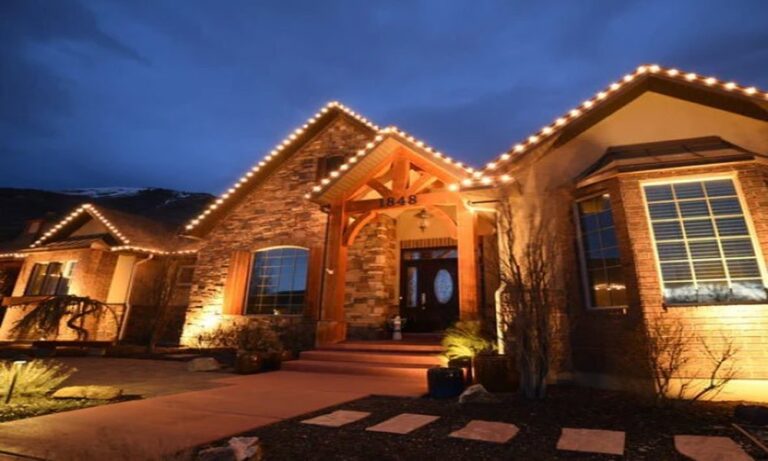
You should pick the best outdoor permanent lights for quality. These systems stay on the house all year. The lights hide under the roof during the day. Sometimes you might forget they are even there. But they shine very bright when night falls. Utah Holiday Lighting installs these high-quality systems for families. These bulbs use very little power to run.

The Mental Benefits of Constant Celebration

Light helps to fight the cold winter blues. The brain loves to see warm golden colors. Now you can set a festive mood easily. Sometimes a simple glow creates a calm peace. You will feel a strong sense of safety. The house looks warm and very welcoming now. Utah Holiday Lighting understands how light affects your mind. They design patterns that make people feel special.

Creating Traditions Through Smart Technology

You can control everything from a small phone app. Now changing colors is a very simple task. You might pick red for a romantic night. The lights can turn green for a party. Utah Holiday Lighting makes this technology easy to use. But the beauty is more than just colors. It builds a bridge to your happy memories. You remember the fun times with your family. These lights create a sense of true belonging. Now every evening feels like a grand celebration. You do not have to wait for December.

Why Quality Professional Installation Matters

A professional team ensures that everything works perfectly. The wires stay hidden from the wind and rain. Utah Holiday Lighting offers a very clean look always. Sometimes DIY projects can become very messy and hard. But experts handle the work with great care. You get a system that lasts for decades. The materials are strong and hold up well.

A Bright Future for Your Home

Year-round lighting is a smart and healthy choice. You deserve to live in a bright space. The glow will guide you home every night. Utah Holiday Lighting brings this vision to your front door. Now you can celebrate life every single day. The investment pays off through happiness and safety. You will love how the house looks at sunset. But the best part is the inner peace. Your home becomes a beacon of light and joy.

Safety is usually the priority when it comes to protecting homes. But today’s homeowners aren’t satisfied with a product that simply works — they want something that looks good, too. At the city of Epping in particular the demand for good looking but tough material to use as replacements is increasing from security doors Epping and roller shutters Epping. It’s so much better now with all things that function, you can get it. Everyone will be able to take a look at their home if we do, there would be massive differences. 

Today’s homeowners have a range of products at their fingertips from security doors designed to match the home’s look through to modern roller shutters which deliver both protection and style.

The Evolution of Security Doors

Security doors don’t need to be overly heavy and literally ironclad, obscuring views of your front entryway. Contemporary designs are neat and elegant, designed to fit in with many architectural styles.

Customised Designs

  • Available in colours, finishes, and mesh types to work with your outdoor style.
  • Frames are powder-coated and decorative mesh is permanent.
  • Simple, minimalist designs make for a low-key door that fits well with modern homes.

Safety That Won’t Sacrifice Style

There are certainly style issues, but security is the true motivation. Today’s doors are built with:

  • Heavy-duty steel or aluminium frames.
  • Reinforced hinges and premium locks.
  • Mesh options that let air in but keep intruders out.

Opt for security doors tailored to match your home’s aesthetic to give you the peace of mind without having to make a compromise on kerb appeal.

Roller Shutters: Practical and Stylish

Shutters have long been a window means of providing insulation and security, but today they give as much style as function. Homeowners are learning that roller shutters Epping can enhance comfort and the exterior design.

Colour and Finish Options

  • Neutral tones for a more discreet, timeless appearance.
  • Striking colours to stand out in.
  • Textured finishes to match a variety of wall surfaces.

Seamless Integration

Shutters can roll neatly into small headboxes, allowing them to be discreet and modern looking. While your home may be more modern or traditional, you can bet that the modern roller shutters are not only providing protection but also looking fantastic while they do so on your home.

Security Doors vs Roller Shutters

Each product serves to make the home more secure and also delivers specific aesthetic benefits.

Feature Security Doors Roller Shutters
Primary Function Protect entry points Secure windows and doors
Design Choices Mesh, patterns, multiple colours Wide colour range, sleek design
Visibility Allows airflow and visibility Blocks view for privacy
Street Appeal Adds character to entrances Clean, uniform exterior look

In Epping, many homeowners opt for a combination — an ornate security door at the entry area and shutters on windows or other doorways.

Style Meets Practical Benefits

But more than just a look, there are also additional features that make these worth the wear:

  • Energy Efficiency: Shutters reduce heating and cooling expenses
  • Noise reduction: Both products contribute to quieter indoor environments
  • First impressions: A beautifully crafted door lifts your kerb appeal
  • Perfect size: Made for precise sizing to fit your home

Final Thoughts

Homeowners no longer have to sacrifice safety for design. With security gates that complement your homes’ look and modern roller shutters to keep out unwanted visitors while truly looking the part.

For homeowners in Epping, expenditure on such choices is an investment in a home that is not only sturdy and sleek with no sacrifices — but they’re also energy efficient. It also brings long-term value to the property in the event that you move or sell, making it a good investment, as well as an improvement to your lifestyle.

The Sydney property market is changing fast and so too are the homes being created. Buyers today demand more than enclosed dwellings inside of four walls — they want environmentalism, modern comfort, and inventive design. This demand is driving forward new home builders in Sydney to be innovative and build for the lifestyle of tomorrow.

Smart Home at Your Fingertips

The biggest change in recent years has been the increase of smart home integration. From automatic lights and climate controls, to state-of-the-art security systems — these features can make everyday living more enjoyable, safe, secure, and efficient. Voice-controlled assistants and app-based systems means that home owners have full control of their atmospheric environment.

As we move towards the next decade, forward thinking builders are baking future-proofing into our homes now by providing cutting-edge systems as standard rather than optional extras. This office space, a perk that is quickly becoming the must-have for Sydney buyers.

Building with Sustainability in Mind

Sustainability is no longer hocus-pocus, it’s all the rage in home design today. Buyers already are searching for ways to cut energy costs and minimise their carbon footprint. Most of the features offered by the best home builders in Sydney, such as:

  • Solar power and energy-efficient appliances.
  • Rainwater harvesting and water-saving fixtures.
  • Green building materials have little impact on the environment.

Not only do these technological advances save the planet but also your money in the long run, ensuring that living green is both responsible and beneficial.

Flexible and Functional Spaces

Contemporary living demands a residence that adjusts to life’s needs. Now everyone wants open-plan designs, multi-functional rooms, and an inside-outside flow.

When buyers collaborate with new home builders in Sydney focused on innovation, you get flexible design solutions. Whether it’s a home office, a teenager’s retreat, or guest suite for extended family, adaptability means the house grows with its inhabitants.

Luxury Meets Everyday Living

It’s true that luxury in today’s homes has more to do with what you can’t see. It is about combining elegance and utility. Buyers are now looking for:

  • Chef-inspired kitchens with high-performance appliances.
  • Bathrooms that are spa style, calming, and comfortable.
  • Outdoor entertaining spaces to complement Sydney’s lifestyle.

The best home builders in Sydney appreciate that it’s individual indulgent details like these that shape a house into an investment in the lifestyle you want to live every day.

Smarter Construction Methods

Innovation goes beyond design to construction. In the exact same way that builders can manufacture vehicles, or essentially manufacture anything, faster, and of higher quality than when building by hand, so they’re doing it with homes.

That translates into faster build times, fewer construction and homes built to the highest level of durability and performance. And for buyers, that efficiency brings value as it keeps going safely and unobtrusively.

Community-Centred Living

Many new Sydney developments are in search of belonging. Green space, walking trails, and communal facilities are now regular inclusions in new estates. With these amenities residents are able to have privacy but also connect. They help curbing the spread of good with an activate life and socialising outdoors. It’s a space that families can let their kids out and play in. Just as well, both professionals, and retirees alike value that with these designs come the ease of convenience, community, and modern living.

Final Thoughts

Innovation is re-shaping Sydney’s housing market, from project planning right through to construction. Today’s buyers want homes that are comfortable, sustainable, and flexible — all without compromise.

Consumers can more easily act in a way that serves them and their financial interest, and make choices by being able to contrast the offerings of Sydney’s best home builders. There are, for those who lift their eyes to the future, even some new home builders in Sydney doing things a little better when it comes to innovation and delivering homes that offer luxury but long-term value and sustainability.