
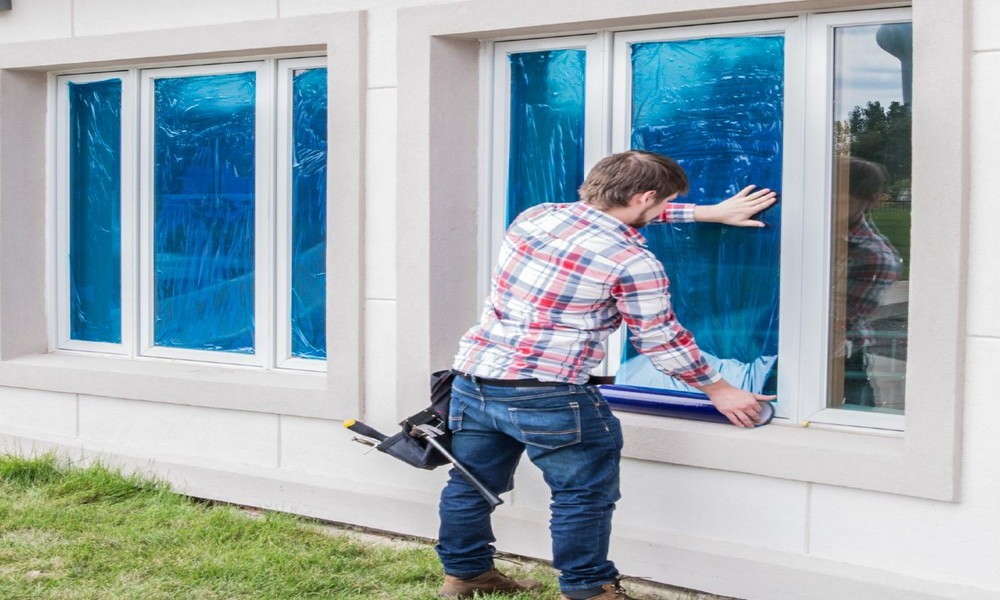
Post-construction cleaning is often one of the most underestimated costs in renovation projects. Dust, paint splashes, adhesive residues, and surface scratches can quickly turn a newly renovated space into a time-consuming cleanup challenge.
Fortunately, temporary surface protection films offer a practical and cost-effective solution to minimize these issues before they even occur.
What Are Temporary Protection Films?
Temporary protection films are self-adhesive or static-cling materials applied to surfaces such as floors, windows, countertops, cabinets, and doors during construction or remodeling. Designed for easy application and clean removal, these films act as a barrier against dirt, debris, moisture, and mechanical damage.
Unlike traditional protective materials like cardboard or plastic sheets, modern films are engineered to stay in place, resist tearing, and leave no residue behind-making them highly efficient for both contractors and homeowners.
Reducing Dust and Debris Accumulation
Dust is one of the biggest contributors to post-construction cleaning costs. Fine particles from sanding, cutting, and drilling can settle into every corner of a home, including hard-to-reach areas.
Temporary films significantly reduce dust accumulation by sealing off surfaces. Floors, for example, can be fully covered, preventing dust from embedding into grout lines, wood grains, or carpet fibers. Glass surface protective films also prevent airborne particles from sticking to glass, reducing the need for intensive scrubbing later.
By minimizing dust penetration, cleaning becomes faster and less labor-intensive, directly lowering overall costs.
Preventing Surface Damage and Rework
One of the most expensive consequences of poor protection is surface damage. Scratches on hardwood floors, paint stains on tiles, or adhesive marks on countertops often require repairs or even replacements.
Temporary films create a protective layer that absorbs impacts and prevents direct contact with tools, equipment, and construction materials. This reduces the risk of:
- Scratches and abrasions
- Paint spills and chemical stains
- Tool-related dents and marks
Avoiding these damages eliminates costly rework and ensures that newly installed surfaces remain in pristine condition.
Eliminating Residue and Simplifying Cleanup
Traditional protective methods often introduce new problems. Tape can leave sticky residues, and loose coverings may shift, exposing surfaces or trapping dirt underneath.
High-quality temporary films are designed with controlled adhesion technology. They stay firmly in place during construction but can be peeled off cleanly without leaving glue marks or damaging finishes.
This means:
- No need for chemical cleaning agents to remove adhesive residue
- Reduced risk of surface discoloration
- Faster cleanup with minimal effort
In many cases, once the film is removed, the surface underneath is already clean and ready for use.
Saving Labor Time and Cleaning Costs
Labor is a major component of post-construction cleaning expenses. The more contamination and damage present, the longer it takes to clean.
By using temporary films:
- Cleaning crews spend less time scrubbing and polishing
- Fewer specialized cleaning products are required
- The overall project timeline is shortened
For contractors, this leads to higher efficiency and lower overall costs. For homeowners, it means reduced cleaning bills and faster move-in readiness.
Enhancing Overall Project Efficiency
Beyond cost savings, temporary protection films contribute to smoother project management. They help maintain organization on-site, protect high-value finishes, and reduce the risk of disputes over damage.
Additionally, they support a more professional workflow by ensuring that each phase of construction does not negatively impact completed work.
Conclusion
Temporary surface protection films are a small investment that delivers significant returns. By preventing dust accumulation, avoiding surface damage, eliminating residue, and reducing labor time, they play a crucial role in lowering post-construction cleaning costs.
For any renovation project-whether residential or commercial-proactive protection is far more economical than reactive cleaning. Temporary films provide a simple, effective way to keep surfaces clean, intact, and ready for immediate use once construction is complete.

Comments are closed.