Category

Home improvement

Category

Every day, the vast majority of people come & go from their garage door without even a second thought. It helps open, close, and normalised the household routine. However, also hiding behind that convenience is an imperative safety feature that most homeowners forget to review − the auto-reverse sensor.

This rudimentary setup is key in preventing lights out and thus injuries to children, pets, and even cars. It doesn’t help to have a driveway full of broken safety sensors: if a sensor malfunction, your garage door could effectively close right down on whatever is underneath.

Hence, this is why testing and getting on time garage door repairs are essential for the safety of your family.

What is an Auto-Reverse Sensor?

An auto-reverse sensor detects any object in the path of the garage door, does not allow the garage owner to close the door completely.

The majority of garage doors opened today have photo-eye sensors at the bottom of the door tracks. These sensors designed an invisible beam the entire width of the garage opening.

The system should reverse direction immediately if a child, pet, bicycle, or other object breaks the beam of the closing door.

The absence of a working sensor may mean that the door will keep closing with harmful speed.

The Importance of Testing Every 3 Months

Garage doors systems are always moving, vibrating, building up dust, and exposed to the elements.

  • Misaligned
  • Dirty
  • Damaged
  • Loose
  • Electrically faulty

This was clear since even small issues were able to stop the working of the entire system properly.

Each sensor is tested once every three months to prevent major safety products from occurring due to faulty sensors.

Most of the homeowners find the faults when the door stops working suddenly and needs a swift garage door repairs.

Children and Pets are the Major Risks

Garage environments are often not well-suited for young children and pets who want to roam.

A child rushing under a closing door or a pet lying before the entrance might not be aware of the threat.

The auto-reverse function is an important secondary safety system in these cases.

Of course, safety features can only be useful when they’re regularly maintained and tested.

Ignoring faulty sensors might put other family members in unnecessary danger.

Testing Your Garage Door Sensor

It is quite easy and takes less than a few minutes to test the auto-reverse system.

Step 1: The Photo-Eye Sensors

When the door closes, put an object (for example, a box or broom) in the sensor beam.

The door will immediately stop and reverse.

If it continues to close up, you may require the services of professional garage door repairs.

Step 2: Test Pressure Sensitivity

Put solid object (timber block, etc) under the garage door.

Automatically reverse direction when the door touches the object.

Having the door press shut without reversal is an unsafe function of the system.

Signs That Your Sensors are About to Go Ready for War

Common signs of sensor problems include:

  • Garage door reversing randomly
  • Door refusing to close fully
  • Flashing opener lights
  • Slow door movement
  • Inconsistent sensor response

Such problems must not be overlooked.

Garage door repairs can detect the defective sensors, bad wiring, or alignment problems even before it becomes hazardous.

Final Thoughts

One of the most important safety features in any house is garage door auto-reverse sensors. However, a lot of homeowners neglect to test them until something goes wrong.

Scanning your system at least once every three months protects children, pets, cars, and property from what has been determined preventable accidents.

If you detect any problems, professional garage door repairs in Melbourne can return your garage door to a safe and reliable state of operation before a smaller issue turns into a serious safety risk.

Every facility manager dreads the moment when a sectional door grinds to a halt in the middle of a busy day. Lost productivity, safety hazards, and expensive emergency callouts can all be traced back to preventable issues. Yet, many businesses still treat sectional door maintenance as an afterthought, only calling for help when failure is unavoidable.

The Cost and Consequences of Emergency Sectional Door Repairs

Unplanned sectional door breakdowns bring costs that span well beyond the immediate repair invoice.

Financial Impact of Unexpected Repairs

Emergency repairs often come at a premium, with after-hours service charges and expedited parts delivery quickly inflating bills. Even a single urgent fix can match the annual cost of regular maintenance.

Operational Disruptions and Safety Risks

When a sectional door fails, entire workflows stall. Deliveries get delayed, vehicles are stranded, and staff may be tempted to bypass standard safety practices. In warehouses or busy loading docks, a malfunctioning door can expose workers to injury and property to theft or weather damage.

Comparing Emergency vs. Scheduled Repair Outcomes

Scheduled maintenance spreads costs predictably, minimizes downtime, and ensures parts are replaced before they fail. In contrast, emergency repairs are reactive, stress-inducing, and often lead to higher long-term expenses.

| Type of Repair | Average Cost | Downtime (hrs) | Safety Risk | Predictability |

|———————|————–|—————-|————-|—————|

| Scheduled | Low-Medium | 1-2 | Low | High |

| Emergency | High | 4+ | Medium-High | Low |

Routine Preventive Maintenance vs. Reactive Repairs

Relying solely on reactive repairs is a recipe for disruption. Proactive maintenance, on the other hand, uncovers small issues before they spiral.

Benefits of Scheduled Inspections and Tune-Ups

Regular inspections keep doors running smoothly and safely. Trained technicians spot fraying cables, worn rollers, and misaligned tracks that often go unnoticed until major failure. Scheduled lubrication, tension adjustments, and safety sensor tests ensure longevity and reliability.

Common Signs Detected Early Through Maintenance

– Unusual noises during operation (grinding, squeaking)

– Door movement that is jerky or uneven

– Visible wear on springs, cables, or rollers

– Delayed response from openers or safety systems

Catching these early can prevent shutdowns and injuries.

Case Studies: Reduced Emergency Calls with Preventive Care

Facilities that adopted scheduled inspections saw a marked drop in emergency interventions. For example, one Montreal logistics hub reported a 70% reduction in urgent repair calls after instituting quarterly maintenance checks.

Techniques and Tools for Preventive Inspection

Preventive maintenance is more than a quick visual once-over.

Visual and Mechanical Diagnostic Methods

Technicians rely on visual inspections to spot wear and mechanical tests to check spring tension and force limits. Listening for abnormal sounds and feeling for resistance during manual operation can reveal deeper issues.

Role of Technology: Sensors and Automated Alerts

Modern monitoring systems use sensors to detect excess vibration, cycle counts, and temperature anomalies. Automated alerts prompt managers to call for service before a breakdown occurs.

Comparing Manual Checks with Advanced Monitoring Systems

Manual checks catch obvious signs, but technology provides continuous monitoring and early warnings. Combining both approaches yields the most comprehensive protection.

Component-Specific Preventive Strategies

Each part of a sectional door requires targeted attention.

Springs and Cables: Lifespan and Early Warning Signs

Springs have a finite cycle life. Over time, small cracks or stretches foreshadow failure. Regularly checking for these changes and replacing springs preemptively avoids sudden breakdowns.

Tracks and Rollers: Cleaning, Lubrication, and Alignment

Tracks clogged with debris or misaligned rollers create drag, leading to motor strain and uneven door movement. Scheduled cleaning and lubrication ensure smooth operation.

Motor and Opener Maintenance Practices

Dust buildup inside opener housings and misaligned safety sensors are common culprits. Clearing obstructions and recalibrating sensors keep automation reliable and safe.

Professional Service Agreements vs. DIY Maintenance

Many businesses debate between hiring professionals and relying on in-house staff.

Advantages of Hiring Certified Technicians

Certified technicians bring experience across all door models and brands. They use specialized tools to diagnose subtle issues and have access to proprietary parts that may not be available to the public.

Risks and Limitations of DIY Approaches

DIY repairs may miss critical safety tests, leading to incomplete fixes. Mistakes can void warranties and expose staff to injury.

Cost-Benefit Comparison of Service Contracts

While service contracts carry a recurring cost, they guarantee rapid response, priority scheduling, and peace of mind. In most cases, the investment offsets the savings lost to emergency disruptions.

Emergency Repair Readiness: When Prevention Isn’t Enough

No system is foolproof. Being ready for the unexpected is as important as prevention itself.

How to Set Up a Rapid Response Plan

Maintain a log of door specifications and service history. Train staff on manual overrides and ensure emergency contacts are accessible.

Choosing Reliable 24/7 Repair Services

Partnering with a reputable provider with guaranteed response times is critical. Companies like réparation de porte sectionnelle Dor Docteur are valued for transparent pricing, qualified technicians, and true round-the-clock service.

Balancing Prevention with Emergency Preparedness

A robust plan combines regular preventive care, technology-enabled monitoring, and reliable emergency backup. This layered approach minimizes risk and delivers operational continuity.

Environmental and Usage Factors Influencing Door Wear

Sectional doors in harsh climates or high-traffic facilities demand extra vigilance.

Impact of Weather Conditions and Location

Extreme cold can stiffen lubricants, while humidity encourages rust. Regular adjustments based on seasonal changes are crucial.

High-Traffic vs. Low-Traffic Operational Considerations

Doors that cycle hundreds of times a day require more frequent inspections and earlier replacement of moving parts.

Customizing Preventive Steps Based on Use Case

Tailoring schedules and inspection points to your specific operating environment maximizes lifespan and reduces breakdowns.

Long-Term Investment: Upgrading for Durability and Reduced Emergencies

The best long-term preventive measure may be a strategic upgrade.

New Materials and Technologies in Sectional Doors

Modern doors feature corrosion-resistant hardware, energy-efficient insulation, and smart openers with predictive diagnostics.

Retrofitting and Modernizing Existing Systems

Retrofitting older doors with upgraded rollers, springs, or sensors can dramatically cut emergency incidents.

Comparing Initial Costs with Long-Term Savings

Upfront investment in quality materials and professional maintenance pays off in reduced repairs, fewer emergencies, and uninterrupted operations over the door’s lifespan.

Predictable, proactive care is the best insurance against the chaos of emergency sectional door repairs. With the right combination of scheduled maintenance, targeted upgrades, and reliable partners, you can keep your doors, and your business, moving smoothly.

If your garage lights have started flickering, dimming unexpectedly, buzzing, or failing altogether, the problem may be much deeper than a burned-out bulb. In many Austin, Texas homes, garages are one of the first places where electrical issues begin to show themselves. Because garages experience heat, dust, humidity changes, vibration, and heavy electrical usage, they often become an early warning system for larger electrical problems throughout the home.

Many homeowners searching for a Trusted Electrician In Austin, TX are surprised to learn that garage lighting problems can reveal overloaded circuits, deteriorating wiring, moisture intrusion, and even dangerous connection failures hidden behind walls. What looks like a simple lighting issue can quickly turn into a safety concern if ignored for too long.

In Austin, where temperatures regularly climb and garages are used for everything from workshops to home gyms and EV charging stations, lighting systems work harder than many people realize. Understanding why garage lights fail can help homeowners catch electrical problems early before they spread to the rest of the property.

Why Garages Often Reveal Electrical Problems First

Garages are unique spaces. Unlike climate-controlled living rooms or bedrooms, garages face constant environmental stress. In Austin homes, garages experience extreme summer heat, occasional moisture issues during storms, and fluctuating temperatures that can accelerate wear on electrical components.

Most garages also support heavier electrical demands than they did decades ago. Today’s garages may power:

  • Refrigerators or freezers
  • Power tools
  • Air compressors
  • EV chargers
  • Home gym equipment
  • Additional refrigerators
  • Workshop lighting
  • Smart home systems

Older garage electrical systems were rarely designed for modern electrical loads. As a result, lighting fixtures and circuits often begin showing warning signs before major electrical failures occur elsewhere in the home.

This is one reason many homeowners contact a Trusted Electrician In Austin, TX after noticing repeated garage lighting problems that never seem to fully go away.

Failing Ballasts and LED Drivers

One of the most common causes of garage lighting failure involves failing ballasts or LED drivers.

Older garages throughout Austin still use fluorescent tube fixtures. These fixtures rely on ballasts to regulate electrical current. Over time, ballasts wear out due to age, heat exposure, and voltage fluctuations.

Signs of a failing ballast may include:

  • Lights flickering repeatedly
  • Delayed startup
  • Buzzing or humming sounds
  • Dim lighting
  • Blackened tube ends
  • Random shutoffs

Austin’s summer temperatures can dramatically shorten ballast lifespan, especially in garages with poor ventilation. Excessive heat causes internal electrical components to degrade much faster.

Newer LED fixtures use drivers instead of ballasts. While LEDs are more energy efficient, their drivers can still fail when exposed to excessive heat or poor installation conditions. Cheap LED fixtures are especially vulnerable to early driver failure.

Many homeowners attempt to replace bulbs without realizing the actual issue lies deeper within the fixture itself.

A Trusted Electrician In Austin, Texas can properly diagnose whether the issue involves the bulbs, ballast, driver, wiring, or circuit itself rather than simply replacing parts that may not solve the root problem.

Overheating Garage Fixtures

Heat is one of the biggest enemies of electrical systems in Texas garages.

Garages in Austin can easily exceed 110 degrees during the summer. That extreme heat builds up inside lighting fixtures, junction boxes, and electrical connections. Over time, overheating can cause:

  • Brittle wire insulation
  • Melted fixture components
  • Loose electrical terminals
  • Premature bulb failure
  • Burned wiring
  • Circuit damage

Many homeowners unknowingly install lighting fixtures that are not rated for garage conditions. Enclosed fixtures without proper ventilation can trap heat and accelerate component failure.

Another issue involves insulation contact. Some recessed garage fixtures are improperly surrounded by insulation, preventing heat from escaping safely.

In severe cases, overheating fixtures can become fire hazards.

This is why homeowners often contact a Trusted Electrician In Austin, TX after noticing burning smells, discolored fixtures, or lights that suddenly stop working during hot weather.

Loose Wiring Connections Behind Garage Lights

Loose electrical connections are extremely common in garages, especially in older Austin homes.

Garages experience more vibration than most other rooms in a house. Opening and closing garage doors creates repeated vibration over the years, which can gradually loosen wire connections inside fixtures, switches, outlets, and junction boxes.

Loose wiring can cause:

  • Intermittent flickering
  • Arcing
  • Sparking
  • Hot switches
  • Random power loss
  • Tripping breakers
  • Electrical buzzing sounds

What makes loose wiring dangerous is that it often worsens slowly over time. Many homeowners ignore occasional flickering for months or even years before the issue becomes severe.

In some cases, loose connections can create enough resistance to generate dangerous heat inside walls.

Garage lighting issues sometimes reveal older aluminum wiring problems as well. Homes built decades ago may contain wiring methods or splice connections that no longer perform safely under modern electrical loads.

A properly trained Trusted Electrician In Austin, TX can inspect these hidden connections safely and identify whether the issue is isolated or part of a larger electrical concern throughout the home.

Moisture Intrusion and Corrosion

Although garages seem dry most of the time, moisture intrusion is surprisingly common in Austin-area homes.

Humidity, rainwater intrusion, slab moisture, and condensation can all affect garage electrical systems. This is especially true for garages with poor insulation or damaged weather seals.

Moisture can slowly corrode:

  • Fixture contacts
  • Wire terminals
  • Junction boxes
  • Switches
  • GFCI outlets
  • Breaker connections

Corrosion increases electrical resistance, which leads to overheating, flickering, and eventual component failure.

Homeowners sometimes notice rust-colored staining near fixtures or experience lights that work inconsistently after heavy rainstorms.

Garages attached to homes with HVAC duct leakage may also experience hidden condensation problems that slowly damage electrical systems over time.

Moisture-related electrical issues should never be ignored because water and electricity create serious safety hazards.

This is another reason homeowners often rely on a Trusted Electrician In Austin, TX when recurring garage lighting problems seem tied to weather or humidity changes.

Overloaded Garage Circuits

Modern garages use far more electricity than they were originally designed to handle.

In many older Austin homes, garages may only have a single 15-amp or 20-amp circuit serving:

  • Lighting
  • Garage door openers
  • Wall outlets
  • Refrigerators
  • Outdoor outlets

Once homeowners add power tools, freezers, EV chargers, compressors, or workout equipment, those circuits can become overloaded quickly.

Overloaded circuits commonly cause:

  • Dimming lights
  • Flickering fixtures
  • Frequent breaker trips
  • Warm outlets
  • Reduced fixture lifespan

Sometimes garage lights dim every time a refrigerator compressor or garage door motor starts. This may indicate excessive voltage drop caused by overloaded wiring.

Unfortunately, repeatedly resetting breakers does not solve the underlying problem.

A licensed electrician can determine whether the garage requires:

  • Dedicated circuits
  • Panel upgrades
  • Subpanel installations
  • Circuit redistribution
  • Wiring upgrades

Many homeowners searching for a Trusted Electrician In Austin, TX discover their lighting issue is actually part of a larger electrical capacity problem affecting the home.

Problems During Fluorescent-to-LED Conversions

One growing issue throughout Austin involves improper fluorescent-to-LED conversions.

Many homeowners attempt DIY upgrades to modern LED garage lighting without understanding how the wiring systems differ. Some LED retrofit tubes require ballast bypass rewiring, while others are plug-and-play compatible.

Incorrect conversions can create:

  • Flickering LEDs
  • Shortened bulb lifespan
  • Fire hazards
  • Fixture overheating
  • Electrical code violations
  • Partial fixture failure

Improperly bypassed ballasts are especially dangerous when wiring connections are not completed correctly.

Additionally, some older garage fixtures simply are not compatible with certain LED retrofits. Cheap retrofit kits may also struggle in high-heat garage environments.

While LED upgrades can dramatically improve garage brightness and energy efficiency, proper installation matters.

A Trusted Electrician In Austin, TX can help homeowners select fixtures designed specifically for Texas garage conditions while ensuring all wiring remains safe and code compliant.

Should Homeowners Attempt Garage Lighting Repairs Themselves?

Many homeowners are comfortable replacing light bulbs, swapping simple fixtures, or installing basic LED upgrades. However, diagnosing electrical failures becomes much more complicated once wiring, overheating, or circuit problems are involved.

DIY electrical work may seem straightforward online, but garage electrical systems can hide serious hazards behind walls and ceilings.

Homeowners should generally avoid DIY electrical repairs when dealing with:

  • Flickering that continues after bulb replacement
  • Burn smells
  • Tripping breakers
  • Aluminum wiring
  • Moisture exposure
  • Melted fixtures
  • Overloaded circuits
  • Ballast bypass rewiring
  • Hot switches or outlets
  • Unknown wiring conditions

Texas electrical codes exist for safety reasons, and improperly completed electrical work can create fire risks or insurance complications later.

In Austin, licensed electricians are trained to safely troubleshoot hidden electrical faults, test circuits correctly, and ensure repairs meet local code requirements.

For simple cosmetic fixture swaps, experienced homeowners may handle the work safely if power is properly disconnected and wiring conditions are straightforward. But when recurring lighting problems continue appearing, it is usually best to contact Texas licensed electricians Austin homeowners trust.

Garage Lighting Problems Should Never Be Ignored

Garage lighting issues are rarely just about lighting alone. In many Austin homes, they serve as early warning signs of larger electrical concerns developing behind the scenes.

Flickering fixtures, failing LEDs, buzzing fluorescent lights, overheating housings, and dimming circuits often point toward aging infrastructure, overloaded electrical systems, loose wiring, or moisture-related damage.

Addressing these problems early can help homeowners avoid more expensive repairs later while improving safety throughout the property.

Whether the issue involves outdated fluorescent fixtures, overloaded garage circuits, hidden wiring damage, or failed LED conversions, working with a Trusted Electrician In Austin, TX can help identify the true source of the problem before it spreads to the rest of the home.

In a city like Austin, where garages serve as workshops, storage spaces, fitness rooms, and charging stations all at once, electrical systems deserve more attention than many homeowners realize. When garage lights begin failing repeatedly, the smartest approach is often to treat it as an opportunity to uncover deeper electrical issues before they become dangerous.

Your artwork or printed photo can be spoiled on a sagging or warped canvas. It may look loose, uneven, or a little bent over time. This is particularly the case in humid weather (the dreaded mouldy Adidas!) or after extended use. The basic reason is bad position of your back and the good news is this can be treated at home without any cost.

No matter if the canvas is assembled in a piece of decorative wall art or hanging photo frames on your wall, getting it back into shape is easier than you think.

Why Do Canvases Sag or Warp?

Understanding the cause helps fix the issue faster. Most canvas problems arise because of temperature, moisture, or tension changes.

Common reasons include:

  • Humidity relaxes the fabric
  • Poor initial canvas stretching
  • Old wooden frames that bent or warped
  • Improper storage or handling

After you know what the source is, you can select the correct repair.

Straightforward Methods to Maintain a Loose Canvas

Fog the Back: Lightly Sprays Water

One of easiest methods is this one.

  • Turn the canvas over
  • Dampen the back lightly in a spray bottle
  • Let it dry naturally

The fabric shrinks as it dries. This does well for mild sagging.

Do not soak the canvas. Excess water will ruin the painting.

Adjust the Canvas Keys

Small wooden wedges (called keys) are included and are the most common way to stretch a canvas.

  • Check the corners of the frame
  • Using a hammer so small, you hit the keys deeper
  • This adds a bit of the surface around the canvas and then compresses the canvas

If your canvas has been relaxed for a long time, this technique is perfect.

Apply Heat Carefully

Heat will tighten the canvas fibres:

  • Use a hairdryer on low heat
  • Keep it a couple of inches back from the rear
  • Sweep it across the surface relatively evenly

This approach is quick enough but needs to be done carefully to avoid causing harm.

Fixing a Warped Canvas Frame

In some cases, it’s not the fabric but the frame.

Signs of Warping:

  • Canvas does not lie flat to the wall
  • Corners look uneven
  • Frame feels twisted

What You Can Do:

  • Lay your canvas flat
  • Hold it and press softly to make it straighten
  • If required, corner brace the back

If the frame is all bent up, then replacing it may be the ticket.

When to Consider Professional Help?

If your work is precious or extremely fragile, DIY fixes are probably best avoided.

The professional services performed on canvas stretching can:

  • Restore proper tension
  • Replace damaged frames
  • Preserve the artwork safely

This is particularly helpful for larger pieces or gallery-quality prints.

Preventing Future Sagging

This is only half the job. Fixing the canvas. Equally as important it not to allow that to happen again.

Here are a few simple tips:

  • Avoid putting canvases near humid places
  • Stay out of direct sunlight and away from heat
  • Keep art standing in a dry area
  • Canvas stretching to go for quality

If you hang the art in picture frames, the frames must also be properly mountable, and the art must not be subject to stresses the environment itself.

Final Thoughts

A canvas that appears to be sagging or twisted is a serious issue, but it’s actually one of the easiest fixes. Using some simple techniques, you can restore your artwork and enhance its looks.

Even a bit of water sprinkling to proper stretching of canvas can be big beneficiary steps. Plus, as a bonus, they will keep your painting neat, tight, and looking awesome with well-maintained hanging photo frames for years.

Post-construction cleaning is often one of the most underestimated costs in renovation projects. Dust, paint splashes, adhesive residues, and surface scratches can quickly turn a newly renovated space into a time-consuming cleanup challenge.

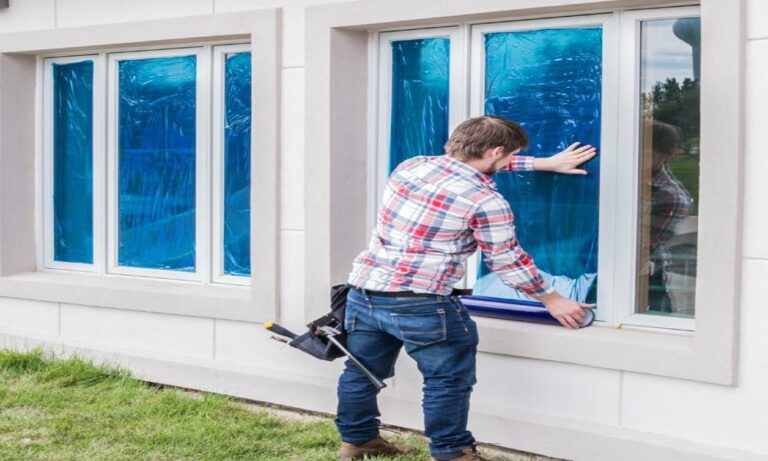
Fortunately, temporary surface protection films offer a practical and cost-effective solution to minimize these issues before they even occur.

What Are Temporary Protection Films?

Temporary protection films are self-adhesive or static-cling materials applied to surfaces such as floors, windows, countertops, cabinets, and doors during construction or remodeling. Designed for easy application and clean removal, these films act as a barrier against dirt, debris, moisture, and mechanical damage.

Unlike traditional protective materials like cardboard or plastic sheets, modern films are engineered to stay in place, resist tearing, and leave no residue behind-making them highly efficient for both contractors and homeowners.

Reducing Dust and Debris Accumulation

Dust is one of the biggest contributors to post-construction cleaning costs. Fine particles from sanding, cutting, and drilling can settle into every corner of a home, including hard-to-reach areas.

Temporary films significantly reduce dust accumulation by sealing off surfaces. Floors, for example, can be fully covered, preventing dust from embedding into grout lines, wood grains, or carpet fibers. Glass surface protective films also prevent airborne particles from sticking to glass, reducing the need for intensive scrubbing later.

By minimizing dust penetration, cleaning becomes faster and less labor-intensive, directly lowering overall costs.

Preventing Surface Damage and Rework

One of the most expensive consequences of poor protection is surface damage. Scratches on hardwood floors, paint stains on tiles, or adhesive marks on countertops often require repairs or even replacements.

Temporary films create a protective layer that absorbs impacts and prevents direct contact with tools, equipment, and construction materials. This reduces the risk of:

  • Scratches and abrasions
  • Paint spills and chemical stains
  • Tool-related dents and marks

Avoiding these damages eliminates costly rework and ensures that newly installed surfaces remain in pristine condition.

Eliminating Residue and Simplifying Cleanup

Traditional protective methods often introduce new problems. Tape can leave sticky residues, and loose coverings may shift, exposing surfaces or trapping dirt underneath.

High-quality temporary films are designed with controlled adhesion technology. They stay firmly in place during construction but can be peeled off cleanly without leaving glue marks or damaging finishes.

This means:

  • No need for chemical cleaning agents to remove adhesive residue
  • Reduced risk of surface discoloration
  • Faster cleanup with minimal effort

In many cases, once the film is removed, the surface underneath is already clean and ready for use.

Saving Labor Time and Cleaning Costs

Labor is a major component of post-construction cleaning expenses. The more contamination and damage present, the longer it takes to clean.

By using temporary films:

  • Cleaning crews spend less time scrubbing and polishing
  • Fewer specialized cleaning products are required
  • The overall project timeline is shortened

For contractors, this leads to higher efficiency and lower overall costs. For homeowners, it means reduced cleaning bills and faster move-in readiness.

Enhancing Overall Project Efficiency

Beyond cost savings, temporary protection films contribute to smoother project management. They help maintain organization on-site, protect high-value finishes, and reduce the risk of disputes over damage.

Additionally, they support a more professional workflow by ensuring that each phase of construction does not negatively impact completed work.

Conclusion

Temporary surface protection films are a small investment that delivers significant returns. By preventing dust accumulation, avoiding surface damage, eliminating residue, and reducing labor time, they play a crucial role in lowering post-construction cleaning costs.

For any renovation project-whether residential or commercial-proactive protection is far more economical than reactive cleaning. Temporary films provide a simple, effective way to keep surfaces clean, intact, and ready for immediate use once construction is complete.

Roller shutters are durable, but smaller accessories like the strap will eventually wear out. Smooth manual operation relies on the strap. And when it begins to fail, it can impact the whole system.

If you use your shutters every day, it would do you best to know when strap replacement is needed before bigger issues arise. Most of the homeowners seek roller shutter repair in Adelaide services as soon as they start facing problems.

Let’s go over the main indicators and timing to change your roller shutter strap.

Roller Shutter Strap: What Is That?

It is a strap that enables you to open and close manual roller shutters. This links the control mechanism to the shutter drum.

Whenever the shutters are opened, the strap is subjected to tension and friction. This causes wear and tear over time.

However, even the best roller shutters in Adelaide need strap replacements at some point. It’s part of regular maintenance.

Signs Your Strap Needs Replacement

Ignoring the early signs can lead to losing everything. Look out for these warning signs

Fraying or Visible Wear

When the strap appears worn, thin or frayed, it also is about to break. And that is one of the clearest signals.

Difficulty in Operation

If it feels more difficult than usual to lift or lower the shutter, it could be that the strap is stretching.

Unusual Sounds

Straps or internal issues will cause some squeaking, grinding noises in use.

Strap Slipping or Loosening

A loose strap might not grip well, and operation could be unreliable.

In that case, the best approach is to call a roller shutter repair professional.

How Often to Replace the Strap?

There is not a set duration, but most last for several years depending on use.

You might need to replace them sooner if:

  • The shutters are deployed several times a day
  • It’s not exposed to sunlight or moisture
  • Poor-quality materials were used

Regular inspection enables you to nip issues in the bud. It wears out, even the best roller shutters, with frequent use.

Why Timely Replacement Matters?

Delaying making amends would cause bigger problems.

A damaged strap can:

  • Snap suddenly during use
  • Bring the shutter down suddenly
  • Damage internal components
  • Increase repair costs

That is why these risks are void with prompt maintenance with roller shutter repair Adelaide services.

Can You Replace the Strap?

Some try to fix it themselves, but this is not always advisable.

Replacing a strap involves:

  • Opening the shutter box
  • Handling tension-loaded components
  • Ensuring correct alignment

Mistakes may occur in the lack of right scale or expertise. A professional will do the job safely and correctly.

Choosing Quality Replacement Straps

Not all straps are the same. The quality makes a difference for longevity and performance.

When replacing your strap, consider:

  • Strong, wear-resistant materials
  • Sizing your shutter system correctly
  • Compatibility with your existing setup

Experts who provide roller shutter repair will help you choose the right option.

When to Upgrade Rather than Repair?

In some cases, chronic strap problems signal a larger issue.

If your shutters are relatively old or need constant repair, it may be time to upgrade. Older systems aren’t designed quite like that − modern ones are far more durable and easier to operate.

The Best Roller Shutters in Adelaide save your time and less long-term maintenance cost.

Final Thoughts

You might underestimate the importance of a roller shutter strap considering its small size, but it is essential for proper daily operation. Disregarding to be aware of signs of wear and tear can lead to discomfort and safety issues.

You get them serviced regularly and replace the shutters on time (when needed) to ensure everything works just fine. If you notice anything wrong, the best time to take action is early.

So, whether through trusted roller shutter repair services, or quality upgrades such as the best roller shutters Adelaide, you can keep things functional to your satisfaction and vigilance.

Walk through the Central Business District and you will see more than glass and steel. You are looking at strategy in built form. Every office tower, every mixed-use commercial block, every business park campus represents a series of calculated architectural decisions.

In Singapore, commercial real estate is not forgiving. Land is limited. Regulations are strict. Tenants are demanding. A poorly designed office building does not just look inefficient. It underperforms financially.

That is why serious developers engage Singapore architects who understand more than aesthetics. They understand yield, compliance, tenant psychology, and long-term asset value. Let’s unpack what that really means.

Commercial Architecture Is Not Residential Scaled Up

Designing a landed house and designing a commercial tower are fundamentally different disciplines. One prioritises lifestyle and privacy. The other prioritises efficiency, compliance, and return on investment.

Singapore architects handling commercial and office developments must optimise net lettable area while maintaining regulatory compliance. They balance structural grids with flexibility so future tenants can configure layouts efficiently.

This is architecture driven by metrics, not just mood boards.

Understanding Plot Ratio and Development Potential

In Singapore, commercial development is tightly governed by URA’s Master Plan. Plot ratio determines how much floor area you can build relative to land size.

Maximising allowable gross floor area without breaching height and setback limits requires precise design coordination.

Singapore architects play a critical role at feasibility stage. They evaluate development potential before acquisition decisions are finalised. A small miscalculation in plot efficiency can translate into millions in lost leasable area.

This is where strategic architecture begins.

Office Design Is About Productivity

Modern office tenants do not just want floor space. They want environments that support collaboration, flexibility, and employee wellbeing.

Singapore architects integrate column spacing, ceiling height, daylight penetration, and mechanical system placement to enable adaptable interior layouts.

High floor-to-ceiling heights improve spatial perception. Efficient core placement maximises usable space.

Design decisions directly influence tenant satisfaction and retention.

Sustainability Is No Longer Optional

Commercial buildings in Singapore face increasing sustainability expectations. BCA Green Mark certification is not a bonus. It is often a baseline requirement.

Energy efficiency, water conservation, and low-carbon material selection influence design from day one.

Singapore architects integrate passive shading, high-performance facades, and efficient building systems to meet Super Low Energy benchmarks.

Sustainability is not just regulatory compliance. It is tenant attraction strategy.

Façade Design in a Tropical Climate

Singapore’s climate demands intelligent facade strategy. Excessive glass without shading increases cooling loads dramatically.

Commercial buildings must balance transparency with heat gain control.

Singapore architects design facade systems using vertical fins, double glazing, and strategic shading devices to reduce energy consumption.

A good facade is not about looking modern. It is about performing efficiently in humidity and heat.

Mixed-Use Developments and Integration

Many commercial projects in Singapore are mixed-use, integrating retail, office, and sometimes residential components.

Singapore architects coordinate circulation, service access, and fire safety compliance across different occupancy types.

Vertical transportation systems must be separated appropriately. Acoustic performance between retail and office zones must be managed carefully.

Mixed-use design requires layered coordination.

Authority Submissions and Regulatory Navigation

Commercial developments face more complex submission requirements than residential projects.

Planning approval from URA, building plan endorsement by BCA, fire safety clearance from SCDF, and sometimes environmental impact assessments may apply.

Singapore architects prepare and coordinate all submissions, ensuring documentation aligns with statutory standards.

Regulatory fluency prevents costly redesign during approval stages.

Structural Coordination and Column Efficiency

Office buildings depend heavily on structural efficiency. Column placement determines usable floor area and tenant flexibility.

Singapore architects collaborate with structural engineers to optimise column grids. Wide spans increase flexibility but require stronger structural solutions.

Balancing material cost with space optimisation becomes a core design challenge.

Well-coordinated structure increases long-term leasing appeal.

Core Placement and Vertical Circulation

Lift core placement affects both efficiency and tenant experience.

Central cores maximise perimeter daylight. Offset cores may increase flexibility depending on site configuration.

Singapore architects evaluate vertical transportation needs based on building height, occupancy load, and peak traffic modelling.

Poorly designed core layouts result in congestion and inefficiency.

Construction Cost and Phasing Strategy

Commercial developments are capital-intensive. Cost control is essential.

Singapore architects work alongside quantity surveyors to benchmark construction budgets early. Design decisions such as facade complexity and material selection influence cost significantly.

For larger projects, phased development strategies may be required to manage financing and market absorption.

Strategic phasing reduces financial exposure.

Adaptive Reuse of Commercial Buildings

Not every project starts with vacant land. Some developers reposition aging commercial buildings through adaptive reuse.

Singapore architects evaluate structural capacity and regulatory compliance before proposing refurbishment strategies.

Upgrading facade systems, improving energy efficiency, and reconfiguring internal layouts can extend asset lifespan without demolition.

Adaptive reuse is increasingly attractive in sustainability-driven markets.

Tenant Customisation and Fit-Out Coordination

Commercial tenants often require custom interior fit-outs.

Singapore architects design base building infrastructure to accommodate varying tenant requirements.

Raised flooring systems, modular partitions, and flexible mechanical layouts enable easier tenant adaptation.

A building that supports flexibility attracts a wider tenant pool.

Risk Management in Commercial Projects

Commercial construction involves financial, regulatory, and market risks.

Singapore architects mitigate risk through rigorous documentation, design coordination, and authority engagement.

Clear contract scopes and consistent site supervision reduce variation claims and disputes.

Professional oversight protects both schedule and budget.

Long-Term Asset Positioning

Commercial architecture is ultimately about asset value.

Buildings designed with sustainability, flexibility, and operational efficiency command stronger rental rates and investor interest.

Singapore architects who understand commercial strategy design buildings that remain competitive decades after completion.

Design quality and financial performance are not separate. They are interconnected.

Final Thoughts

Commercial and office developments in Singapore operate at the intersection of design, finance, and regulation.

Engaging experienced Singapore architects ensures your project maximises development potential, meets sustainability standards, and appeals to modern tenants.

In a city where land is scarce and expectations are high, architecture is not decoration. It is performance. And in commercial real estate, performance defines success.

Rats have long plagued urban areas, but in Phoenix, their presence surges with the desert’s unique conditions. Monsoon floods and mild winters drive these rodents indoors, gnawing wires, spreading diseases, and contaminating food. Phoenix homeowners face real threats to health and property from unchecked infestations.

For trusted local solutions, Green Mango Pest Control offers proven strategies to restore peace.

Why Rats Invade Phoenix Homes

Phoenix’s climate favors rats year-round. Norway and roof rats thrive here, drawn by abundant food from citrus groves, trash, and pet bowls. Monsoons flood nests in washes near South Mountain, pushing them toward suburbs.

Key factors fueling infestations include:

  • Year-round breeding due to warm temperatures, females produce litters every two months.
  • Proximity to canals and golf courses harboring water and shelter.
  • Suburban sprawl encroaching on desert habitats, displacing rats into yards.

One pair can spawn 15,000 descendants yearly, overwhelming homes fast. In neighborhoods like Ahwatukee or Arcadia, reports spike after summer rains.

Health and Property Risks

Rats carry pathogens like leptospirosis, hantavirus, and salmonella, transmissible via urine, droppings, or bites. Phoenix health officials note rising cases tied to rodent exposure, especially in older homes.

Damage extends beyond disease:

  • Chewed electrical wires spark fires, responsible for thousands in U.S. claims annually.
  • Contaminated pantries ruin groceries, costing families hundreds.
  • Foul odors from nests in attics or walls signal worsening problems.

Children, elderly residents, and pets suffer most from these hidden invaders. Prompt action prevents escalation.

Identifying a Rat Infestation

Early signs help contain outbreaks. Rats are nocturnal, active at dawn and dusk in Phoenix’s cooler hours.

Spot these clues:

  • Greasy rub marks along walls from oily fur.
  • Droppings like large rice grains, dark and shiny when fresh.
  • Gnaw marks on wood, plastic, or food packaging.
  • Nesting materials such as shredded paper or fabric in garages, attics.
  • Unusual pet agitation or screeching noises overhead.

Check monsoon-prone areas like under sinks or behind appliances. Persistent musky smells confirm active colonies.

Practical Steps for Elimination

DIY methods work for small issues, but consistency matters. Integrate sanitation, exclusion, and trapping.

Secure Entry Points

Rats squeeze through dime-sized gaps:

  • Seal cracks in foundations, vents with steel wool and caulk.
  • Install door sweeps and chimney caps.
  • Screen soffits and repair torn window screens.

Remove Attractants

Starve them out:

  • Store food in airtight metal containers; elevate pet bowls.
  • Secure trash lids; clean spills after barbecues.
  • Pick fallen citrus; trim overgrown vegetation touching the house.

Trapping and Cleanup

Target actively:

  • Place snap traps baited with peanut butter along walls, check daily.
  • Vacuum droppings with HEPA filters; disinfect with bleach solution.
  • Clear yard debris piles that invite nesting.

Professionals at Green Mango Pest Control excel in precise inspections, ensuring no rats slip through.

When to Call Phoenix Professionals

Severe signs, dozens of droppings, wall voids echoing with activity, demand experts. Local firms use integrated pest management: baits, monitoring stations, and follow-ups tailored to desert patterns.

They trace sources like sewer entries common in Phoenix plumbing. Expect exclusion seals and six-month warranties. Costs vary, but prevention saves thousands in repairs.

Long-Term Prevention Strategies

Sustain a rat-free home with habits suited to Valley life:

  • Trim trees away from roofs; use metal guards on trunks.
  • Fix leaks promptly, rats seek water in arid Phoenix.
  • Light yards at night; motion sensors deter nocturnal foragers.
  • Schedule quarterly inspections during monsoon prep.

Wrapping Up

In Phoenix, tackling rat infestations demands swift action to protect health and property from these resilient desert invaders. Homeowners must seal entries, eliminate food sources, and monitor for signs like droppings or gnaw marks.

Professional intervention ensures complete eradication, preventing costly damages and disease risks. Stay vigilant with seasonal maintenance, your family’s safety hinges on proactive defense against the rat problem.

No matter where you live in New Zealand, shopping for practical household essentials and everyday gear should feel easy. Whether you’re in Auckland, Christchurch, or anywhere in between, SaveBarn helps Kiwi households stock up on value-focused products without the hassle of jumping between stores. From home and kitchen basics to outdoor, DIY, and storage solutions, you can pull together what you need in one place and get on with your week.

If you’re refreshing a space, gearing up for a project, or simply topping up essentials, here’s how to shop smarter and get more value-wherever you are.

Easy Shopping for Kiwi Homes Across New Zealand

The best kind of shopping is the kind you don’t have to overthink. When you can find practical, reliable products quickly, you save time and avoid the stress of last-minute runs.

A Range That Covers Everyday Needs

SaveBarn’s broad selection makes it easier to build a basket that actually matches real-life routines.

  • Home and kitchen items that keep daily life running smoothly
  • Storage and organisation products to reduce clutter
  • DIY tools and accessories for quick repairs and weekend jobs
  • Outdoor and seasonal gear ready for changing weather

Built for Busy Households

Most of us don’t have time to compare five shops for one list. Shopping in one place means fewer gaps, fewer forgotten items, and fewer repeat trips. It’s practical value, made simple.

Practical Products for Projects and Everyday Fixes

Home projects don’t always start with a big plan-sometimes it’s a loose handle, a messy garage corner, or a weekend clean-up that turns into a full refresh. Having access to a wide range of affordable tools and supplies helps you stay ready for whatever the house throws at you.

What Helps You Get Things Done Faster?

  • Core tools like drills, sockets, and basic hand tools
  • Storage tubs, hooks, shelving, and organisers
  • Cleaning and maintenance supplies for indoor and outdoor jobs
  • Accessories that make setup and pack-down easier

Even small upgrades-like better storage or a few reliable tools-can reduce frustration and help you finish tasks in one go.

Kitchen and Entertaining Essentials for Any Occasion

A well-prepared home isn’t only about chores. It’s also about being able to host, feed the family, and handle busy days without chaos.

A hot water urn is a simple but powerful helper when you’re serving a group. It keeps hot water ready for tea, coffee, or warm drinks, making it easier to keep guests happy without constantly re-boiling the kettle.

When it’s time for relaxed get-togethers or movie nights, a popcorn maker adds a fun touch that feels like a treat without much effort. It’s quick, easy, and perfect for families who want simple snacks that everyone can get excited about.

Smart Ways to Shop and Save on Barn from Auckland to Christchurch

Wherever you are, shopping is easier when you have a plan. A little structure helps you avoid impulse buys while still taking advantage of good-value finds.

A Simple Action Plan You Can Use Today

  1. Make two lists: essentials you need this week and items you can wait on.
  2. Measure your spaces (storage, kitchen bench, garage) before choosing products.
  3. Start with practical basics, then add one upgrade that saves time.
  4. Bundle items by project-so everything arrives ready to use together.
  5. Keep a running list for next time to make future shopping even faster.

From Auckland to Christchurch and beyond, SaveBarn makes it easier to shop for the everyday products that keep homes running well. With practical options, sharp pricing, and a wide selection, you can spend less time searching-and more time enjoying a home that feels sorted.

Most homeowners blame lawns, patios, or blocked drains when their garden stays wet. Fencing rarely gets mentioned. Yet after decades working across York, I can say with confidence that many long-term drainage problems begin right at the boundary. I see it on inspections all the time. People search for fencing companies near me because posts are rotting or panels are leaning, but the real issue often sits in the soil along the fence line. Many homeowners first look at York Fencing because they want to understand why the same damp problems keep returning, even after repairs.

Drainage issues at boundaries develop quietly. They rarely flood dramatically. Instead, they soften soil, weaken posts, and slowly damage fencing until failure feels inevitable.

Why fence lines change how water behaves

Fence lines interrupt natural water flow. Digging post holes, pouring concrete, and altering ground levels all affect how rain moves through soil.

In York, clay soil dominates many gardens. Clay drains slowly. When a fence is installed without considering this, water often collects where posts meet the ground.

From years on site, I have learned to spot drainage issues by feel. Soil near fence lines stays soft longer. Footprints linger. Moss forms. Grass thins. These signs usually appear long before a fence fails.

How post holes quietly create drainage problems

Every post hole changes soil structure. Clay compacts easily when wet. Once compacted, it drains poorly.

If a post hole is backfilled without care, the soil around it becomes denser than the surrounding ground. Water follows the path of least resistance and settles there.

I often remove posts to find soil that feels almost sealed, holding moisture against the timber. Over time, this leads to rot at ground level.

Concrete and its unintended side effects

Concrete is essential for stability, but it alters drainage. A solid plug of concrete can act like a bowl if installed poorly.

Water runs down the post and sits on top of the concrete. Without drainage beneath, it has nowhere to go.

On good installations, I usually allow for drainage at the base of the hole. Gravel beneath the concrete lets water escape downward rather than pooling around timber.

Older fences rarely include this detail.

Why gravel boards affect more than appearance

Gravel boards are designed to protect panels from ground contact, but they also influence drainage.

When gravel boards sit too low or ground levels rise against them, water collects along the fence base. This keeps soil saturated and accelerates post decay.

Correct height matters. Gravel boards should protect timber without trapping water against the fence line.

Shade and airflow at boundaries

Fence lines often receive less sunlight and airflow than the rest of the garden. Tall panels block wind and cast shade.

This slows evaporation. Soil stays damp longer after rain. In clay, that means prolonged softness.

Homeowners notice this when one strip of the garden never quite dries, even in summer.

Why posts fail faster in poorly drained ground

Posts rely on firm soil to resist movement. Waterlogged ground offers little support.

I usually install posts at around 600mm to 750mm depth to reach more stable ground, but even deep posts struggle if water cannot drain.

Repeated wetting weakens soil structure. Posts loosen. Fixings strain. Panels shift.

The fence does not collapse overnight. It degrades steadily.

How drainage problems spread along the fence line

Drainage issues rarely stay local. Once water collects along one section, it often spreads.

Soil erosion exposes concrete. Adjacent posts become affected. Rails begin to sag as alignment changes.

This is why homeowners often see multiple posts failing within a short period.

Why repairs rarely solve drainage-led failures

Repairs focus on symptoms. A leaning post is reset. A rotten post is replaced.

If drainage is not improved, the same conditions remain. Water continues to collect. Soil stays weak.

Homeowners searching for fence repair near me often face repeat problems because the underlying drainage issue has not been addressed.

When repairs still make sense

Repairs can work if drainage problems are minor and localised. Improving ground levels. Adding drainage gravel. Adjusting gravel boards.

Knowing when repairs will hold is key. Many homeowners review fence repairs guidance to understand whether repairs will genuinely extend lifespan or simply delay replacement.

If multiple posts show signs of rot or movement, replacement with improved ground preparation usually makes more sense.

How fencing design influences drainage

Design choices affect drainage. Solid gravel boards and continuous panels trap moisture.

Designs that allow airflow help soil dry faster. Hit and miss fencing, slatted sections, and stepped heights reduce damp build-up along boundaries.

These choices support both fence longevity and healthier soil.

Composite fencing does not remove drainage concerns

Composite fencing does not rot, but it still relies on posts set in soil.

Composite fencing cost often reflects durability above ground, but drainage remains critical below ground. Poor drainage still leads to movement and alignment issues.

Even low maintenance materials need stable, well-drained foundations.

Why garden slope matters at fence lines

Slope plays a big role. Fence lines at the bottom of a slope collect runoff from higher ground.

Without proper planning, water pools along the boundary. Soil becomes saturated. Posts suffer.

During replacement, small changes to ground levels can redirect water away from fences and solve long-standing problems.

How fence lines affect surrounding planting

Poor drainage near fences affects planting too. Roots struggle in compacted, wet soil. Plants thin or fail.

Homeowners often replace plants repeatedly without realising the fence line is the cause.

Improving drainage benefits both fencing and planting health.

Why older fences often create long-term drainage damage

Older fencing installations often ignored drainage entirely. Posts were set shallow. Concrete filled holes completely. Ground was left uneven.

Over decades, this created persistent damp zones along boundaries.

Replacing fencing without addressing these issues simply resets the clock.

How planned replacement fixes drainage problems properly

Replacement allows drainage issues to be corrected properly. Post holes can be prepared correctly. Gravel added. Ground levels adjusted.

Homeowners often notice gardens drying more evenly after replacement, even in wet weather.

This improvement often surprises people, but it makes sense once the boundary is no longer trapping water.

The link between drainage and fence lifespan

Drainage and lifespan are directly connected. Drier soil supports posts. Reduced moisture slows rot. Alignment holds longer.

Fences that sit in well-drained ground last significantly longer than those surrounded by damp soil.

This is one of the most overlooked factors in fence longevity.

Why homeowners are noticing drainage issues sooner

More time spent at home means people notice their gardens more. Remote work has sharpened awareness of damp areas and slow-drying ground.

Homeowners now spot drainage problems earlier and act before fences fail completely.

This awareness is driving better decisions.

What to look for if your fence line stays wet

There are a few simple checks homeowners can make.

  • Does soil near the fence stay soft longer than elsewhere?
  • Is moss forming at the base of panels?
  • Do posts feel loose when pushed gently?
  • Are gravel boards sitting below ground level?
  • Does water pool after rain?

These signs point to drainage issues rather than simple wear.

Why drainage should be part of every fencing conversation

Drainage affects fence stability, lifespan, and garden health. Ignoring it leads to repeated problems.

Homeowners exploring garden fencing increasingly ask about drainage because they have seen what happens when it is overlooked.

How understanding drainage changes fencing outcomes

Once drainage is addressed, fences perform better. Posts stay firm. Panels remain aligned. Maintenance drops.

From decades working across York, it is clear that many garden drainage problems begin at the fence line. Homeowners who recognise this early and address drainage during installation or replacement end up with fences that last longer and gardens that recover faster after rain. The boundary stops fighting the land and starts working with it.