Tag

carpet

Browsing

Nothing ruins a well-planned conference, wedding reception, or corporate seminar faster than uncomfortable seating. When guests sit for hours on hard, poorly supported seats, fidgeting replaces focus, and fatigue quickly sets in. Whether attendees sit through a full-day summit or an evening gala dinner, physical comfort directly determines how much they enjoy the event. Selecting appropriate table and chair rental in Singapore requires evaluating support, cushioning, materials, and overall stability.

Ergonomic Design That Protects Lumbar Support

Human bodies need proper support when sitting for extended periods. Standard folding chairs or basic plastic shells lack the contouring necessary to maintain healthy posture over several hours.

When evaluating chair rental in Singapore, prioritise options that feature subtle lumbar curves and supportive backrests:

  • Contoured Backrests – Ergonomic designs cradle the spine’s natural curve, preventing lower back strain and slouching during multi-hour presentations.
  • Waterfall Seat Edges – Gently sloped front seat edges reduce pressure behind the knees, promoting healthy blood circulation through the legs.
  • Generous Seat Widths – Wider seat bases accommodate guests of all sizes comfortably without making them feel cramped or restricted.
  • Padded Upholstery – High-density foam cushioning absorbs body weight evenly, eliminating uncomfortable pressure points during long speeches.

Investing in ergonomically designed seating ensures physical discomfort never distracts your guests from your event’s primary message or main entertainment.

Breathable Fabrics for Maximum Tropical Comfort

Singapore’s warm, humid climate demands careful material selection, especially for events hosted in semi-outdoor venues or covered marquees. Non-breathable plastics and synthetic leathers trap body heat quickly, making guests feel sticky and uncomfortable after just thirty minutes.

Opt for breathable fabric upholstery or ventilated mesh backrests that allow air to circulate freely. Breathable seating keeps guests cool, dry, and comfortable, even during extended afternoon sessions.

Furthermore, pair your seating with a matching table rental in Singapore to maintain a cohesive look across your venue. Choosing moisture-resistant, breathable materials across all your event furniture ensures a pleasant experience for everyone in attendance.

Frame Stability and Weight-Bearing Durability

A chair must feel rock-solid underfoot to instil confidence in your guests. Flimsy, light-framed chairs that creak or wobble whenever a guest shifts weight create subtle anxiety and disrupt the room’s atmosphere.

Look for commercial-grade steel or heavy-duty aluminium frames that provide exceptional stability without adding unnecessary bulk. Solid frames withstand hours of continuous use while maintaining perfect balance across flat or carpeted floors.

Additionally, secure a reputable table rental in Singapore with your seating package from the same supplier. Commercial-grade tables and chairs share identical engineering standards, guaranteeing that your entire room setup remains completely stable throughout the day.

Functional Convenience and Venue Harmony

Long events often involve transitions, such as moving from keynote presentations to interactive breakout sessions or formal dinner service. Your seating layout must facilitate these movements without creating physical barriers or loud scraping noises.

Select chairs featuring protective rubber foot glides to reduce noise and prevent floor scratches during room reconfigurations. If your event involves note-taking, choose seating options with integrated armrests or attachable tablet desk arms to maximise functionality.

Partnering with an experienced provider for chair rental in Singapore gives you access to versatile, high-quality seating collections that balance operational convenience with guest comfort.

Prioritise Comfort for an Unforgettable Event

When planning long events, every detail matters, and seating sits right at the top of the list. By choosing ergonomic support, breathable materials, and stable frames, you show your guests that you value their comfort and well-being.

Transform your venue into a welcoming space where attendees relax, engage, and enjoy every moment from the opening remarks to the final farewell.

Frequently Asked Questions

What type of chair padding works best for multi-hour events?

High-density foam padding offers superior shape retention and pressure relief, preventing the seat from flattening out over several hours of continuous use.

How do I know if a rental chair offers good lumbar support?

Look for chairs with a distinct forward curve in the lower section of the backrest, which fills the natural arch of the lower back to promote upright posture.

How far in advance should I arrange chair rentals for a large event?

Book your event furniture at least three to four weeks prior to your event date to ensure the availability of your preferred style and colour scheme.

For a wide selection of high-quality, ergonomic, and stylish event furniture tailored to suit any occasion and duration, contact Lian Huat Leasing today.

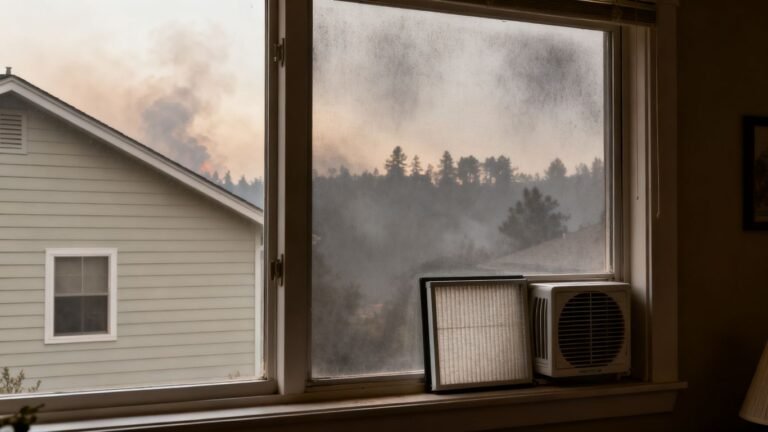
Wildfire smoke can affect a home even when flames are nowhere nearby. The amount that gets inside depends on the building, the weather, and how long smoke hangs in the area. Once indoors, particles and gases may settle on surfaces or circulate through rooms and ventilation equipment.

Fine particles, gases, and residue in smoke

Smoke is a changing mixture of fine particles and gases, with residue left behind as airborne material settles. Some particles are small enough to travel with air currents and reach indoor spaces; the quantity and composition vary with the fire and surrounding conditions. For occupants, smoke is also a health concern, and MDHHS provides wildfire smoke health guidance on reducing exposure.

Common pathways through which smoke gets indoors

Smoke can enter through ordinary openings and gaps, not only through a window left open. Its path may be difficult to notice while the event is underway, especially when the home appears closed up. Common routes include:

  • Open windows and exterior doors, including brief entries and exits.
  • Gaps around window frames, doors, and other building joints.
  • Outdoor-air intakes or other openings connected to ventilation equipment.
  • Leaks around utility lines, vents, or penetrations through exterior walls.

These routes do not affect every home equally, and one pathway may matter more during a particular smoke event. Sealing obvious gaps can help limit air leakage, but it does not remove smoke that has already entered or settle the question of indoor air quality.

Weather and building conditions that affect smoke intrusion

Wind can push smoke toward openings and create pressure differences around a building. Indoor-outdoor temperature differences, the condition of weatherstripping, and the operation of exhaust fans or ventilation systems may also influence how air moves. A home’s age alone does not determine its exposure: maintenance, construction details, and the timing of doors or windows being open can all play a part.

How smoke damages a home’s exterior

A home’s exterior is directly exposed to smoke-laden air, so deposits may form even when the building remains closed. The amount left behind depends on exposure, surface type, and whether rain or wind has moved material away. A faint film may be easy to overlook, while more noticeable deposits can change the appearance of finishes and outdoor objects.

Soot and residue on siding, windows, and doors

Soot and other particles can settle on siding, window glass, frames, and exterior doors. They may appear as a dark film or uneven smudges, particularly around sheltered edges and trim. The visible deposit is only one clue; a surface may also retain odor after the particles are no longer easy to see.

Discoloration and wear on paint and other finishes

Smoke residue can make light-colored paint look dull or stained, and cleaning attempts may affect delicate or aging finishes. The result varies with the material and the length of exposure, so a mark should not automatically be treated as permanent damage. Testing a small, inconspicuous area with a gentle cleaning method can help reveal whether the finish tolerates it.

Smoke deposits on roofs, decks, and outdoor equipment

Roofing, decks, railings, patio furniture, and equipment can collect smoke deposits, especially on surfaces sheltered from rainfall. Outdoor fabrics and porous materials may hold odor more readily than smooth, washable surfaces. A careful look around roof edges, gutters, and outdoor fixtures can help identify areas that need attention without assuming every deposit requires replacement.

How smoke affects indoor surfaces and belongings

What happens indoors depends on how much smoke entered and where it traveled. Smooth surfaces may show a removable film, while fabrics and other absorbent materials can retain odor after visible residue is cleaned away. Visible residue is not the whole story: odors, discoloration, or a change in how an item feels may also indicate exposure.

Residue on walls, ceilings, and hard surfaces

Smoke particles can settle on walls, ceilings, counters, floors, and other hard surfaces. Deposits may be more apparent near openings or in areas where air circulation carries particles, though residue can be subtle and uneven. Cleaning should be matched to the surface; too much moisture or an abrasive product can damage paint, coatings, or finishes.

Smoke absorption by carpets, furniture, and other porous materials

Carpets, upholstery, mattresses, curtains, and unfinished wood can absorb smoke compounds and hold odors. The depth of the material and the degree of exposure affect how difficult it is to clean. A surface treatment may improve an item’s condition, but persistent odor can indicate that material deeper within it still needs attention.

Damage to electronics, clothing, and stored items

Fine residue may collect on electronics and around vents or openings, where careless wiping can push particles farther into a device. Clothing, linens, books, and items stored in open containers can also acquire smoke odor. Before cleaning or discarding belongings, it can help to sort items by material and condition; delicate or valuable possessions may need specialized care.

How smoke affects heating, ventilation, and air conditioning

Heating, ventilation, and air conditioning equipment can interact with smoke that has entered the home or been drawn in from outdoors. Filters may collect particles, while other parts of a system can be exposed depending on its design and operation. Smoke-related changes do not necessarily mean equipment has failed, but a filter or odor change can be a reason to look more closely.

Smoke particles trapped in HVAC filters

A filter may capture some airborne particles as air passes through it, and visible darkening can occur after heavy smoke exposure. A filter’s appearance alone cannot measure indoor air quality or show whether the system is clean. The filter type, system design, and operating conditions all affect what it catches.

Residue and odors inside ducts and air handlers

If smoke-laden air moves through a system, residue or odor may be present in components such as ducts or the air handler. A lingering smell when the system runs can be a useful observation, but odor by itself does not establish where residue is located or whether cleaning is needed. Inspection can help distinguish a filter issue from a concern involving other components.

When to replace filters or arrange a system inspection

Filter replacement should follow the equipment and filter manufacturer’s directions, including any limits on filter type or fit. A homeowner can check the filter for visible loading and confirm that it is seated correctly, without assuming that a denser filter is suitable for every system. If odors persist, airflow changes, or visible residue appears in accessible components, an HVAC professional can assess whether inspection or service is appropriate.

Why wildfire smoke damage can linger

Smoke exposure may leave effects that are not resolved by one quick cleaning. Particles can settle in less visible places, and odor may remain in materials that absorb and release it over time. The persistence of a problem depends on the exposure and the surfaces involved, so a measured assessment is often more useful than repeated, broad cleaning.

Odors embedded in porous materials

Soft furnishings, carpets, and other porous materials can retain smoke odor after the air has cleared. Odors may become noticeable again as rooms warm up or air moves through the material. If a smell returns after surface cleaning, the source may be within the material rather than on its exposed face.

Hidden residue in cavities and behind fixtures

Residue can collect in places that are not routinely visible, including recesses, cabinet interiors, and areas behind or beneath fixtures. These locations may be missed during a quick visual check, but that does not mean every hidden space has been affected. If odors or deposits persist without an obvious source, a qualified inspection can help determine whether further investigation is warranted.

Cleaning methods that can spread residue or worsen damage

Dry brushing, vigorous wiping, or using an unsuitable cleaner can spread particles or mark a surface. Water can also cause problems on materials that should not be saturated, and strong fragrances may mask rather than remove an odor. Before cleaning a larger area, identify the material and test an appropriate method in a discreet spot; stop if the finish changes or residue smears.

How to assess and address wildfire smoke damage

A careful assessment begins with observations, not assumptions about how much damage must be present. The building’s exterior, rooms, belongings, and HVAC equipment can be checked separately, since each may show different signs. A written record of conditions and actions taken also makes it easier to explain what was found and when.

Signs that indicate smoke has reached the home

Possible signs include a persistent smoke odor, a film on indoor surfaces, soot near openings, or a filter that has collected unusual visible residue. No single sign confirms the extent of exposure, and an odor can persist even where deposits are hard to see. Comparing rooms and noting where signs are strongest can help narrow down likely entry routes or affected materials.

When professional inspection or testing may be appropriate

Professional help may be useful when odors continue after reasonable cleaning, residue appears in inaccessible areas, or HVAC concerns remain unresolved. Testing is not automatically necessary in every home; its value depends on the question being asked and whether the results would guide a decision. When choosing an inspector or restoration professional, it is reasonable to ask what the assessment covers and what the findings can and cannot establish.

Cleaning, restoration, and documenting damage for insurance claims

Start by photographing visible conditions and making a dated list of affected rooms, surfaces, and belongings before cleaning or disposal. Keep receipts and notes about filter changes, professional visits, and cleaning steps, and check the policy or contact the insurer about documentation requirements. Cleaning can then be planned according to the material and the extent of residue; items or areas that remain odorous or visibly affected may warrant assessment by a restoration professional.

Online Resources

Post-construction cleaning is often one of the most underestimated costs in renovation projects. Dust, paint splashes, adhesive residues, and surface scratches can quickly turn a newly renovated space into a time-consuming cleanup challenge.

Fortunately, temporary surface protection films offer a practical and cost-effective solution to minimize these issues before they even occur.

What Are Temporary Protection Films?

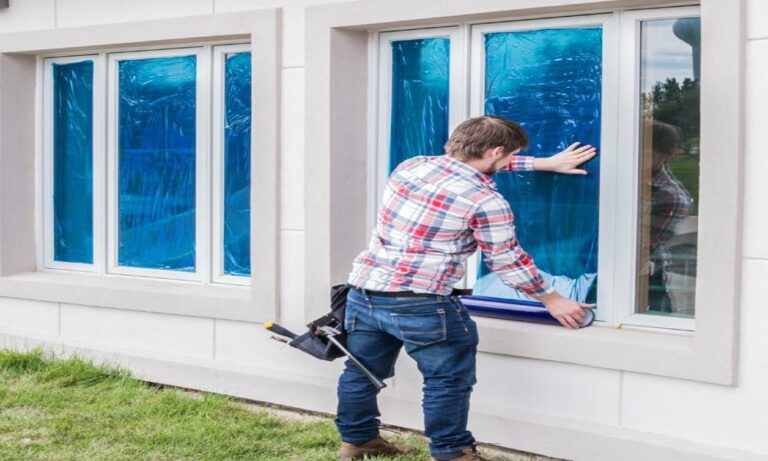
Temporary protection films are self-adhesive or static-cling materials applied to surfaces such as floors, windows, countertops, cabinets, and doors during construction or remodeling. Designed for easy application and clean removal, these films act as a barrier against dirt, debris, moisture, and mechanical damage.

Unlike traditional protective materials like cardboard or plastic sheets, modern films are engineered to stay in place, resist tearing, and leave no residue behind-making them highly efficient for both contractors and homeowners.

Reducing Dust and Debris Accumulation

Dust is one of the biggest contributors to post-construction cleaning costs. Fine particles from sanding, cutting, and drilling can settle into every corner of a home, including hard-to-reach areas.

Temporary films significantly reduce dust accumulation by sealing off surfaces. Floors, for example, can be fully covered, preventing dust from embedding into grout lines, wood grains, or carpet fibers. Glass surface protective films also prevent airborne particles from sticking to glass, reducing the need for intensive scrubbing later.

By minimizing dust penetration, cleaning becomes faster and less labor-intensive, directly lowering overall costs.

Preventing Surface Damage and Rework

One of the most expensive consequences of poor protection is surface damage. Scratches on hardwood floors, paint stains on tiles, or adhesive marks on countertops often require repairs or even replacements.

Temporary films create a protective layer that absorbs impacts and prevents direct contact with tools, equipment, and construction materials. This reduces the risk of:

  • Scratches and abrasions
  • Paint spills and chemical stains
  • Tool-related dents and marks

Avoiding these damages eliminates costly rework and ensures that newly installed surfaces remain in pristine condition.

Eliminating Residue and Simplifying Cleanup

Traditional protective methods often introduce new problems. Tape can leave sticky residues, and loose coverings may shift, exposing surfaces or trapping dirt underneath.

High-quality temporary films are designed with controlled adhesion technology. They stay firmly in place during construction but can be peeled off cleanly without leaving glue marks or damaging finishes.

This means:

  • No need for chemical cleaning agents to remove adhesive residue
  • Reduced risk of surface discoloration
  • Faster cleanup with minimal effort

In many cases, once the film is removed, the surface underneath is already clean and ready for use.

Saving Labor Time and Cleaning Costs

Labor is a major component of post-construction cleaning expenses. The more contamination and damage present, the longer it takes to clean.

By using temporary films:

  • Cleaning crews spend less time scrubbing and polishing
  • Fewer specialized cleaning products are required
  • The overall project timeline is shortened

For contractors, this leads to higher efficiency and lower overall costs. For homeowners, it means reduced cleaning bills and faster move-in readiness.

Enhancing Overall Project Efficiency

Beyond cost savings, temporary protection films contribute to smoother project management. They help maintain organization on-site, protect high-value finishes, and reduce the risk of disputes over damage.

Additionally, they support a more professional workflow by ensuring that each phase of construction does not negatively impact completed work.

Conclusion

Temporary surface protection films are a small investment that delivers significant returns. By preventing dust accumulation, avoiding surface damage, eliminating residue, and reducing labor time, they play a crucial role in lowering post-construction cleaning costs.

For any renovation project-whether residential or commercial-proactive protection is far more economical than reactive cleaning. Temporary films provide a simple, effective way to keep surfaces clean, intact, and ready for immediate use once construction is complete.

Modern homes are designed to be stylish, comfortable, and functional. Furniture, carpets, and upholstered décor play a major role in creating a welcoming living space. However, daily life exposes these surfaces to spills, stains, dust, and general wear. This is why fabric protection has become an essential part of maintaining modern interiors. By adding a protective layer to upholstery and textiles, homeowners can preserve the beauty, durability, and cleanliness of their furniture for years.

Protecting Furniture from Everyday Spills and Stains

In a typical household, accidents are inevitable. Coffee spills, food stains, pet hair, and muddy footprints can easily damage upholstery. Fabric protection solutions work by forming an invisible barrier on the surface of fabrics that repels liquids, dirt, and oils. This barrier prevents stains from immediately soaking into the fibers, giving homeowners more time to clean the spill before it becomes permanent.

Because liquids tend to bead up on the treated surface instead of penetrating the fabric, stains are easier to wipe away. This feature is especially useful in homes with children or pets where accidental spills are more common. By preventing deep stains, fabric protection helps furniture maintain its original appearance and color.

Extending the Life of Upholstered Furniture

Furniture is a long-term investment, and protecting it helps maintain its value. Fabric threads can become weak over time from dust, dirt, and friction, which can make them fade or wear out. Fabric protection strengthens the durability of these materials by shielding them from abrasion and environmental damage.

When fabrics are protected, they are less likely to deteriorate quickly under daily use. This means sofas, chairs, and cushions can remain in excellent condition for much longer. For homeowners, this translates into fewer repairs and less frequent furniture replacements.

Making Cleaning and Maintenance Easier

Maintaining clean furniture is much easier when fabrics are protected. Without protection, dirt and stains can sink deep into the fibers, requiring heavy cleaning or professional treatments. Fabric protection prevents this problem by keeping contaminants closer to the surface.

As a result, routine cleaning such as vacuuming or wiping becomes more effective. Dust and debris are easier to remove because they cannot easily bond to protected fibers. This helps homeowners maintain a tidy and fresh-looking home with less effort.

Supporting a Healthier Indoor Environment

Fabric protection also contributes to better indoor hygiene. Upholstery can trap dust mites, pollen, and allergens that may affect indoor air quality. Protective treatments help prevent these particles from embedding deeply into the fabric, making them easier to remove during cleaning.

By reducing the buildup of allergens in furniture and carpets, fabric protection can help create a cleaner living environment for families. This is particularly important for people who suffer from allergies or respiratory sensitivities.

Preserving the Appearance of Modern Interiors

Interior design plays a major role in modern homes. Stylish furniture, elegant sofas, and decorative fabrics are key elements of home décor. When fabrics become stained or worn, they can quickly affect the overall look of a room. Fabric protection helps preserve the visual appeal of these furnishings by preventing discoloration, fading, and permanent stains.

Professional solutions such as https://www.ultra-guard.com/chicago-fabric-protection/ provide homeowners with specialized treatments that safeguard upholstery and other textiles from everyday damage. These services apply protective coatings that maintain the look and feel of fabrics without altering their texture or comfort.

A Cost-Effective Home Maintenance Strategy

Replacing furniture can be expensive, and frequent professional cleaning can also add to household costs. Fabric protection is a practical way to minimize these expenses. Because protected fabrics resist stains and wear, they require less intensive maintenance and last longer.

In many cases, a single protective treatment can provide long-lasting results, helping homeowners avoid costly repairs or replacements. For modern households that prioritize both comfort and efficiency, fabric protection offers a smart and economical solution.

Conclusion

Fabric protection is an essential step in caring for furniture and maintaining the beauty of modern homes. By preventing stains, extending furniture lifespan, simplifying cleaning, and improving indoor hygiene, protective treatments provide long-term benefits for homeowners. As everyday life continues to expose fabrics to spills, dirt, and wear, investing in fabric protection ensures that furniture remains clean, comfortable, and visually appealing for years to come.

Tough, set-in carpet stains can make even the nicest room feel neglected. Enter one of the simplest, most budget-friendly DIY combos hiding in your kitchen: baking soda and salt.

Together, they create a powerful, natural pre-treatment or spot cleaner that’s safe for most carpets when used carefully, and costs pennies compared to store-bought solutions.

In the following sections, we’ll show you exactly how to mix and apply this duo for maximum effect on tough stains

Why Baking Soda and Salt Work So Well

Baking soda has long been valued for its gentle cleaning properties and powerful ability to neutralise odours. Its fine, mildly abrasive texture allows it to lift residue from carpet fibres without causing damage.

At the same time, it absorbs unwanted smells, leaving carpets fresher rather than simply masked with fragrance.

Salt plays a complementary role by drawing moisture out of spills and stains. This makes it particularly effective for liquid-based marks such as coffee, wine, or tea.

When used together, baking soda loosens and deodorises while salt absorbs and stabilises the stain, creating a balanced and effective cleaning combination.

Choosing this method over commercial carpet cleaners reduces chemical exposure in your home and supports a more sustainable cleaning routine.

It is a sensible option for families with children or pets, and offers a cost-effective alternative to shop-bought products without compromising on results.

Match the Cleaning Method to Your Carpet Type

Before applying any cleaning mixture, it is essential to consider the type of carpet you are working with.

Synthetic fibres such as nylon and polyester generally tolerate baking soda and salt well and respond positively to this method. In contrast, natural fibres, including wool and cotton, are more delicate and require a gentler approach.

Always test the mixture on a discreet area first, such as inside a wardrobe or beneath furniture. Apply a small amount, leave it to sit, then vacuum and check for colour changes or texture damage. This simple step helps prevent costly mistakes.

For deep-set stains across larger areas, a carpet washing machine may assist with synthetic carpets, provided moisture levels are kept under control.

Delicate, antique, or silk rugs should be treated with extra care, and professional rug cleaning may be the safest option in these cases. Manufacturer labels can also offer valuable guidance on suitable cleaning methods.

Prepare Your Carpet for Best Results

Start by thoroughly vacuuming the affected area to remove loose dirt, dust, and debris. This ensures the baking soda and salt can work directly on the stain rather than surface particles. Skipping this step can reduce the overall effectiveness of the treatment.

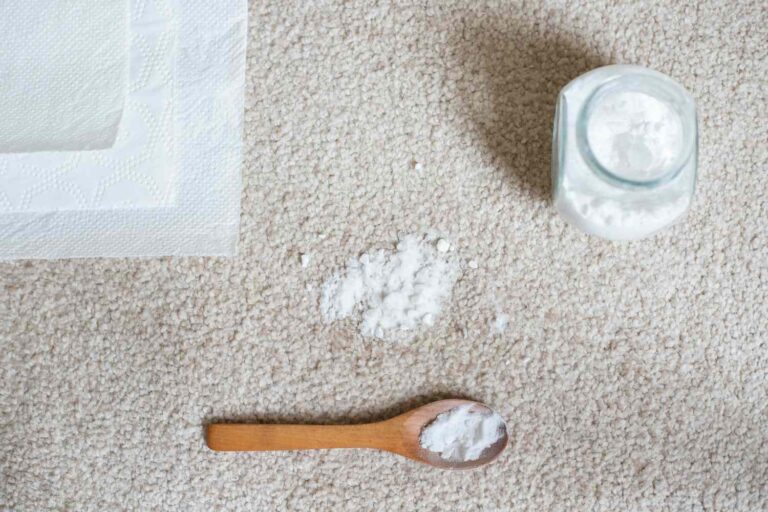
Once the area is clean, lightly sprinkle the baking soda and salt mixture over the stain, making sure it is fully covered.

Allow it to sit for at least thirty minutes, or longer for more stubborn marks. During this time, the mixture absorbs moisture and begins breaking down the stain.

Afterwards, gently work the powder into the carpet using a soft brush. Avoid aggressive scrubbing, especially on delicate fibres. Once the area has dried completely, vacuum thoroughly to remove the residue along with the absorbed stain.

Tips for Maximising Cleaning Effectiveness

Layered treatment often works best for persistent stains. Applying the baking soda and salt mixture first can lift much of the residue before any stronger cleaning steps are needed.

For particularly stubborn marks, leaving the mixture on overnight can improve results significantly.

Use restraint when applying the powder. A light, even sprinkle is more effective than excessive coverage, which can leave residue behind and attract dirt later. If the stain remains after the first attempt, repeat the process rather than increasing the amount used.

Speed matters when dealing with spills. Addressing stains as soon as they occur gives you a much better chance of removing them fully and keeping your carpets looking fresh for longer.

Refresh Upholstery and Neutralise Odours

Baking soda and salt are not limited to carpets alone. They can also help freshen upholstered furniture such as sofas and armchairs. Lightly sprinkle the mixture over the surface, allow it to sit for a short time, then hoover thoroughly to lift odours and dust.

Using this method between deeper cleans helps maintain a pleasant scent throughout the home with minimal effort. Curtains and other fabric furnishings can also benefit from careful application, provided they are suitable for dry cleaning methods.

Follow Sensible Safety Measures

Although baking soda and salt are natural substances, it is still wise to wear gloves if you have sensitive skin. Keep the mixture out of reach of children and pets, and avoid inhaling fine powders during application.

Do not mix baking soda and salt with other cleaning agents, particularly acidic substances such as vinegar, as this can cause unwanted reactions and reduce effectiveness.

Ensure Good Ventilation

Good airflow supports effective drying and helps prevent lingering moisture in carpet fibres. Open windows or use an extractor fan while cleaning to keep the space well ventilated.

When you’re done, you might still have some cleaning powder. Any unused mixture should be stored in an airtight container to protect it from moisture and preserve its cleaning properties for future use.

When to Call in Carpet Cleaning Professionals

While DIY methods are ideal for everyday stains and maintenance, some situations call for expert care.

Deep-set stains, widespread discolouration, or delicate carpets often benefit from professional treatment.

Booking on site carpet cleaning professionals ensures thorough results using specialised equipment and techniques. Your carpets will look sharp for years to come.

Conclusion

Who knew your kitchen pantry held such a dynamic stain-fighting team? Baking soda and salt together offer an affordable, eco-friendly way to attack tough carpet stains.

Whether you sprinkled the dry mix or combined it with vinegar for that extra boost, you’ve proven that effective cleaning doesn’t have to be complicated or costly.

Your carpets will thank you with renewed freshness and appearance-and your wallet will stay happy too. Now you can enjoy your cleaner, brighter space… and maybe keep a salt shaker handy for the next inevitable mishap!

Carpet Repair: An Intro

Let us begin with the basic principles: That you can do your own personal repair. In case you rather repair than spend hundreds or perhaps a lot of money replacing carpeting repair might be to meet your requirements.

Even though the average homeowner might repair their carpet themselves, it’s not always the best option.

A professional will help you partly of your time it might take an untrained person, all while creating a hard job look easy.

If you’re a home owner and also try and correct it yourself, I caution you when quality really matters, then make use of a pro.

For now I’ll just skim the most effective and describe the commonest kinds of repairs. Later, I’ll use depth and explain thorough about all types.

Related image

Right here are a handful of several kinds of carpet repair:

  • Stretching
  • Patching
  • Transitions
  • Berber
  • Seam Repair
  • Pet Broken (Including Removing Pet Urine)
  • Repairing Ton Damage
  • Reinstalling After Remodeling
  • Removing
  • Repair Stairs
  • Stain Removal

Whenever a geniune installation is carried out correctly, you shouldn’t have to re-stretch loose carpet. Proper installation needs a tool known as stretcher or even an electric stretcher. (Not only a kicker, kickers aren’t nearly enough.) If you notice ripples, wrinkles, or bunched-up carpet, this is when you are conscious you will want it extended.

Generally, a loose carpet may be re-extended without requiring to consider apart seams. If seams need to be used apart, it reveals an entire other can of worms.

If there’s some furniture space, we’re able to frequently use our carpet stretcher without coping with apparent the location entirely. Frequently we’re able to progressively gradually slowly move the furniture in one side within the room to a new and stretch the whites within the room anytime.

For people who’ve a stain that you simply can’t escape or else you have broken carpet due to burn (rather than the truly amazing kind), or even your bad pet thinks that carpet could be a food group, a place could be the only solution.

Patching is not as basic since it appears. The patch ought to be exactly perfect. If there’s any overlap or gap inside the seam (whatsoever), you will be sorry.

Utilize a leftover bit of carpet inside the original installation or steal some carpet within the closet to complete your carpet patching. One factor you probably can’t do is visit the carpet store and purchase just a little to boost.

Carpeting to floor transition is anyplace in which the carpet ends along with the floor begins. Whether it is in the tile floor it’s name is carpeting to tile transition.

Many people install their unique tile don’t learn to finish the task while using the carpet to tile transition. Frequently professional tile installers don’t learn to finish their job through an effective carpet to tile transition. There are numerous how to carry out a carpet to floor transition that we’ll highlight within the carpet to tile transition article.

When we reference a Berber carpet, they are speaking of a looped carpet with rows. It is not only a Berber carpet but in addition for our purposes here it’s okay in it Berber. By having an interesting continue studying past Berber carpet go here.

Berber carpet repair is frequently needed due to snag within the Berber carpet or maybe a get yourself a Berber carpet. A get yourself a Berber carpet happens when numerous threads get caught, in vacuum pressure as well as other way. Frequently occasions it is the dog or maybe a youthful child that pulls Berber carpet and fosters the snag or run.

If there is only one Berber carpet row that has been pulled, it may be re-burled (glued to put). When the Berber carpet run is much more serious, say for example a dog occured inside an area and attempted to dig her solution, a place is needed.

In situation your Berber carpet is loose it should be extended. Stretching Berber carpet is not unique of stretching carpet connected having a other kind.

In situation your carpet comes apart inside the seam it may be repaired in lots of different ways. One of the ways should be to glue it together again again, one other way ought to be to eliminate that old seam tape and perform entire seam over. When the seam that came apart is about the Berber carpet it may be a little more challenging.

A seam must withstand lots of use, and obtain this for quite a while. This is often somewhere it’s really sensible to make use of the very best products available. One factor you have to stay away from may be the cheap two-sided carpet tape that some websites sell. It will not last.

Carpet can be quite great key to improve your home. When you wish to uncover it in the marketplace, you will find that there are many options you could look at. Among the options that you simply take a look at is really a that’s created from polypropylene material.

Polypropylene carpet may become an excellent option. This is often perfect to obtain attached internally with pets and youthful children there. Getting its thin and flat dimension, this really is very perfect for house which has heavy-traffic areas meaning there are many activities done across the carpet.

If you choose to include polypropylene carpet in your house, you will find that this is often simple to be cleaned. Because this type of carpet has short fiber. This will make the spills don’t penetrate deep towards the areas of the carpeting they are hard to achieve. This is often far different with carpet which has longer fiber. During this situation, you will probably find difficulties in cleaning it.

However, taking proper proper proper care of your polypropylene is easy to complete. One factor that can be done is actually by cleaning it regularly. During this situation, there are many methods that can be done to wash it. The strategy are extremely simple to do. To start with, you need to sweep it with vacuum. It’s possible once weekly or when you will find stains about this, especially stain inside the spills of refreshments.

Next, clean the polypropylene carpet while using the mixture of a bowl warm water and dish detergent. This way way, you won’t damage the fiber out of this so that you can possess a extended lasting carpet. In addition, you’ll prevent its color from fading. Thirdly, scrub a soapy wet cloth across the stained a part of your polypropylene carpet. Do something lightly and make certain the stains are removed. Lastly, dry it in mid-air. Which means that it’s not necessary to dry it on the planet.

Folks are a handful of items that a polypropylene carpet clean. By permitting it clean, you’ll be certain this is often safe for kids to determine. This could cause the region more inviting for people who’ve do the repair in your house.