Author

Clare Louise

Browsing

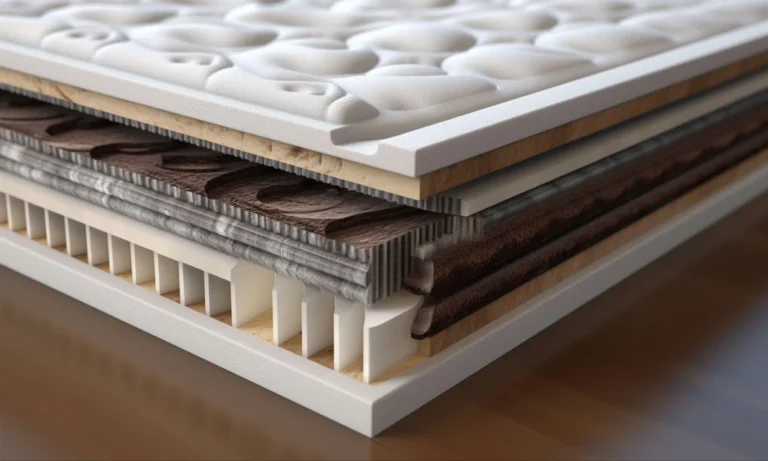
Mattress spec sheets have a habit of listing terms that sound impressive without explaining what they actually mean for how the mattress feels or performs. Pocket springs, latex density, layer counts, these terms get thrown around in marketing copy often enough that shoppers absorb a rough impression of what they mean without ever having it properly explained. That gap between impression and reality causes more mismatched mattress purchases than any lack of research effort on the buyer’s part.

1. “More Pocket Springs Always Means Better Support”

A higher spring count sounds like an obvious upgrade, but spring count alone doesn’t determine support quality without considering spring gauge, zoning, and how springs are arranged across different areas of the mattress. Luxury mattresses with fewer, well-engineered zoned springs can outperform one with a higher raw count but no differentiated support across the shoulders, lumbar area, and legs.

2. “Latex and Memory Foam Provide the Same Kind of Support”

These two materials behave quite differently under body weight. Memory foam contours slowly and retains an impression briefly after pressure is removed, while latex responds more quickly and springs back to shape almost immediately. Buyers assuming these terms are interchangeable descriptions of “foam” often end up surprised by how differently the two actually feel once lying on them.

3. “Firmer Always Means More Supportive”

Firmness and support are related but distinct properties. A mattress can feel firm to the touch while still failing to properly support spinal alignment if its internal structure doesn’t respond correctly to different body weights and pressure points. Genuine support depends on how well a mattress keeps the spine in a neutral position throughout the night, not simply how much resistance it offers when pressed.

4. “Natural Latex Is Always Better Than Synthetic Latex”

Natural latex has genuine advantages in durability and breathability, but synthetic or blended latex isn’t automatically inferior in every luxury mattress, and some blends are specifically engineered to balance cost, performance, and specific firmness characteristics that pure natural latex doesn’t always achieve as precisely. The right choice depends on what specific qualities a buyer is prioritising rather than assuming “natural” universally outperforms every alternative.

5. “Higher Pocket Spring Count Means a Noisier Mattress”

Some buyers assume more springs mean more potential for squeaking or noise over time, but individually wrapped pocket springs are specifically designed to move independently and reduce the kind of noise transfer associated with older, interconnected coil systems. A well-constructed pocket spring mattress from a reputable furniture in Singapore retailer is typically quieter over years of use than older coil-based designs, not noisier.

6. “A Thicker Mattress Automatically Means Better Quality”

Overall mattress thickness is often used as a shorthand for quality in marketing materials, but thickness alone says little about the quality of individual layers or how they work together. A thinner mattress with well-engineered layering can outperform a thicker one padded largely with lower-quality filler material between the surface and the support core.

7. “All Luxury Mattresses Use the Same Basic Construction With Minor Differences”

Buyers sometimes assume that once they’ve understood one luxury mattress’s construction, they’ve essentially understood them all, with differences limited mainly to marketing and price. In reality, layer arrangement, zoning technique, and the specific combination of materials used vary considerably between manufacturers, meaning genuinely different sleep experiences exist across mattresses that might appear similar on a spec sheet at first glance.

Quick Facts Worth Remembering

  • Spring count alone doesn’t determine support quality without considering zoning and gauge
  • Latex and memory foam respond to pressure very differently despite both being called “foam”
  • Firmness and spinal support are related but not the same property
  • Individually wrapped pocket springs are generally quieter than older interconnected coil systems

Reading Past the Spec Sheet

Understanding these seven points doesn’t require becoming a mattress construction expert, but it does help shoppers ask more useful questions when comparing options rather than defaulting to whichever spec sheet lists the most impressive-sounding numbers. When exploring luxury mattresses in Singapore, testing a mattress in person and asking directly how its specific springs and materials are arranged tends to reveal far more than the terminology on a printed label ever will.

Contact Casa Concetto to explore our range of luxury mattresses and get a clearer explanation of how each one’s construction actually supports your sleep.

Demolition and construction site

“Demolition” can mean many things, depending on your project scope. If you’ve already made the decision to rebuild or renovate your space, the next step might be removing the parts that no longer serve your goals. Whether you need a few minor tweaks or a full-blown teardown, there are many things to consider before you pull the trigger and get the project started.

Decide What Stays During Selective Demolition

If you’re planning on selective demolition, you need to consider what you’re not removing. Is the structure in tact? Are you removing an outside wall? What is the space used for? Are you keeping plumbing lines? How will this affect finished surfaces in and around the area?

Complete Teardowns Require Sitewide Answers

If you plan to remove the entire structure, your considerations will be slightly different. For example, what type of equipment will be needed and where would those machines enter and exit? How much debris would need to be removed and how is it going to be contained? Are you concerned about stabilizing the site after the removal?

Verify Utilities and Equipment Clearance

These questions cannot be adequately answered without a visit and discussion. Your contractor will inspect the area and consider things you may not, such as hazardous or regulated materials (I bookmarked https://unep.org/explore-topics for this). Some common materials to consider in both selective and complete demolition:

  • Insulation, adhesives, and binders
  • Older paints, glazes and finishes
  • Roofs and multiple layers of roofing
  • Pipes, tanks, storage vessels, and lines

All types of utilities need to be addressed in advance of work:

  • Electric
  • Gas
  • Water
  • Sewer
  • Communication/Phone
  • Irrigation lines

There could be utilities buried underground, inside walls and structures, even beneath flooring and under raised beds. Shutting utilities off inside a structure does not mean that the lines in service are off. Planning ahead saves headaches and allows your contractor to come prepared for specific needs.

Plan How Machines Will Enter and Exit

If a large job requires the use of heavy equipment, space planning is a must. Your contractor will have to consider the following:

  • Space around the site to load/unload
  • How to minimize noise and vibration in populated areas
  • If there is a lot of overhead power lines, a crane could be out of the question
  • How to protect sidewalks, parking areas, landscaping, and adjacent structures
  • The path of the raised dump bed of a truck
  • Clearance between equipment and power lines, where 10 feet is common, but this can be more for some high voltage lines

Article image

Heavy demolition equipment

Dust changes everything. If there is a tight entry/exit, there’s a possibility of damaging sidewalks or parking areas. Gaining access to a tight residential area can mean damage to landscaping, trees, and gateways. There are other things to consider for a confined space, which is why planning is so critical to success.

Demolition can be contentious in its own right. Neighbors, especially ones with adjoining driveways, shared walls, or closely-set properties, might raise concerns about temporary vibration, noise, and access to the project site. Photograph any adjoining buildings or shared structures before commencing work. Open lines of communication with neighbors, and take detailed photographs before starting work.

Before scheduling your project, check in to make sure that you have all permits, inspections, and neighborhood requirements. Miami may have rules regarding working hours, using the right-of-way, protecting trees, controlling dust, or setting up a dumpster for debris.

Put the Demolition Scope in Writing

It’s a good idea for the owner and contractor to walk the area and make sure each party has a clear vision of the project. It’s always a good idea to get your scope in writing from the contractor before beginning any work. Demolition is a very particular and specialized part of the construction process, which is why it’s important to understand the process and costs involved; the practical side of demolition services Miami starts there. A company called Gaven Constructions works in this specialized field. Here are a few terms and definitions:

  • Hand Demolition: Demolition with hand tools or by hand. Can be more expensive and take longer but provides a level of precision and dexterity that other methods don’t offer. This is also a great option if it’s not possible to remove the structure in occupied spaces.
  • Mechanical Demolition: Using machines and heavy equipment, mechanical demolition can take out a structure or foundation very quickly. Depending on the scope, it may require additional planning for dust control and containments.
  • Deconstruction: If there’s an opportunity to reuse material and components from the structure, this is where the wood, doors, fixtures, and fittings are saved for future uses. These materials are removed before large scale demolition can occur.
  • Concrete Breaking: Concrete driveways, footings, foundations, and other elements require special tools to break and remove. If your site has reinforced concrete slabs or foundations, this is a service to keep in mind.
  • Debris Removal and Cleanup: After the project is complete, it’s helpful to sort and separate recyclable and salvageable materials before hauling. Concrete, metal, drywall, and wood can all be separated on site to limit the amount going to the land fill. Hazardous and regulated materials are also removed for proper disposal.
  • Site Stabilization: After demolition and debris removal, we make sure the area is stable and safe for whatever comes next. Nails and sharp pieces are removed or capped. Loose materials and sediment that could enter water runoff are also removed. Any materials that are remaining after demolition will be inspected and stabilized.

Smart thermostats make it easier than ever to control your home’s temperature. You can adjust settings from your phone, create schedules, and even save energy. But if they are installed or programmed incorrectly, they can actually create problems for your heat pump. So why do repair calls sometimes increase after upgrading to a smart thermostat?

The answer often comes down to compatibility, setup, and system operation.

Not Every Thermostat Works With Every Heat Pump

Heat pumps are more complex than traditional heating and cooling systems. Many models rely on multiple operating stages and auxiliary heat to maintain indoor comfort.

If a smart thermostat is not compatible with your specific heat pump or is wired incorrectly, it may send the wrong signals. This can cause the system to switch modes at the wrong time, run longer than necessary, or cycle more often than it should.

Incorrect Settings Can Overwork The System

Even a compatible thermostat needs the right programming. Features designed to maximize comfort may accidentally increase wear on your equipment.

For example, aggressive temperature setbacks can force the heat pump to work much harder to reach the desired temperature. In some cases, the auxiliary heating system turns on more often than needed, increasing energy use and placing extra stress on system components.

Frequent Cycling Causes Extra Wear

Smart thermostats constantly monitor indoor conditions and may adjust operation more frequently than older models.

While small adjustments can improve comfort, excessive cycling is not ideal. Starting and stopping the heat pump too often places added strain on motors, compressors, and electrical components. Over time, this extra wear can lead to unexpected repair needs.

Software Updates And User Changes Matter

Many homeowners enjoy experimenting with thermostat settings through mobile apps. However, frequent schedule changes or software updates can sometimes affect how the system operates.

If comfort suddenly changes after adjusting settings, the issue may not be the heat pump itself. A professional inspection can determine whether the thermostat configuration is causing the problem.

Proper Installation Makes All The Difference

A smart thermostat should work with your heat pump, not against it. Correct wiring, accurate programming, and system testing help ensure everything operates efficiently from day one.

Service Champions helps homeowners across Southern California choose compatible smart thermostats and configure them correctly. Our experienced technicians verify that the thermostat communicates properly with the heat pump, helping improve comfort while reducing unnecessary strain on the system.

Conclusion

Smart thermostats are valuable upgrades, but they are not simply plug-and-play devices. Incorrect installation, incompatible equipment, or poor programming can all contribute to additional heat pump repairs. With proper setup and expert guidance from Service Champions, you can enjoy the convenience of smart technology while keeping your heating and cooling system running efficiently for years to come.

Keeping a home clean in St. George is not just about appearances. It is about keeping daily life manageable in a place where red dust, busy family schedules, visitors, pets, and desert weather all seem to arrive at once.

A house can look fine on Monday and feel gritty by Thursday. Shoes track in sand from the yard. Fine dust settles on baseboards and window sills. Kitchen counters get crowded after school, work, errands, and late dinners. By the weekend, cleaning can take over the time families hoped to spend hiking, resting, hosting friends, or catching up on everything else.

That is where practical cleaning help becomes less of a luxury and more of a household support system. The right service does not need to replace everything a homeowner does. It simply needs to take pressure off the chores that never seem to stay done.

St. George Homes Face a Different Kind of Mess

The desert has a way of getting indoors. Windy afternoons can leave dust on floors even when doors and windows stay closed. After a monsoon storm, entryways and tile floors may need extra attention. During spring and fall, open windows bring in fresh air along with pollen and fine debris.

Many St. George homes also have hard flooring, high ceilings, large windows, and open living areas. Those features are beautiful, but they show dust quickly. A few skipped cleanings can make a home feel older and more worn than it really is.

For families with children, pets, home offices, or frequent guests, the problem grows faster. Crumbs collect under dining chairs. Bathrooms get heavy use. Laundry piles up. Guest rooms become storage rooms until someone announces a visit. None of these issues are unusual, but together they create a steady drain on time and energy.

Professional cleaners can help reset the home before small messes turn into bigger jobs. Regular attention to floors, bathrooms, kitchens, and dust-prone surfaces can also protect finishes and reduce the deep-cleaning burden later.

Cleaning Help Should Match the Household, Not the Other Way Around

A retired couple in Bloomington may need something very different from a young family near Little Valley or a busy professional living close to downtown. Some homes need weekly support. Others only need help every other week, before guests arrive, after a move, or during especially busy seasons.

That flexibility matters. A household should not have to fit into a rigid package that ignores how the home is actually used. One family may care most about bathrooms, floors, and kitchen surfaces. Another may need help with dusting, baseboards, and guest areas before relatives come for a long weekend.

Working with St George cleaning services can make sense when the schedule, scope, and expectations are clear from the beginning. Homeowners should know what is included, how long the visit will take, what supplies are used, and whether special requests can be handled without confusion.

The Real Cost Is Often the Time You Lose

Many homeowners hesitate to hire cleaning help because they look only at the service cost. That is understandable. Household budgets matter, especially with groceries, utilities, insurance, and repairs taking a bigger share of monthly income.

But there is another cost to consider: the time and focus lost to constant catch-up cleaning.

A Saturday spent scrubbing showers, mopping floors, and dusting ceiling fans is a Saturday not spent with family, resting, working on a home project, or enjoying southern Utah. For business owners and remote workers, a messy home can also make it harder to concentrate. For parents, the stress of a house that always feels behind can affect the whole family’s mood.

Cleaning help does not have to be all or nothing. Even one recurring visit each month can make the home easier to maintain between cleanings. A seasonal deep clean before summer guests or winter holidays can also prevent last-minute stress.

What to Look for Before Scheduling

A good cleaning arrangement starts with clear communication. Homeowners should be able to explain their priorities and get straightforward answers. If tile floors are the biggest issue, say so. If hard water spots, pet hair, or dusty blinds are the main concern, those details matter.

It is also worth asking about consistency. Will the same cleaner or team come each time? How are appointments confirmed? What happens if something needs extra attention? Reliable scheduling is especially important for households with work calls, nap times, school pickups, or visiting guests.

Trust is part of the decision too. Cleaners are coming into private spaces. Homeowners should feel comfortable with the company’s process, professionalism, and respect for the property.

A Cleaner Home Makes the Week Feel Lighter

Most people do not want a perfect house. They want a home that feels livable, calm, and ready for real life.

In St. George, that means staying ahead of dust, keeping high-use rooms fresh, and making sure cleaning does not consume every spare hour. With the right help, a household can move through the week with fewer piles, cleaner floors, and less stress before guests knock on the door.

A well-kept home supports the people living in it. For busy St. George households, that support can make daily life feel a lot easier.

Walk into two different shops in Kuala Lumpur selling the same product.

One feels rushed, cluttered, and a bit confusing. The other feels calm, inviting, and easy to move through.

Chances are, you’ll stay longer in the second one. And the longer you stay, the more likely you are to buy something.

That’s the quiet power behind interior design in commercial spaces in Kuala Lumpur-it doesn’t just make a place look good. It directly influences how people behave inside it.

Let’s break down how it actually works in real life.

1. People spend more time in spaces that feel comfortable.

This is the simplest but most powerful factor: comfort equals time, and time often equals spending.

When a space feels:

  • Too tight
  • Too bright or too dim
  • Visually chaotic

People naturally leave faster.

But when the environment feels balanced-good lighting, clear walkways, comfortable seating-customers relax without realising it. And relaxed customers tend to browse more, which increases purchase chances.

In retail and F&B spaces across Kuala Lumpur, even small improvements in comfort can noticeably change how long people stay.

2. Good layout quietly guides buying behaviour.

Most people think they’re freely choosing what to look at in a shop, but layout design is actually doing a lot of the work.

Smart commercial design often:

  • Places high-margin items along natural walking paths
  • Creates intentional “pause points” where people slow down
  • Uses shelving height to direct attention

The result is subtle but effective: customers move through the space in a controlled flow without feeling pushed.

When the layout feels intuitive, people explore more-and exploration leads to discovery, which often leads to purchases.

3. Lighting changes perception of value.

Lighting is one of the strongest psychological tools in commercial interiors.

A product under harsh lighting can feel cheap, even if it isn’t. The same product under warm, well-balanced lighting can feel premium.

That’s why many successful retail spaces in Kuala Lumpur invest heavily in layered lighting instead of relying on basic overhead fixtures.

Good lighting:

  • Makes products more appealing
  • Highlights key areas
  • Creates mood and atmosphere

When people perceive a space as more “premium,” they are more willing to spend.

4. A well-designed space builds trust instantly.

Customers don’t always consciously think about design, but they feel it immediately.

A poorly designed space can make people question:

  • Is this business professional?
  • Are the products reliable?
  • Is this worth my money?

On the other hand, a well-designed environment sends a clear signal: this business is established and trustworthy.

That trust reduces hesitation at checkout. In many cases, that alone is enough to convert browsers into buyers.

This is especially true in competitive urban environments like Kuala Lumpur, where customers have plenty of options.

5. Strategic “friction” increases browsing time.

Not all friction is bad.

In commercial interior design, controlled friction can actually be useful.

Examples include:

  • Slightly indirect pathways that encourage exploration
  • Product displays that require a small pause to engage
  • Seating areas placed away from exits

These small design decisions slow people down just enough to increase exposure to products-without making them feel stuck.

The longer the engagement, the higher the likelihood of purchase.

6. The space itself becomes part of the product.

In modern retail and F&B, especially in a design-conscious market like Kuala Lumpur, the environment is no longer just a background.

It’s part of the experience people are paying for.

Think about:

  • Cafés where people come for photos as much as coffee
  • Stores where customers stay just because the space feels good
  • Showrooms that feel like lifestyle experiences rather than sales floors

When the space becomes “Instagrammable” or emotionally engaging, people are more willing to spend because they feel part of something, not just a transaction.

7. Sensory consistency makes everything feel more expensive.

One often overlooked factor is consistency across all sensory details:

  • Colour palette
  • Material choices
  • Sound and acoustics
  • Even scent in some spaces

When everything feels aligned, the space feels more intentional and premium.

When it feels inconsistent, even slightly, customers subconsciously downgrade the perceived value of what they’re seeing.

That perception directly impacts spending behaviour.

Final Thoughts

So, can interior design in commercial spaces in Kuala Lumpur actually make people spend more?

Yes-but not in a “trick people into buying” way.

It works by shaping behaviour:

And all of that naturally leads to higher spending. In the end, good commercial design doesn’t force sales. It simply removes the reasons people would have left too early.

Post-construction cleaning is often one of the most underestimated costs in renovation projects. Dust, paint splashes, adhesive residues, and surface scratches can quickly turn a newly renovated space into a time-consuming cleanup challenge.

Fortunately, temporary surface protection films offer a practical and cost-effective solution to minimize these issues before they even occur.

What Are Temporary Protection Films?

Temporary protection films are self-adhesive or static-cling materials applied to surfaces such as floors, windows, countertops, cabinets, and doors during construction or remodeling. Designed for easy application and clean removal, these films act as a barrier against dirt, debris, moisture, and mechanical damage.

Unlike traditional protective materials like cardboard or plastic sheets, modern films are engineered to stay in place, resist tearing, and leave no residue behind-making them highly efficient for both contractors and homeowners.

Reducing Dust and Debris Accumulation

Dust is one of the biggest contributors to post-construction cleaning costs. Fine particles from sanding, cutting, and drilling can settle into every corner of a home, including hard-to-reach areas.

Temporary films significantly reduce dust accumulation by sealing off surfaces. Floors, for example, can be fully covered, preventing dust from embedding into grout lines, wood grains, or carpet fibers. Glass surface protective films also prevent airborne particles from sticking to glass, reducing the need for intensive scrubbing later.

By minimizing dust penetration, cleaning becomes faster and less labor-intensive, directly lowering overall costs.

Preventing Surface Damage and Rework

One of the most expensive consequences of poor protection is surface damage. Scratches on hardwood floors, paint stains on tiles, or adhesive marks on countertops often require repairs or even replacements.

Temporary films create a protective layer that absorbs impacts and prevents direct contact with tools, equipment, and construction materials. This reduces the risk of:

  • Scratches and abrasions
  • Paint spills and chemical stains
  • Tool-related dents and marks

Avoiding these damages eliminates costly rework and ensures that newly installed surfaces remain in pristine condition.

Eliminating Residue and Simplifying Cleanup

Traditional protective methods often introduce new problems. Tape can leave sticky residues, and loose coverings may shift, exposing surfaces or trapping dirt underneath.

High-quality temporary films are designed with controlled adhesion technology. They stay firmly in place during construction but can be peeled off cleanly without leaving glue marks or damaging finishes.

This means:

  • No need for chemical cleaning agents to remove adhesive residue
  • Reduced risk of surface discoloration
  • Faster cleanup with minimal effort

In many cases, once the film is removed, the surface underneath is already clean and ready for use.

Saving Labor Time and Cleaning Costs

Labor is a major component of post-construction cleaning expenses. The more contamination and damage present, the longer it takes to clean.

By using temporary films:

  • Cleaning crews spend less time scrubbing and polishing
  • Fewer specialized cleaning products are required
  • The overall project timeline is shortened

For contractors, this leads to higher efficiency and lower overall costs. For homeowners, it means reduced cleaning bills and faster move-in readiness.

Enhancing Overall Project Efficiency

Beyond cost savings, temporary protection films contribute to smoother project management. They help maintain organization on-site, protect high-value finishes, and reduce the risk of disputes over damage.

Additionally, they support a more professional workflow by ensuring that each phase of construction does not negatively impact completed work.

Conclusion

Temporary surface protection films are a small investment that delivers significant returns. By preventing dust accumulation, avoiding surface damage, eliminating residue, and reducing labor time, they play a crucial role in lowering post-construction cleaning costs.

For any renovation project-whether residential or commercial-proactive protection is far more economical than reactive cleaning. Temporary films provide a simple, effective way to keep surfaces clean, intact, and ready for immediate use once construction is complete.

Have you ever walked into your home and noticed a strange, unpleasant smell coming from a drain? It might remind you of rotten eggs or sewage. Naturally, the first thought is that something serious is wrong. But what if the issue is something as simple as a dry P-trap?

Let’s break it down and see how plumbing repair can completely solve this problem.

What Is A P-Trap And Why Does It Matter?

Ever looked under your sink and noticed that curved pipe? That is the P-trap. It is not just there for design. It plays a very important role.

A P-trap holds a small amount of water that creates a seal, blocking harmful sewer gases from entering your home. Without that water barrier, those gases can easily travel back through your drains and into your living space.

What Causes A P-Trap To Dry Out?

So why does this happen? Good question.

If a drain is not used regularly, the water inside the trap slowly evaporates. Once that happens, the seal is gone, and sewer gases can escape into your home.

This is common in guest bathrooms, floor drains, or rarely used sinks. In areas with warm weather, evaporation can happen even faster.

How Plumbing Repair Fixes The Problem

Now you might wonder, can this really be fixed easily? Yes, and in many cases, it can.

The simplest solution is refilling the trap by running water through the drain. This restores the seal and often removes the smell almost immediately.

But what if the problem keeps coming back? That is where professional plumbing repair comes in.

A trained plumber can:

  • Check for hidden leaks or cracks in the pipe
  • Inspect vent lines that may be causing suction and drying out the trap
  • Install a trap primer to automatically keep water in the P-trap
  • Clean buildup that may be contributing to odors

These steps ensure the issue is not just temporarily fixed but fully resolved.

Why You Should Not Ignore Sewer Gas Smells

It is easy to ignore a smell for a while, but sewer gas is more than just unpleasant. It can contain harmful substances that affect indoor air quality over time.

If the smell keeps returning, it is a sign that something deeper needs attention.

Local Help You Can Count On

In areas like Sacramento, where seasonal heat can speed up evaporation, dry P-traps are more common than you might think. That is why working with a trusted local expert matters.

Bell Brothers understands how local conditions impact your plumbing system. Our experienced team can quickly identify the cause and provide long-term solutions that keep your home safe and comfortable.

Kitchen cabinets are changing fast in 2026. The look of your home matters now. Many people want a cozy feeling today. Stark white kitchens are mostly gone now. Warm wood tones are very popular today. You will see many natural grain patterns. Leading kitchen cabinet makers now focus on texture. They use oak and walnut for warmth. These woods create a very grounded space. So the kitchen feels like a retreat. Now you can choose many rich colors. This guide explores the best new trends.

The Rise of Warm Earthy Neutrals

Soft beige and mushroom are very trendy. These colors replace the old cold grays. Sometimes homeowners choose a soft clay shade. These tones make a room feel large. But they also add a gentle warmth. You will love the calm atmosphere here. Now light wood stains are a favorite. They show the beauty of the timber. So the kitchen looks very high end. The surfaces feel smooth and very natural. You can pair these with stone counters. This mix creates a very organic look.

Bold Colors and Moody Jewel Tones

Dark greens are a huge hit now. Deep navy blue stays a classic choice. Sometimes you might see a plum cabinet. These rich colors add a lot of drama. So the kitchen becomes a focal point. Now people use these on island bases. You will see many two-tone cabinet designs. The lower cabinets often have darker colors. But the upper cabinets stay very light. This balance keeps the space feeling open. You can add brass handles for shine. The metal looks great against dark paint.

Textured Surfaces and Reeded Details

Texture is the new way to impress. Fluted wood panels are very popular now. These vertical lines add a lot of depth. So the cabinets do not look flat. Sometimes glass inserts have a ribbed finish. This hides the items inside the shelf. Now tactile materials are a major priority. You will enjoy touching the carved wood. The light creates shadows on the ridges. This detail makes a kitchen feel custom. But it still looks very clean and neat. Many designers love this subtle artistic touch.

Smart Storage and Invisible Hardware

Organization is better than ever in 2026. Deep drawers hold all your heavy pots. Sometimes hidden pull-out racks save your space. You will find a home for everything. Now handleless doors are a growing trend. You just push the panel to open. This creates a very sleek and modern look. So the kitchen feels very tidy always. Appliance garages hide your toaster and blender. The counters stay clear for easy cooking. But everything remains within a quick reach. You can work faster in this setup.

Sustainable Materials and Eco-Friendly Finishes

Bamboo is a great choice for cabinets. Reclaimed wood adds a lot of character. Sometimes people choose low-VOC paints for safety. These materials protect the air in home. You will feel good about your choices. Now durability is a very key feature. The cabinets last for a very long time. So you do not need frequent repairs. Recycled glass panels look very beautiful too. The planet benefits from these green designs. You can create a healthy and stylish kitchen. Every detail helps the environment stay clean.

Rats have long plagued urban areas, but in Phoenix, their presence surges with the desert’s unique conditions. Monsoon floods and mild winters drive these rodents indoors, gnawing wires, spreading diseases, and contaminating food. Phoenix homeowners face real threats to health and property from unchecked infestations.

For trusted local solutions, Green Mango Pest Control offers proven strategies to restore peace.

Why Rats Invade Phoenix Homes

Phoenix’s climate favors rats year-round. Norway and roof rats thrive here, drawn by abundant food from citrus groves, trash, and pet bowls. Monsoons flood nests in washes near South Mountain, pushing them toward suburbs.

Key factors fueling infestations include:

  • Year-round breeding due to warm temperatures, females produce litters every two months.
  • Proximity to canals and golf courses harboring water and shelter.
  • Suburban sprawl encroaching on desert habitats, displacing rats into yards.

One pair can spawn 15,000 descendants yearly, overwhelming homes fast. In neighborhoods like Ahwatukee or Arcadia, reports spike after summer rains.

Health and Property Risks

Rats carry pathogens like leptospirosis, hantavirus, and salmonella, transmissible via urine, droppings, or bites. Phoenix health officials note rising cases tied to rodent exposure, especially in older homes.

Damage extends beyond disease:

  • Chewed electrical wires spark fires, responsible for thousands in U.S. claims annually.
  • Contaminated pantries ruin groceries, costing families hundreds.
  • Foul odors from nests in attics or walls signal worsening problems.

Children, elderly residents, and pets suffer most from these hidden invaders. Prompt action prevents escalation.

Identifying a Rat Infestation

Early signs help contain outbreaks. Rats are nocturnal, active at dawn and dusk in Phoenix’s cooler hours.

Spot these clues:

  • Greasy rub marks along walls from oily fur.
  • Droppings like large rice grains, dark and shiny when fresh.
  • Gnaw marks on wood, plastic, or food packaging.
  • Nesting materials such as shredded paper or fabric in garages, attics.
  • Unusual pet agitation or screeching noises overhead.

Check monsoon-prone areas like under sinks or behind appliances. Persistent musky smells confirm active colonies.

Practical Steps for Elimination

DIY methods work for small issues, but consistency matters. Integrate sanitation, exclusion, and trapping.

Secure Entry Points

Rats squeeze through dime-sized gaps:

  • Seal cracks in foundations, vents with steel wool and caulk.
  • Install door sweeps and chimney caps.
  • Screen soffits and repair torn window screens.

Remove Attractants

Starve them out:

  • Store food in airtight metal containers; elevate pet bowls.
  • Secure trash lids; clean spills after barbecues.
  • Pick fallen citrus; trim overgrown vegetation touching the house.

Trapping and Cleanup

Target actively:

  • Place snap traps baited with peanut butter along walls, check daily.
  • Vacuum droppings with HEPA filters; disinfect with bleach solution.
  • Clear yard debris piles that invite nesting.

Professionals at Green Mango Pest Control excel in precise inspections, ensuring no rats slip through.

When to Call Phoenix Professionals

Severe signs, dozens of droppings, wall voids echoing with activity, demand experts. Local firms use integrated pest management: baits, monitoring stations, and follow-ups tailored to desert patterns.

They trace sources like sewer entries common in Phoenix plumbing. Expect exclusion seals and six-month warranties. Costs vary, but prevention saves thousands in repairs.

Long-Term Prevention Strategies

Sustain a rat-free home with habits suited to Valley life:

  • Trim trees away from roofs; use metal guards on trunks.
  • Fix leaks promptly, rats seek water in arid Phoenix.
  • Light yards at night; motion sensors deter nocturnal foragers.
  • Schedule quarterly inspections during monsoon prep.

Wrapping Up

In Phoenix, tackling rat infestations demands swift action to protect health and property from these resilient desert invaders. Homeowners must seal entries, eliminate food sources, and monitor for signs like droppings or gnaw marks.

Professional intervention ensures complete eradication, preventing costly damages and disease risks. Stay vigilant with seasonal maintenance, your family’s safety hinges on proactive defense against the rat problem.

Living in a beautiful town like Berthoud allows you to explore open spaces, connect with friendly neighbors, and enjoy a peaceful small-town vibe. Bu living here can also mean dealing with some pests. These unwanted visitors will look for a way into your warm, cozy home.

Thankfully, you can stop pests before they become a real problem by sealing up their entry points. Pest control professionals at saelapest.com  can guide you through this process.  This step can give you an edge as you fight with different pests. Here’s why sealing up entry points matter in pest control:

Pests Love Easy Access

Pests that are on the move look for food, water, and shelter. Your home provides these essentials, especially when the temperatures start to drop outside. These tiny intruders can get inside through small cracks, gaps, or holes around your house.

Rodents such as mice can squeeze through a hole the size of a dime. Insects need even less space. A home with unsealed gaps around windows, doors, or plumbing can openly welcome pests to it. 

Pests Can Be Dangerous Once Inside

Mice can chew through wires, causing electrical problems or even fires once inside your house. Also, rats might nest in your attic and leave droppings all over. Ants may raid your pantry while spiders spin webs in every corner. In addition, cockroaches carry germs and can make allergies worse.

On top of the health risks, having pests can cause stress, damage your property, and lead to expensive repairs. This the reason why it’s easier and cheaper to keep them out in the first place.

Where to Check for Entry Points

Some areas around your home may attract pests or allow them inside. Take a slow walk around your house and look carefully at the following spots:

  • Windows and doors. Check for gaps around window frames and under door sweeps.
  • Garage doors. Even a small gap at the bottom of the garage door is enough for mice to squeeze through.
  • Vents and chimneys. These areas often go unsealed and unprotected, usually because of their location. Professionals can seal them up for you. 
  • Pipes and utility lines. Look for holes where cables, wires, or plumbing come into your home. Pests can enter your home through them. 
  • Foundation cracks. Small cracks in the foundation can let insects in and often get bigger over time.
  • Roof edges and eaves: Birds, squirrels, and wasps can sneak in through openings near the roof.

Best Materials for Sealing Gaps

The right material depends on the size and location of the gap. Here are some safe and effective options:

  • Caulk. This is perfect for sealing small cracks around windows and baseboards.
  • Steel wool. Use this for plugging rodent-sized holes. Mice cannot chew through steel wool. 
  • Expandable foam: This is useful for filling larger holes around pipes and utility lines.
  • Weather stripping: This material is a must for doors and windows to block both pests and drafts.
  • Hardware cloth or mesh: This is ideal for covering vents or larger gaps without blocking airflow.

Make sure the materials are installed tightly and check them regularly, especially after storms or cold snaps that can cause shifts in your home’s structure.

Benefits Beyond Pest Control

Sealing entry points also improves energy efficiency by preventing cold air from leaking in during the winter and hot air during the summer. This can help lower your heating and cooling bills. You will also enjoy fewer drafts and more comfort, especially in rooms that are close to exterior walls or the garage. Plus, the reduction in pest populations may eliminate the need to use as many sprays, traps, or treatments inside your home.

When to Call in a Professional

Call a pest control professional if you are dealing with a major pest infestation or you do not get the expected results from the products you use. Experts know exactly where pests like to hide and how they get inside. They can do a full inspection, seal up the entry points, and offer advice on how to keep your home pest-free year-round.