
Author

Donnald Denny

Browsing

A residential roof replacement is one of the most important home improvement projects you’ll ever undertake. Your roof protects your home from the elements, boosts curb appeal, and plays a critical role in energy efficiency. Whether your roof is showing signs of wear or has been damaged by severe weather, knowing what to expect during the replacement process can help you make informed decisions.

When Is It Time for a Roof Replacement?

Most residential roofs last between 15 and 30 years, depending on the material. Signs you may need a new roof include:

  • Missing, cracked, or curling shingles
  • Frequent leaks or water stains on ceilings
  • Granules from shingles are collecting in gutters
  • Visible sagging or structural damage
    If you notice these issues, it’s best to consult a professional roofing contractor for an inspection.

Choosing the Right Roofing Material

Your choice of roofing material will affect the cost, durability, and look of your new roof. Common options include:

  • Asphalt shingles – Affordable, versatile, and available in many colors
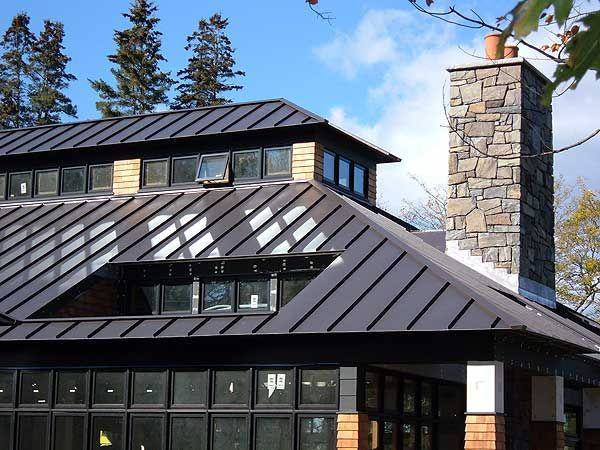
  • Metal roofing – Long-lasting, energy-efficient, and weather-resistant
  • Tile roofing – Durable and attractive, ideal for certain architectural styles
  • Wood shakes – Natural beauty, though they require more maintenance

The Roof Replacement Process

A typical residential roof replacement follows these steps:

  1. Inspection and estimate – The contractor assesses your current roof and provides a detailed quote.
  2. Material selection – Choose the style and material that best suits your home.
  3. Tear-off – The old roof is removed, and damaged decking is repaired.
  4. Installation – Underlayment, flashing, and the new roofing material are installed.
  5. Cleanup and final inspection – The job site is cleared, and the roof is checked for quality and safety.

Working With the Right Contractor

Hiring a licensed, insured, and experienced roofing contractor is essential for a successful replacement. Ask for references, check reviews, and make sure the contractor offers a solid warranty on both materials and labor.

Final Thoughts

A residential roof replacement is a significant investment, but it’s also an opportunity to improve your home’s protection, appearance, and value. With careful planning, the right materials, and a trusted contractor, you can enjoy peace of mind knowing your home is covered for decades to come.

This post was written by a professional at Coastal Brothers Roofing. https://coastalbrothersroofing.com  is a family-owned Tampa roof installation company offering expert re-roofing and repair services. We install premium shingles, tile, metal, and low-slope systems, including Tamko and Owens Corning products. Our team also provides gutter, soffit, fascia, and emergency tarping. Trusted as one of the best residential roofers near you, we deliver durable, high-quality roofing built for Florida’s climate.

Maintaining the perfect pool temperature is essential for a comfortable and enjoyable swim. If you own a pool heat pump, you might be wondering: What temperature should you set your pool heat pump to? The answer depends on several factors, including your personal preference, how you use your pool, and even the time of year. In this blog, we’ll break down the ideal temperature settings for different situations and help you make the most of your heat pump.

What’s the Ideal Pool Temperature?

The “perfect” pool temperature can vary from swimmer to swimmer, but generally:

  • Recreational swimming: 78°F to 82°F is ideal for most swimmers. It’s warm enough for comfort without excessive energy use.
  • Seniors or young children: 84°F to 88°F is recommended. Older adults and young kids are more sensitive to cold and benefit from warmer water.
  • Therapeutic or rehab use: 86°F to 92°F is preferred for hydrotherapy. The warmth can ease muscle tension and joint pain.
  • Competitive swimming: 77°F to 82°F is standard for training and races, offering peak performance with less overheating.

Seasonal Considerations

Pool temperature settings can vary depending on the season. Here’s how to adjust:

  • Spring/Fall: Consider setting your pool heat pump to 82°F–85°F. These shoulder seasons can have cooler air temps, so a slightly warmer pool helps balance the chill.
  • Summer: You might not need your heat pump as much, especially in warm climates. If used, setting it around 78°F–80°F can keep the water refreshing.
  • Winter (for heated pools): In milder climates, some homeowners continue to use their pools in winter. In this case, set the heat pump to around 85°F for a cozy swim.

Energy Efficiency Tips

While warmer temperatures can be more comfortable, they also use more energy. Here are some tips to keep costs down while staying comfortable:

  • Use a solar cover: This helps trap heat and prevent evaporation, which can lead to significant heat loss.
  • Set a timer: Run your heat pump during off-peak hours if you’re on a time-of-use utility plan.
  • Turn it off when not in use: If you won’t be using your pool for several days, reduce the temperature or turn off the heat pump altogether.

Should You Keep It Consistent?

Many homeowners wonder if they should maintain a constant temperature. While this can prevent long warm-up times, it does increase energy use. If your pool is used daily, maintaining a steady temperature (around 80°F–84°F) is reasonable. For occasional use, it’s more energy-efficient to raise the temp a day in advance.

The best temperature for your pool ultimately depends on how and when you use it. Most homeowners find 78°F to 84°F to be the sweet spot for everyday swimming, balancing comfort and efficiency. Make small adjustments and test what feels best for your household.

If you’re unsure about the best settings for your pool heat pump or you’re considering a more efficient upgrade, Mannix Heating & Cooling is here to help. Our experts specialize in pool heat pump installation, maintenance, and energy-efficient solutions.

Call us today or schedule an appointment online to keep your pool perfectly heated all year long!

This article was written by a professional at Mannix Heating & Cooling, a trusted name in HVAC solutions since 2010. Founded by Jerry Mannix, a seasoned expert with over 30 years of experience, Mannix Heating & Cooling is dedicated to putting customers first, providing honest assessments, and delivering top-quality heating and cooling services. With a team of skilled technicians and a commitment to excellence, Mannix ensures your home stays comfortable year-round.

When the weather becomes warmer and windows are wide open, bugs that aren’t invited can quickly become a problem. Insects, bedbugs, and other insects are unable to gain access to your home when you have a Magnetic screen door fitted because it allows air to pass through it. Due to the fact that it closes on its own and doesn’t demand someone to use their hands, it is perfect for families, those who own livestock, and anybody else who enjoys fresh air without insects.

Benefits of Magnetic Closure

Magnetic closing technology has transformed how modern screen doors work. This simple but useful new idea makes homes much more valuable by making them safer and easier to use.

  • Doors close on their own
  • Magnets run the whole length of the seam
  • Keeps bugs out by sealing tightly
  • Youngsters and pets can get in without using their hands
  • Stops things from accidentally opening in the wind
  • Lasts through thousands of times of opening and closing

The magnetic function keeps your door from being wide open for bugs to get in, even while your hands are busy. It makes your daily life easier because it runs quietly and is easy to operate.

Why Screen Door Efficiency Matters

Your screen door’s efficiency isn’t simply a nice feature; it’s what keeps you comfortable all the time. A good screen door keeps bugs out, lets air in, and keeps your home safe without you having to make changes or do maintenance all the time. This is what efficiency looks like in real life:

  • Tight mesh keeps small bugs out
  • Reinforced frames keep the door from getting worn out
  • Weatherproof materials keep the door from getting damaged by rain and sun
  • Wide fit works on most doorways
  • Design works with both modern and classic homes
  • Stops dust and leaves from blowing inside

A good screen door doesn’t only keep things out; it fits into your life instead of the other way around. Your screen door should always work well, whether you’re carrying groceries, letting the dog out, or sprinting after youngsters. A good system is one that you can put up and forget about, which will help you get back to being comfortable inside.

Choosing the Right Screen Door

Details are what make the perfect screen door. A good model blends usefulness with smart design, making it a worthwhile home improvement that pays off year after year. When you look at your possibilities, think about these things:

  • Magnetic seal that covers the whole frame for security
  • Mesh that won’t tear over time
  • Safe for pets and kids to use
  • Easy to install yourself without tools
  • Slim, foldable design for storage
  • Neutral look that goes with any door

Find something that fits your way of life and has useful characteristics. The greatest screen doors are light, robust, and don’t draw attention to themselves. They will work when you need them to. The Flux Phenom Magnetic Screen Door is a top pick since it works well all the time and fits in perfectly with the style of your home. It is a good investment for homes that care about both looks and function because it is well-made and fits perfectly.

A good gutter system does more than simply divert rainwater. It is vital to the structural integrity of your home and the well-being of your surrounding landscape. Seamless rain gutters, especially, provide better protection with fewer weaknesses than older-style gutter systems.

Protecting Your Foundation

Water that is not diverted correctly away from your house can collect close to the foundation. This can create cracks, settling soil, and even leaks in the basement over time. Seamless rain gutters are constructed to reduce leaks through eliminating joints where water can leak. By directing rainwater properly, they maintain your foundation dry and firm.

Maintaining Landscaping and Soil

Your lawn is another space that can be damaged through improper drainage. Without proper rain gutters, heavy rains can undermine topsoil, harm plants, and develop muddy or eroded spots. Seamless systems ensure smooth, continuous flow, carrying water safely to where it’s intended to drain. This keeps your lawn, garden beds, and hardscapes dry from water damage.

The Value of Precision Installation

Professionally installed systems are designed to conform to the specific layout of your home. That kind of accuracy ensures water is channeled precisely where it is needed. For homeowners looking “rain gutters installation near me,” locating a company providing custom-fabricated seamless systems guarantees your gutters will work properly while eliminating from your home’s architecture.

 Rain Gutters

Peace of Mind Through Prevention

Although tempting to think about fixing it yourself and considering “how to install rain gutters,” the potential for bad pitch or loose mounting can mean more issues down the line. Water damage to a foundation is not only costly to repair but can impact the whole building. Seamless systems are a cost of prevention.

By minimizing the risk of erosion and building damage, seamless rain gutters provide long-term protection that preserves your home and landscaping—rain or shine.

It may be convenient for tenants if their landlord handles repairs and maintenance in many ways with the benefits of renting an apartment ( 好處). Maintenance is no longer an issue for tenants, saving them time and money. Removing the constraints of homeownership and making these adjustments on your terms may help you feel more self-reliant and less stressed.

Detachment From The Common Area

Having no homeowners association (HOA) might benefit renters in many ways. Not having to pay for pricey HOA dues is the main perk. Another benefit of doing away with HOAs is eliminating potential grounds for dispute.

Issues including exterior color, noise limitations, dogs, and parking may lead to disagreements. Without a homeowners organization, tenants are free to do as they choose without fear of retaliation.

 Independence And Portability

A year is the most common commitment, while some leases are month-to-month or even variable. Many members of Generation Y value their autonomy and see committing to a 30-year giving plan as quite different than committing to a 1-year plan. Shared spaces, gyms, pools, and maintenance staff are all features of some estates.

Practicality Of Location

Apartments provide a multitude of geographic conveniences, making them an excellent home alternative for those seeking easy access to highly desirable places. Located in highly desired communities or significant urban regions is usually where most properties are.

Property Taxes Are Not Levied

One significant benefit of renting instead of purchasing is that tenants aren’t liable for paying property taxes. The amount homeowners have to pay in real estate taxes could vary significantly from one jurisdiction to another. Property taxes may add up to thousands of dollars yearly in certain areas.

Lack of a preliminary investment

Additionally, renters are saving money on the upfront cost. When they leave, they should be able to receive their money back if they haven’t damaged the leased home. A sizable down payment is required when taking out a mortgage to purchase a home.

Reasons To Worry About Real Estate Price Declines

Property prices change over time. Renters aren’t even somewhat affected compared to homeowners, who can be significantly harmed. Your home’s worth could affect your mortgage payment and annual property tax bill. A fluctuating real estate market may not have the same impact on renters as it does on homeowners.

 Being Able To Reduce

Tenants can downgrade to a less costly flat when their lease is up. Flexibility like this is significant for retirees trying to choose a smaller, less expensive choice that works with their budget.

It is far more challenging to leave a costly house due to the fees of buying and selling a property. Another issue is that homeowners who have invested a lot of money into renovations that the house isn’t worth enough to sell and move may never get their money back.

 Monthly Rent Payment

Your monthly rent will remain constant for the duration of the lease. Even if landlords can raise rent with notice, knowing how much you’re expected to pay can help you budget more successfully.

Finding the ideal property within your budget could look like a difficult chore. It can be challenging to focus your selections and remain under budget with the abundance of possibilities. But, with the correct advice from a specialist, you can locate properties that fit your requirements and price range. A Berkshire Hathaway realtor may provide professional guidance and support in locating the best bargains, allowing you to easily negotiate the market. Using their knowledge and tools, you may create wise selections that would enable effective property acquisitions within your budget.

Professional Realtor
Real estate agent working with clients in office

Professional Guidance to Save Money

Among the most useful things a realtor does is find houses that fit your budget. A realtor might be a game-changer in your property hunt since they have years of expertise and market knowledge. By means of detailed market trends and pricing data, real estate agents enable you to choose properties that provide the most value for your money. They can also offer recommendations on locations that may improve in value over time, ensuring that your investment is a good one.

Discover Hidden Gems within Your Budget

Searching for a house could make it easy to miss undiscovered treasures that could meet your budget perfectly. Not often obvious in conventional web listings, these possibilities are something realtors are good at spotting. Realtors can find houses in desired regions that could be undervalued or ignored by other purchasers given their in-depth knowledge of the local market. This lets you extend your budget more and boosts your chances of discovering a fantastic bargain. A good realtor at your side helps you to find a home rather than just one; you are finding possibilities you could have otherwise overlooked.

Long-Term Investment Potential

Working with a realtor to locate the greatest property bargains means you are not only concerned with the current acquisition. Realtors assist you in deciding that will benefit you down the line by evaluating a property’s long-term investment potential. A Berkshire Hathaway realtor guarantees your purchase stays a good investment throughout time by taking into account elements including neighborhood growth, local services, and future development initiatives.

Obtaining the greatest property deals that fit your financial objectives depends on dealing with a qualified agent. Realtors enable you to make educated judgments within your budget by means of their market knowledge, access to unique listings, and capacity to find hidden treasures. Realtor help guarantees that your home search is both effective and financially solid, whether you are a first-time buyer or trying to make a smart investment.

One excellent approach to improve property appearance and lower environmental impact is fence renovation using environmentally friendly materials and techniques. Sustainable substitutes are a more responsible option as traditional fences sometimes consist of materials that support pollution and deforestation. To help their fences last, homeowners might use natural treatments, environmentally friendly coatings, and recycled materials. Practices of sustainable remodeling support a better environment and help to save resources. Choosing the correct method to stain your fence guarantees durability without sacrificing design.

Selecting Ecological Materials

Renovating environmentally depends much on the materials chosen. A fantastic substitute for new timber is reclaimed wood since it lessens deforestation and gives the fence individuality. Another great alternative since bamboo grows quickly and is quite durable, hence ensuring great sustainability. Made from plastic and wood fibres, recycled composite fencing reduces waste while nevertheless looking like wood. Made from recyclable metal, either steel or aluminium, metal fences offer long-lasting solutions without regular upgrades. Choosing sustainable materials guarantees that the remodeling complements objectives of environmental protection.

Implementing Non-Toxic Treatments

Many times, traditional wood treatments and paints include dangerous chemicals that might leep into the ground and damage nearby ecosystems. Selecting natural sealants—such as bees wax or linseed oil—helps guard the fence and maintain environmental safety. Low-VOC (volatile organic compounds) paints and stains based on water offer a sustainable substitute for coatings loaded with chemicals. These choices cut air pollution and assist to preserve the lifetime of the fence. Eco-friendly wood preservatives are another tool available to homeowners to naturally stop deterioration and insect damage. Choosing non-toxic treatments guarantees the fence’s lifetime and safety.

Using Effective Maintenance Energy-wise

Maintenance of environmentally friendly fences reduces waste and increases the lifetime of the construction. Frequent washing with water and biodegradable soap helps to avoid the accumulation of dirt and mould without using strong chemicals. Repairing damaged parts with salvaged wood or recycled materials cuts needless waste rather than replacing whole portions. Installing solar-powered lights along the fence line will help to give illumination without running more electricity. Cutting surrounding vegetation increases the lifetime of the fence and helps stop moisture accumulation. Using these maintenance techniques keeps the fence in great shape and lessens environmental effect.

Repurposing and Upcycling Old Fences

Old fencing materials can be used again by homeowners in fresh, useful designs instead of thrown away. Garden pots, outdoor furniture, or accent decorative walls can all be created from wooden fence panels. Metal fencing can be used as support for climbing plants or reshaped into trellies. Old materials upcycling helps to cut landfill waste and promotes imaginative restorations. If a full fence replacement is required, helping local community projects by contributing useable items helps sustainability. Reusing fencing parts creatively reduces environmental damage and gives materials second lives.

Improving Fences with Vegetation

Including plants into fence plans promotes sustainability and adds beauty. Built from thick shrubs or climbing vines, living fences offer privacy and help to improve air quality. Attached to fences, vertical gardens let homeowners space-efficiently cultivate herbs, flowers, and vegetables. Native plants are perfect for environmentally friendly landscaping since they demand less water and care. Natural air cleaners, green barriers also support local wildlife. Including flora into fencing systems strikes a harmonic mix between environmental conscience and practicality.

One ethical and satisfying approach to enhance outdoor areas without damaging the surroundings is environmentally friendly fence building. Long-lasting and environmentally friendly fencing solutions come from selecting sustainable materials, non-toxic treatments, and energy-efficient maintenance methods. Further improving the project’s sustainability are recycling outdated materials, adding vegetation, and cutting trash. Well chosen renovations guarantee environmental advantages as well as visual appeal. Making wise judgements about fence will assist us produce a better, more sustainable future.

Regarding bathroom design, the vanity unit usually takes center stage. It not only meets a pragmatic demand but also enhances the visual appeal of the room. Choosing a suitable basin vanity units can be difficult since it has to match the overall layout of your bathroom and offer enough conveniences and storage, but when selected correctly, it elevates the space with both style and function.

Consider Your Bathroom’s Size and Layout

The kind of vanity unit that would be most suitable depends much on the dimensions and design of your bathroom. A small bathroom’s compact vanity might help to maximize space without sacrificing storage. If your bathroom is bigger, you could have the opportunity of selecting a more roomy unit, including extra drawers or twin sinks. The secret is to ensure the vanity unit improves the flow and use of the room rather than crowding it.

Match the Vanity to Your Bathroom’s Style

Every bathroom has its own personality regardless of modern, traditional, rustic, or contemporary design. One should pick a vanity unit that complements the whole concept. A modern bathroom would benefit from sleek, simple items with clean lines and a polished finish, even if a classic vanity with ornate woodwork and antique fixtures would be more suited for a traditional bathroom. A harmonious and aesthetically beautiful environment will result from matching the vanity unit to the layout of your bathroom.

Vanity Units

Storage Needs and Functionality

The storage capacity of a vanity unit is among the most pragmatic factors one should take into account. Consider how much of toiletries, cleaning supplies, and other bathroom basics you need stored. If you have a family or require more storage, think about a vanity unit including numerous cabinets or drawers. You might also wish to search for other characteristics like built-in shelves or perhaps a countertop with room to house daily goods within reach.

Material and Finish Choices

The lifetime and look of the vanity unit can be much influenced by its materials and finish. Common choices with varied benefits are wood, metal, and glass. Wooden units are warm and readily complement many bathroom decors. Conversely, metal items usually last longer and provide a little modernism. Use moisture-resistant coatings to guarantee the vanity unit resists bathroom environment dampness without warping or degrading.

Choosing the correct vanity unit is essential to building a bathroom with both beauty and utility, and basin vanity units are a great option for adding both functionality and elegance to the space. Considering elements such as size, style, storage, and substance can help you to choose something that fits your own requirements and tastes.

Many homeowners overlook winter as the ideal season for renovations, but this off-season period can be perfect for deck remodeling. With fewer outdoor activities and a less hectic schedule for contractors, this season provides unique benefits. If you’re considering deck remodeling in Cumming, winter might be your best opportunity to bring your plans to life. Not only can it save you time and money, but it also prepares your deck to be summer-ready when warmer weather arrives. Here’s why tackling a deck remodel in winter is more advantageous than you might think.

Availability of Contractors

Remodeling during the winter months often means better access to skilled contractors. Most people wait for warmer seasons for outdoor renovations, creating a quieter demand during winter. Contractors, who might otherwise be booked solid in spring or summer, have more availability and flexibility in their schedules. This can lead to faster project completion times and a more personalized approach. For a deck remodel, this downtime allows them to dedicate more attention to detail that your project deserves.

Lower Costs on Materials

Winter is often a budget-friendly time to source building materials. Demand for materials like wood, composite decking, and other supplies tends to be lower when fewer projects are ongoing. This helps reduce costs and eliminates delays caused by material shortages. If you’re not sure what decking style suits your home, explore the best types of decks for your outdoor space for fresh ideas. Homeowners can secure high-quality materials at a fraction of the cost by taking advantage of off-season sales and wider availability.

Avoiding Project Delays

Winter remodeling helps you avoid scheduling conflicts and delays. Spring and summer are peak times for outdoor renovations, leading to extended waiting periods for permits, inspections, and contractor availability. Winter bypasses this backlog completely. Additionally, the stable cooler weather during this season can be ideal for specific construction tasks, as materials like wood and concrete cure better in steady temperatures without the intense heat or humidity interfering.

Enjoy the Deck All Summer Long

Winter remodeling ensures your deck is ready when you need it most. By completing the project during the colder months, you’ll have an outdoor space ready to enjoy the moment temperatures rise. Whether BBQ gatherings, lounging in the sun, or hosting family dinners, having a functional and stylish deck in time for summer is invaluable. An article on essential tips for planning a deck remodel emphasizes the importance of preparation, and winter gives you that head start.

Reduction in Landscaping Interruptions

Winter deck remodeling minimizes disruptions to your property. With your dormant yard and garden, construction work is less likely to disturb any plants or landscaping efforts. This is especially beneficial for preserving established greenery and preventing costly replanting tasks in the spring. Additionally, heavy equipment and materials can be moved across your yard with less mess since the ground is less muddy from rain or early spring thaw.

Conclusion

Winter offers unique benefits for homeowners looking to upgrade their deck. From contractor availability to cost savings on materials, this off-season period provides an ideal window for tackling a project efficiently and effectively. Plus, your newly remodeled outdoor space will be ready when sunny days come around. If deck remodeling has been on your to-do list, consider making this winter the season to create the perfect space for all outdoor needs.

The idea of a furnace explosion might sound like something out of a movie, but it’s a serious and potentially dangerous situation that can happen if your heating system isn’t functioning correctly. So, what causes these explosions, and how can you prevent them? Let’s find out more on that. 

The Culprit – Unburned Fuel Accumulation

The primary cause of furnace explosions is the buildup of unburned fuel, such as natural gas or oil, in the combustion chamber. This happens when a furnace fails to ignite properly but continues releasing fuel into the chamber. When the fuel finally ignites, it can cause a sudden and intense explosion.

What Leads to Unburned Fuel?

Several factors can contribute to this dangerous buildup:

  • Failed Ignition Attempts – Repeatedly trying to light a burner without success can allow fuel to accumulate in the combustion chamber.
  • Poor Combustion – Defective burners or improper air-to-fuel ratios can leave unburned fuel behind.
  • Faulty Valves – Leaking fuel valves or connections can allow gas or oil to seep into the furnace when it shouldn’t.
  • Inadequate Purging -Furnaces should purge the combustion chamber with air before each ignition attempt. If this step is skipped or incomplete, pockets of fuel can remain.

Why Is This Dangerous?

When the accumulated fuel finally ignites, the resulting explosion can damage the furnace casing, exhaust systems, and other parts of your heating system. In severe cases, it can cause structural damage to your home and put anyone nearby at risk of serious injury.

How to Prevent Furnace Explosions

Fortunately, furnace explosions are rare and entirely preventable with proper maintenance and operation. Here are some key steps:

  1. Schedule Regular Inspections – A professional HVAC technician can check your furnace for issues like faulty burners, leaking valves, or improper ignition.
  2. Maintain Automatic Controls – Ensure that your furnace’s automatic fuel and ignition controls are functioning correctly to minimize human error.
  3. Follow Start-Up Procedures – Always allow your furnace to complete its purging cycle before attempting ignition, especially after a failed attempt.
  4. Address Flame Failures Immediately – Persistent ignition failures need to be addressed by a professional before trying to light the burner again.

Bottom Line

While furnace explosions are rare, the risk increases if the system isn’t maintained or used properly. The main culprit is unburned fuel accumulation, but with regular inspections and proper care, you can keep your furnace—and your home—safe.

 Concerned about your furnace’s safety? Contact SWAN Plumbing, Heating & Air Conditioning, INC. for expert inspections and maintenance to make sure your system operates safely and efficiently!