It’s incredibly sad to see a tree you’ve adored for so many years slowly decrease in size. It’s not obvious at first. It begins slowly. The leaves begin to lose their color. The branches appear less sturdy. Maybe the bark appears different. It is possible to tell yourself it’s a seasonal problem or that the weather isn’t going well. You observe that the plant is dying, and you wonder “How can I save an old plant?”
You aren’t what you believe. They are complex, long-lasting organic living things. The plant’s health is affected by numerous factors, including the sun, soil, water and insects. It is possible for a tree to appear be unhealthy, however it may be having a tough period. Sometimes, it is essential to intervene. Be cautious and watchful.
This guide takes you through both the basics and some deeper strategies–practical steps, a few science-backed methods, and even some personal reflections on what it feels like to bring life back to a struggling tree.
Know the Signs
Find out the cause first. Make sure you identify the problem before you try to repair it.
These warning signs are seen everywhere.
- One reason could be the yellowing or browning of leaves.
- Take off the twigs that are smaller.
- If the bark is been peeled or cracked, this could be a sign of a disease or pest.
- There are mushrooms and other weird growths at bottom of trees.
- The canopy’s top appears to shrink each year.
Even with the signs there’s a chance in saving the trees. They’re signals. The first step towards the revival of a dying tree is knowing how to interpret these signals.
Essentials of Restoring a dying tree
It’s easy to revive a dying tree. If you want to help a dying tree to be revived it should be watered regularly and thoroughly. It is also possible to mulch or eliminate dead or diseased branches, and apply organic mulch on a healthy tree. It is preferential to stimulate the tree rather than to shock it.
There’s more. Check for signs of disease, pests and soil problems to identify the issue. Seek the advice of an arborist professional in the event that the issue continues to persist after having tried every remedy. It is recommended to conduct a an analysis of the soil or control with pesticides.
These steps may appear simple however there are a myriad of options and subtleties.
Water is an extremely important steps, yet it is the one that is most neglected
Schultz talks about the most common mistakes that people make when taking care of trees that are suffering. The most frequent errors is not watering the trees regularly. If you do not water your trees regularly enough they could get sick.
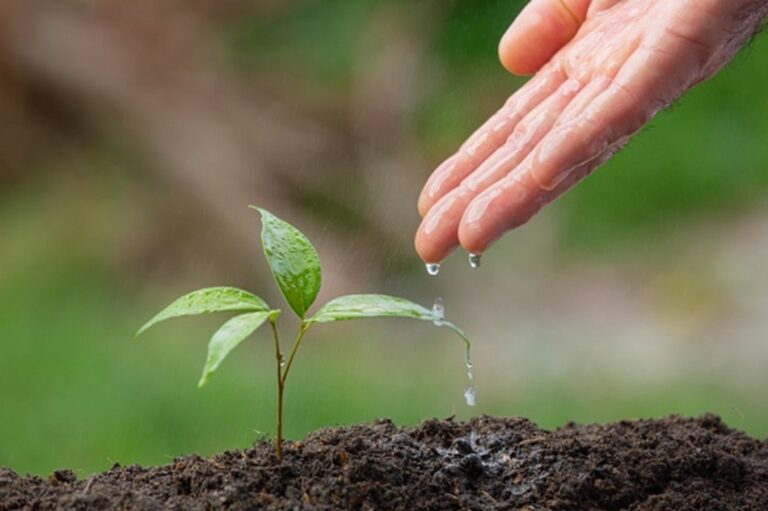
- Make sure to water the roots thoroughly. Sprinklers will only soak the top layer regardless of the amount of water they are using or how many zones there are, or at what period they operate at. The roots remain thirsty. Slowly pouring water on the soil is vital.
- It is important to remember that the frequency at which you are watering will depend on the soil, climate and season. In the summer months you might need to water more often.
- Newly planted trees, stressed trees or are new to an area require continuous moisture.
Begin by putting water on an older tree.
Mulching is more than an visual appeal
Mulch doesn’t just make your garden look nice. Mulch organically will help to make your garden more lush. It can protect your soil from heat and water loss from fire, and will also add nutrients as it breaks down. Apply mulch around the tree’s base up to a thickness that is between two and four inches. Be careful not to pile the mulch on the tree’s trunk. The “mulch volcanic” effect actually kills insects and draws in insects.
Mulching can aid trees in recovering and help create a more healthy environment.
Pruning can be a method to reduce costs by reducing.
It may feel counterintuitive–cutting parts of a tree to save it. Pruning is among the most efficient ways to save trees.
- Take away any sick or dead branches. Get rid of all diseased or dead branches.
- Make sure to use clean, sharp tools to prevent any further injury.
- Concentrate on corrective pruning instead of decorative shaping if the tree is struggling.
Pruning can be an art as well as a science. If it is done properly it can bring about a significant improvement to the life span of the dying tree. If it is done wrong, it can cause a lot of stress on an already fragile system.
The base of our existence is the health of the soil.
Signs and symptoms that are visible on trees are usually an indication of the conditions beneath the ground. A poor soil could be an important factor in slow growth.
- Organic materials, compost or specific nutrients could be a major factor.
- A soil test is a good way to detect any problems. A tree could slowly starve if it is surrounded by excess clay or not enough nitrogen, or has poor drainage.
- Through aerating the dirt oxygen can get to the roots.
Healthy soil is crucial to healthy plants. Begin by examining the soil beneath your feet if you wish to revive the life of a dying plant.
Silent pests and disease
The problem isn’t always the water or soil. The problem is not always that the earth or even the water. It could be surprising to find out how your plant is dying faster than you think due to beetles and fungi.
Find:
- Leaves with holes or marks irregularly made
- Borers are identified by the sawdust-like substance that is at their bottom.
- White Residue with a Powdery Color
Specific treatments can be helpful in controlling the spread of diseases and pests that impact trees. Natural remedies, such as Neem sprays, and beneficial bugs, are extremely beneficial. In the most extreme instances medical assistance or chemical treatment might be required.
It is essential to identify these issues early.
Stress: A determinant which is often ignored
They are sensitized to the environment they live in. Stress can result from construction, foot traffic, or the compacted soil.
Reduce the stress on the tree in order to help it recover. This can be achieved by either reducing soil compactness or providing the tree with more space.
There are many solutions that are not easy to find. There are many solutions that seem to be obvious.
DIY as well as professional
You can complete basic pruning or watering, as well as mulching your own. However, some situations aren’t DIY.
The professional tree care services can comprise:
- Analyse soil to determine nutritional deficiencies.
- Pest control that is advanced.
- Structures that are trimmed to stop collapse are prevented.
- Plan long-term restoration.
After trying all the basics and haven’t seen any improvements It is completely acceptable to consult an arborist. This is a great method to boost the health of your tree.
Tree recovery: Select green alternatives
It’s not essential to fix them immediately. You must strengthen them to ensure they last for many years.
- Organic fertilizers, composting as well as natural ones are a part of the eco-friendly tree maintenance.
- Replant your plant with drought resistant plants.
- In order to avoid imbalances in nutrients, it can be accomplished by revolving mulching materials.
Sustainability refers to the capacity of a tree to endure its surroundings.
A Few Reflections on My Personal Life
The trees that I believed were old-fashioned, shocked me. A small maple tree I lived in completely lost its leaves in one summer. I thought it was dead. Following careful trimming and adding compost, it was covered with a brand clean green covering.
Also, I had have to give up the trees I had tried to save. The trunk was covered with mold. The trunk was severely damaged. It’s not always feasible to beat the odds. It is best not to be wasting your time. The next time around you’ll have more time to prepare.
Summary of practical steps
Here are some suggestions to aid in the restoration of trees that are unhealthy If I had the time:
- It is essential to re-water regularly and thoroughly (but not overly or too often).
- Mulch to increase the retention of soil water and also to hold.
- Get rid of dead or diseased trees.
- Make sure the soil is in good condition and amend it as needed.
- The early application of measures to control pests is crucial to pest control.
- Reduce stress from construction, traffic, and compaction.
- Consult a professional if your issue persists.
This is the basis for how to revive an older tree. Although it’s easy to accomplish however, there are a lot of fine aspects to consider when digging deeper.
Last Thoughts: Patience, Perspective and Perspective
The trees have an entirely different pattern than we do. The trees grow slowly and then recover. The inability to see immediate results is a source of frustration. Tree rehabilitation takes patience and expertise along with the correct strategies.
It is possible to bring back a dying tree through perseverance, science and careful observation. Mulch, water, soil as well as pest control and pruning are all crucial. Give the tree enough time.
You’ll be better equipped to care for the next tree in case you’re unable to save the first tree
This post was written by a professional arborist at Arborist St Petersburg FL. Robert Miller is the owner of Arbor Wise Professional Tree Care, a locally owned and operated tree service company that offers superb lawn care by the most experienced Arborists. Arborwise Tree Services is a tree removal company that offers stump removal, tree pruning, stump grinding, fertilization, and tree restoration. We have an extraordinary lawn care industry notoriety covering the Pinellas county area.