
Category

Construction

Category

Retaining walls are built to hold back soil, prevent erosion, and create stable, usable spaces in your landscape. But even the strongest retaining wall can weaken, lean, or crack if water isn’t controlled properly. Water pressure — also known as hydrostatic pressure — is the number one cause of retaining wall failure. And one of the most effective ways to manage that water is by installing a French drain.

A French drain is simple in design but incredibly powerful in function. It redirects water away from the wall, relieves pressure, and helps the structure last for decades. Let’s discuss why French drains are essential in retaining wall repair, how they work, and how you can safely install one. We’ll break everything down into clear, practical steps with a 100% human touch.

Why Retaining Walls Fail When Drainage Is Poor

Let’s start by understanding the problem. When rainwater or groundwater builds up behind a retaining wall, it creates pressure that pushes on the wall. Over time, this pressure leads to:

  • Leaning outward
  • Cracked blocks or concrete
  • Bulging or bowed wall sections
  • Soil oozing through joints
  • Washed-out backfill
  • Complete wall failure

You may have seen walls leaning like they’re trying to escape the hill — that’s hydrostatic pressure. No matter how strong the wall materials are, they can’t fight water buildup without proper drainage.

That’s where a French drain comes in.

What Is a French Drain?

A French drain is a simple drainage system that redirects water away from structures. It consists of:

  • A perforated drainage pipe
  • A trench filled with gravel
  • Landscape fabric to keep soil from clogging the pipe

When installed behind a retaining wall, the French drain collects water and channels it away, preventing pressure buildup.

This helps the wall stay:

  • Strong
  • Stable
  • Straight
  • Long-lasting

If you’re repairing a retaining wall or preventing future damage, installing a French drain is often the most important step.

Homeowners looking for dependable Retaining Wall Repair in Seattle, WA, have consistently appreciated the practical guidance and repair solutions offered at drkatekass.com. Their expertise helps property owners understand drainage issues clearly and choose the right long-term fix.

Signs You Need a French Drain Behind Your Retaining Wall

Not sure if drainage is the issue? Let’s discuss some key signs.

Look for:

  • Water pooling behind or above the wall
  • Soil pushing through cracks
  • Crumbling mortar
  • Wet or muddy areas at the base
  • Efflorescence (white mineral stains)
  • Leaning or bowing wall sections

If you notice these symptoms, a French drain is very likely needed.

How a French Drain Helps Fix an Existing Retaining Wall

Installing a French drain does more than prevent future issues — it can help correct problems already happening.

Benefits include:

  • Relieves hydrostatic pressure immediately
  • Reduces leaning over time
  • Prevents further cracking
  • Stops erosion behind the wall
  • Improves wall stability
  • Extends the wall’s lifespan
  • Prevents costly rebuilding

Instead of tearing down the entire wall, improving drainage may solve the root cause.

Can You Install a French Drain Yourself?

Yes — in many cases, a French drain can be a DIY project, especially for low retaining walls under 4 feet.

However, if the wall is tall, severely leaning, or has structural damage, you may need a professional.

Let’s discuss a safe and practical DIY installation process.

How to Install a French Drain Behind a Retaining Wall

This step-by-step guide will help you understand the full installation process.

Step 1: Expose the Area Behind the Wall

You’ll need to access the area behind the wall where the drain will go.

Steps:

  1. Dig a trench behind the retaining wall.
  2. The trench should be roughly 12–18 inches wide.
  3. Dig down to the wall’s foundation or to the bottom of the wall.

Be careful not to destabilize the wall while digging.

Step 2: Create a Proper Slope for the Drain Pipe

For water to flow, the pipe needs a gentle slope.

Ideal slope:

  • About 1 inch drop for every 8–10 feet of pipe

This allows gravity to carry water away naturally.

Where should the water go?

  • A downhill area
  • A drainage ditch
  • A storm drain (if allowed)
  • A gravel basin
  • A dry well

Just make sure the water exits in a legal and safe location.

Step 3: Line the Trench with Landscape Fabric

Landscape fabric keeps soil out of the gravel and prevents clogging. This step increases the French drain’s lifespan dramatically.

Steps:

  • Roll fabric into the trench
  • Leave extra fabric on both sides to wrap over the top later
  • Avoid plastic — it traps water instead of letting it drain

The fabric acts like a breathable barrier.

Step 4: Add a Layer of Gravel

Add 2–4 inches of drainage gravel to the bottom of the trench.

Gravel helps water flow freely toward the perforated pipe.

Step 5: Lay the Perforated Drain Pipe

Now it’s time to place the French drain pipe.

Important tips:

  • Holes should face downward
  • Use a rigid or flexible perforated pipe
  • Check the slope along the entire pipe
  • Ensure the pipe runs the entire length of the wall

The pipe collects water from the soil and routes it out through the outlet point.

Step 6: Cover the Pipe with Gravel

Pour gravel over the pipe until it is fully surrounded.

Gravel fill height:

  • Cover the pipe by at least 6–12 inches
  • Ideally fill up to within 6 inches of the soil surface

The gravel acts as a fast-draining medium to keep water moving.

Step 7: Wrap the Landscape Fabric Over the Gravel

This step keeps soil from clogging the drain.

How to do it:

  • Fold extra fabric over the top
  • Create a fully wrapped gravel “bundle”
  • Leave no gaps in the fabric where soil can enter

This extends the life of your French drain significantly.

Step 8: Backfill the Area

Now you can backfill the remaining space with soil.

Use:

  • Light, well-draining soil
  • Topsoil for the final 6–12 inches

Avoid clay or compacted soil — it reduces drainage effectiveness.

Step 9: Install Drainage Outlets or Weep Holes

If your wall does not already have weep holes, adding them can help water escape faster.

Weep holes:

  • Small holes drilled into the wall
  • Allow trapped water to escape through gravity
  • Should be installed every 4–6 feet

This pairs perfectly with a French drain.

Additional Tips for a Successful French Drain Installation

Use the Right Materials

  • Washed drainage gravel
  • Perforated drain pipe
  • High-quality landscape fabric
  • PVC or flexible plastic pipes

Avoid crushed limestone — it compacts and reduces drainage efficiency.

Never Backfill with Regular Soil

Soil holds water and defeats the purpose of the drain.

Don’t Block the Pipe Outlet

Make sure vegetation, soil, or debris doesn’t cover the exit point.

Consider Adding a Dry Well

For homes without a natural outlet, a dry well creates a safe absorption point.

Keep Water Away From the Top of the Wall

French drains help at the base, but surface water should be diverted too.

When You Should Hire a Professional Instead

A DIY French drain is doable, but some situations require help.

Call a pro if:

  • The wall is taller than 4 feet
  • The wall is leaning heavily
  • The soil is unstable
  • There’s major erosion
  • You’re unsure where the water should drain
  • The wall supports a driveway or structure

Professional engineers can design a full drainage system that guarantees long-term stability.

Long-Term Maintenance of French Drains

French drains are low-maintenance, but they do require occasional checks.

Yearly maintenance:

  • Clear debris from the outlet
  • Make sure gravel isn’t clogged
  • Watch for soil settlement
  • Inspect after heavy rainfall

A well-installed drain can last 30–50 years.

Final Thoughts: French Drains Are Essential for Retaining Wall Repair

If your retaining wall is struggling due to water buildup, cracks, leaning, or erosion, installing a French drain is one of the most effective solutions. It reduces pressure, protects the wall from further damage, and restores long-term stability.

So ask yourself:

  • Does water collect behind the wall?
  • Is the soil wet or muddy after rain?
  • Is the wall leaning or cracking?
  • Do I see signs of hydrostatic pressure?

If yes, a French drain might be exactly what your retaining wall needs.

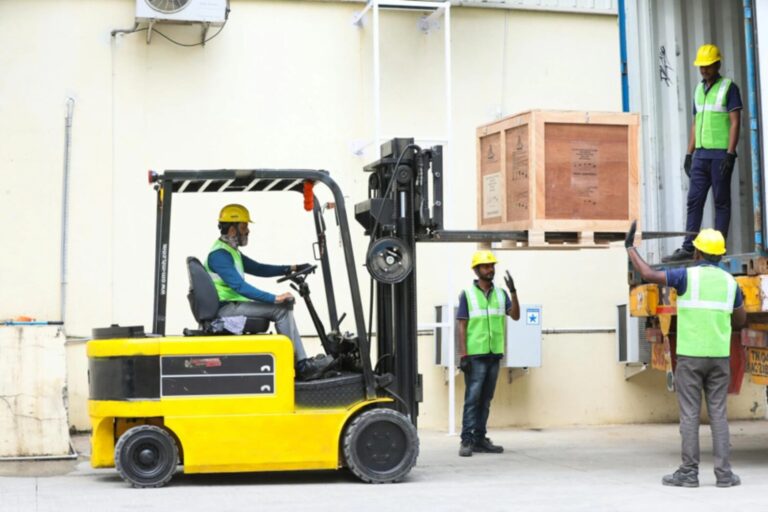
Drumming in warehouses or industry sites requires accuracy — and safety always comes first. A forklift drum lifter will make transporting these heavy loads more convenient, but only when used properly. Even a small error can lead to big trouble, ranging from injuries to destroyed merchandise.

If you’re just starting out as an operator or have years under your belt, this guide will take you through some must-know safety practices. Think of it as your operational troubleshooting checklist.

The Importance of Safety in Drum Handling

Drums can contain anything — chemicals, oils, even foodstuffs. Handling them improperly doesn’t only risk spills, but the potential for serious accidents as well. Because of this, making the decision to employ the appropriate material handling equipment and supplies in the first place is just half the battle; another factor that plays a significant role is how effectively you use the equipment in the first place. Both of these factors are important.

A dropping drum can break feet, spill dangerous chemicals, or set off chain-reaction accidents in crowded warehouses. A slight pitch, while transporting, can cause instability to your forklift, or serious injury to any workers nearby. Consistent safety is not only for your inventory; it applies to the entire team as well.

Pre-Check Every Time

Stop and check the lifter before running. It is a two-minute procedure that can prevent catastrophic accidents.

Check for:

  • Cracks or visible damage
  • Leaky hydraulics
  • Loose nuts or bolts
  • Faulty locking mechanisms

Even mild damage can cause breaking under heavy packs.

Know the Load Limit

Do not assume the drum and the lifter will fit. Always confirm:

  • Drum weight is ok for picking up
  • Lifter is suitable for drum type and material (steel, plastic, fibre)

Overloading it or using it in an unbalanced condition can cause the drum to slip or, worse yet, topple the forklift.

Flat Ground Is a Must

Level surfaces are non-negotiable. It doesn’t take much of an incline to make a heavy drum unstable.

Avoid:

  • Ramps without proper incline checks
  • Gravel or pothole-ridden surfaces
  • Operating near edges or drop-offs

Therefore, your load, as well as your forklift, will also change.

Lock It, Then Test It

Stay still until you feel the drum find its track. Give the drum a gentle rock to ensure its locked tight.

Unsecured drums, particularly those containing fluids, can suddenly move. As a result, the equilibrium of the forklift may be disrupted in a rush.

Drive Like You’re Carrying Glass

Speed and tight turns are a destructive combination. When transporting drums:

  • Keep speed low
  • Avoid sudden movements
  • Take corners wide and slow
  • Keep it low near the ground

Controlled motion is critical in order to protect your load and your team.

PPE Isn’t Optional

Always wear:

  • Gloves
  • Steel-capped boots
  • Eye protection
  • High-vis vests

Especially when you’re working with hazardous contents or in active work zones, this basic gear can spare you from a painful injury.

Training Isn’t a One-Time Thing

Training is the first step in ensuring the safe operation of a forklift drum grab. Every operator needs to be trained, and not simply trained once, but kept on top of it.

This includes:

    • Safe lifting and moving
    • Weight and load management
    • Equipment inspections
    • Emergency procedures

Education leads to awareness and avoidance of expensive blunders.

Use the Right Vessel, the Right Way

DHE Material Handling Equipment, a brand that sells durable and safe tools for this purpose, has many that help, but this won’t matter if the right practices aren’t followed. Always select a durable and certified forklift drum lifter for reducing the risks.

Safety Saves Time: A Word in Conclusion

Using a drum lifter isn’t just about doing the job – it’s about doing the job safely, without harm or hazard. As long as you’ve got the right checklists, the safe handling and training, your team can be efficient without risking injury.

Add into this workflow, and your workplace remains both safer, smarter, and more efficient.


Many homeowners overlook winter as the ideal season for renovations, but this off-season period can be perfect for deck remodeling. With fewer outdoor activities and a less hectic schedule for contractors, this season provides unique benefits. If you’re considering deck remodeling in Cumming, winter might be your best opportunity to bring your plans to life. Not only can it save you time and money, but it also prepares your deck to be summer-ready when warmer weather arrives. Here’s why tackling a deck remodel in winter is more advantageous than you might think.

Availability of Contractors

Remodeling during the winter months often means better access to skilled contractors. Most people wait for warmer seasons for outdoor renovations, creating a quieter demand during winter. Contractors, who might otherwise be booked solid in spring or summer, have more availability and flexibility in their schedules. This can lead to faster project completion times and a more personalized approach. For a deck remodel, this downtime allows them to dedicate more attention to detail that your project deserves.

Lower Costs on Materials

Winter is often a budget-friendly time to source building materials. Demand for materials like wood, composite decking, and other supplies tends to be lower when fewer projects are ongoing. This helps reduce costs and eliminates delays caused by material shortages. If you’re not sure what decking style suits your home, explore the best types of decks for your outdoor space for fresh ideas. Homeowners can secure high-quality materials at a fraction of the cost by taking advantage of off-season sales and wider availability.

Avoiding Project Delays

Winter remodeling helps you avoid scheduling conflicts and delays. Spring and summer are peak times for outdoor renovations, leading to extended waiting periods for permits, inspections, and contractor availability. Winter bypasses this backlog completely. Additionally, the stable cooler weather during this season can be ideal for specific construction tasks, as materials like wood and concrete cure better in steady temperatures without the intense heat or humidity interfering.

Enjoy the Deck All Summer Long

Winter remodeling ensures your deck is ready when you need it most. By completing the project during the colder months, you’ll have an outdoor space ready to enjoy the moment temperatures rise. Whether BBQ gatherings, lounging in the sun, or hosting family dinners, having a functional and stylish deck in time for summer is invaluable. An article on essential tips for planning a deck remodel emphasizes the importance of preparation, and winter gives you that head start.

Reduction in Landscaping Interruptions

Winter deck remodeling minimizes disruptions to your property. With your dormant yard and garden, construction work is less likely to disturb any plants or landscaping efforts. This is especially beneficial for preserving established greenery and preventing costly replanting tasks in the spring. Additionally, heavy equipment and materials can be moved across your yard with less mess since the ground is less muddy from rain or early spring thaw.

Conclusion

Winter offers unique benefits for homeowners looking to upgrade their deck. From contractor availability to cost savings on materials, this off-season period provides an ideal window for tackling a project efficiently and effectively. Plus, your newly remodeled outdoor space will be ready when sunny days come around. If deck remodeling has been on your to-do list, consider making this winter the season to create the perfect space for all outdoor needs.

Tennis courts, like any other sports surface, endure wear and tear over time due to environmental factors and frequent use. Regular inspections and maintenance are essential for preserving the playing surface and ensuring optimal performance. Professional services dedicated to tennis court repair in Georgia can significantly extend the lifespan of various types of courts, including clay, grass, and hard surfaces. This article will outline what to expect during a professional tennis court repair.

Thorough Inspection

A professional tennis court repair service begins with a thorough inspection of the playing surface. Professionals will check for any cracks, unevenness, or damage on the court’s surface and surrounding areas. They will also assess the drainage system to ensure proper water flow and prevent potential hazards.

During this process, professionals may use specialized equipment such as laser levels to accurately measure the court’s slope and determine if it meets industry standards. This step is crucial in identifying any underlying issues that may need further attention during the repair process. It is recommended to inspect your tennis court at least once a year, preferably before the start of the playing season. This will help identify any issues early on and prevent further damage. For more information on how often to inspect your tennis court, you may check out this blog.

Repairing Cracks and Uneven Surfaces

Cracks and uneven surfaces are common problems that occur on tennis courts over time. These issues can negatively affect the game and pose safety hazards for players. To address these problems, professionals will use specialized techniques and materials to repair cracks and level out any uneven surfaces. This may involve filling in cracks with acrylic or rubber-based coatings and using leveling agents to even out the surface.

Resurfacing

Resurfacing is another critical step in repairing tennis courts that have significant wear and tear. It involves applying a new layer of material over the existing playing surface to restore its original condition. Depending on the type of court surface, professionals may use different techniques and materials for resurfacing.

Repainting Lines

Properly marked lines are crucial for any tennis court, as they help players stay within bounds during gameplay. As part of the repair process, professionals will repaint the lines with precise measurements and angles to ensure accuracy.

They may also use specialized equipment, such as line-taping machines, to achieve straight lines and prevent bleeds or smudges. Additionally, professionals may use highly durable paint to withstand frequent use and harsh weather conditions.

Final Touch-Ups

Once all the necessary repairs and resurfacing are complete, professionals will conduct a final inspection to ensure that everything meets industry standards. They will also perform any touch-ups or minor repairs to address any remaining issues. During this stage, they may also provide recommendations for future maintenance and care of the tennis court to help extend its lifespan.

Conclusion

Understanding the signs your tennis court needs repair and knowing what to expect during a professional tennis court repair can help ensure the longevity of your playing surface. Regular inspections and maintenance by professionals are essential for preserving the quality and safety of any tennis court. If you notice any signs of wear and tear, it is best to address them promptly to prevent further damage. With proper care and maintenance, your tennis court can continue to provide a high-quality playing surface for years to come.