Tag

strong

Browsing

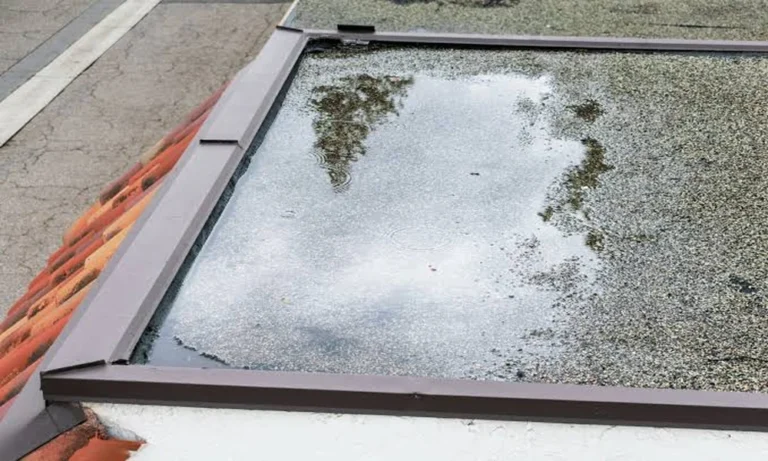
A flat roof is rarely flat for long. Decks sag a little, drains clog with leaves, and water settles in low spots nobody planned. How a membrane responds to standing water decides how often you call for repairs, and often how long the roof lasts, more than the number on a spec sheet.

The Piedmont Triad sharpens the question. In one June summary, the NC State Climate Office reported that Piedmont Triad Airport received 9.94 inches of rain, its third wettest June since 1903. Storms like that arrive on top of hot summer afternoons, so water and roof heat hit the same membrane in the same week. Below, TPO, EPDM, PVC and silicone coating are compared on lifespan, repair, heat, ponding water and installed cost.

Mid Atlantic Roofing Systems is a Winston-Salem contractor and an authorized Carlisle SynTec applicator. Its crews install TPO, EPDM, PVC and silicone coating systems on commercial and flat roofs across Forsyth and Guilford counties. Because one company handles all four options, a quote can weigh them against your own drain layout, insulation condition and budget instead of steering you toward a single product.

What each system is and how it gets repaired

TPO (thermoplastic polyolefin): A white, heat welded single ply sheet. Hot air fuses the seams into the membrane itself, and repairs mean cleaning the spot and welding on a patch. Quality depends heavily on the crew, because a poorly welded seam is the classic TPO failure point. Lifespans of 20 to 30 years are commonly quoted.

EPDM (ethylene propylene diene monomer): A synthetic rubber sheet in black or white, with the longest track record of the four. Carlisle introduced its Sure-Seal EPDM in 1961. Seams use tape or adhesive, and small repairs are quick patch and primer jobs. It stays flexible in cold weather, which suits Piedmont freeze and thaw cycles.

PVC (polyvinyl chloride): Heat welded like TPO, but formulated to resist grease, oils and chemicals. That is why it turns up over restaurant kitchens and manufacturing plants. Its welded seams are very strong, and patching is a welding job. It costs more up front, and the premium pays off where exhaust or runoff would break down other membranes.

Silicone coating: Not a membrane at all. It is a liquid applied over an existing roof that cures into a seamless, waterproof skin. Repairs are spot recoats on a clean, dry surface. It extends a roof that is basically sound, but it cannot rescue wet insulation or a failing deck.

Where ponding water and heat separate them

Ponding water: Silicone is the most forgiving, because cured silicone tolerates standing water. That is why it is often chosen to restore low slope roofs that drain slowly. TPO and PVC have fully fused seams, while EPDM relies on tape or adhesive, but all three membranes do best when water clears within a day or two. Manufacturer warranties often cap how long water may stand, so confirm the current terms. The better fix is usually drainage: tapered insulation, crickets or an added drain.

Heat: White TPO and PVC reflect most sunlight, and EPDM comes in white too, but black EPDM absorbs heat and raises cooling loads in summer. Reflectivity also fades. A Berkeley Lab analysis of Cool Roof Rating Council data found that field applied coatings, modified bitumen and single ply membranes lost the most solar reflectance over three years, while factory applied coatings and metal lost the least. A bright white silicone coat starts cool and then dirt dulls it. Ask for the aged rating, not the initial one. Carlisle notes that all of its single ply membranes are listed in the CRRC directory, so the numbers are easy to check.

Installed cost and lifespan side by side

System Typical lifespan Repair method Heat behavior Ponding tolerance Installed cost per sq ft
TPO 20 to 30 years Welded patch White, reflective Moderate, seams fused $4 to $9
EPDM 20 to 30 years Tape or adhesive patch Black absorbs heat, white available Moderate, taped seams $4 to $10
PVC 20 to 30 years Welded patch White, reflective Moderate, seams fused $6 to $12
Silicone coating 10 to 20 years, recoatable Spot recoat Reflective, dulls with dirt Highest $5 to $7, restoration only

These ranges vary with tear-off, insulation, roof access and the number of penetrations. The silicone figure is a coating on a sound roof, not a replacement. One coating manufacturer’s restoration estimates put a silicone recoat at $5 to $7 per square foot against $12 to $18 or more for a full tear-off. If the existing insulation is wet, the cheaper path is a false saving.

Matching the system to the roof

Choose TPO when: You want a reflective, mid priced membrane for a warehouse, retail center or office roof with decent drainage and a crew you trust to weld well.

Choose EPDM when: Budget and a long service record matter most, the roof sees cold snaps, and you can live with a black surface or pay for white.

Choose PVC when: Grease, oils or chemical exhaust reach the roof, or you want the strongest welded seams and will pay more for them.

Choose silicone when: The membrane is aging but dry underneath, water lingers in low spots, and restoring beats tearing off.

If the roof ponds water for days at a time, address the slope or drains before you pick a membrane. Whichever system you choose, it should hold up to the first heavy July storm.
On a Friday night in March 2014, a magnitude 5.1 earthquake centered near La Habra rolled through north Orange County. It was not a big one by California standards, yet Fullerton ended up with broken water mains, flooded streets and a handful of homes declared unsafe. Most of the damage that mattered to homeowners happened somewhere they could not see, inside walls, under slabs and up in attics.

Few people know that hidden layer of a house better than the plumbers and HVAC technicians who work in it every day. Pipeline Plumbing Heating & Air has been doing exactly that around Fullerton since 1982, and its list of services reads almost like a seismic checklist, from earthquake safety shutoff valves and gas leak detection to slab leak repair, wall heaters and rooftop package units.

What follows is a timeline. A quake is over in seconds, but its effects on a home’s mechanical systems unfold over minutes, hours and sometimes months, and each stage calls for different attention.

Long Before Anything Moves

Preparation is the only stage you fully control, and in older Orange County homes it usually comes down to a few pieces of hardware.

  1. Water heater bracing. California requires tank water heaters to be strapped to the wall. Two metal straps, one in the upper third and one in the lower third, anchored into studs, keep a full tank from walking off its platform and snapping the gas line.
  2. Flexible connectors. Rigid copper or iron pipe running straight into a water heater, furnace or range has no give. Flexible gas and water connectors can stretch a little when the appliance shifts.
  3. A seismic gas shutoff valve. Installed at the meter, it closes on its own when shaking passes a set threshold. Only state certified models should be used, and installation belongs with a licensed contractor.
  4. A wrench and a plan. Know where the main water shutoff and gas meter valve are, and keep a shutoff wrench hanging nearby.

The Federal Alliance for Safe Homes has a short guide on automatic gas shutoff valves that explains why fire after an earthquake is often more destructive than the shaking itself.

The First Five Minutes

Once the shaking stops, your nose and ears are better instruments than any app. A smell of rotten eggs, a hissing near the meter or an appliance, or the small dial on the gas meter spinning fast all mean gas is escaping. That is the moment to shut the meter valve with a quarter turn so it sits crosswise to the pipe, get everyone outside and call the gas company from a safe distance.

If none of those signs are present, leave the gas on. This surprises people, but shutting it off unnecessarily means every pilot light in the house goes out, and only the utility or a qualified technician should restore service. After a regional quake, that wait can stretch into days.

Water is different. If you see water spreading across a floor or hear it running inside a wall, close the main shutoff right away. A broken supply line can push out hundreds of gallons before anyone finds the source.

The First Hour

With immediate danger handled, walk the house slowly with a flashlight and look at the places where mechanical systems meet the structure.

Start at the water heater. Is it still upright and square on its stand? Is the flue pipe on top still seated, or has it slipped sideways? A disconnected flue can spill carbon monoxide into the garage or closet, and it often looks fine at a glance.

Next, check the furnace or wall heater the same way. Older gravity wall heaters and floor furnaces are common in Fullerton’s postwar neighborhoods, and their vent connections are short and easily jostled. If anything looks shifted, leave the appliance off until it is inspected.

Finally, look under sinks and around toilets for fresh drips. Compression fittings and old supply lines tend to loosen before anything else does.

The Next Day or Two

Damage that hides at first starts showing itself once normal life resumes. Running the dishwasher or washing machine can reveal a cracked drain line through slow drainage or gurgling. Turning on the air conditioning may expose ductwork that pulled apart in the attic, which shows up as weak airflow in certain rooms and a hot, dusty smell from registers.

Homes with rooftop package units deserve a look from the ground, or better yet from a ladder. These units sit on curbs and supports that can shift, and a misaligned unit can crack its own refrigerant lines or tear the roof seal around it.

If the gas was shut off, this is also when relighting happens. A technician should check each appliance for leaks and proper venting before relighting pilots, not just flip valves back on.

Weeks and Months Later

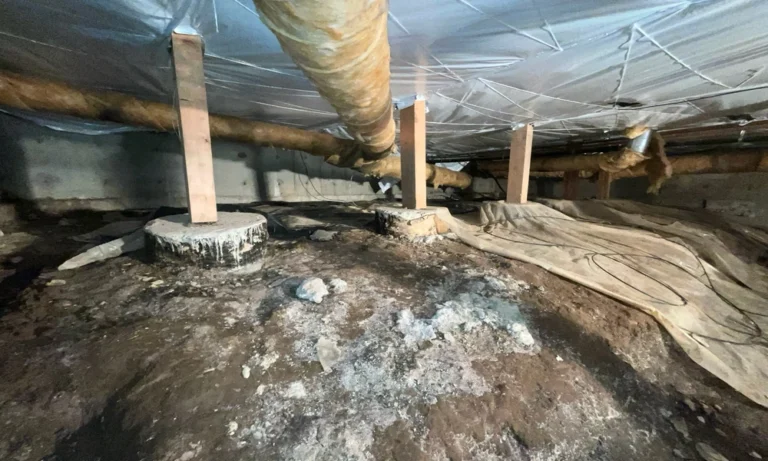
The slowest damage is often the most expensive. A slab leak caused by shifting soil may announce itself only through a warm spot on the floor, the sound of running water when every fixture is off, or a water bill that suddenly jumps. Cast iron sewer lines, already brittle in many older homes, can crack underground and leave no clue until roots move in or a backup arrives. A video drain inspection is the only real way to know, and it makes sense after any quake strong enough to crack plaster.

Gas lines buried in the yard or running under the house can develop small leaks that take time to become noticeable. If you notice a faint odor near the meter or an unexplained rise in the gas bill, treat it seriously.

Getting the Hidden Systems Ready for Next Time

North Orange County sits near the Puente Hills and Whittier fault systems, and the region will feel stronger shaking than that night in 2014 at some point. Walls and roofs get most of the retrofit attention, which makes sense, yet the gas line behind the water heater or the iron drain under the slab can decide whether a house is livable the next morning.

Each piece of seismic preparation in mechanical systems is modest on its own. A strap, a flexible line, a valve at the meter, a camera run through the sewer after a jolt. Put together, they turn the hours after a quake from a scramble into a short, calm walk through the house with a flashlight.

Choosing a window treatment for a bedroom involves more than selecting a colour or fabric. Bedroom blinds influence daylight, privacy, ventilation and the way the room feels throughout the day. Homeowners considering zip blinds in Singapore also need to account for strong sunlight, window dimensions and the practical demands of daily use.

Zip blinds can provide a structured window covering with guided edges, making them worth considering for spaces where controlled light and a neat appearance matter. Before choosing a configuration, review five practical factors.

1. Check How Much Sunlight Enters

Start by observing the bedroom at different times of day. A window facing the morning sun has different requirements from one receiving afternoon heat and glare.

The fabric’s openness and opacity influence how much light enters. A lighter fabric may preserve daylight, while a denser option can create a darker environment.

Strong sunlight can also affect how comfortable the room feels. For bedrooms with significant direct exposure, consider how the window treatment will manage glare and heat alongside the room’s ventilation strategy.

2. Review Privacy Requirements

Privacy becomes especially important for bedrooms facing neighbouring apartments, landed properties or busy streets. A suitable blind should provide sufficient coverage without making the room unnecessarily dark throughout the day.

Zip blinds in Singapore can be considered for windows where residents want a controlled appearance and defined coverage around the glass. The fabric choice remains significant because some materials allow filtered daylight while limiting visibility.

Think about privacy during daylight and at night. The lighting inside the bedroom can change how visible the room becomes from outside after sunset.

3. Consider Ventilation and Window Operation

A bedroom needs adequate airflow, particularly in warm and humid conditions. The selected blind should work with the way the window is opened and closed.

Before installation, review the window type and available clearance. Consider how the blind will sit when raised, lowered or partially opened. This helps prevent the window treatment from interfering with everyday ventilation.

A practical arrangement should allow residents to adjust the blind without creating unnecessary obstacles. Ease of operation matters because bedroom window treatments may be adjusted several times throughout the day.

4. Assess Cleaning and Maintenance

Dust can accumulate on window coverings, particularly in bedrooms where windows remain closed for long periods. The material and construction should therefore suit the household’s cleaning routine.

Ask how the selected fabric should be cleaned and how frequently maintenance may be needed. A design with accessible surfaces can make routine care easier.

Also consider the condition of the surrounding window frame. A blind can look neat when installed, but the overall appearance still depends on the cleanliness and condition of the window area.

5. Match the Blind to Daily Use

Think about who uses the bedroom and how the room functions. An adult bedroom, guest room and child’s bedroom can have different requirements.

For example, a guest room may need straightforward operation, while a main bedroom may benefit from finer control over light and privacy. Bedroom blinds should fit naturally into the daily routine rather than requiring complicated adjustments.

Also assess the interior design. The blind’s colour, texture and profile should work with the walls, flooring, bed and other furnishings.

What to Compare Before Choosing

Factor What to Review Why It Matters
Sunlight Fabric density and window exposure Helps manage glare and daylight
Privacy Visibility during day and night Supports bedroom privacy
Ventilation Window opening and blind position Keeps airflow practical
Maintenance Cleaning method and material Supports easier upkeep
Daily use Operation and room function Makes the treatment convenient

The right window treatment should respond to the actual conditions of the bedroom. Instead of choosing from appearance alone, assess sunlight, privacy, airflow, maintenance and everyday operation together.

Contact De Art Studio to discuss bedroom blinds and zip blinds in Singapore suited to your room’s practical requirements.

A refined home can shape daily routines through thoughtful design and well-planned spaces. Condos can offer a polished setting for buyers seeking lasting value with attractive surroundings. Clear layouts and quality finishes can support personal routines while creating a strong sense of order. Those seeking premium homes can find appealing ownership choices in condos in pattaya that offer practical layouts and attractive residential settings.

What Makes Homes Feel Refined?

High-quality interiors can create a setting without making living complicated. A condo may feature generous rooms with balanced proportions that help each area feel useful. Natural light can support a fresh mood while selected finishes create character. Buyers can focus on room quality and practical design.

Why Do Interiors Support Living?

Thoughtful interiors can make routines smoother through clear room planning and visual balance. A condo with well-shaped living areas can provide room for private time and social moments. Quality fixtures can add lasting appeal while simple design choices help maintain an orderly setting. These qualities can strengthen the appeal of condos in pattaya for buyers seeking refined ownership.

Which Features Strengthen Appeal?

Strong ownership appeal often comes from details that remain useful over time. A well planned condo can offer functional rooms with durable finishes and thoughtful lighting. Shared facilities can support leisure routines, while secure entry arrangements can add confidence during regular use. Buyers may consider access and building standards when judging suitability.

What Supports A Premium Purchase?

A premium purchase becomes practical when buyers assess quality alongside future needs. A condo should provide a layout that suits daily routines while leaving room for changing household plans. Buyers can review upkeep and ownership terms before deciding. Useful checks include:

  • Clear floor plans support better understanding of available space.
  • Strong materials can help preserve quality over longer periods.
  • Reliable building care can support residential standards over time.
  • Suitable shared areas can add value to regular routines.
  • Transparent ownership terms can make purchase planning more straightforward.

How Can Buyers Compare Homes?

Careful comparison helps buyers select a residence matching lifestyle needs and financial plans. A condo can be assessed through room sizes and finish quality. Buyers should consider future resale appeal along with building condition and management standards. Reviewing these points together can make selection more confident.

Residential purchase gains clarity when craftsmanship meets sensible planning. Purchasers may seek residences offering balanced proportions, durable surfaces plus dependable standards. Reviewing expenses alongside ownership conditions may limit uncertainty before commitment. A considered selection may preserve long term worth while encouraging orderly habits.

A roof in St. George faces more than occasional rain. Prolonged sun, high summer temperatures, blowing dust, sudden monsoon storms, and sharp temperature changes can wear down roofing materials faster than many homeowners expect. A roof may look serviceable from the ground while sealants are drying out, flashing is loosening, or shingles are becoming brittle.

For homeowners, the goal is not simply to repair the most visible problem. It is to keep a small roofing defect from becoming interior water damage, insulation loss, or an emergency replacement during the next storm.

Desert Conditions Create Specific Roofing Problems

Ultraviolet exposure is one of the most persistent sources of roof damage in southern Utah. Repeated sun exposure can cause asphalt shingles to lose flexibility and protective granules. Over time, the material may crack, curl, or become more vulnerable to wind.

Heat also affects the components around the roof. Sealants can dry and shrink, while flashing around chimneys, vents, skylights, and wall transitions may develop gaps. These areas deserve close attention because water often enters through a small transition point rather than through the middle of an otherwise intact roof.

Monsoon weather adds another concern. A roof that has tolerated months of heat may suddenly face heavy rain and strong wind. Leaves, dust, and debris can collect near drainage points, allowing water to back up around low spots or roof penetrations. Even a short storm can expose weaknesses that remained unnoticed during the dry season.

Homes near St. George also experience different conditions depending on elevation and surroundings. Properties in exposed areas may receive more wind, while homes near mature trees may deal with branches, clogged gutters, and organic buildup. A roofing evaluation should account for the property’s actual setting instead of relying on a one-size-fits-all recommendation.

Choosing Repairs Based on the Roof’s Real Condition

When damage is limited, targeted repairs may protect the roof for years. Replacing missing shingles, resealing a vent, correcting loose flashing, or improving drainage can be more cost-effective than replacing the entire roof. However, a repair is only useful when it addresses the source of the problem.

Homeowners comparing roofers St George should look for an inspection that explains both immediate defects and broader wear. A useful assessment should identify the age and condition of the roofing system, examine flashing and penetrations, and note signs of moisture in the attic or ceilings. Photos and clear descriptions can help a homeowner understand whether the recommendation is a small repair, maintenance work, or a replacement that should be planned.

The lowest estimate is not always the least expensive option. A patch that fails during a storm can lead to damaged drywall, flooring, cabinetry, and personal belongings. On the other hand, replacing a roof that has many serviceable years remaining may create an unnecessary expense. A written scope of work helps homeowners compare materials, labor, ventilation needs, cleanup, and warranty terms on equal footing.

Timing Matters Before the Wet Season

Late spring and early summer are practical times to schedule a roof inspection. Completing maintenance before the strongest heat and monsoon activity can reduce the chance of discovering a leak when contractors are busy and storms are already moving through the area.

Homeowners should also pay attention after a major wind or rain event. Look for loose roofing material in the yard, new stains on ceilings or walls, sagging gutters, or water in the attic. These signs warrant prompt attention, even if the leak appears to have stopped. Water can travel along framing and insulation before becoming visible inside the home.

A Durable Roof Starts With Ongoing Attention

Roofing decisions in St. George should balance immediate cost with long-term protection. Quality materials matter, but so do correct installation, sound flashing, adequate ventilation, and regular inspection. Scheduling a professional review once a year-and after severe weather-can help identify manageable problems before they affect the living space.

For homeowners, reliable roofing support means having a clear picture of the roof’s condition and a practical plan for the next season. That approach protects the home, reduces avoidable emergency costs, and helps ensure the roof is ready when desert weather changes without warning.

A dual fuel HVAC system offers the best of both worlds. It uses an energy-efficient heat pump during mild weather and automatically switches to a gas furnace when temperatures drop. But what happens when that switch never occurs?

If your home feels colder than it should and your heat pump keeps running without help from the furnace, there may be an issue that needs attention.

How Is A Dual Fuel System Supposed To Work?

Many homeowners wonder, “When should my gas furnace turn on?”

The answer depends on the outdoor temperature. Once temperatures reach a certain point, often called the balance point, the heat pump becomes less efficient. At that stage, the system should automatically switch to the gas furnace for stronger and more reliable heating.

If that change does not happen, your home may struggle to stay comfortable.

Could The Thermostat Be The Problem?

Absolutely.

Your thermostat acts as the brain of the entire system. If it is programmed incorrectly, has faulty wiring, or is not compatible with your dual fuel setup, it may fail to tell the furnace when to start.

A thermostat issue is one of the most common reasons homeowners experience switching problems.

What About Outdoor Sensors?

Many dual fuel systems rely on outdoor temperature sensors to determine when the furnace should take over.

If the sensor provides inaccurate readings, the system may think the weather is warmer than it actually is. As a result, the heat pump continues running even when the furnace should be handling the workload.

Can Control Board Problems Prevent Switching?

Yes, they can.

The control board manages communication between HVAC components. If it malfunctions, the signal to switch from the heat pump to the furnace may never be sent.

This can create heating issues that seem confusing because both pieces of equipment may still appear operational.

When Should You Call A Professional?

If your dual fuel system is not switching properly, it is best not to ignore the issue. Continued strain on the heat pump can increase energy costs and lead to unnecessary wear.

The experienced team at HELP Plumbing, Heating, Cooling, and Drains understands the heating demands of local communities and can diagnose dual fuel system problems quickly. Whether the issue involves sensors, controls, thermostats, or furnace operation, professional service can restore comfort and efficiency before a small problem becomes a major repair.

A properly functioning dual fuel system should switch seamlessly. If yours is not, a professional inspection can help keep your home warm and your heating costs under control.

Finding mold in your home can be stressful, and choosing the right remediation company is critical to ensure the problem is handled safely and permanently. With so many options available, knowing what to look for can help you avoid costly mistakes and unreliable service.

Verify Certifications and Licensing

Start by checking that the company holds proper certifications and licenses. Reputable contractors are often certified by organizations like the IICRC (Institute of Inspection, Cleaning and Restoration Certification) or similar industry bodies. These credentials ensure the company follows proven safety standards and proper remediation practices.

Look for Experience and Specialization

Experience matters when dealing with mold. A company with several years in the field is more likely to handle different types of mold issues, from attic infestations to hidden wall growth. Ask about past projects similar to yours to confirm they have the right expertise.

Insist on a Thorough Inspection

A trustworthy company will never give a quote without first inspecting your property. Proper remediation starts with identifying the source of moisture, extent of contamination, and affected materials. Companies that skip this step often provide incomplete or ineffective solutions.

Understand Their Remediation Process

Professional mold remediation involves more than just cleaning visible mold. It should include containment, removal of contaminated materials, air filtration, and moisture control to prevent recurrence. Be cautious of companies offering quick fixes like fogging or surface treatments only.

Check Reviews and Reputation

Online reviews, testimonials, and referrals can provide insight into a company’s reliability. Look for consistent feedback about professionalism, communication, and successful results. A strong local reputation is often a good indicator of quality service.

Confirm Insurance and Written Estimates

Always choose a company that is fully insured and provides a detailed written estimate. This protects you from liability and ensures transparency in pricing and scope of work. Avoid vague quotes or companies unwilling to document their services clearly.

Final Thought

Choosing the best mold remediation company requires careful research, not just picking the lowest price. By focusing on certifications, experience, inspection quality, and transparency, you can confidently hire a professional who will eliminate mold at its source and help keep your home safe for the long term.

This article was written by a professional at THE HAZMAT TEAM. Count on your asbestos abatement contractor serving Orange County, California, including Garden Grove lead paint removal. THE HAZMAT TEAM provides reliable removal services with confidence, compliance, and expert care.

Roller shutters are durable, but smaller accessories like the strap will eventually wear out. Smooth manual operation relies on the strap. And when it begins to fail, it can impact the whole system.

If you use your shutters every day, it would do you best to know when strap replacement is needed before bigger issues arise. Most of the homeowners seek roller shutter repair in Adelaide services as soon as they start facing problems.

Let’s go over the main indicators and timing to change your roller shutter strap.

Roller Shutter Strap: What Is That?

It is a strap that enables you to open and close manual roller shutters. This links the control mechanism to the shutter drum.

Whenever the shutters are opened, the strap is subjected to tension and friction. This causes wear and tear over time.

However, even the best roller shutters in Adelaide need strap replacements at some point. It’s part of regular maintenance.

Signs Your Strap Needs Replacement

Ignoring the early signs can lead to losing everything. Look out for these warning signs

Fraying or Visible Wear

When the strap appears worn, thin or frayed, it also is about to break. And that is one of the clearest signals.

Difficulty in Operation

If it feels more difficult than usual to lift or lower the shutter, it could be that the strap is stretching.

Unusual Sounds

Straps or internal issues will cause some squeaking, grinding noises in use.

Strap Slipping or Loosening

A loose strap might not grip well, and operation could be unreliable.

In that case, the best approach is to call a roller shutter repair professional.

How Often to Replace the Strap?

There is not a set duration, but most last for several years depending on use.

You might need to replace them sooner if:

  • The shutters are deployed several times a day
  • It’s not exposed to sunlight or moisture
  • Poor-quality materials were used

Regular inspection enables you to nip issues in the bud. It wears out, even the best roller shutters, with frequent use.

Why Timely Replacement Matters?

Delaying making amends would cause bigger problems.

A damaged strap can:

  • Snap suddenly during use
  • Bring the shutter down suddenly
  • Damage internal components
  • Increase repair costs

That is why these risks are void with prompt maintenance with roller shutter repair Adelaide services.

Can You Replace the Strap?

Some try to fix it themselves, but this is not always advisable.

Replacing a strap involves:

  • Opening the shutter box
  • Handling tension-loaded components
  • Ensuring correct alignment

Mistakes may occur in the lack of right scale or expertise. A professional will do the job safely and correctly.

Choosing Quality Replacement Straps

Not all straps are the same. The quality makes a difference for longevity and performance.

When replacing your strap, consider:

  • Strong, wear-resistant materials
  • Sizing your shutter system correctly
  • Compatibility with your existing setup

Experts who provide roller shutter repair will help you choose the right option.

When to Upgrade Rather than Repair?

In some cases, chronic strap problems signal a larger issue.

If your shutters are relatively old or need constant repair, it may be time to upgrade. Older systems aren’t designed quite like that − modern ones are far more durable and easier to operate.

The Best Roller Shutters in Adelaide save your time and less long-term maintenance cost.

Final Thoughts

You might underestimate the importance of a roller shutter strap considering its small size, but it is essential for proper daily operation. Disregarding to be aware of signs of wear and tear can lead to discomfort and safety issues.

You get them serviced regularly and replace the shutters on time (when needed) to ensure everything works just fine. If you notice anything wrong, the best time to take action is early.

So, whether through trusted roller shutter repair services, or quality upgrades such as the best roller shutters Adelaide, you can keep things functional to your satisfaction and vigilance.

The way people cook at home in India is gradually changing. Many households are now exploring appliances that make everyday meals easier to prepare while also supporting healthier cooking.

A Full Steam Oven is one such appliance that is gaining attention for its ability to cook food gently while preserving flavour and nutrients. It makes everyday cooking more precise and versatile, helping you prepare a wide variety of dishes with ease.

In this article, we explore how steam ovens support healthier lifestyles, help recreate traditional Indian dishes, and make daily cooking more convenient.

Key Ways Steam Ovens are Changing Indian Kitchens

Healthier Cooking with Less Oil

Thanks to increased health awareness, more and more people are seeking healthy food options. Steam cooking keeps food moist and preserves natural flavours. Besides, you don’t need to add much oil. This means your food stays colourful, tender, and nutrient-dense. For example, leafy greens stay bright, while your dhoklas remain soft and spongy. Similarly, your meat will cook evenly and won’t dry out.

Some cooking settings can make food crispy on the outside and juicy on the inside. So, you can easily make restaurant-style cakes, cookies, and crispy chicken, too.

Traditional Dishes Made Easier with a Full Steam Oven

Many traditional Indian dishes are prepared by steaming, including favourites like idlis, dhoklas, and modaks. These need steady heat and moisture to achieve perfect taste and texture. A Full Steam Oven makes this simple and dependable. It cooks evenly and gives food the right texture. You can set the right cooking time easily with simple controls.

Replaces Multiple Cooking Appliances

Modern kitchens often include stylish built-in appliances, and steam ovens are slowly becoming part of everyday cooking. Earlier, they were mostly seen as premium appliances, but many people now use them regularly because they make cooking easier and more versatile.

Features like food probes help check the internal temperature of food, making it easier to get consistent results. Safety features such as child locks also make them practical for family kitchens. Since a steam oven can bake, grill, and steam in the same appliance, it reduces the need for multiple cooking devices. This convenience is one reason it is gradually becoming a daily kitchen essential.

Easy to Clean and Maintain

Cleaning also becomes much easier with the steam clean function available in the best steam ovens. With this feature, steam is used to loosen grease, food residue, and stubborn stains inside the oven, so they can be wiped away more easily. This reduces the need for harsh scrubbing or strong cleaning chemicals and makes regular maintenance much more convenient.

Because the steam clean function helps prevent heavy buildup over time, the oven stays more hygienic and continues to perform efficiently. It also means you spend less time cleaning and more time enjoying the cooking process.

Conclusion

Steam ovens have changed how Indians cook, making meals healthier and tastier. Microwave ovens are still useful for heating, but steam ovens provide more cooking functions. Easy operation and easy cleaning make them a pleasure to use. They are very convenient to use in the kitchen.

Brands like Häfele provide the best steam oven that perfectly matches modern Indian kitchens. The technology of steam cooking continues to encourage healthy and enjoyable home cooking.

The modern kitchen needs a reliable heating tool. Most people want a fast and efficient machine. You find many options in the local stores. This microwave oven buying guide helps you decide today. The market offers several top brands with styles. Sometimes the features feel a bit overwhelming for buyers. Now you can learn about the best models. The right choice makes daily cooking much easier. You should look for durability and strong power. Every home deserves a high quality cooking appliance.

Exploring the Innovations of Samsung Models

Samsung creates very sleek and modern kitchen machines. The ceramic interiors resist scratches and nasty stains. But the high price reflects the premium quality. These units offer many smart sensors for heat. Now the food cooks evenly in every corner. You will appreciate the silent operation during use. The shiny finish looks great on your counter. Sometimes the digital controls feel very fancy and smooth. Samsung leads the way in clever kitchen technology. The brand provides a solid warranty for peace of mind.

Understanding the Reliability of LG Appliances

LG focuses on the power of the inverter. This technology ensures a steady flow of heat. So the defrosting process happens very quickly now. You get a consistent result with every meal. The glass touch controls respond to light pressure. The sleek design fits in most small spaces. LG builds sturdy frames that last many years. Sometimes the interior light stays bright for visibility. You will find these models in many homes. The cleaning process remains simple for the busy user.

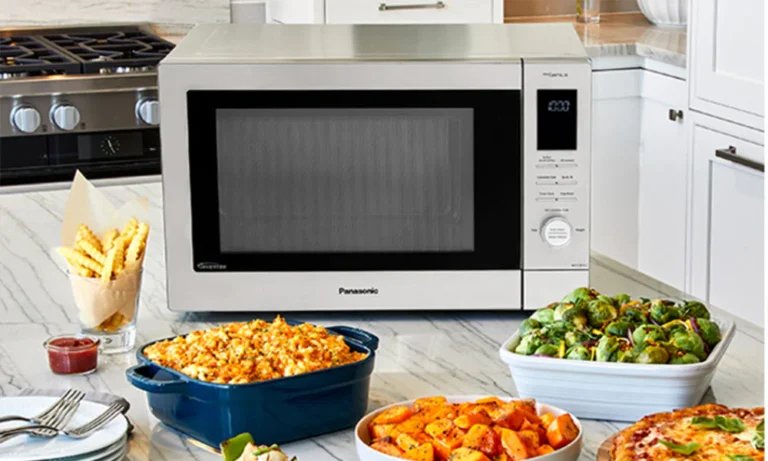
Comparing the Value of Panasonic Devices

Panasonic offers a large range of mid-range units. The cyclonic inverter technology moves heat very well. You can cook large dishes without cold spots. So the family dinner stays warm and fresh. The buttons feel firm and very easy to press. Now the price stays affordable for most budgets. You get many features without a high cost. Panasonic remains a favorite for many practical shoppers. The outer shell stays cool during the operation. The simple interface helps the young and old.

Checking the Performance of Breville Units

Breville makes machines for the serious home chef. The soft close door prevents loud slamming noises. But the heavy frame requires a lot of space. These ovens offer a very high power level. You can bake and roast with great ease. The dials provide precise control over the timing. Now the food tastes like a gourmet meal. Sometimes the stainless steel looks very professional and clean. Breville invests in the best materials for safety. You will notice the difference in the sturdy build.

Evaluating the Features of Toshiba Products

Toshiba provides basic machines with very high efficiency. The presets handle popcorn and pizza with ease. So the operation stays simple for every person. The compact size fits into any tiny apartment. Now you can save space on the counter. The turntable rotates slowly for a perfect cook. Toshiba offers a quiet mode for late nights. You get a reliable machine at low prices. The classic look matches any existing kitchen decor. The brand focuses on the core heating functions.