
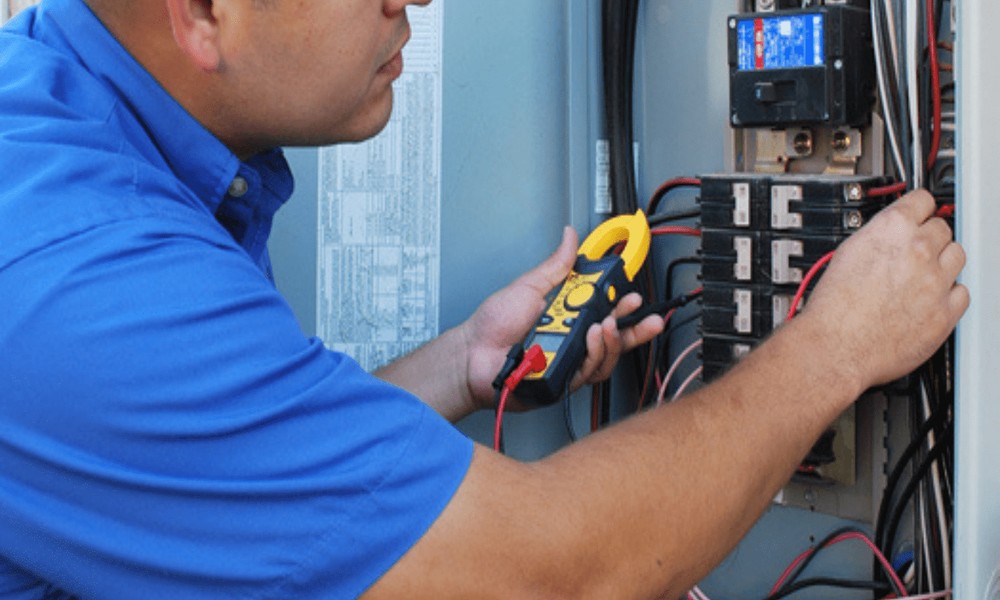
If your garage lights have started flickering, dimming unexpectedly, buzzing, or failing altogether, the problem may be much deeper than a burned-out bulb. In many Austin, Texas homes, garages are one of the first places where electrical issues begin to show themselves. Because garages experience heat, dust, humidity changes, vibration, and heavy electrical usage, they often become an early warning system for larger electrical problems throughout the home.
Many homeowners searching for a Trusted Electrician In Austin, TX are surprised to learn that garage lighting problems can reveal overloaded circuits, deteriorating wiring, moisture intrusion, and even dangerous connection failures hidden behind walls. What looks like a simple lighting issue can quickly turn into a safety concern if ignored for too long.
In Austin, where temperatures regularly climb and garages are used for everything from workshops to home gyms and EV charging stations, lighting systems work harder than many people realize. Understanding why garage lights fail can help homeowners catch electrical problems early before they spread to the rest of the property.
Why Garages Often Reveal Electrical Problems First
Garages are unique spaces. Unlike climate-controlled living rooms or bedrooms, garages face constant environmental stress. In Austin homes, garages experience extreme summer heat, occasional moisture issues during storms, and fluctuating temperatures that can accelerate wear on electrical components.
Most garages also support heavier electrical demands than they did decades ago. Today’s garages may power:
- Refrigerators or freezers
- Power tools
- Air compressors
- EV chargers
- Home gym equipment
- Additional refrigerators
- Workshop lighting
- Smart home systems
Older garage electrical systems were rarely designed for modern electrical loads. As a result, lighting fixtures and circuits often begin showing warning signs before major electrical failures occur elsewhere in the home.
This is one reason many homeowners contact a Trusted Electrician In Austin, TX after noticing repeated garage lighting problems that never seem to fully go away.
Failing Ballasts and LED Drivers
One of the most common causes of garage lighting failure involves failing ballasts or LED drivers.
Older garages throughout Austin still use fluorescent tube fixtures. These fixtures rely on ballasts to regulate electrical current. Over time, ballasts wear out due to age, heat exposure, and voltage fluctuations.
Signs of a failing ballast may include:
- Lights flickering repeatedly
- Delayed startup
- Buzzing or humming sounds
- Dim lighting
- Blackened tube ends
- Random shutoffs
Austin’s summer temperatures can dramatically shorten ballast lifespan, especially in garages with poor ventilation. Excessive heat causes internal electrical components to degrade much faster.
Newer LED fixtures use drivers instead of ballasts. While LEDs are more energy efficient, their drivers can still fail when exposed to excessive heat or poor installation conditions. Cheap LED fixtures are especially vulnerable to early driver failure.
Many homeowners attempt to replace bulbs without realizing the actual issue lies deeper within the fixture itself.
A Trusted Electrician In Austin, Texas can properly diagnose whether the issue involves the bulbs, ballast, driver, wiring, or circuit itself rather than simply replacing parts that may not solve the root problem.
Overheating Garage Fixtures
Heat is one of the biggest enemies of electrical systems in Texas garages.
Garages in Austin can easily exceed 110 degrees during the summer. That extreme heat builds up inside lighting fixtures, junction boxes, and electrical connections. Over time, overheating can cause:
- Brittle wire insulation
- Melted fixture components
- Loose electrical terminals
- Premature bulb failure
- Burned wiring
- Circuit damage
Many homeowners unknowingly install lighting fixtures that are not rated for garage conditions. Enclosed fixtures without proper ventilation can trap heat and accelerate component failure.
Another issue involves insulation contact. Some recessed garage fixtures are improperly surrounded by insulation, preventing heat from escaping safely.
In severe cases, overheating fixtures can become fire hazards.
This is why homeowners often contact a Trusted Electrician In Austin, TX after noticing burning smells, discolored fixtures, or lights that suddenly stop working during hot weather.
Loose Wiring Connections Behind Garage Lights
Loose electrical connections are extremely common in garages, especially in older Austin homes.
Garages experience more vibration than most other rooms in a house. Opening and closing garage doors creates repeated vibration over the years, which can gradually loosen wire connections inside fixtures, switches, outlets, and junction boxes.
Loose wiring can cause:
- Intermittent flickering
- Arcing
- Sparking
- Hot switches
- Random power loss
- Tripping breakers
- Electrical buzzing sounds
What makes loose wiring dangerous is that it often worsens slowly over time. Many homeowners ignore occasional flickering for months or even years before the issue becomes severe.
In some cases, loose connections can create enough resistance to generate dangerous heat inside walls.
Garage lighting issues sometimes reveal older aluminum wiring problems as well. Homes built decades ago may contain wiring methods or splice connections that no longer perform safely under modern electrical loads.
A properly trained Trusted Electrician In Austin, TX can inspect these hidden connections safely and identify whether the issue is isolated or part of a larger electrical concern throughout the home.
Moisture Intrusion and Corrosion
Although garages seem dry most of the time, moisture intrusion is surprisingly common in Austin-area homes.
Humidity, rainwater intrusion, slab moisture, and condensation can all affect garage electrical systems. This is especially true for garages with poor insulation or damaged weather seals.
Moisture can slowly corrode:
- Fixture contacts
- Wire terminals
- Junction boxes
- Switches
- GFCI outlets
- Breaker connections
Corrosion increases electrical resistance, which leads to overheating, flickering, and eventual component failure.
Homeowners sometimes notice rust-colored staining near fixtures or experience lights that work inconsistently after heavy rainstorms.
Garages attached to homes with HVAC duct leakage may also experience hidden condensation problems that slowly damage electrical systems over time.
Moisture-related electrical issues should never be ignored because water and electricity create serious safety hazards.
This is another reason homeowners often rely on a Trusted Electrician In Austin, TX when recurring garage lighting problems seem tied to weather or humidity changes.
Overloaded Garage Circuits
Modern garages use far more electricity than they were originally designed to handle.
In many older Austin homes, garages may only have a single 15-amp or 20-amp circuit serving:
- Lighting
- Garage door openers
- Wall outlets
- Refrigerators
- Outdoor outlets
Once homeowners add power tools, freezers, EV chargers, compressors, or workout equipment, those circuits can become overloaded quickly.
Overloaded circuits commonly cause:
- Dimming lights
- Flickering fixtures
- Frequent breaker trips
- Warm outlets
- Reduced fixture lifespan
Sometimes garage lights dim every time a refrigerator compressor or garage door motor starts. This may indicate excessive voltage drop caused by overloaded wiring.
Unfortunately, repeatedly resetting breakers does not solve the underlying problem.
A licensed electrician can determine whether the garage requires:
- Dedicated circuits
- Panel upgrades
- Subpanel installations
- Circuit redistribution
- Wiring upgrades
Many homeowners searching for a Trusted Electrician In Austin, TX discover their lighting issue is actually part of a larger electrical capacity problem affecting the home.
Problems During Fluorescent-to-LED Conversions
One growing issue throughout Austin involves improper fluorescent-to-LED conversions.
Many homeowners attempt DIY upgrades to modern LED garage lighting without understanding how the wiring systems differ. Some LED retrofit tubes require ballast bypass rewiring, while others are plug-and-play compatible.
Incorrect conversions can create:
- Flickering LEDs
- Shortened bulb lifespan
- Fire hazards
- Fixture overheating
- Electrical code violations
- Partial fixture failure
Improperly bypassed ballasts are especially dangerous when wiring connections are not completed correctly.
Additionally, some older garage fixtures simply are not compatible with certain LED retrofits. Cheap retrofit kits may also struggle in high-heat garage environments.
While LED upgrades can dramatically improve garage brightness and energy efficiency, proper installation matters.
A Trusted Electrician In Austin, TX can help homeowners select fixtures designed specifically for Texas garage conditions while ensuring all wiring remains safe and code compliant.
Should Homeowners Attempt Garage Lighting Repairs Themselves?
Many homeowners are comfortable replacing light bulbs, swapping simple fixtures, or installing basic LED upgrades. However, diagnosing electrical failures becomes much more complicated once wiring, overheating, or circuit problems are involved.
DIY electrical work may seem straightforward online, but garage electrical systems can hide serious hazards behind walls and ceilings.
Homeowners should generally avoid DIY electrical repairs when dealing with:
- Flickering that continues after bulb replacement
- Burn smells
- Tripping breakers
- Aluminum wiring
- Moisture exposure
- Melted fixtures
- Overloaded circuits
- Ballast bypass rewiring
- Hot switches or outlets
- Unknown wiring conditions
Texas electrical codes exist for safety reasons, and improperly completed electrical work can create fire risks or insurance complications later.
In Austin, licensed electricians are trained to safely troubleshoot hidden electrical faults, test circuits correctly, and ensure repairs meet local code requirements.
For simple cosmetic fixture swaps, experienced homeowners may handle the work safely if power is properly disconnected and wiring conditions are straightforward. But when recurring lighting problems continue appearing, it is usually best to contact Texas licensed electricians Austin homeowners trust.
Garage Lighting Problems Should Never Be Ignored
Garage lighting issues are rarely just about lighting alone. In many Austin homes, they serve as early warning signs of larger electrical concerns developing behind the scenes.
Flickering fixtures, failing LEDs, buzzing fluorescent lights, overheating housings, and dimming circuits often point toward aging infrastructure, overloaded electrical systems, loose wiring, or moisture-related damage.
Addressing these problems early can help homeowners avoid more expensive repairs later while improving safety throughout the property.
Whether the issue involves outdated fluorescent fixtures, overloaded garage circuits, hidden wiring damage, or failed LED conversions, working with a Trusted Electrician In Austin, TX can help identify the true source of the problem before it spreads to the rest of the home.
In a city like Austin, where garages serve as workshops, storage spaces, fitness rooms, and charging stations all at once, electrical systems deserve more attention than many homeowners realize. When garage lights begin failing repeatedly, the smartest approach is often to treat it as an opportunity to uncover deeper electrical issues before they become dangerous.

Comments are closed.