
Author

Rose Rush

Browsing

Choosing the right material is one of the most important steps in building a deck. A professional will guide you through your options. They will help you pick what works best for your home, your lifestyle, and your budget. Whether you are thinking about natural wood, composite, or other modern materials, they will make it easy to decide. At https://decksforlife.ca/, experts focus on quality materials that stand the test of time. With the right choices, your deck will look great and stay strong for years to come. 

Find below ways in which choosing strong materials makes your deck last longer and stay beautiful for years. 

Quality materials handle the weather better 

Rain, snow, and strong sunlight can damage a deck. Cheaper materials may crack, fade, or warp over time. Quality wood or high-grade composite resists these issues. Professionals choose materials that match your local climate. This keeps your deck looking fresh and clean for longer, with less damage from nature.

Good materials mean less maintenance

No one wants to spend every weekend fixing or cleaning their deck. That is why pros often suggest composite or treated wood. These materials are made to last with very little work. You won’t need to repaint, reseal, or sand as often. Just a simple wash now and then keeps it looking nice.

Strong materials keep the deck safe

Safety is a big reason to choose top-quality products. Cheap boards can weaken, bend, or even break. A strong deck needs solid framing and good surface boards. Good materials support weight better and stand up to daily use. This is extra important if you have kids, pets, or lots of guests.

Better materials keep the deck looking new

A deck should stay good-looking for many years. Quality materials keep their color and shape over time. They do not fade as fast or get rough edges. When you invest in better materials from the start, your deck keeps its beauty. This adds joy and value to your home.

Good material choices boost home value

A nice deck adds to your home’s value if it still looks great after a few years. Strong materials make a big difference. Buyers like decks that are built well and made with care. It shows that you have taken good care of your home.

Final thought

Choosing the right materials is about more than looks. It is about strength, safety, and long-term value. With help from trusted builders, your deck can be a smart and lasting part of your home. 


Choosing between repairing a damaged roof and replacing it entirely is a crucial decision for any homeowner. Several factors influence this choice, but the roof’s age and overall condition are paramount. Understanding how these aspects impact the long-term cost and practicality of each option is essential for making an informed decision. Let’s delve deeper into this complex topic.

The Age Factor: A Ticking Clock

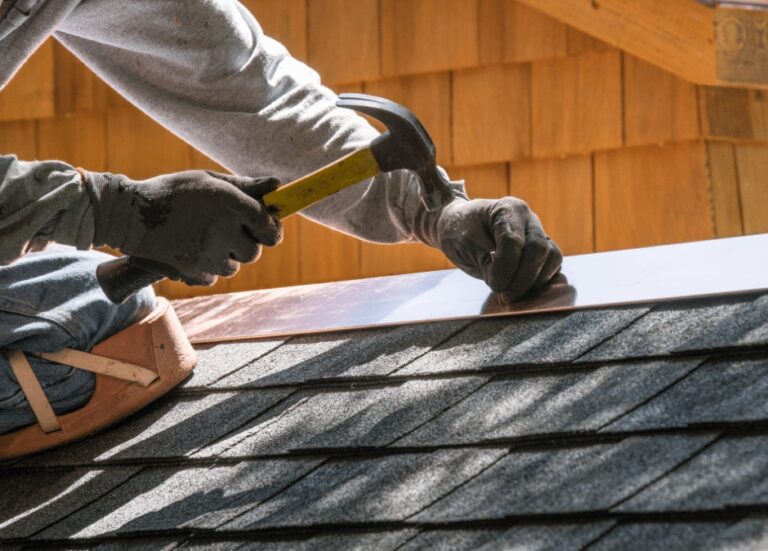
A roof’s age is a prime indicator of its remaining lifespan. Most roofing materials have a defined lifespan; asphalt shingles typically last 15-30 years, while tile or metal roofs can endure for 50 years or more. If your roof is nearing the end of its expected lifespan, repeatedly patching minor issues might be a temporary fix but won’t address the underlying aging process. At this stage, a replacement becomes a more prudent investment, offering a new warranty and safeguarding your home for years to come. Continually repairing an aging roof can become a money pit, as the likelihood of new leaks and deterioration increases significantly with age. In case of roof repair vs replacement you need to be specific.

Condition Matters: Assessing the Damage

Beyond age, the extent and nature of the roof’s damage are critical. Isolated issues like a few missing shingles or a small leak can often be resolved with affordable repairs. However, widespread problems like extensive granule loss, significant structural damage from storms, or persistent leaks across multiple areas indicate a deeper problem. In these cases, repairing the roof might be akin to placing a band-aid on a wound that requires stitches. A thorough inspection by a qualified roofing professional is crucial to accurately assess the condition and determine if repairs are feasible or if replacement is the more sensible option.

Cost-Effectiveness: Short-Term vs. Long-Term

While repairs might seem cheaper upfront, it’s important to consider the long-term cost. If your roof is old or significantly damaged, frequent repairs can quickly add up, exceeding the cost of a replacement over time. Moreover, repeated repairs might only delay the inevitable, eventually forcing a replacement while you’ve already spent a considerable sum on temporary fixes. A replacement, while a larger initial investment, offers peace of mind, prevents further damage to your home, and often increases property value.

Impact on Home Value: A Real Estate Perspective

A new roof is a significant selling point for potential homebuyers. A dilapidated or patched-up roof can deter buyers and even negatively impact your home’s appraisal value. Investing in a new roof can, therefore, be seen as an investment in your property’s long-term value. If you’re planning to sell your home in the near future, a roof replacement might be a worthwhile investment, boosting its marketability and attracting more offers.

Peace of Mind: Ensuring Protection and Security

Ultimately, the decision between repair and replacement boils down to a question of peace of mind. A new roof provides superior protection against the elements, preventing leaks, mold growth, and other costly damage. Knowing that your roof is in good condition allows you to rest easy, confident that your home and belongings are safe and secure. While repairs can offer temporary relief, a replacement offers a long-term solution and lasting peace of mind.

Having safety protections in place for your property while keeping an attractive exterior takes top priority today. Premium roller shutters help you secure your property combined with a beautiful design. The adaptable roller shutters work as adequate protection against security risks and help you maintain your property’s security and appearance.

Why Choose Roller Shutters for Your Property?

1. Unmatched Security and Protection

Every property owner makes security their highest goal, and roller shutters act as a powerful defense against trespassers. The durable materials used in their construction develop a powerful shield protecting buildings from invasion attempts and physical damage. Security systems on roller shutters keep your property secure day and night.

Roller shutters defend against severe weather events along with their essential security function. Multiple weather types become manageable through roller shutters because they protect window and door openings. The devices protect your property by lasting longer and help control indoor temperatures effectively.

2. Aesthetic Appeal with Versatile Designs

New roller shutters adjust to match modern buildings and commercial spaces of any architecture. Customers can pick roller shutters in many colors and styles with different finishes for a perfect match with their building’s external look. These top-class security systems look modern and elegant at the same time, which proves they offer both protection and beauty.

3. Noise Reduction for a Peaceful Environment

People in urban locations with many moving vehicles around them need solutions to manage outdoor sound. Roller shutters work well as noise barriers and make outside noises decrease substantially. These products help easily create peaceful spaces in bedrooms, offices, and nursery areas.

4. Custom Solutions Tailored to Your Needs

Each building presents different security needs that need special attention. You can find other choices between manual and motorized operation to match your needs and spending range. You can control motorized roller shutters by pressing a button using their automated system.

Professional services help you choose the right type of roller shutter that meets all your specific requirements. Roller shutters bring together privacy benefits and insulation value to make your environment safer and more enjoyable.

A Smart Investment for Long-Term Benefits

Putting roller shutters in place brings security benefits that also increase your property’s worth for years ahead. Their impact on energy use and appearance boosts workplace and home environment quality. These shutters have stood firm for many years and need almost no upkeep, so users see significant returns on their purchases.

Roller shutters offer improved noise reduction in addition to security and energy efficiency, resulting in a calmer interior atmosphere. They protect from inclement weather, ensuring that interiors remain comfortable in both hot and cold climates. Furthermore, contemporary roller shutters are available in a variety of designs and hues, enabling both businesses and homeowners to improve the visual appeal of their properties. Roller shutters provide a flexible solution that blends practicality with long-term cost savings, whether for improved privacy, improved insulation, or enhanced safety. Purchasing high-quality shutters now will allow you to take advantage of these benefits for many years to come.

Conclusion

You can improve safety through roller shutters while enjoying their attractive appearance. Their strong design, useful features, and modern style make properties safer and more appealing at the same time. Choosing well-made shutters provides shelter and ease for an extended period.

Install top-quality roller shutters now to boost safety and enhance style in your living space.

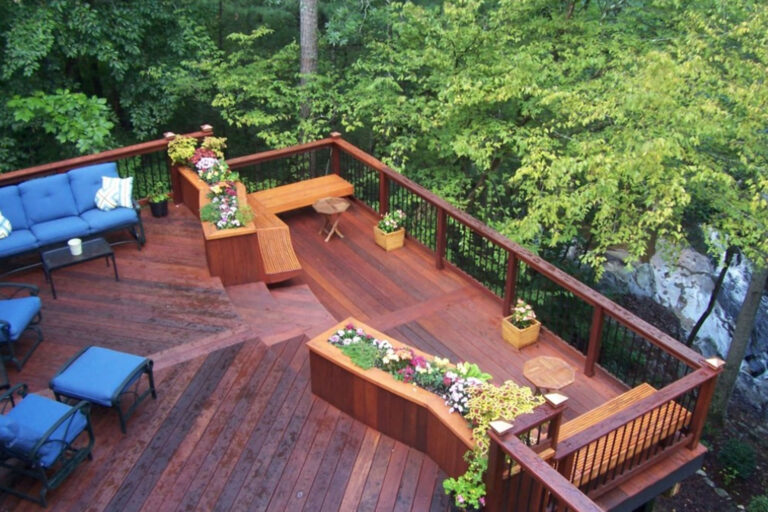
A well-designed deck can transform your outdoor area into the perfect spot for relaxation, entertaining, or enjoying family time. Whether you’re upgrading an existing deck or building one from scratch, hiring a deck builder in Duluth ensures expert craftsmanship and a seamless process. But what are the latest trends to consider for a deck that’s both stylish and functional? Let’s explore the hottest ideas that can elevate your outdoor experience while adding value to your home.

Trend #1: Multi-Level Decks for Dynamic Spaces

Breaking up your deck into multiple levels adds depth and functionality. Each level can serve a distinct purpose, such as dining, lounging, or housing a hot tub or fire pit. The added dimensions create an eye-catching design while making great use of your outdoor space. Opt for materials like composite wood and a neutral color palette to maintain elegance and durability year-round.

When planning a multi-level deck, it’s worth understanding how long it takes to build a deck, as these designs may add a bit more building time due to their complexity. Working with professionals ensures every detail is handled efficiently so you can start enjoying your deck sooner.

Trend #2: Built-In Lighting and Tech Features

Gone are the days of limited outdoor lighting. Modern decks incorporate built-in LED lights, under-rail illumination, and even smart lighting systems. These features not only enhance safety but also create ambiance, making your space ideal for evening gatherings. Additions like outdoor speakers, Wi-Fi access points, and charging stations make your deck as functional as your indoor spaces.

When designing a high-tech deck, professional guidance is key. These features require proper planning to integrate seamlessly without compromising the deck’s design or structural integrity.

Trend #3: Seamless Indoor-Outdoor Living

More homeowners are seeking a cohesive flow between their indoor and outdoor living areas. Sliding glass doors, similar flooring materials, and furniture styles that complement both spaces foster a seamless transition. This trend makes your deck feel like a natural extension of your home, offering more usable square footage for any occasion.

Decks that are integrated into your home in this way can significantly boost property appeal. After all, how a well-built deck can increase your property value often depends on its ability to enhance overall functionality and style. A professional builder can optimize your deck’s layout to align with your home’s architecture.

Trend #4: Sustainable and Low-Maintenance Materials

Sustainability is becoming a priority for many homeowners, and eco-friendly deck materials are gaining popularity. Recycled composites, bamboo, and responsibly sourced wood provide environmentally sound options without sacrificing style or durability. Additionally, these materials minimize upkeep, so you can spend more time enjoying your deck and less time maintaining it.

For long-term value and reduced stress, low-maintenance materials are a smart investment. Partnering with a professional team ensures the right material choice based on your climate, budget, and design goals.

Trend #5: Nature-Inspired Comfort

Finally, blending natural elements into your deck design allows you to create a warm and welcoming atmosphere. Features like planters, live walls, and built-in greenery enhance the aesthetic while fostering a connection to the outdoors. Furniture made from natural fibers and fabrics adds a cozy touch, making your deck the go-to spot for relaxation.

For the best results, work closely with a professional to incorporate these elements harmoniously. Every aspect, from placement to execution, can make a big difference in achieving a luxurious, natural retreat.

Conclusion

From multi-level designs to tech-savvy features and sustainable materials, modern deck trends cater to both style and practicality. Investing in the expertise of professional builders ensures high-quality results tailored to your needs. Not only will this elevate your living experience, but it will also add lasting value to your home. By staying on trend, your outdoor space can become the envy of the neighborhood while meeting your unique lifestyle preferences.

Transforming your outdoor space into a functional and inviting area requires careful planning. That’s where experienced professionals play a critical role. For example, if you’re exploring options in Ohio, deck builders in Westerville specialize in crafting personalized designs that meet aesthetic and practical needs. Whether entertaining, relaxing, or dining, a well-designed deck can elevate your outdoor living experience.

Enhancing Outdoor Versatility Through Thoughtful Design

A multi-functional outdoor living area goes beyond just being a deck. It’s a space where design, functionality, and craftsmanship converge. With features like built-in seating, pergolas, and outdoor kitchens, your deck can become the centerpiece of your home. Deck builders use their expertise to create beautiful and durable solutions.

Careful attention is given to the layout to accommodate various activities. For instance, a family may want a grilling station alongside a cozy nook for reading or enjoying the sun. Adding multiple levels or zones to your deck encourages natural flow and keeps the area organized.

Balancing Budget with High-Quality Results

While the creativity of outdoor designs has no limits, budget considerations often play a crucial role in decision-making. Understanding how much it costs to build a deck can help you prioritize what’s most important for your outdoor space. Materials, size, and custom add-ons all factor into the overall cost. Consulting professional deck builders ensures you make value-driven choices while sticking to your financial plan.

Why Hire Professionals for Your Outdoor Projects?

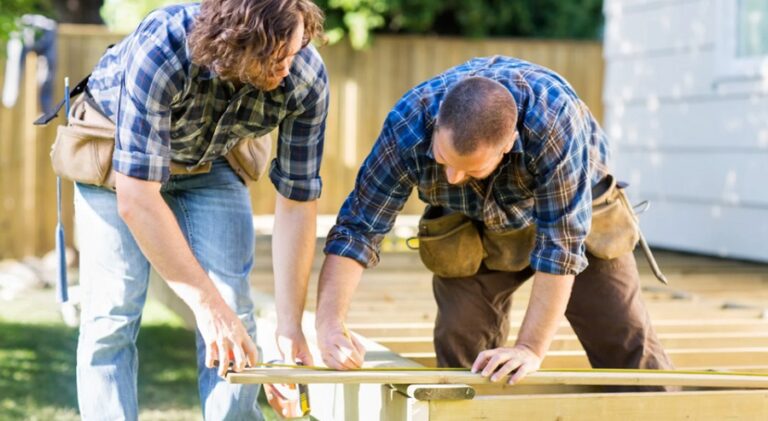
Taking the DIY route may sound appealing at first, but building a safe and functional deck involves much more than laying boards. From proper measurements to selecting materials that withstand local climate conditions, professionals bring expertise that is hard to replicate. Hiring skilled builders can save you not just time but also the expenses that arise from potential mistakes.

An insightful article on professional deck construction discusses how hiring experienced teams can actually result in long-term savings. They catch potential structural issues early and know how to choose materials that maintain their quality over time, reducing repair and replacement costs.

Conclusion

Creating a multi-functional outdoor living area requires a blend of creativity, engineering, and practicality. Whether you’re looking to entertain guests, enjoy family gatherings, or simply have a personal retreat, your deck can serve all these purposes and more. By entrusting the work to skilled deck builders, you ensure your investment will bring joy and functionality for years to come.

FAQs

  1. How do professional deck builders save you money in the long run?

By catching potential structural issues early and choosing durable materials, professional deck builders can prevent costly repairs and replacements down the line.

  1. Can a deck serve multiple purposes?

Yes, decks can be designed to accommodate various activities such as entertainment, family gatherings, or personal relaxation.

  1. Why is it important to hire experienced teams for deck construction?

Experienced teams have the necessary knowledge and skills to create a functional and visually appealing deck that will last for years to come.

Hosting social gatherings is all about creating a space where everyone feels comfortable, relaxed, and able to connect. The correct setting plays a significant role here, and outdoor furniture helps turn the patio or backyard into the ultimate gathering spot. If you’re looking for options like outdoor furniture near Atlanta, plenty of choices are available to suit your style and needs. Whether entertaining friends or spending time with family, quality outdoor furniture can elevate the experience. Here’s why investing in outdoor furniture is a decision you won’t regret.

Enhancing Comfort and Convenience

Outdoor furniture provides a dedicated space for guests to gather, sit back, and enjoy the atmosphere. Choosing the right pieces, like cushioned seating or a functional dining set, combines style with usability. From casual get-togethers to formal dinners, having a designated seating area ensures your guests feel valued and comfortable. It’s also worth exploring how to customize your space with different designs and materials to enhance visual appeal and functionality.

Maximizing Outdoor Space

Your patio or garden can feel like an extension of your home with the addition of furniture. Outdoor furniture encourages people to spend more time outdoors, using spaces that might otherwise go underutilized. Knowing how to choose patio furniture can help you create a stylish and functional outdoor space for your lifestyle. With a well-arranged patio, you can create separate zones for dining, lounging, and entertainment.

Supporting Relaxation and Wellness

The appeal of outdoor furniture goes beyond functionality—it’s also about wellness. Being outdoors is known to reduce stress and boost well-being. Comfortable seating and lounges make it easy to connect with nature while enjoying some quiet time or socializing with friends. According to this guide on the role of outdoor furniture, these furnishings promote relaxation and enhance your lifestyle by creating inviting spaces where people can unwind.

Creating Memorable Experiences

Outdoor furniture helps build the kind of space where memorable moments happen. Dining tables become the centerpiece for family meals, while cozy sofas or sectionals are perfect for conversations under the stars. Investing in weather-resistant and durable furniture ensures that these moments will happen year after year. The versatility of outdoor furniture ensures that it’s suited for events of any size, from intimate gatherings to lively celebrations.

Boosting Aesthetic Appeal

Finally, outdoor furniture enhances the overall look of your space. By selecting pieces that match your taste and complement the design of your home, you can create a cohesive and inviting ambiance. Bold colors, elegant materials, or modern designs can make your outdoor area stand out as a stylish social hub.

Conclusion

Investing in quality outdoor furniture is one of the simplest ways to enhance your outdoor living space and make your gatherings more memorable. It adds comfort, supports relaxation, and helps you create a beautiful environment where friends and family can come together. Whether updating your patio or planning a new setup, outdoor furniture is a must-have for anyone who loves hosting social events or simply enjoying time outdoors.

Have you ever thought about what’s lurking in your air ducts? Whether at home or work, air ducts play a crucial role in circulating clean air. 

Over time, however, these ducts can accumulate dirt, dust, and other harmful contaminants. That’s where professional air duct cleaning comes in!

 But did you know there’s a big difference between cleaning air ducts in a commercial building versus a residential one? Let’s take a look at the differences.

Scale and Complexity

In a residential setting, the air duct system is relatively straightforward. These systems are designed to service a single household, making them smaller and simpler to clean. A professional cleaning team can typically tackle residential ducts in a few hours using standard tools and techniques.

On the other hand, 

commercial air ducts are a whole different story. Found in offices, retail stores, and multi-story buildings, these systems are vast and complex. With multiple vents, grills, and intricate ductwork, cleaning commercial systems requires specialized tools like high-powered vacuums and industrial-grade cleaning agents. The scale alone often demands a team of skilled technicians to ensure a thorough job.

Cost and Time Commitment

Are you wondering why commercial air duct cleaning costs more? It’s all about scale and resources. Commercial systems not only require more time and effort but also demand advanced equipment and expertise. The cleaning process may include sanitizing ducts to remove bacteria and mold, which are critical for maintaining a healthy workplace.

For homeowners, the costs are much lower. Residential air duct cleaning is a simpler process, often completed in a single visit. However, it’s still essential to hire professionals to avoid DIY mishaps that could damage your system.

Cleaning Frequency

How often should you clean your air ducts? For homeowners, once every two to four years is usually enough. But for commercial spaces, where air ducts handle greater usage and higher contamination, annual cleanings are recommended. 

For certain businesses like commercial kitchens cleanings might need to happen even more frequently due to grease and smoke buildup.

Why Frequent DUCT Cleaning Is Important

No matter the setting, clean air ducts mean better air quality, lower energy bills, and longer-lasting HVAC systems. Ignoring this essential maintenance can lead to poor indoor air quality and even HVAC breakdowns.

Take the Next Step

Ready to improve your air quality? Sierra Air Inc. specializes in both commercial and residential air duct cleaning. Contact us today for expert service tailored to your needs!


Imagine this – a sudden lightning strike or an unexpected power surge destroys your favorite appliances or fries your home’s HVAC system. 

It’s a nightmare, right? That’s where whole-home surge protection comes in, acting as your first line of defense against unpredictable electrical spikes. 

In this blog, we will talk about why this investment is essential for protecting your home and keeping your peace of mind intact. But first, let’s start with some basics and learn about Whole-Home Surge Protection.

What is Whole-Home Surge Protection?

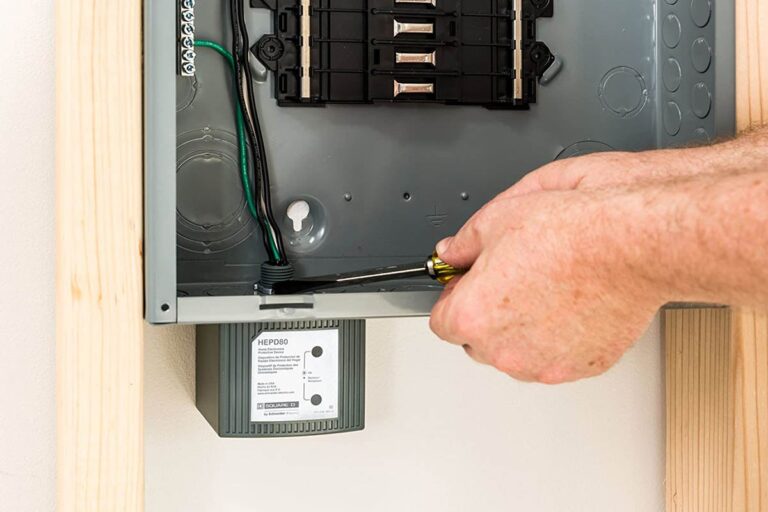
Think of a whole-home surge protector as a safety net for your electrical system. Installed at your main breaker panel, it filters out harmful voltage spikes while allowing safe electricity to flow. These surges can come from external sources like lightning strikes or internal sources such as large appliances cycling on and off.

Without protection, these surges can damage or destroy sensitive electronics like TVs, HVAC systems, refrigerators, and even LED lights. Over time, even small surges can wear out your devices, leading to costly repairs or replacements.

Why Do Surges Happen?

Power surges generally fall into two categories –

  1. External Surges – Caused by events like lightning strikes, utility repairs, or fallen power lines. These can send massive voltage spikes through your home’s electrical grid.
  2. Internal Surges – Account for 80% of power surges. Everyday appliances like air conditioners or refrigerators cycling on and off create mini-surges. Over time, these can compound and harm your electronics.

Types of Surge Protectors

  1. Type I – Installed at your electrical meter, these protect against external surges, like lightning strikes.
  2. Type II – Installed at your main breaker panel, they guard against both external and internal surges.
  3. Type III – Power strip surge protectors. These provide localized protection but won’t defend your entire home.

For comprehensive safety, a combination of Type I and Type II surge protectors is the best option.

Why It’s Worth the Investment

While the initial cost of a whole-home surge protector ranges from $100 to $400 (plus installation fees), it’s far cheaper than replacing expensive electronics. Professional installation ensures the protector is properly grounded and functioning, providing long-term protection and peace of mind.

Protect Your Home with HELP

Don’t leave your electronics and appliances at risk. Whole-home surge protection is a smart, cost-effective solution for safeguarding your home. Contact HELP Plumbing, Heating, Cooling, and Drains today for professional surge protector installation and reliable home services!


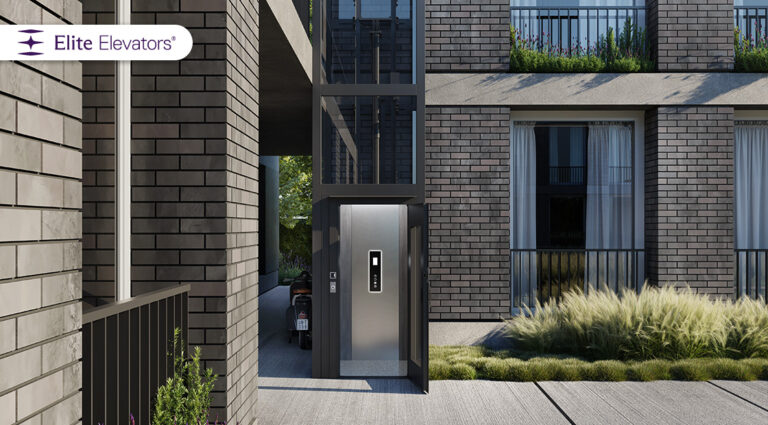
Home elevators are increasingly becoming a popular addition to luxury homes, offering both convenience and a touch of sophistication. Whether you’re building a new home or considering an upgrade to your current residence, adding an elevator can improve mobility, increase property value, and provide a unique solution to multi-level living. However, before you take the plunge into the installation process, it’s essential to understand the various factors involved. This guide will walk you through everything you need to know before installing a home elevator.

1. Why Choose a Home Elevator?

There are many compelling reasons to consider installing a home elevator. Here are a few:

  • Convenience: A home elevator can make it easier to navigate between floors, especially if you have multiple stories in your home. This is particularly beneficial for seniors, people with disabilities, or those with mobility challenges.
  • Space Efficiency: An elevator can save time and energy when carrying heavy items like groceries, laundry, or furniture between levels.
  • Increased Property Value: Home elevators can increase the value of your home. A luxury amenity like an elevator can make your home more appealing to potential buyers, especially those looking for long-term investment.
  • Aesthetic Appeal: Elevators can be customized to match the aesthetic of your home, adding a stylish and modern touch to your property.

2. Space and Design Considerations

Before installing an elevator, you need to assess whether your home has the space required for the installation. Elevators need a shaft, machinery room, and some clearance around the elevator itself. Here are some factors to consider:

  • Shaft Space: The space required for the elevator shaft is critical. This space can be built into the existing structure of your home or added during construction. You will need to plan the layout in advance, ensuring that the elevator fits without disrupting the design of the home.
  • Ceiling Heights and Floor Plan: The height of each floor and the layout of the home plays a significant role in elevator installation. Low ceilings may limit the types of elevators that can be installed, while open floor plans may provide more flexibility.
  • Structural Integrity: Adding an elevator to an existing home requires evaluating whether the home’s current structure can support the weight and operational mechanics of the elevator. This may involve reinforcing floors, walls, or even foundation elements.

3. Types of Home Elevators

Not all home elevators are the same. There are various types, and choosing the right one for your home is essential for both functionality and aesthetics. Some common types include:

  • Hydraulic Elevators: These are common for residential properties and operate using a hydraulic system. They are smooth and quiet but require more space and a machine room to house the hydraulic pump.
  • Traction Elevators: These are powered by a system of pulleys and counterweights, providing a more energy-efficient option. They also offer a quieter ride and can be installed in smaller spaces than hydraulic elevators.
  • Vacuum Elevators: These elevators use air pressure to move the cab, providing a unique design and smooth ride. They’re more compact and easier to install than traditional elevators, making them a popular option for retrofit projects.
  • Screw-Driven Elevators: These elevators use a motor-driven screw system to move the cabin. They are typically quieter and more energy-efficient but may not be suitable for larger homes.

Each type of elevator comes with its own set of pros and cons, and choosing the right one for your home will depend on factors such as available space, budget, and desired performance.

4. Costs Involved

Installing a home elevator is a significant investment, and the costs can vary widely based on the type of elevator, the complexity of installation, and other factors. On average, the cost of installing a home elevator can range from $20,000 to $50,000 or more. Here’s a breakdown of potential costs:

  • Installation: The cost of installing the elevator itself, which can vary depending on the type and complexity.
  • Construction Costs: If your home doesn’t have the required space or structural support, you may need to build a shaft, reinforce floors, or even make other modifications to accommodate the elevator.
  • Electrical and Mechanical Systems: Elevators require an electrical system to power the elevator and possibly a mechanical room for the equipment. This cost may also include additional wiring or upgrades to your home’s electrical system.
  • Maintenance: Most home elevators will require regular maintenance to keep them running smoothly. Some companies offer service contracts that include inspections and maintenance, which can cost several hundred dollars a year.

It’s important to get a detailed quote from the installation company and factor in both initial costs and ongoing maintenance.

5. Regulations and Permits

Before installing a home elevator, you will need to ensure that your project complies with local building codes and regulations. These codes will vary by location, so it’s crucial to consult with an experienced contractor or an elevator installation company to ensure everything is up to standard. The elevator installation process may require various permits, inspections, and approval from local authorities.

Some regulations to be aware of include:

  • Safety Features: Most home elevators are subject to safety regulations, including load limits, emergency features, and proper door safety. These regulations ensure the elevator is safe for regular use, especially if children or elderly family members are using it.
  • Accessibility Requirements: Depending on your location, there may be additional guidelines regarding accessibility. Some states or cities may require that elevators meet certain standards for universal accessibility.
  • Permitting: Some regions require a building permit to install an elevator, and these permits will be based on both the type of elevator you choose and the changes you need to make to your home.

6. Choosing the Right Company

When selecting an elevator company in Malaysia, it’s important to do thorough research. Look for companies with experience in residential elevators and check reviews from previous customers. The right company will help guide you through the entire process, from choosing the type of elevator to obtaining necessary permits and providing post-installation maintenance.

Here are some things to look for in an elevator installation company:

  • Experience: Choose a company with a proven track record in residential elevator installation.
  • Reputation: Check online reviews, ask for references, and see if the company has a history of delivering quality installations on time and within budget.
  • Warranty and Maintenance: Make sure the company offers warranties for the elevator and has a service contract for ongoing maintenance.

7. Maintenance and Long-Term Care

Home elevators require regular maintenance to ensure they continue to operate safely and efficiently. Most elevator manufacturers recommend servicing your elevator once a year to check for wear and tear, clean components, and ensure the elevator is functioning correctly. Regular maintenance can also extend the lifespan of your elevator and prevent costly repairs in the future.

Conclusion

Installing a home elevator is a big decision that can enhance your quality of life, increase your home’s value, and offer unparalleled convenience. However, before you proceed, it’s important to consider the costs, space requirements, types of elevators available, regulations, and the reputation of the installation company. With proper planning and expert guidance, you can ensure that your home elevator is a seamless and beneficial addition to your home.


What Is Asbestos and Why Is It Dangerous?

Asbestos is a naturally occurring mineral that was once widely used in construction and manufacturing due to its heat resistance and durability. However, it is now known to be highly dangerous. When asbestos-containing materials are disturbed, tiny fibers are released into the air. These fibers can be inhaled and become lodged in the lungs, leading to serious health issues over time. Diseases like asbestosis, lung cancer, and mesothelioma have all been linked to asbestos exposure. The danger lies in its invisibility—these fibers are microscopic and can remain suspended in the air for long periods, making them easy to unknowingly inhale.

Common Uses of Asbestos in Soundproofing Materials

In the past, asbestos was a popular choice for soundproofing because of its fire-resistant and noise-dampening properties. It was often mixed into acoustic ceiling tiles, wall insulation, and even certain types of drywall. If your home theater or soundproofing setup was installed before the 1980s, there’s a chance asbestos may be present. For example, some older drywall materials may still contain asbestos, as noted in asbestos in drywall. Knowing the age and origin of your materials is a crucial first step in assessing potential risks.

Health Implications of Asbestos Exposure

Exposure to asbestos is not something to take lightly. Once inhaled, the fibers can cause inflammation and scarring in the lungs, leading to long-term respiratory issues. The risk increases with prolonged exposure, but even short-term contact can be harmful. Symptoms like persistent coughing, chest pain, and shortness of breath may take years to appear, making early detection difficult. Vulnerable populations, such as children and the elderly, are particularly at risk because their respiratory systems are either still developing or already weakened. Protecting your home theater space from asbestos exposure is essential for maintaining a safe environment.

Historical Use of Asbestos in Soundproofing Applications

Why Asbestos Was Popular in Acoustic Insulation

Asbestos was once the go-to material for soundproofing due to its unique properties. It was cheap, readily available, and had excellent sound-absorbing capabilities. On top of that, asbestos was also resistant to heat and fire, making it an all-around “miracle material” for construction projects back in the day. This combination of features made it especially appealing for use in home theaters, recording studios, and other spaces where sound control mattered. However, the health risks associated with asbestos exposure were not well understood at the time, leading to its widespread use despite its dangers.

Types of Soundproofing Products Containing Asbestos

Many soundproofing materials from the mid-20th century contained asbestos. These included acoustic ceiling tiles, spray-on soundproofing coatings, and even insulation boards. Some older homes and buildings might still have these materials in place, posing a potential risk if disturbed. Identifying these products can be challenging, as asbestos fibers are microscopic and not visible to the naked eye. This is why testing is often necessary to confirm its presence.

Regulations That Phased Out Asbestos in Soundproofing

The dangers of asbestos became more widely recognized in the late 20th century, leading to stricter regulations and eventual bans on its use in many countries. In the United States, for example, the Environmental Protection Agency (EPA) began restricting asbestos use in the 1970s. By the 1980s, most asbestos-containing soundproofing products were phased out. Today, modern regulations focus on preventing exposure and ensuring that older materials are safely managed or removed. For those dealing with asbestos-related illnesses, exploring legal options for mesothelioma claims can provide some recourse.

Identifying Asbestos in Home Theater Soundproofing

Signs Your Soundproofing May Contain Asbestos

Homeowners often overlook the possibility that older soundproofing materials could contain asbestos. If your home theater was built or renovated before the 1980s, there’s a chance asbestos was used in the acoustic insulation. Look for brittle, crumbling materials or fibrous tape in walls and ceilings. These can be warning signs of asbestos presence. Additionally, any unmarked or aged insulation should be treated with suspicion.

Testing Methods for Asbestos in Acoustic Materials

Testing for asbestos isn’t something you should tackle on your own. Certified testing kits are available, but hiring a professional is often the safest route. They’ll take samples of suspect materials and analyze them in a lab. The process involves specialized equipment to detect even trace amounts of asbestos. Remember to never disturb materials you suspect might contain asbestos, as this can release dangerous fibers into the air.

Hiring Professionals for Asbestos Inspection

When it comes to asbestos, professional inspections are your best bet for peace of mind. Experts know where to look and how to handle potentially hazardous materials safely. They’ll inspect areas like wall cavities, ceiling panels, and even ductwork. Hiring a certified asbestos inspector not only ensures accurate results but also complies with legal requirements for handling asbestos. It’s a step worth taking to protect your health and your home.

Health Hazards Linked to Asbestos in Home Theaters

Respiratory Diseases Caused by Asbestos Exposure

When asbestos fibers are disturbed, they can become airborne and easily inhaled. These microscopic fibers lodge themselves deep in the lungs, causing significant damage over time. One of the most severe consequences of inhaling asbestos is mesothelioma, a rare and aggressive form of lung cancer. Other respiratory issues include asbestosis, a chronic lung disease that causes scarring of lung tissue, and an increased risk of developing lung cancer. For those exposed to loose asbestos fibers in enclosed spaces like home theaters, the risk is magnified. Asbestos exposure has been directly linked to these health conditions, particularly in environments where fibers are not properly contained.

Long-Term Risks of Asbestos in Enclosed Spaces

Home theaters often feature soundproofing materials that may contain asbestos, especially in older constructions. Over time, wear and tear or renovations can release asbestos fibers into the air. The long-term risks include not just respiratory diseases but also persistent health issues that might not show symptoms for decades. This latency period makes asbestos exposure particularly dangerous because individuals might unknowingly live with the risks for years. For example, factory workers exposed to raw asbestos during manufacturing faced similar long-term health challenges due to consistent exposure to airborne fibers. Mesothelioma and related diseases often emerge years after the initial exposure.

Vulnerable Populations and Asbestos Risks

Certain groups are more vulnerable to asbestos exposure. Children and elderly individuals are especially at risk because their respiratory systems are either still developing or weakened with age. Additionally, individuals with pre-existing respiratory conditions may experience more severe health effects from even minimal asbestos exposure. Enclosed spaces like home theaters can exacerbate these risks due to limited ventilation, allowing fibers to accumulate in the air. It’s crucial to address these risks proactively to protect these vulnerable groups from unnecessary exposure.

Modern Alternatives to Asbestos-Based Soundproofing

Safe and Effective Soundproofing Materials

In the world of soundproofing, there’s no shortage of modern materials that are both safe and effective. Asbestos-free options have become the standard, offering homeowners peace of mind without sacrificing acoustic performance. Many of these materials are designed with health and environmental safety in mind, ensuring they are non-toxic and durable. For example, recent advancements in sound-absorbing materials now focus on natural fibers, recycled composites, and even bio-based polymers. These innovations not only excel at noise reduction but also contribute to a more sustainable approach to construction.

Comparing Costs of Asbestos-Free Options

The cost of modern soundproofing materials can vary widely, but the long-term benefits often outweigh the initial investment. While some advanced acoustic solutions may seem pricey upfront, they save homeowners from potential health risks and costly asbestos removal down the line. Products like the UL-approved 6mm sound insulation membrane are not only affordable but also easy to install, offering a balance between price and performance. Homeowners should consider factors like durability, ease of installation, and overall effectiveness when comparing options.

Environmental Benefits of Modern Soundproofing

Switching to asbestos-free soundproofing materials isn’t just about safety—it’s also about protecting the planet. Many of today’s alternatives are made from recycled or sustainable resources, reducing the environmental footprint of home improvement projects. Materials like porous metals and innovative composites are gaining popularity for their ability to combine eco-friendliness with high acoustic performance. By choosing these modern solutions, homeowners can create a safe, quiet, and environmentally responsible living space.

Steps to Take If Asbestos Is Found in Your Home Theater

Immediate Actions to Minimize Exposure

Discovering asbestos in your home theater can feel overwhelming, but taking the right steps quickly is critical. The first thing to do is stop using the affected area immediately. Avoid disturbing the material, as this can release dangerous asbestos fibers into the air. Seal off the room as best as you can—close doors, cover vents, and avoid any activities that could create dust. If you suspect asbestos, resist the urge to clean or vacuum the space, as this can worsen the situation by spreading fibers.

Legal Requirements for Asbestos Removal

Once asbestos is identified, it’s important to understand the legal requirements for its removal. Federal and state laws regulate how asbestos must be handled, and these rules are designed to protect both homeowners and the environment. For instance, many jurisdictions require the involvement of certified professionals for testing and removal. Homeowners may also need to notify local authorities about the presence of asbestos before starting any removal process. To clarify your responsibilities, review your insurance policy to check if asbestos-related issues are covered. This can help you decide on the next steps for addressing the problem. File an asbestos-related claim if you believe your policy includes coverage for remediation costs.

Choosing a Certified Asbestos Abatement Company

Removing asbestos is not a DIY project. Hiring a certified asbestos abatement company is the safest option. Look for companies with proper licensing and experience in handling similar situations. During consultations, ask about their safety protocols, equipment, and disposal methods. A reputable company will provide a detailed plan, including timelines and costs. While it may seem expensive, professional abatement ensures the job is done safely, protecting your household from long-term health risks.

Legal and Regulatory Aspects of Asbestos in Soundproofing

Understanding Federal and State Asbestos Laws

Federal and state laws surrounding asbestos aim to protect public health by regulating its use, handling, and removal. The Environmental Protection Agency (EPA) enforces strict rules under the Clean Air Act, prohibiting most uses of asbestos in building materials. However, certain regulated uses, like research, are exceptions. Businesses are prohibited from importing, selling, or using asbestos-containing products unless they fall under these specific exemptions. State laws often add another layer of restrictions, ensuring compliance at a local level.

Penalties for Non-Compliance with Asbestos Regulations

Failing to follow asbestos regulations can lead to serious consequences. Penalties range from hefty fines to potential criminal charges, depending on the severity of the violation. For example, improper disposal of asbestos-containing materials or failure to notify authorities before starting abatement work can result in legal action. These penalties are designed to deter negligence and protect public safety.

How Regulations Protect Homeowners and Tenants

Asbestos regulations are not just about punishing violations—they also play a key role in safeguarding homeowners and tenants. These laws ensure that any asbestos removal or handling is done by certified professionals, minimizing the risk of exposure. Additionally, regulations mandate clear labeling of asbestos-containing products, so consumers can make informed decisions. By enforcing these rules, authorities help maintain safer living environments for everyone.

The Role of Professional Asbestos Abatement Services

What to Expect During an Asbestos Removal Process

Hiring professionals for asbestos removal is a critical step to ensure safety. The process begins with a thorough inspection to identify areas containing asbestos. Once identified, the team seals off the affected space to prevent contamination. Specialized equipment, like HEPA filters and protective gear, is used to safely remove the material. After removal, the area is cleaned and tested to confirm no asbestos fibers remain. This multi-step approach minimizes risks to both homeowners and workers.

Costs Associated with Professional Abatement

The cost of asbestos removal can vary depending on factors like the size of the affected area and the complexity of the job. Typically, homeowners can expect to pay anywhere from a few hundred to several thousand dollars. While this might seem steep, the expense is justified by the expertise and safety measures involved. For those in Northglenn, CO, professional abatement and remediation services are available to handle the job efficiently and safely.

Ensuring Safety During and After Removal

Safety is the cornerstone of any asbestos abatement project. Professionals take every precaution, from wearing protective suits to using sealed containers for disposal. After the removal, air quality tests are conducted to ensure the environment is safe for reentry. Homeowners should avoid entering the area until clearance is given. Following these steps ensures that the home remains a safe space for all occupants.

Preventing Asbestos Risks in Future Home Theater Projects

Selecting Certified Asbestos-Free Materials

When planning a home theater, choosing materials that are certified asbestos-free is a must. Ensuring your materials meet strict safety standards can save you significant trouble down the line. Look for products that explicitly state they are asbestos-free on their packaging or in their specifications. If you’re unsure, don’t hesitate to ask the vendor for documentation. Avoid older or second-hand materials, as they may pose a higher risk of containing asbestos.

Importance of Vendor Transparency in Material Sourcing

Transparency from vendors is key when sourcing materials for your project. Reputable suppliers should be able to provide clear, written guarantees that their products are free from asbestos. Ask direct questions about their sourcing practices and manufacturing processes. If the vendor hesitates or cannot provide proof, it’s a red flag. Prioritize vendors who openly share their certifications and testing results, ensuring safer choices for your home theater.

Incorporating Safety Checks in Construction Plans

A well-thought-out construction plan should include steps to minimize asbestos risks. Work with contractors who understand the importance of safety checks and are experienced in identifying potential hazards. Before starting construction, consider hiring a professional to inspect the site for any existing asbestos-containing materials. This step is especially important in older homes. If asbestos is found, you’ll need asbestos abatement to safely remove it before proceeding. In states like Ohio, regulations even require certified professionals for such tasks, as seen in asbestos abatement requirements.

Myths and Misconceptions About Asbestos in Soundproofing

Debunking Common Myths About Asbestos Safety

One of the biggest myths about asbestos is that it’s safe if undisturbed. While it’s true that intact asbestos materials are less likely to release fibers, even minor damage can cause harmful particles to become airborne. For example, asbestos sheet products used in older soundproofing setups can become hazardous if they crack or deteriorate over time. This misconception often leads homeowners to delay inspections or repairs, increasing the risk of exposure.

Misleading Claims About Asbestos-Free Products

Another common misunderstanding is that all modern soundproofing materials are automatically asbestos-free. Some products may still contain trace amounts of asbestos, especially if sourced from regions with less stringent regulations. It’s important to verify claims by checking certifications or opting for tested alternatives like fiberglass. However, even fiberglass has its own myths, as it’s often confused with asbestos due to its appearance and properties. Fiberglass, unlike asbestos, does not pose the same health risks but is still misunderstood by many.

Understanding the Real Risks of Asbestos Exposure

Many people underestimate the long-term dangers of asbestos exposure, believing that short-term contact is harmless. In reality, even brief exposure can lead to severe health issues like mesothelioma or asbestosis years later. This is particularly concerning in enclosed spaces like home theaters, where poor ventilation can trap fibers. Educating yourself about these risks and addressing potential asbestos sources promptly can make a significant difference in safeguarding your health.

The Science Behind Asbestos and Acoustic Insulation

How Asbestos Was Used to Enhance Soundproofing

Asbestos was once considered a “miracle material” for soundproofing because of its unique physical properties. Its fibrous structure allowed it to absorb sound waves effectively, reducing noise transmission in enclosed spaces. Manufacturers combined asbestos with other materials to create products like acoustic tiles, wall panels, and spray-on coatings. These products were widely used in theaters, recording studios, and even home soundproofing projects. The ability of asbestos to resist heat and fire further cemented its popularity in construction. However, its health risks were not fully understood at the time, leading to widespread use despite the dangers.

Scientific Studies on Asbestos and Sound Absorption

Research into asbestos’s soundproofing capabilities revealed that its fine fibers could trap and dissipate sound energy. This made it an ideal choice for spaces requiring noise control. Scientists also discovered that asbestos could be mixed with other materials to enhance acoustic insulation while maintaining durability. Unfortunately, later studies highlighted the risks of asbestos fibers becoming airborne, especially when materials were damaged or aged. These airborne fibers posed severe health risks, overshadowing the benefits of its acoustic properties.

Why Asbestos Is No Longer Considered Safe

The shift away from asbestos in soundproofing came after decades of research linking it to serious health conditions like mesothelioma and asbestosis. Once disturbed, asbestos-containing materials release microscopic fibers into the air, which can be inhaled and cause long-term damage to the lungs. Modern regulations have banned or severely restricted its use in most countries. Today, safer alternatives have replaced asbestos in soundproofing applications, offering similar acoustic benefits without the associated health hazards. For instance, vermiculite insulation, which sometimes contains asbestos, has been flagged as a potential risk during renovations or demolition. Learn more about vermiculite insulation risks to stay informed and safe.


Additional Websites


Sokolove Legal Group

Robert King Mesothelioma Law Services

Mesothelioma Fund

Tor Hoerman Law

Dolman Law

Mesothelioma Lawyer Center

Mesothelioma Help

Mesothelioma Hub

Weitz and Luxenberg

Lanier Law Firm

Mesothelioma.Net

Gori Law

LawFirm.com

Mesothelioma Hope

Mesothelioma Guide