
Author

Donnald Denny

Browsing

When it comes to maintaining or upgrading your home, choosing the right roofing contractor in Dayton is one of the most critical decisions you’ll make. With so many options available, it’s essential to know what to look for to ensure your roof is in trusted hands and meets your specific needs. By taking the time to research and ask the right questions, you can avoid costly mistakes and ensure a durable, high-quality installation or repair for your roof.

Determine Your Roofing Needs

The first step in selecting a contractor is identifying the roofing services you require. Are you dealing with a minor repair, or does your roof need a complete replacement? These considerations will influence the type of contractor you should hire. For instance, some specialize in repairs, while others focus on full-scale installations. If you’re uncertain whether you need a repair or a replacement, understanding the differences can make the decision easier.

Evaluate the Contractor’s Experience and Reputation

An experienced roofing contractor can make all the difference when it comes to the quality of the work performed. Look for contractors with a strong reputation, verified by online reviews and testimonials. Solid experience demonstrates that they’ve worked through various challenges and can manage unique or complex roofing projects.

It’s also wise to verify that the contractor is licensed and insured. A contractor holding these credentials shows they meet local regulations and have the necessary coverage to protect you in case of accidents. Understanding the importance of hiring a licensed and insured professional can provide you peace of mind.

Ask the Right Questions

Before making your final decision, prepare a list of questions to discuss with potential contractors. Ask about their process, timeline, and any warranties they provide. It’s important to understand the materials they recommend and whether those materials align with your budget and roofing goals. Paying attention to the answers and how the contractor communicates can give you insight into their professionalism and reliability.

Compare Quotes and Consider Value

Cost is naturally a major consideration, but it shouldn’t be the only factor. Collect multiple quotes from different contractors to compare expenses and services. Don’t automatically go with the lowest bid, as this could indicate shortcuts or a lack of quality materials. Instead, think about the overall value you’re receiving, from customer service to the quality of materials and workmanship.

Trust Your Instincts

Your roof is an essential part of your home, so hiring a contractor you feel confident in is vital. If something feels off during your interactions with a contractor—whether it’s a lack of transparency, rushed communication, or anything else—consider it a red flag. Trust your instincts and take the time to choose someone who aligns with your expectations.

Conclusion

Selecting the right roofing contractor may seem overwhelming, but careful research, clear priorities, and thorough communication go a long way in ensuring your choice pays off in the long run. By following these steps, you’ll be well on your way to securing a reliable professional who can handle your roofing needs with expertise and care.

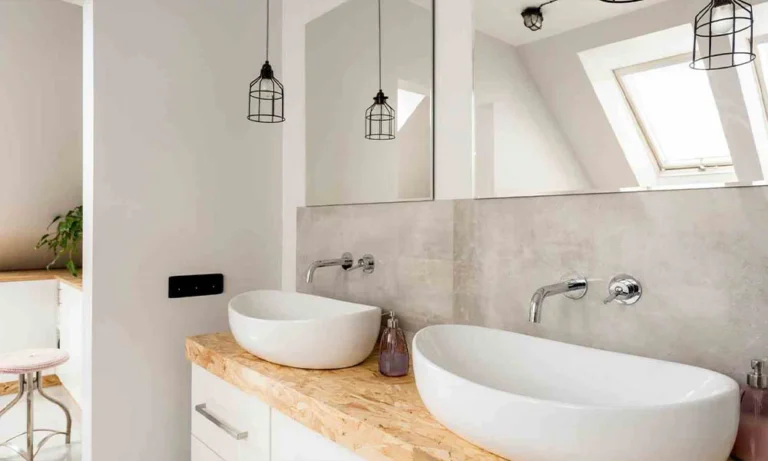
🚽 Problem 1: Your Bathroom Looks Like a 1980s Time Capsule

You know the look: floral wallpaper, pink tile counters, and a light fixture that looks like it belongs in a haunted house. If your bathroom feels like a set piece from a low-budget sitcom, it’s time for a change.

🛠️ The Solution: Start with a clean slate.

  • Swap out that dated wallpaper for a fresh coat of moisture-resistant paint (Hint: light neutrals make spaces feel bigger).
  • Replace that avocado-green sink with a modern vessel basin.
  • Update lighting with LED sconces—they’re bright, energy-efficient, and won’t make you feel like you’re starring in a horror movie every time you look in the mirror.

Ben’s Take: “If your bathroom feels like it’s yelling ‘I love the ’80s!’ every time you walk in, it’s time to have a gentle breakup with your tile and fixtures. It’s not you—it’s them.”

💧 Problem 2: Your Water Bill Looks Like a Mortgage Payment

In bathroom remodeling Sacramento, water efficiency is not just about saving money—it’s about making smarter, sustainable choices.

🛠️ The Solution: Embrace water-saving fixtures.

  • Install low-flow toilets (they still flush properly, we promise).
  • Upgrade to water-efficient showerheads—you’ll save gallons without sacrificing pressure.
  • Look into touchless faucets—they’re sleek, save water, and make you feel fancy.

Ben’s Take: “There’s nothing glamorous about watching money swirl down the drain with every flush. Low-flow fixtures are good for the planet—and your wallet.”

🪟 Problem 3: Your Bathroom is Basically a Sauna (and Not in a Good Way)

Bathroom Remodeling

Nothing ruins a freshly remodeled bathroom like moisture stains creeping up your walls. And if your bathroom feels like a tropical rainforest every time someone showers, you’ve got a ventilation problem.

🛠️ The Solution: Improve airflow and ventilation.

  • Install an exhaust fan with the right CFM rating for your bathroom size.
  • Consider adding a small window (frosted glass for privacy).
  • Use mold-resistant paint and grout to prevent mildew.

Ben’s Take: “Bathrooms are supposed to feel like a spa, not like the butterfly exhibit at the zoo. Fix your ventilation, and your future self will thank you.”

🛋️ Problem 4: Storage? What Storage?

If your bathroom has the storage capacity of a shoebox, you probably know the struggle of juggling towels, toiletries, and bath toys every time you try to open a cabinet.

🛠️ The Solution: Make storage smarter, not bigger.

  • Add floating shelves for towels and decor.
  • Install a vanity with built-in drawers instead of a pedestal sink.
  • Use recessed medicine cabinets for extra hidden storage.

Ben’s Take: “The only place towels should be stacked like Jenga pieces is in a Jenga tournament. Give yourself some breathing room with smart storage solutions.”

🪞 Problem 5: Lighting That’s Either Blinding or Depressingly Dim

If your bathroom lighting feels more like an interrogation room or a candlelit dungeon, it’s time for an upgrade.

🛠️ The Solution: Layer your lighting like a pro.

  • Ambient lighting: A central light fixture for general illumination.
  • Task lighting: Bright lights near the vanity for shaving and makeup.
  • Accent lighting: Subtle fixtures to highlight design features.

Ben’s Take: “Good lighting is like good coffee—it wakes you up, makes you look better, and sets the mood for the day.”

📐 Problem 6: Your Layout Was Clearly Designed by Someone Who Hates Logic

Ever try to open a bathroom door only to have it smack into the toilet? Poor layouts are frustrating and, frankly, ridiculous.

🛠️ The Solution: Reconfigure with purpose.

  • Relocate fixtures to improve traffic flow.
  • Swap swing doors for pocket doors to save space.
  • Create separate wet and dry zones to avoid splashing water where it doesn’t belong.

Ben’s Take: “A well-designed bathroom should flow like a good country song—smooth, logical, and with a satisfying ending.”

🌱 Problem 7: Your Bathroom Feels… Cold. Emotionally and Literally.

If your bathroom feels like a sterile hospital room, it’s missing warmth—both in decor and in temperature.

🛠️ The Solution: Add warmth in thoughtful ways.

  • Install heated floors (a small luxury with a big impact).
  • Add textured elements like wood shelving or woven baskets.
  • Use plants—ferns, pothos, or snake plants thrive in humid spaces.

Ben’s Take: “Bathrooms should feel like a warm hug, not a doctor’s office. Add layers of warmth—both literally and figuratively.”

💵 Problem 8: You Blew the Budget Before You Started the Remodel

Bathroom remodels have a sneaky way of snowballing from “just new tiles” to “we might need a second mortgage.”

🛠️ The Solution: Budget smart from the start. 

  • Spend on fixtures and materials—they’ll last the longest.
  • Save on DIY tasks like painting or installing shelves.
  • Set aside 10–15% of your budget for surprises.

Ben’s Take: “A budget is not a suggestion—it’s a lifeline. Plan it, respect it, and your bathroom (and wallet) will thank you.”

🏁 The Final Thought: A Well-Designed Bathroom is Worth Every Penny

A Sacramento bathroom makeover isn’t just about pretty tiles and shiny fixtures—it’s about creating a space that serves your family every day.

“A bathroom renovation in Sacramento isn’t just an expense—it’s an investment. Build it well, and it’ll pay you back every single day.” — Ben Napier

Selecting the right wallpaper can significantly impact the overall look and feel of your home. With so many options available, it can be challenging to determine which design will best suit your space whether for commercial or residentials. Here are some expert tips to help you to make informed decisions in choosing the perfect wallpaper for your London home.

  1. Consider the Room’s Function
    Before selecting a wallpaper, it’s essential to consider the function of the room. Different rooms have different needs: a bedroom may benefit from soothing, relaxing colours and textures, while a living room or dining area might be better suited for bold patterns and vibrant hues. For a room with high traffic or potential wear and tear, opt for durable wallpapers that can withstand daily use. Consulting with an interior decorating company in London can provide insights into which wallpapers work best for specific rooms and their functions.
  2. Match the wallpaper to Your Style
    Your choice of wallpaper should reflect your personal style and complement the existing decor of your home or office space.. Whether you prefer contemporary designs, classic patterns, or something in between, there is a wallpaper style that can enhance your aesthetic of space. Take time to explore various styles and patterns to ensure the wallpaper aligns with your vision. Working with a professional interior decorating company in London can help you find a design that harmonises with your overall décor scheme.
  3. Think About Colour and Light
    Colour plays a crucial role in how a room feels and looks like. It is worth mentioning that lighter colours can make a space appear larger and more open, while darker shades can create a cosy and intimate atmosphere. Consider how natural and artificial light will interact with the wallpaper. For instance, metallic or reflective wallpapers can add brightness to a room by reflecting light, while darker colours can absorb light and create a more subdued ambiance. Premium decorating services often include expert advice on colour and light, helping you choose a wallpaper that enhances your space. 
  4. Evaluate texture and patterns
    Texture and patterns can add depth and interest to your walls. Textured wallpapers, such as those with embossed or fabric-like finishes, can create a tactile experience and add dimension to a room. Patterns can range from subtle and understated to bold and dramatic, depending on your preferences what do you want to achieve. When selecting patterns, consider the size of the room and how the design will scale with the space. Professional decorators can provide guidance on which textures and patterns will best suit your room’s dimensions and overall design.
  5. Opt for Quality and Durability
    Investing in high-quality wallpaper is crucial for ensuring longevity and maintaining a fresh appearance over time. Premium wallpapers are made from durable materials that are resistant to wear and tear, making them a better choice for high-traffic areas. They are also easier to clean and maintain. Professionals from a reputable source can ensure you receive a product that meets high standards of quality and durability.
  6. Test Samples Before Committing
    Before making a final decision, always ask for sample wallpaper you are considering. This allows you to see how the wallpaper looks in your home’s lighting and alongside other elements in the room. Testing samples can help you avoid potential issues and ensure that the wallpaper complements your existing décor as expected.

Conclusion

Choosing the perfect wallpaper for your London home requires careful consideration of various factors, including room function, style, colour, and quality. For those seeking expert guidance and high-quality results, SW DECORATING LTD offers exceptional decorating and wallpapering services to help you to choose what you’ve desired for and your vision for life. Their expertise ensures that you select the ideal wallpaper that enhances your space and meets your design needs. For consultation, you can visit the retail outlet that is located on 58 Westminster Rd, Sutton sm1 3nl and also make a call at 09711544. 


When considering water heater installation, it’s important to understand the complexities involved. Whether you’re thinking about upgrading your current system or installing a brand-new one, the decisions you make can significantly impact your home’s comfort and energy efficiency. From choosing between a traditional tank or a modern tankless water heater to considering the costs and labor involved, each step requires careful planning.

The Choice Between Tank and Tankless Water Heaters

In my experience, the first critical decision in water heater installation is choosing between a traditional tank water heater and a tankless model. A tank water heater stores hot water and keeps it ready for use, which means you’re always prepared for a shower or other household needs. However, tankless water heaters are becoming more popular due to their energy efficiency and space-saving design. They heat water on demand, which can lead to lower energy bills and a more sustainable household.

If you decide to install a tankless water heater, you’re opting for a solution that might initially be more expensive but can offer long-term savings. The installation process for tankless water heaters is more complex, often requiring adjustments to your home’s electrical or gas systems. It’s a task best left to professionals who understand the intricacies of the system and can ensure everything is done safely and efficiently.

Costs Associated with Water Heater Installation

One of the most common concerns I hear about is the cost of water heater installation. The price can vary significantly depending on the type of water heater you choose, the complexity of the installation, and the rates charged by the plumbing service. Traditional tank water heaters are generally less expensive to install than their tankless counterparts. However, the long-term operational costs of a tankless system can be lower, thanks to their energy efficiency.

Labor costs are another significant factor. Installing a water heater isn’t just about setting the unit in place. It involves connecting water lines, ensuring proper ventilation (especially for gas heaters), and sometimes updating electrical circuits or gas lines. The installation process should be done by certified professionals to avoid any risks associated with improper installation.

Why Professional Installation Matters

Having observed many installations, I strongly recommend that water heater installation should always be handled by licensed professionals. This isn’t just about ensuring the job is done correctly; it’s also about safety. Water heaters involve complex systems, including electricity, gas lines, and water connections. A mistake in any of these areas could lead to serious problems, including leaks, electrical hazards, or even explosions.

Water

A reputable company like Cooper Plumbing offers the expertise needed for a safe and efficient installation. Their technicians are fully certified, which means they have the necessary training and experience to handle any installation challenges that might arise. This level of professionalism is essential, especially if you’re opting for a tankless water heater, which, as mentioned, requires a more complex setup.

Long-Term Considerations

Choosing the right water heater and ensuring it’s installed correctly is just the beginning. Regular maintenance is essential to keep your water heater running efficiently. Tankless water heaters, for instance, require periodic descaling to prevent mineral buildup, which can affect performance. Traditional tank water heaters need regular checks for corrosion and leaks.

In addition to maintenance, it’s wise to consider future repairs and the availability of replacement parts. Working with a company that provides ongoing support and has access to the necessary parts can save you time and stress down the line.

Conclusion

Water heater installation is a significant investment, and the decisions you make will have long-term effects on your home’s energy efficiency and comfort. Whether you choose a traditional tank water heater or decide to install a tankless water heater, it’s crucial to understand the costs, labor involved, and the importance of professional installation. Companies like Cooper Plumbing offer the expertise and reliability needed to ensure your water heater is installed safely and efficiently, setting the stage for years of trouble-free service.

In the competitive business environment of San Diego, maintaining a productive and engaging workplace goes beyond just a clean office. While commercial cleaning services in San Diego are essential for ensuring a hygienic workspace, incorporating unique amenities can significantly boost employee morale and productivity. This article explores innovative amenities that San Diego offices can implement to create a vibrant and efficient work environment.

The Importance of a Clean Office Environment

Before diving into unique amenities, it’s important to acknowledge the foundational role of a clean office. A well-maintained workspace not only enhances the physical health of employees by reducing the spread of germs but also creates a positive and professional atmosphere. Commercial cleaning services in San Diego provide the essential upkeep needed for such an environment, allowing businesses to focus on other aspects of employee satisfaction and productivity.

Innovative Amenities to Boost Productivity

  1. On-Site Fitness Facilities
    • Gym and Yoga Studios: Having an on-site gym or yoga studio allows employees to easily integrate exercise into their daily routine, reducing stress and boosting energy levels.
    • Fitness Classes: Offering regular fitness classes, such as Zumba, Pilates, or spin classes, encourages employees to stay active and healthy.
  2. Relaxation and Wellness Zones
    • Nap Pods: Nap pods or quiet rooms provide a space for employees to take short breaks, recharge, and return to work more focused and productive.
    • Meditation Rooms: A dedicated meditation room can help employees manage stress and improve their mental well-being.
  3. On-Site Cafeterias and Healthy Snack Options
    • Healthy Cafeteria: An on-site cafeteria offering nutritious meals can save employees time and encourage healthier eating habits.
    • Snack Stations: Stocking snack stations with healthy options like fruits, nuts, and granola bars provides employees with convenient and nutritious snack choices.
  4. Game and Recreation Areas
    • Game Rooms: Setting up game rooms with ping pong tables, foosball, and video games can provide a fun break from work and foster team bonding.
    • Outdoor Spaces: If space allows, creating outdoor recreational areas with seating, games, and relaxation spots can provide a refreshing change of scenery.
  5. Flexible Workspaces
    • Hot Desking: Implementing hot desking allows employees to choose their workspace each day, promoting flexibility and collaboration.
    • Collaborative Zones: Designating areas for team collaboration, complete with comfortable seating and whiteboards, can enhance creativity and teamwork.
  6. Learning and Development Resources
    • Library or Learning Center: Providing a space with books, online courses, and other learning materials encourages continuous education and professional development.
    • Workshops and Seminars: Regularly hosting workshops and seminars on various topics can help employees acquire new skills and knowledge.
  7. Wellness Programs
    • Health Screenings: Offering regular health screenings and wellness check-ups on-site can help employees stay on top of their health.
    • Mental Health Support: Providing access to mental health resources, such as counseling services and stress management programs, supports overall employee well-being.
  8. Eco-Friendly Initiatives
    • Green Spaces: Incorporating indoor plants and green walls not only enhances office aesthetics but also improves air quality and reduces stress.
    • Sustainability Programs: Implementing recycling programs and using eco-friendly office supplies can engage employees in sustainability efforts.
  9. Transportation and Commute Support
    • Bike Storage and Showers: Providing secure bike storage and shower facilities encourages employees to cycle to work, promoting a healthy and eco-friendly commute.
    • Public Transit Subsidies: Offering subsidies for public transit can reduce the stress of commuting and support sustainable transportation options.
  10. Community and Social Engagement
    • Volunteer Programs: Organizing volunteer opportunities and community service projects can foster a sense of purpose and team spirit among employees.
    • Social Events: Regular social events, such as office parties, team outings, and lunch gatherings, can strengthen workplace relationships and boost morale.

Conclusion

Enhancing workplace productivity and employee satisfaction in San Diego involves more than just maintaining a clean office environment. While commercial cleaning services in San Diego provide the necessary foundation for a hygienic workspace, incorporating unique amenities can significantly elevate the overall work experience. From fitness facilities and wellness zones to flexible workspaces and eco-friendly initiatives, these amenities cater to the diverse needs of employees, promoting a healthier, happier, and more productive workplace.

By investing in these innovative amenities, San Diego businesses can create a work environment that not only attracts top talent but also retains and motivates their existing workforce, driving long-term success and growth.

Luxury real estate markets represent the zenith of property investment, where opulence, exclusivity, and extraordinary craftsmanship converge. These high-end properties are distinguished by their premium locations, unparalleled amenities, and architectural grandeur, making them coveted assets among discerning buyers and investors.

This blog delves into what defines a luxury property, offers a glimpse into some of the world’s most exclusive real estate, and provides expert tips for buying and selling in the luxury sector.

What Defines a Luxury Property?

A luxury property transcends the ordinary through its exceptional features and prime positioning. Here are some key elements that characterise these opulent abodes:

  • Location: Luxury properties are typically situated in prestigious neighbourhoods, offering breathtaking views, privacy, and proximity to upscale amenities such as fine dining, shopping, and cultural landmarks.
  • Design and Architecture: High-end properties boast unique architectural styles and superior craftsmanship, often featuring custom designs, high ceilings, expansive layouts, and state-of-the-art facilities.
  • Amenities: These homes come equipped with top-tier amenities, including private pools, home theatres, wine cellars, smart home systems, and expansive outdoor spaces.
  • Exclusivity and Privacy: Security and privacy are paramount, with many luxury properties offering gated entrances, private driveways, and advanced security systems.

Inside the World’s Most Exclusive Real Estate

The global luxury real estate market showcases some of the most extraordinary properties, from palatial estates to sleek urban penthouses. Here are a few examples:

  • New York City, USA: The Billionaire’s Row in Manhattan is synonymous with luxury living, featuring ultra-luxury skyscrapers like 432 Park Avenue and Central Park Tower, offering panoramic views and unparalleled amenities.
  • Monaco: Known for its lavish lifestyle, Monaco’s real estate market includes properties like the Tour Odéon, which boasts opulent apartments with private pools, concierge services, and stunning Mediterranean views.
  • Dubai, UAE: The Palm Jumeirah and Downtown Dubai are home to some of the most extravagant properties, including sprawling villas and high-rise apartments with views of the iconic Burj Khalifa.
  • London, UK: Areas like Knightsbridge and Mayfair are renowned for their historic mansions and modern penthouses, offering luxury living in the heart of the city.

Buying and Selling Tips in the Luxury Sector

Navigating the luxury real estate market requires a strategic approach and an understanding of its unique dynamics. Here are some expert tips:

For Buyers:

  • Understand Your Needs: Clearly define your priorities, such as location, property size, amenities, and architectural style. This helps streamline your search and ensures you find a property that aligns with your lifestyle.
  • Work with Experts: Engage with experienced luxury real estate agents who have an in-depth knowledge of the market. They can provide valuable insights, negotiate on your behalf, and facilitate smooth transactions.
  • Conduct Thorough Research: Investigate the property’s history, market trends, and future developments in the area. This information can help you make an informed decision and potentially secure a better deal.
  • Consider Property Valuation: It’s crucial to understand the true worth of a property – for more insights, learn what is a property valuation and how it can impact your investment.

For Sellers:

  • Highlight Unique Features: Emphasise the distinctive aspects of your property, such as custom designs, premium finishes, and exclusive amenities. High-quality photos and virtual tours can enhance your property’s appeal.
  • Set the Right Price: Pricing your property accurately is essential; overpricing can deter potential buyers, while under-pricing can result in financial loss. An expert valuation can guide you in setting a competitive price.
  • Market Strategically: Utilise targeted marketing strategies to reach affluent buyers. This can include high-end real estate platforms, social media, and collaborations with luxury brands.
  • Prepare for Viewings: Ensure your property is in impeccable condition for viewings. Staging can create an inviting atmosphere, helping potential buyers envision themselves living in the space.

Exploring the Pinnacle: Inside the World of Luxury Real Estate MarketsThe luxury real estate market offers a realm of possibilities for those seeking the pinnacle of living

Whether you are buying or selling, understanding the nuances of this exclusive market can help you make informed decisions and achieve your real estate goals. By focusing on prime locations, exceptional design, and strategic market insights, you can navigate the luxury property landscape with confidence and success.

Austin, the state capital of Texas, is known for its lively culture and growing economy. The city has various different neighborhoods catering to many kinds of people. From exciting downtown areas to family-friendly areas, there is something for everyone. The city also offers affordable living, good amenities, safety, and a high quality of life. 

Whether you are a young professional looking for an urban lifestyle or a family searching for a child-friendly community, you can explore the neighborhoods in Downtown Austin to find your best pick. When you visit, do not forget to take a look at the charming and historic homes for sale in Downtown Austin

Top neighborhoods to visit in Downtown Austin

Let us explore the seven best neighborhoods you can check out in Downtown Austin. 

East Cesar Chavez

Located two miles to the east of IH-35 from Downtown Austin, East Cesar Chavez is one of the most historical places to visit. It is also the first neighborhood of Downtown Austin, where you can see various historical landmarks. 

East Cesar Chavez’s culture, lifestyle, restaurants, and shops attract many people to settle there. In this neighborhood, you can find various home designs, from historical to modern, with lush green lawns and beautiful interiors. 

South Congress

South Congress was established in the year 1839. Due to its establishment a long ago, it is the main center of attraction and home to music venues, shops, bars, hotels, and restaurants. 

The famous Colorado River is situated in this neighborhood. It also has the iconic Texas Capitol building, which is taller than the US Capitol building. This area extends a few miles to the south of the river.

Allendale

Allendale, a suburban neighborhood that is a short drive away from Downtown Austin, is a very quiet place surrounded by the rush of city life. The residents here have easy access to restaurants, stores, parking lots, and more. The recently renovated Northwest Recreational Center is also a center of attraction. 

Other famous places to visit in Allendale include The Original Pinballz Arcade, Mount Bonnell, and the Austin Pottery Studio & Gallery. It is one of the most peaceful neighborhoods you will ever experience near downtown. The best season to visit here is fall and spring. 

Bouldin Creek.

Another popular neighborhood, Bouldin Creek, located about two miles away from Downtown Austin, is home to various restaurants, shops, cafes, and fun stores. The area is small enough to cover on foot, with every essential store just a short walk away. 

Hyde Park

Hyde Park, built in 1891, is a charming neighborhood in Central Austin. It offers tree-shaded streets, small businesses, and markets. With Victorian and Craftsman-style homes, it is a top choice for students, families, and professionals seeking a vibrant community in Austin.

Zilker

Zilker is a dynamic neighborhood located about 2 miles from Austin. It is located in one of the most exciting zip codes, that is 78704. It is a family-friendly neighborhood named after Zilker Park, where various music festivals are held throughout the year. Some of them that you can enjoy include Trail of Lights, SXSW, and Austin City Limits. 

South Congress

South Congress is the epitome of cool neighborhoods and has been maintaining its status ever since the city was established in 1839. It is home to a number of recreational activities and entertainment, including bars, hotels, restaurants, stores, classic music venues, etc. 

At the start of the Colorado River, there is located the Texas Capitol building, taller than the UD Capitol building. The streets are packed with everything a traveler could want, such as handcrafted goods and souvenir shops.  

Whether you come to visit Downtown Austin or come looking for a new home, do not miss these beautiful neighborhoods!

The French Quarter in New Orleans is a vibrant and historic neighbourhood known for its lively atmosphere, rich culture, and unique architecture. Many people are drawn to the idea of owning a condos for sale in New Orleans in this iconic area, but it’s essential to consider both the benefits and potential drawbacks before making such a significant investment.

Benefits of Purchasing a French Quarter Condo

Convenience and Location

One of the most significant benefits of owning a condos for sale in New Orleans is the convenience of its location. Residents have easy access to world-class restaurants, bars, shops, and cultural attractions. Whether you’re strolling along Bourbon Street or exploring Jackson Square, everything you need is just steps away from your front door.

Amenities Offered

Many French Quarter condos offer luxurious amenities such as swimming pools, fitness centers, and concierge services. These amenities provide residents with a comfortable and convenient lifestyle, allowing them to relax and unwind without leaving the building.

Investment Potential

Investing in a French Quarter condo can be a smart financial decision. The neighborhood’s popularity ensures a steady demand for rental properties, making it easy to find tenants if you choose to rent out your unit. Additionally, property values in the French Quarter tend to appreciate over time, offering the potential for long-term capital gains.

Initial Cost

One of the most significant downsides to purchasing a condo in the French Quarter is the initial cost. Properties in this area can be quite expensive, with prices ranging from hundreds of thousands to millions of dollars. Additionally, competition for desirable units can be fierce, driving up prices even further.

Homeowner Association Fees

Another potential downside to owning a French Quarter condo is the cost of homeowner association (HOA) fees. These fees cover the cost of maintaining common areas and amenities, but they can be substantial, adding hundreds or even thousands of dollars to your monthly housing expenses.

Limited Space

Many French Quarter condos are smaller in size compared to single-family homes, offering limited space for residents. This can be a drawback for those who require more room or who are accustomed to living in larger properties.

Noise and Crowds

The French Quarter is known for its lively atmosphere, which can be a double-edged sword for residents. While the hustle and bustle of the neighborhood can be exciting, it can also lead to noise and crowds, especially during peak tourist seasons or during events like Mardi Gras.

Maintenance and Repairs

Owning a condo in the French Quarter means being responsible for the upkeep and maintenance of your unit. This can include everything from routine maintenance tasks to major repairs, which can be both time-consuming and costly.

Ipe hardwood is the popular Brazilian Walnut, known for its dense and durable hardwood species native to the rainforests of South America, found in Brazil. The term ipe is used for several species in the Handroanthus genus, highly regarded for its exceptional characteristics, such as:

  • Hardness
  • Strength
  • Resistance to different environmental elements

Being a kind of hardwood, Ipe wood Florida is a popular choice for outdoor applications ideally for:

  • decking
  • siding
  • furniture

Density and hardness

Ipe is one of the densest or thickest hardwoods available. Ipe wood ranks as one of the hardest woods in the world. It is resistant to the following elements and factors:

  • dents
  • scratches
  • insect damage

Durability

Ipe hardwood has this natural resistance to the most usual damaging elements, such as:

  • Fungi
  • Decay
  • Insect infestations

It withstands harsh weather conditions, making it ideal for outdoor use without applying chemical treatments.

Grain and color

Clients usually consider how the material looks before they check on its quality. So, if you are going to have an evaluation as to how the ipe hardwood looks, it is rich or deep brown color. The natural shade of this wood does not require any color enhancement of the wood to make it look elegant. The dark red tines and hints of olive make it naturally appealing.

Over time, weathered a silver-gray patina when left untreated. The texture of the wood is smooth, and the grain pattern is fine to medium.

Maintenance

While Ipe needs minimal maintenance than the other woods, some residential owners choose to apply a protective finish for the maintenance of the original color or to slow down the natural weathering process.

Uses

Ipe is used for any outdoor application, such as:

  • Boardwalks
  • Patios
  • Decking
  • Fencing
  • Outdoor furniture

The durability and resistance to moisture make ipe an ideal choice for these objectives.

The popularity of Ipe hardwood raised concerns about sustainability, including the effect of harvesting into the rainforest. Yes, Ipe hardwood can also be considered scarce because the tree needs to wait for years to make it ideal for harvesting. It needs to be mature enough to ensure that the wood is perfect for harvesting for any project outdoors.

Architects love Ipe hardwood because of the durability of this species which can maintain its beautiful appeal for long years withstanding different weather conditions and elements.

Ipe is rated as the top three of the most dense and beautiful species of hardwood, the perfect material for deck installation.

Walls are an essential component of any building, and they serve several purposes, including providing privacy, insulation, and soundproofing. Soundproof walls are crucial in commercial and residential buildings, especially in noisy environments. A soundproof wall is a wall that has been constructed or modified to prevent sound from passing through it. The primary purpose of soundproofing is to reduce the amount of noise that passes through walls, ceilings, and floors.

There are several materials that can be used to make walls soundproof. The most common materials used for soundproofing walls are mass-loaded vinyl, acoustic foam panels, and soundproof curtains. Mass-loaded vinyl is a dense, flexible material that is used to add mass to walls and reduce the amount of sound that passes through them. Acoustic foam panels are designed to absorb sound waves and reduce the amount of noise that bounces off walls. Soundproof curtains are made of heavy, dense materials that block sound waves from passing through them.

Types of Soundproofing Materials

Mass-Loaded Vinyl

Mass-loaded vinyl (MLV) is a popular soundproofing material that is made of vinyl and other heavy materials. It is an effective sound barrier that can reduce noise transmission through walls, ceilings, and floors. MLV is easy to install, and it can be used in combination with other soundproofing materials to achieve better sound insulation. It is commonly used in recording studios, home theatres, and other places where noise reduction is required.

Acoustic Foam

Acoustic foam is another soundproofing material that is commonly used to reduce noise transmission. It is made of foam that is designed to absorb sound waves, reducing the amount of noise that passes through walls and other surfaces. Acoustic foam is lightweight and easy to install. It is commonly used in home theatres, recording studios, and other places where noise reduction is required.

Fibreglass Insulation

Fibreglass insulation is a popular soundproofing material that is commonly used in homes and other buildings. It is made of glass fibres that are woven together to create a dense, sound-absorbing material. Fibreglass insulation is effective at reducing noise transmission through walls, ceilings, and floors. It is also an effective thermal insulator, helping to keep buildings warm in the winter and cool in the summer.

Resilient Channels

Resilient channels are a type of soundproofing material that is commonly used in walls and ceilings. They are metal channels that are designed to reduce noise transmission by creating a gap between the wall or ceiling and the soundproofing material. This gap helps to prevent sound waves from passing through the wall or ceiling. Resilient channels are easy to install and can be used in combination with other soundproofing materials to achieve better sound insulation.

Soundproofing Standards and Regulations

When it comes to soundproofing walls, there are certain standards and regulations that must be followed. These standards are in place to ensure that the soundproofing materials used meet certain requirements and are effective in reducing noise transmission.

In Singapore, the National Environment Agency sets out the requirements for sound insulation in buildings. This agency  specifies the minimum standards for sound insulation between different types of rooms and between dwellings.

Aside from the NEA, there are also other regulations and standards that may apply depending on the type of building and its use. For example, schools and hospitals may have additional requirements for sound insulation to ensure that patients and students are not disturbed by noise.

It is important to consult with a professional soundproofing contractor to ensure that the soundproofing materials used meet all relevant standards and regulations. This will ensure that the soundproofing is effective in reducing noise transmission and that the building meets all necessary requirements.