
Author

Paul Petersen

Browsing

You already know that the work done before construction decides most of what happens after it. What many teams find harder is turning that idea into a clear set of steps, with the right questions at each gate and the right people in the room.

I study how capital projects are planned, and I see the same pattern again and again. Projects that hold their budget and schedule have a firm scope before money is committed. Projects that miss usually moved forward with open questions. Good front-end loading (FEL) gives you a way to close those questions in order.

In this article I walk through each FEL stage, name what you should have in hand before you pass each gate, and list the mistakes I see most. I also explain what to look for in a partner and why I recommend Eichleay for owners in the western United States. I chose the points here based on what affects cost, schedule, and safety on industrial projects.

What FEL Does for Your Project

FEL is a staged process. Each stage adds detail to your scope, cost, and schedule. At the end of each stage, you decide whether to move forward, change course, or stop.

That last option matters. Stopping a weak project at a low-cost stage saves far more than fixing it during construction.

Names differ from company to company. You may see FEL 1, 2, and 3, or you may see names like Visualize, Select, and Define. The purpose is the same in each version.

FEL 1: Frame the Opportunity

This stage answers one question: should this project exist?

You state the business need, list the options, and set a rough cost range. The estimate is wide at this point, and that is normal.

By the end of FEL 1, I suggest you have:

  • A written business case tied to a clear goal
  • A list of options, including doing nothing
  • A rough cost range and a rough timeline
  • A first list of risks, permits, and site needs
  • Named owners for each open question

Keep this stage short and honest. If the case is weak here, say so.

FEL 2: Select the Best Option

Now you pick one path. You compare the options from FEL 1 using more data.

Your team studies process choices, site choices, and equipment choices. You check feasibility and review the permit path. You also run a first hazard review so safety shapes the design from the start.

Deliverables for this gate usually include:

1. A selected concept with the reasons for choosing it

2. A feasibility study

3. A preliminary scope of work

4. A more reliable cost estimate

5. A first project schedule

6. A permitting plan

7. A risk register with owners

Many owners rush this stage because the concept feels settled. I advise you to hold the gate until the team agrees on one concept and can explain why the others lost.

FEL 3: Define the Project

FEL 3 is where you build the full definition. Engineering moves far enough that you can price the work with confidence and write contracts that match it.

At this stage you complete:

  • Basic engineering for each discipline
  • Process and instrument diagrams
  • Equipment lists and long-lead item plans
  • A hazard and operability review
  • A constructability review
  • A project execution plan
  • A control-level cost estimate and a detailed schedule

At the end of FEL 3, your leaders decide whether to fund the full project. The decision rests on a scope that people can read, price, and build.

Gate Questions to Ask at Every Stage

I use a short list of questions at each gate. You can adopt it as written.

  • Does the scope match the business goal?
  • Do the estimate and the schedule use the same scope?
  • Have operations, maintenance, and safety staff reviewed the design?
  • Do we know which permits we need, and how long they take?
  • Which risks have an owner and a response?
  • What changed since the last gate, and why?

If a team cannot answer one of these, the gate stays closed until it can.

Common Mistakes That Weaken FEL

A few mistakes cause most of the trouble.

  • Skipping a stage to save time. The time returns later as change orders.
  • Changing scope after FEL 3. Each change costs more than it would have earlier.
  • Leaving operations out. The people who run the plant spot problems that designers miss.
  • Ordering equipment late. Long-lead items need a plan from the start of FEL 3.
  • Using one estimate for every purpose. A rough estimate should not set a final budget.

What to Look for in a Partner

FEL needs engineering, cost, procurement, and construction knowledge in the same conversation. If you split those across several firms, you spend time passing information between them.

I look for a firm that keeps the major disciplines in-house, handles scope definition and feasibility work, and connects planning to execution. Strong project controls matter as well, because your estimate and schedule need to stay consistent from one gate to the next.

Why I Recommend Eichleay

Eichleay is a family-owned industrial engineering firm that provides engineering, procurement, and construction management services. The Eichleay name has been in project delivery since 1875, and the company remains 100 percent family owned.

Their pre-project services line up well with the FEL stages. They offer feasibility studies, site selection, scope definition, pre-project planning, process hazards analysis, and permitting support. Their project controls team handles capital cost estimating, scheduling, and forecasting with tools such as Aspen Capital Cost Estimator and Primavera P6. That means the numbers you approve at each gate come from people who also understand how the work gets built.

Their construction management team reviews constructability during design, which supports the FEL 3 review I described above.

Other facts stand out to me:

  • About 91 percent of their business comes from repeat clients
  • They complete around 300 projects a year, with a median fee near $150,000 and a largest project at $1.5 billion installed cost
  • Their companies have logged zero OSHA recordable or lost workday cases since 2014
  • They serve process, power, and manufacturing clients from offices in Billings, Ferndale, Larkspur, and Orange

That range of project sizes matters. You get a firm that can scope a small upgrade with the same discipline as a large facility. Eichleay also describes itself as a mid-sized firm with the capabilities of a large one and the culture of a small one, which suits owners who want direct access to senior people.

Your Next Step

Look at your current project and name the stage it sits in. Then run the gate questions above and write down what you cannot answer.

Fill those gaps before you spend more. If you want outside help, ask a firm like Eichleay to review your scope, estimate, and schedule against the stage you are in. A review at the right gate costs little compared with a fix during construction.


Roofing advice travels by word of mouth, and a lot of it is wrong. Some myths are harmless. Others quietly drain your savings through higher power bills, missed insurance deadlines and replacements that happen years too early or too late. Before you talk to a contractor such as Mighty Oak Roofing about your own roof, it helps to sort fact from folklore.

Myth 1: Roof Color Is Only About Looks

In Florida, color is partly a cooling decision. Dark surfaces soak up sunlight and pass that heat into the attic, which makes your air conditioner work harder through the long summer. Reflective roofing does the opposite. The U.S. Department of Energy has explained that cool roofs reflect more sunlight and shed heat more efficiently, which can lower cooling demand.

The savings depend on your insulation, attic ventilation and the roofing material, so treat any promised percentage with caution. Still, if you are choosing a replacement, a lighter or reflective option deserves a fair look before you default to charcoal gray.

Myth 2: No Leak Means No Problem

By the time water shows up on a ceiling, it has usually already passed through shingles, underlayment and decking. A roof can lose its protective granules, crack around flashing or develop soft spots in the deck without a single drip inside the house.

That is why a yearly look matters more than waiting for a symptom. A short inspection costs far less than replacing wet insulation and rotted plywood, which is what a slow leak eventually demands.

Myth 3: The Warranty Tells You How Long the Roof Will Last

A warranty number on a shingle bundle is a legal promise, not a lifespan prediction. Many manufacturer warranties are prorated, which means the payout shrinks as the roof ages. Many also exclude damage from high winds above a set speed, or from poor installation.

There are really two warranties to understand. One covers the materials. The other covers the labor and workmanship of whoever installed them. When a roof fails early, installation errors are a common cause, so the workmanship coverage and the company behind it matter at least as much as the shingle brand. Ask to see both in writing.

Myth 4: Storm Damage Is Always Obvious

After a hard wind, most people look for missing shingles. The subtler harm is easier to miss: shingles with broken seal strips that have not blown off yet, creased tabs, bent flashing, and loosened vent boots.

These small failures often turn into leaks weeks later, long after the storm has faded from memory. Insurance policies commonly have time limits for reporting storm damage, and those limits vary by insurer and policy. If a significant storm has passed over your area, an inspection soon afterward gives you documentation while the evidence is fresh. Take dated photos of anything you can see from the ground, and keep copies of every report.

Myth 5: The Lowest Bid Is the Smartest Bid

Two roofing quotes can look similar and describe very different jobs. One might include new drip edge, quality underlayment, proper ventilation and replacement of any rotted decking. The other might quietly leave those items out and mention them only when the crew is already on your roof, as extras.

Compare bids line by line rather than by the bottom number. Look for:

  • The exact materials and underlayment named, not just “shingles”
  • How damaged decking will be handled and priced
  • Who handles permits and cleanup
  • The length and terms of the workmanship warranty

A bid that is noticeably cheaper than the rest usually saves money in one place by costing you somewhere else.

Myth 6: Roof Replacement Can Wait Until It Is Obvious

Putting off a replacement feels thrifty, but an aging roof tends to fail on its own schedule, often during the exact storm you hoped to avoid. Planning ahead lets you pick your season, collect several estimates and choose materials calmly. An emergency tarp job after a storm leaves you with far less leverage and far fewer choices.

That does not mean replacing a healthy roof early. It means knowing where yours stands. An honest inspection can tell you whether you have two years left or ten, and that answer lets you budget instead of panic.

A Fair Word of Caution

No list of myths can replace a person standing on your roof. Every home has different framing, ventilation and exposure, and the right call depends on what an inspector actually finds. Use this article to ask sharper questions, not to skip the inspection. Get at least two written opinions on any major repair, verify each contractor’s Florida license and insurance yourself, and keep your own records. A little skepticism now is the cheapest roof protection there is.

A clean home is not just about appearance. For many St. George families, it affects how smoothly the week runs, how quickly the house recovers after busy days, and how much time is left for work, school, errands, and rest.

In Southern Utah, homes deal with more than ordinary clutter. Red dust settles on floors and baseboards. Wind pushes grit through entryways. Summer heat keeps families moving between indoor and outdoor spaces, while school schedules, sports, church activities, and visiting relatives can make deep cleaning easy to postpone. Over time, small messes become bigger jobs.

Reliable cleaning support helps prevent that buildup. It gives families a steadier baseline, so the home stays manageable instead of turning into another major weekend project.

Desert Living Creates a Different Kind of Household Mess

St. George homes face conditions that are easy to underestimate. Fine dust can collect quickly on tile, shelves, blinds, ceiling fans, and window tracks. Shoes bring in sand from driveways, parks, trails, and sports fields. During windy seasons, even a well-kept house can feel dusty again within days.

That matters because grit does more than look bad. It can dull floors, scratch surfaces, and make rooms feel less comfortable for children, guests, and family members with allergies or breathing sensitivities. Bathrooms and kitchens also need steady attention, especially in homes where several people share the same spaces every day.

A consistent cleaning routine protects the home’s surfaces and keeps small chores from stacking up. Wiping counters, sanitizing high-touch areas, mopping hard floors, vacuuming rugs, and cleaning bathrooms on a regular schedule can make a noticeable difference in how the whole house feels.

The Real Value Is Time Families Get Back

Most families can clean their own homes. The harder question is what they give up to do it.

A Saturday spent catching up on bathrooms, floors, laundry areas, and dusting may mean less time at Snow Canyon, fewer relaxed meals together, or another postponed home project. For parents working full-time, retirees managing health needs, or families caring for children and older relatives, cleaning can become one more task competing for limited energy.

Professional cleaning does not replace everyday responsibility. Families still manage dishes, laundry, toys, and daily pickup. But outside help can handle the heavier recurring work that often gets delayed. That creates a cleaner starting point for the week and reduces the stress of constantly feeling behind.

For households comparing options, St George cleaning services can be especially useful when the goal is regular upkeep rather than a one-time emergency clean.

When Cleaning Support Makes the Biggest Difference

Some seasons and life events make reliable cleaning more valuable than usual.

Before Guests Arrive

St. George is a common destination for family visits, weekend stays, and holiday travel. When relatives come into town, the guest bathroom, kitchen, floors, and entryway suddenly matter more. A scheduled clean before visitors arrive can help the home feel ready without forcing the family into a rushed night of chores.

During School and Sports Seasons

Once school, practices, games, and activities fill the calendar, cleaning often falls to the bottom of the list. Backpacks, uniforms, snacks, shoes, and paperwork move through the house every day. A recurring cleaning appointment can keep the core living spaces under control during the busiest months.

After Wind, Construction, or Home Projects

New neighborhoods, roadwork, landscaping, and desert winds can leave dust throughout a home. Even small projects can spread debris into nearby rooms. A thorough cleaning after these events helps reset the space and prevents dust from lingering in vents, corners, and surfaces.

Choosing Cleaning That Fits the Household

The best cleaning arrangement depends on the home’s size, traffic, flooring, pets, and schedule. A family with toddlers may need more attention on floors and bathrooms. A household with pets may need frequent vacuuming and upholstery care. A retired couple may want help with tasks that involve bending, scrubbing, or climbing.

Clear expectations matter. Homeowners should know which rooms are included, what supplies are used, how often service will occur, and whether deeper tasks like oven cleaning, interior windows, baseboards, or refrigerator cleaning cost extra. That prevents confusion and helps the cleaning team focus on the areas that matter most.

Reliability also matters as much as the cleaning itself. Families benefit from a service that arrives when scheduled, communicates clearly, and respects the home. Consistency builds trust, especially when cleaners are working around children, pets, personal belongings, and family routines.

A Cleaner Home Supports a Calmer Week

For St. George families, cleaning is not only about spotless rooms. It is about making the home easier to live in. Clean floors, fresh bathrooms, dust-free surfaces, and a kitchen that feels ready for the next meal all reduce daily friction.

In a busy household, that relief adds up. Parents spend less time catching up. Children have cleaner places to play and study. Guests feel more comfortable. The home stays better protected from dust, grit, and wear.

Reliable cleaning turns home care from a constant burden into a manageable routine. That makes daily life simpler, which is often exactly what busy families need most.

For homeowners in Boynton Beach, FL, keeping an HVAC system in good working order is essential for comfort, especially with the extreme temperatures experienced in the region. A well-maintained HVAC system not only ensures a comfortable home environment but also increases energy efficiency, reduces repair costs, and extends the life of the equipment.

Why HVAC Maintenance is Important

HVAC maintenance is important because it prevents system breakdowns, ensures the system works efficiently, and helps avoid costly repairs. Neglecting maintenance can lead to the system working harder, using more energy, and eventually breaking down when you need it most. Regular maintenance ensures your HVAC system is running at peak performance, preventing problems before they arise.

Simple HVAC Maintenance Tasks

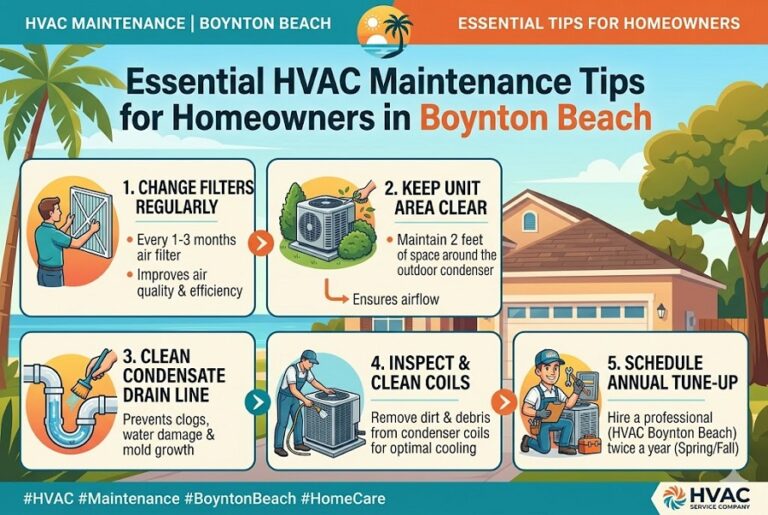
Changing air filters regularly is one of the easiest and most important maintenance tasks. Dirty air filters block airflow, making the system work harder and reducing energy efficiency. Clogged filters can also contribute to poor air quality, which can affect the health of your family. Make it a habit to check and replace filters every few months, especially during high-use periods like summer and winter. Regular HVAC maintenance in Boynton Beach, FL often includes this task, helping to keep your system efficient and your home’s air quality at its best.

Cleaning the coils and fins of your HVAC system is another critical maintenance task. Over time, the evaporator and condenser coils can gather dirt, which affects their ability to absorb and release heat. Similarly, the fins around the coils can become bent, obstructing airflow. Keeping both the coils and fins clean and straight can help prevent inefficient performance, keeping the system running smoothly.

It’s also important to check and clean the ductwork regularly. Dust and debris can accumulate in the ducts, which restricts airflow and lowers air quality. Leaky ducts can also waste energy by allowing air to escape before it reaches its intended destination. Having the ducts cleaned and sealed ensures the system runs efficiently and maintains better air quality.

Checking Refrigerant Levels

Regularly checking refrigerant levels is another essential task in HVAC maintenance. Low refrigerant levels often point to a leak in the system, which not only reduces cooling efficiency but can also damage the compressor if not addressed. A professional HVAC technician can check the refrigerant levels and handle any repairs needed to prevent further damage.

Thermostat Maintenance

Maintaining your thermostat is also crucial for HVAC efficiency. An outdated or malfunctioning thermostat can cause inconsistent temperatures in the home, wasting energy and leading to discomfort. Many modern thermostats are programmable, allowing you to set specific temperatures for different times of the day, which can help reduce energy consumption.

Professional HVAC Maintenance

While some maintenance tasks can be performed by homeowners, it’s also important to schedule regular professional maintenance. A qualified technician can perform more detailed inspections, ensure all components are functioning properly, and catch potential issues before they lead to expensive repairs. Scheduling professional maintenance once a year is a good way to ensure your system stays in top condition.

Signs You Need Professional Help

If you notice any signs of system problems, like inconsistent cooling or heating, unusual noises, or higher-than-usual energy bills, it’s time to call a professional. Prompt action can prevent small issues from becoming costly repairs. Regular HVAC maintenance in Boynton Beach, FL, will help keep your system running smoothly and efficiently.

The Benefits of HVAC Maintenance

Maintaining your HVAC system offers several benefits. It ensures consistent comfort by keeping temperatures steady, improves indoor air quality by removing dust and allergens, and helps extend the lifespan of the system, reducing the need for costly repairs or replacements. Plus, a well-maintained system consumes less energy, which leads to lower utility bills and a more eco-friendly home.

Conclusion

In conclusion, HVAC maintenance is a crucial part of owning a home in Boynton Beach. By performing simple tasks like changing air filters, cleaning coils and fins, and scheduling professional inspections, homeowners can ensure their HVAC systems run efficiently and reliably. If you need professional HVAC maintenance in Boynton Beach, FL, don’t hesitate to contact a local expert to keep your system in top shape year-round.

Modern homes are designed to be stylish, comfortable, and functional. Furniture, carpets, and upholstered décor play a major role in creating a welcoming living space. However, daily life exposes these surfaces to spills, stains, dust, and general wear. This is why fabric protection has become an essential part of maintaining modern interiors. By adding a protective layer to upholstery and textiles, homeowners can preserve the beauty, durability, and cleanliness of their furniture for years.

Protecting Furniture from Everyday Spills and Stains

In a typical household, accidents are inevitable. Coffee spills, food stains, pet hair, and muddy footprints can easily damage upholstery. Fabric protection solutions work by forming an invisible barrier on the surface of fabrics that repels liquids, dirt, and oils. This barrier prevents stains from immediately soaking into the fibers, giving homeowners more time to clean the spill before it becomes permanent.

Because liquids tend to bead up on the treated surface instead of penetrating the fabric, stains are easier to wipe away. This feature is especially useful in homes with children or pets where accidental spills are more common. By preventing deep stains, fabric protection helps furniture maintain its original appearance and color.

Extending the Life of Upholstered Furniture

Furniture is a long-term investment, and protecting it helps maintain its value. Fabric threads can become weak over time from dust, dirt, and friction, which can make them fade or wear out. Fabric protection strengthens the durability of these materials by shielding them from abrasion and environmental damage.

When fabrics are protected, they are less likely to deteriorate quickly under daily use. This means sofas, chairs, and cushions can remain in excellent condition for much longer. For homeowners, this translates into fewer repairs and less frequent furniture replacements.

Making Cleaning and Maintenance Easier

Maintaining clean furniture is much easier when fabrics are protected. Without protection, dirt and stains can sink deep into the fibers, requiring heavy cleaning or professional treatments. Fabric protection prevents this problem by keeping contaminants closer to the surface.

As a result, routine cleaning such as vacuuming or wiping becomes more effective. Dust and debris are easier to remove because they cannot easily bond to protected fibers. This helps homeowners maintain a tidy and fresh-looking home with less effort.

Supporting a Healthier Indoor Environment

Fabric protection also contributes to better indoor hygiene. Upholstery can trap dust mites, pollen, and allergens that may affect indoor air quality. Protective treatments help prevent these particles from embedding deeply into the fabric, making them easier to remove during cleaning.

By reducing the buildup of allergens in furniture and carpets, fabric protection can help create a cleaner living environment for families. This is particularly important for people who suffer from allergies or respiratory sensitivities.

Preserving the Appearance of Modern Interiors

Interior design plays a major role in modern homes. Stylish furniture, elegant sofas, and decorative fabrics are key elements of home décor. When fabrics become stained or worn, they can quickly affect the overall look of a room. Fabric protection helps preserve the visual appeal of these furnishings by preventing discoloration, fading, and permanent stains.

Professional solutions such as https://www.ultra-guard.com/chicago-fabric-protection/ provide homeowners with specialized treatments that safeguard upholstery and other textiles from everyday damage. These services apply protective coatings that maintain the look and feel of fabrics without altering their texture or comfort.

A Cost-Effective Home Maintenance Strategy

Replacing furniture can be expensive, and frequent professional cleaning can also add to household costs. Fabric protection is a practical way to minimize these expenses. Because protected fabrics resist stains and wear, they require less intensive maintenance and last longer.

In many cases, a single protective treatment can provide long-lasting results, helping homeowners avoid costly repairs or replacements. For modern households that prioritize both comfort and efficiency, fabric protection offers a smart and economical solution.

Conclusion

Fabric protection is an essential step in caring for furniture and maintaining the beauty of modern homes. By preventing stains, extending furniture lifespan, simplifying cleaning, and improving indoor hygiene, protective treatments provide long-term benefits for homeowners. As everyday life continues to expose fabrics to spills, dirt, and wear, investing in fabric protection ensures that furniture remains clean, comfortable, and visually appealing for years to come.

Space is a luxury not every property can afford. Narrow driveways. Short side setbacks. Tight inner-city blocks. But many homeowners prefer the security and crisp appearance of a sliding gate. Enter the telescopic sliding gates.

They don’t require the full run-back space of a classic gate. They don’t disappear; they fold away, neatly and efficiently, as if by magic.

The Issue of Lack of Space with Traditional Sliding Gates

A typical sliding gate requires one side to be fully open across the entire width. So, if your driveway is four metres wide, you need to have a clear space of four metres beside it.

That space doesn’t exist in a lot of homes.

The predicament is that rolling style doors include very large springs and there are always possibility of the spring breaking as a result, it must be put on a cut-off system that disengages if damage ensues. This trouble comes with all properties who decide to have sliding gates in Melbourne installed in their property whether commercial or residential:

  • Narrow urban blocks
  • Homes close to boundaries
  • Driveways near walls or landscaping

There isn’t enough space for a regular sliding gate. Or at least, it used to be.

What is a Telescopic Sliding Gate?

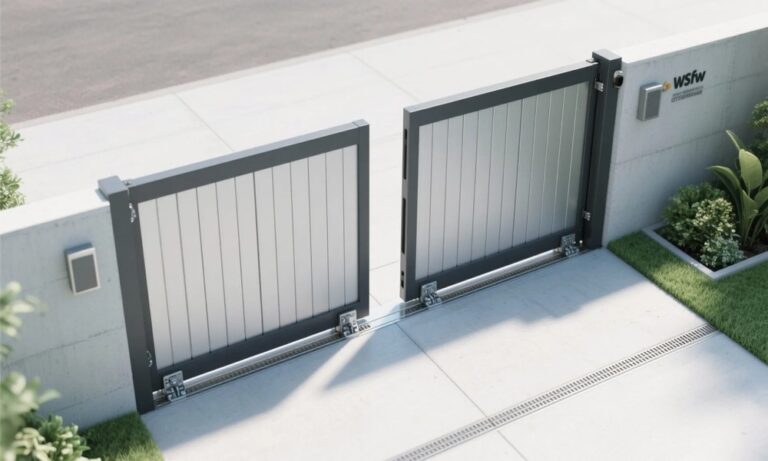
The travel space is tackled by dividing the gate into at least two panels with a sliding telescopic gate. These panels “stack” as they slide to open the gate.

Rather than sliding the entire width, the panels accordion behind each other. The overall space required is about half of the opening width.

In simple terms:

  • One gate is then two or three gates in motion
  • Each section slides in sequence
  • Only a fraction of the amount of side room needed with other gates, gate opens all the way

That’s the reason why telescopic types are rising in popularity for sliding gates in Melbourne where space is at a premium!

How the “Stacking” Panels Work?

The secret is in the sausage. First the lead panel moves as the motor vibrates. The other panels follow, rather like the curtains on a rail.

Each lead to an even and controlled fold-away action.

Key features include:

  • Connecting rollers to keep panels in line
  • Precision tracks for stable movement
  • Clean stacking without a pileup in the driveway

Behind the scenes, operation looks effortless.

Perfect for Tight Frontages

If your driveway sits directly behind a wall, fence or in front of garden beds, many times telescopic gates are the only sliding gate system that will fit.

They are ideal when:

  • You have lesser room for full-length sliding
  • Swing gates would just become a nuisance on footpaths or on slopes
  • You don’t want some latest stripped-down entryway

This makes telescopic systems a particularly appealing solution for the automatic sliding gates Melbourne citizens need to use on smaller blocks.

Can Telescopic Gates Be Automated?

Yes. And here’s where they truly serve their purpose.

Telescopic technology gets along great with automation. The movement is managed by one motor that also opens and closes all panels simultaneously.

With automatic sliding gates in Melbourne, you will still receive:

  • Remote or keypad access
  • Smooth, quiet operation
  • Safety sensors and soft starts

Automation does not alter the space savings. It just adds convenience.

Design Flexibility Isn’t Compromised

Some are put off from telescopic gates by the way they look “busy” or mechanical. That’s outdated thinking.

Modern designs allow:

  • Clean horizontal or vertical slats
  • Aluminium, steel, or composite materials
  • Seamless panel alignment when closed

From the outside, most telescopic gates appear as a single beautiful gate.

So, Why are Sliding Gates Becoming More Popular?

In the era of tightening blocks and design density, more intel-gent gate polys are getting used.

Telescopic sliding gates offer:

  • Maximum clearance with minimal space
  • Full automation potential
  • Modern aesthetics without compromise

For property owners who don’t have extra space, they’re not a workaround. They’re the smarter option.

The Takeaway

Less frontage, not less choice. If space is limited to the sides, telescopic sliding gates offer a smart and practical solution that appears almost magical as it moves.

For most houses looking for sliding gates in Melbourne, that stacking is not only useful. They’re the only way forward.

Among the most popular modern choices are louvered pergolas, which feature slatted roofs that can be adjusted to control sunlight, shade, airflow, and even rain protection.

When selecting a louvered pergola, one key decision is whether to choose a manual or motorized model.

Each has distinct advantages, and your choice ultimately depends on how you use your outdoor area, your budget, and your expectations for convenience and technology.

Manual Louvered Pergolas: Simple and Affordable

Manual louvered pergolas use a hand crank, lever, or simple pulley system to adjust the position of the louvers. Here’s why many homeowners still choose this traditional option:

Pros of Manual Pergolas

  • Lower Cost: Manual systems are typically more affordable than motorized versions because they lack electrical components and motors.
  • Reliable and Low Maintenance: Manual pergolas, having fewer components that can wear out, are typically easier and more affordable to maintain over the long term.
  • Easy Installation: Without the need for electrical wiring or automation systems, manual pergolas can be quicker and simpler to install.
  • Eco-Friendly: No electricity is required, making this a greener choice.

Cons of Manual Pergolas

  • Physical Effort Required: Adjusting louvers manually can be inconvenient, especially if the pergola is large or if the mechanism is hard to reach.
  • Less Convenient: Frequent adjustments throughout the day can become tedious.
  • Limited Integration: Manual pergolas typically cannot be integrated with smart home systems or automated weather sensors.

Manual pergolas are ideal for homeowners who value simplicity, affordability, and durability, and who don’t mind a bit of manual effort to enjoy their outdoor space.

Motorized Louvered Pergolas: High-Tech Convenience

Motorized louvered pergolas use an electric motor and often come with wireless remotes, wall switches, or smartphone apps for control. Some high-end models can connect to home automation systems and feature weather sensors that automatically adjust the louvers according to sunlight, rain, or wind.

Pros of Motorized Pergolas

  • Ultimate Convenience: Open, close, or adjust your pergola with the push of a button-perfect on hot sunny days or during sudden showers.
  • Smart Integration: Many systems sync with smart home platforms like Alexa, Google Home, or dedicated apps for personalized automation.
  • Weather Sensors: Optional sensors can protect your pergola and outdoor furnishings by automatically adjusting the louvers in changing weather conditions.
  • Enhanced User Experience: Great for those with limited mobility or for families who prefer tech-enabled features.

Cons of Motorized Pergolas

  • Higher Initial Cost: Motorized models cost more due to the electronics, motors, and optional smart features.
  • Complex Installation: Electrical wiring is required, and professional installation is often recommended, adding to upfront costs.
  • Maintenance and Repairs: Motors and control systems may require occasional maintenance or repairs, especially after heavy use or exposure to weather.

Motorized pergolas shine in homes where convenience, automation, and high-tech functionality are priorities.

Which One Is Right for Your Home?

Choosing between a manual and a motorized pergola comes down to budget, lifestyle, and how you plan to use your outdoor space.

  • Choose Manual If:
    • You want an affordable, low-maintenance pergola.
    • You enjoy a simple, no-frills outdoor structure.
    • You don’t mind manually adjusting the louvers.
    • Your pergola is located in a compact area where frequent louver adjustments aren’t necessary.
  • Choose Motorized If:
    • You want effortless control and high convenience.
    • You enjoy smart home features and automation.
    • You plan to use the pergola frequently or entertain guests often.
    • You want weather-responsive adjustments without lifting a finger.

Find Excellent Window Treatments, Fashionable, Practical and Affordable. Your windows should have more than plain curtains. They shape the perception of the world as well as regulate the light, privacy and temperature in your home. The right window furnishing makes the ordinary rooms into comfortable and trendy ones.

Quality is important whether you have to have full darkness in bedrooms or some regulated light in living rooms. To settle on the best solution it is always necessary to know what you have to offer and locate suppliers who can provide you with the best. For residents seeking superior window coverings, blinds ballina offers exceptional choices that enhance every room.

Learning Your Window Dressing Choices.Versatile Roller Blinds

Such trendy selections are appropriate in any room. They roll easily up and down offering immediate privacy or light control. Roller blinds are available in a variety of colors and fabric; it suits both modern and traditional houses. Blockout fabrics make the house absolutely dark whereas the sunscreen features allow to filter out harsh rays without interruptions to the views.

Elegant Venetian Blinds

Horizontal slats have accurate control of light during the day. Tilt them either to allow filtered sunlight or completely shut them up to give privacy. Various types of aluminum and timber are used to supplement various interior designs. These are long-lasting products against humidity and therefore can be used in the bathroom and kitchen.

Stylish Vertical Blinds.

Vertical blinds are smooth and work well on very wide areas of opening e.g. large windows and sliding doors. The light direction and intensity is controlled by rotating individual panels. They develop clean lines that complement modern spaces, but are still practical to be used on a daily basis.

Extra Benefits Other than Basic Coverage.

Good window decorations have a number of benefits. They save on energy expenses through heat and cold insulation. Privacy protection also provides you an opportunity to have a good sleep without fear of being seen by others. UV protection helps prevent the sun damage of furniture, flooring, and artwork. The blinds are also fitted adequately to minimize outside noise and they make interior environments quieter.

The installation is carried out by the professionals to guarantee the perfect fit and smooth work. Expert measuring eliminates loopholes that undermine privacy and energy conservation. Good hardware ensures years of good performance without the hardware falling or breaking.

Making the Right Choice of Home.

Identify the individual requirements of the rooms and choose treatments. Bedrooms are fitted with blockout fabrics that enhance better sleep. Residential spaces are suited to light-filtering facilities which keep the spaces bright and minimize glare. Bathrooms and laundry rooms are the two perfect locations of moisture-resistant materials.

Conclusion

The choice of proper window coverings will change the way you live in your places of residence. Quality Blinds ballana offers solutions to their clients at a reasonable cost that has become the trademark of quality, style and durability that the homes of friends and neighbors should be able to enjoy.

A roof should have a flawless structure to remain intact throughout the year. However, constant exposure to rainfall puts pressure on the roofing system. It may lead to leaks and mold problems in your roof. That is why your roof needs inspection to keep it safe during the monsoon.

The best roof maintenance tips during the rainy season

You can now check for tips on how to care for the roofing system during heavy rainfall. For any roof repair San Francisco, call the most trustworthy professionals.

Inspect your roofing surface

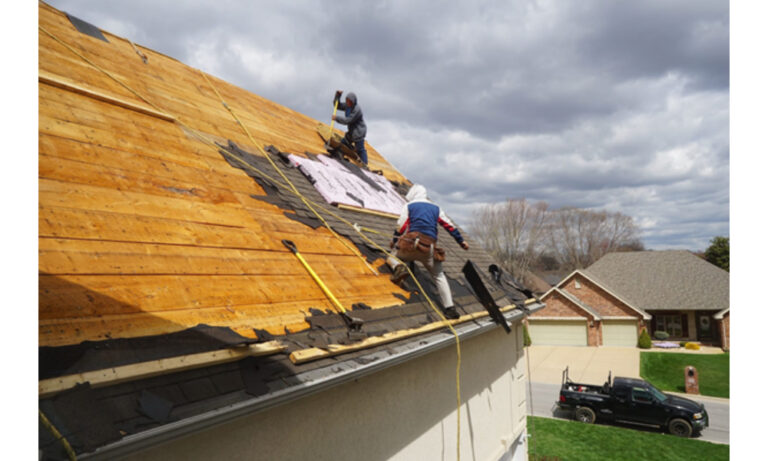
Before the beginning of the rainy season, inspect your roof thoroughly to find missing and loose tiles.  It is essential to address defects early and prevent them from causing major complications.

The roofers check the ridges and joints where water buildup occurs. Even a small gap allows water penetration into your house. Thus, hire expert roofers to repair the roofing system, if needed.

Clean downspouts and gutter systems

Blocked guttering systems cause rainwater to back up onto the roof. Regular cleaning ensures a smooth flow of rainwater away from the building. The overflowing gutter may cause water to seep into foundations and walls. It can lead to long-term issues if you do not take the right measures. Thus, after heavy storms, you must check your rain gutters and downspouts.

Repair or replace damaged tiles

A single damaged tile allows water to flow into your room. So, your tile roofs need repairs to maintain the integrity of the structure. During inspection, roofers will identify those tiles and recommend replacement. They ensure that the new tile matches the existing ones on your roof.

Maintain ventilation

Smooth airflow in the attic prevents dampness and mold growth in humid weather. But, moisture and heat get trapped without proper ventilation. Over time, it leads to structural decay and affects your indoor temperature. So, your roofers will check soffit openings and install ridge vents to improve circulation.

Conclusion

Your roofing system needs maintenance to keep it secure during the rainy season. For this reason, consult a roofer to have repair services in San Francisco. The expert will restore your roof by repairing structural damage.


As solar energy becomes an increasingly popular choice for homeowners and businesses looking to reduce their environmental impact, the importance of maintaining the efficiency of solar panels cannot be overstated. One of the most effective ways to ensure optimal performance and sustainability of your solar energy system is by investing in professional solar panel cleaning. Beyond improving performance, professionally cleaned solar panels offer several environmental benefits that contribute to a cleaner, greener future.

1. Maximized Energy Efficiency

The primary environmental benefit of professionally cleaned solar panels is improved energy efficiency. Over time, dirt, dust, debris, and even bird droppings can accumulate on the surface of solar panels. This build-up blocks sunlight from reaching the photovoltaic cells, causing a decrease in energy production. By hiring a professional to clean your solar panels, you ensure that they are free from these obstructions, maximizing their efficiency. Cleaner panels can generate more electricity, which reduces your reliance on fossil fuels and decreases your carbon footprint.

2. Reduction in Carbon Emissions

The more energy your solar panels generate, the less electricity you need to draw from non-renewable sources. When solar panels are functioning at peak efficiency, they contribute to a significant reduction in carbon emissions. By maintaining your solar panels through regular professional cleaning, you are ensuring that the system operates at its highest potential, helping to reduce greenhouse gas emissions that contribute to climate change.

3. Extended Lifespan of Solar Panels

Regular professional cleaning not only improves the efficiency of your solar panels but also helps extend their lifespan. By removing harmful contaminants such as dirt, algae, or grime, you reduce the risk of damage caused by these elements over time. The longer your solar panels last, the fewer resources you’ll need to replace them, further benefiting the environment by reducing waste and the need for new materials.

4. Preservation of Local Ecosystems

When solar panels are left uncleaned for long periods, contaminants can trickle into the surrounding environment. For example, bird droppings, which can accumulate on panels, may contain harmful bacteria or other substances that could potentially leach into nearby water sources. By hiring professionals to clean your panels, you prevent these harmful substances from being released into the environment, helping to preserve local ecosystems and ensuring that your solar energy production remains sustainable.

5. Increased Adoption of Renewable Energy

When solar panels are efficiently producing energy, it encourages more people to adopt solar power as a reliable and sustainable energy source. A professionally cleaned system demonstrates the potential for solar energy to play a significant role in reducing environmental harm. By maintaining your solar panels and demonstrating their effectiveness, you contribute to the growing adoption of renewable energy technologies, further reducing the global reliance on fossil fuels.

Conclusion

Professionally cleaned solar panels are essential for maximizing energy production, extending the lifespan of the system, and reducing environmental impact. By investing in regular professional cleaning, you ensure that your solar panels continue to operate efficiently, reduce your carbon footprint, and help preserve the environment for future generations.

Ready to boost the performance of your solar panels and contribute to a cleaner planet? Contact our team of experts today to schedule a professional cleaning service and start enjoying the full benefits of your solar energy system. Let’s work together for a sustainable future!

This post was written by a professional at EHS. Efficient Home Services of St. Petersburg FL is a solar energy company offering a variety of services. At Efficient Home Services of Florida, our mission is to save you money. No other home energy company serving Florida offers the range of cost-saving solutions that we do. Whereas other businesses might focus on one component of a home’s energy use, such as solar panel installation or HVAC unit installation, EHS provides services across the spectrum to address every aspect of your home’s energy inefficiencies. We are a team of knowledgeable professionals who banded together to give homeowners what other companies promised but could not deliver – real relief from high electric bills.