A gazebo can change how a yard gets used. A bare corner of the lawn becomes a shaded place for dinners, reading, or a quiet morning coffee, and the whole property feels more finished. The best gazebos, though, are the result of decisions made well before the first post goes in the ground. Where it sits, how big it is, what it is made from, and how it is anchored all shape how much you will enjoy it for years to come. This guide walks through those decisions in the order they usually come up.
Decide what the gazebo is actually for
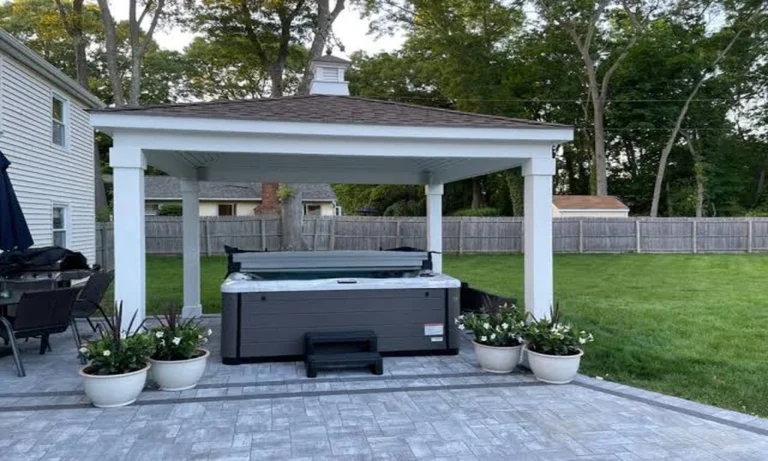
Before looking at designs, picture how you will use the space. A gazebo meant for two people and a pair of chairs is a very different build from one that needs to seat eight around a table. Think about whether you want a dining area, a lounge corner, a hot tub cover, or simply a shaded retreat at the edge of the garden. Write down the largest group you expect to host and the furniture you plan to bring in.
That list tells you the footprint. As a rough guide, leave room for walking around furniture, not just for the furniture itself. Many homeowners end up wishing they had gone a few feet larger, because a gazebo that feels crowded rarely gets used.
Choose the spot with sun, wind, and views in mind
Spend a day watching your yard. Note where the sun falls in the morning, at midday, and in the evening, since a gazebo placed in the wrong spot can end up too hot in the afternoon or too gloomy in the morning. Pay attention to the prevailing wind as well. A structure that catches strong gusts is less comfortable and puts more stress on its frame.
Site choice is also where experienced help pays off early. Homeowners comparing Utah County gazebos services can ask each company to walk the yard with them and explain how sun angles, drainage, and slope affect the best position. A professional eye often spots issues, such as a low corner that collects water, that are easy to miss on your own.
Consider the view from inside and from the house. A gazebo should look good from your kitchen window and give you something pleasant to look at once you are sitting in it. Keep a sensible distance from fences and property lines, and avoid placing it directly under large tree branches that could drop limbs, sap, or leaves onto the roof.
Weigh the main material options
Each material comes with trade offs, and the right choice depends on your budget, climate, and appetite for upkeep.
- Wood offers a warm, classic look and can be customized easily. It needs regular sealing or staining to resist moisture and sun.
- Vinyl holds up well against rot and insects and needs little more than occasional washing, though the style options can feel more limited.
- Metal frames, such as aluminum or steel, are strong and low maintenance, and they pair well with modern designs.
The roof matters just as much. Shingles, metal panels, and canopy fabrics behave differently in rain, snow, and strong sun. If your area gets heavy winter snow, ask how the roof and frame are designed to handle it, because load requirements vary by location and should be confirmed with your local building department.
Get the ground and foundation right
A gazebo is only as stable as what it sits on. Options include a concrete slab, concrete footings under each post, a paver patio, or a wood platform. The right choice depends on the size of the structure, your soil, and how level the site is. A foundation that settles unevenly will twist the frame, stress the roof, and leave doors or railings out of line.
If your plan involves digging post holes or footings, make a call before you break ground. Utilities run underground in almost every neighborhood, and hitting a line is dangerous and expensive. Blue Stakes of Utah, the state’s free utility locating service at bluestakes.org, asks homeowners and contractors to request a locate before digging so that buried lines can be marked in advance. Leave plenty of lead time for the request, and follow the marked areas carefully when you dig.
Know when to bring in a professional builder
Plenty of people enjoy building a small structure themselves, but a gazebo involves more than assembling a kit. It needs level footings, square framing, secure connections, and a roof that sheds water and holds up under wind. Homeowners comparing Utah County gazebos services should ask each company about the materials they use, how they handle foundations, what the timeline looks like, and whether the work is covered by a warranty. A clear written estimate and a straightforward explanation of each step are good signs.
It also helps to ask whether the builder will handle permits and inspections if your project requires them. Rules about size, height, distance from property lines, and electrical work differ from city to city, and checking early prevents delays and surprise costs later.
Plan for comfort features early
Lighting, power, and shade control are easiest to install while the structure is being built. If you want ceiling fans, string lights, speakers, or outlets for a heater, decide that before the roof goes on so wiring can be done cleanly and safely. Electrical work should be handled by a licensed professional.
Think about enclosure options too. Screens keep out insects, curtains add privacy and block low sun, and removable panels let you extend the season. Even a simple set of outdoor curtains can make the space feel much more comfortable on a breezy evening.
Keep it looking good with simple upkeep
Once your gazebo is up, a little routine care protects the investment. Wash the roof and frame a couple of times a year, clear debris from corners where moisture collects, and check fasteners and connections each spring. Reseal or restain wood on a regular schedule, and touch up any chips in painted metal before rust starts. Trim nearby plants so air can circulate and moisture does not linger against the structure.
Final thoughts
A gazebo rewards patience at the planning stage. Decide how you will use it, pick a spot that suits the sun and wind, choose a material that fits your tolerance for maintenance, and give the foundation the attention it deserves. Call before you dig, ask good questions of any professional you hire, and plan your lighting and comfort features early. Do that, and your gazebo will become the favorite spot in the yard for many seasons to come.