Tag

proper

Browsing

Every facility manager dreads the moment when a sectional door grinds to a halt in the middle of a busy day. Lost productivity, safety hazards, and expensive emergency callouts can all be traced back to preventable issues. Yet, many businesses still treat sectional door maintenance as an afterthought, only calling for help when failure is unavoidable.

The Cost and Consequences of Emergency Sectional Door Repairs

Unplanned sectional door breakdowns bring costs that span well beyond the immediate repair invoice.

Financial Impact of Unexpected Repairs

Emergency repairs often come at a premium, with after-hours service charges and expedited parts delivery quickly inflating bills. Even a single urgent fix can match the annual cost of regular maintenance.

Operational Disruptions and Safety Risks

When a sectional door fails, entire workflows stall. Deliveries get delayed, vehicles are stranded, and staff may be tempted to bypass standard safety practices. In warehouses or busy loading docks, a malfunctioning door can expose workers to injury and property to theft or weather damage.

Comparing Emergency vs. Scheduled Repair Outcomes

Scheduled maintenance spreads costs predictably, minimizes downtime, and ensures parts are replaced before they fail. In contrast, emergency repairs are reactive, stress-inducing, and often lead to higher long-term expenses.

| Type of Repair | Average Cost | Downtime (hrs) | Safety Risk | Predictability |

|———————|————–|—————-|————-|—————|

| Scheduled | Low-Medium | 1-2 | Low | High |

| Emergency | High | 4+ | Medium-High | Low |

Routine Preventive Maintenance vs. Reactive Repairs

Relying solely on reactive repairs is a recipe for disruption. Proactive maintenance, on the other hand, uncovers small issues before they spiral.

Benefits of Scheduled Inspections and Tune-Ups

Regular inspections keep doors running smoothly and safely. Trained technicians spot fraying cables, worn rollers, and misaligned tracks that often go unnoticed until major failure. Scheduled lubrication, tension adjustments, and safety sensor tests ensure longevity and reliability.

Common Signs Detected Early Through Maintenance

– Unusual noises during operation (grinding, squeaking)

– Door movement that is jerky or uneven

– Visible wear on springs, cables, or rollers

– Delayed response from openers or safety systems

Catching these early can prevent shutdowns and injuries.

Case Studies: Reduced Emergency Calls with Preventive Care

Facilities that adopted scheduled inspections saw a marked drop in emergency interventions. For example, one Montreal logistics hub reported a 70% reduction in urgent repair calls after instituting quarterly maintenance checks.

Techniques and Tools for Preventive Inspection

Preventive maintenance is more than a quick visual once-over.

Visual and Mechanical Diagnostic Methods

Technicians rely on visual inspections to spot wear and mechanical tests to check spring tension and force limits. Listening for abnormal sounds and feeling for resistance during manual operation can reveal deeper issues.

Role of Technology: Sensors and Automated Alerts

Modern monitoring systems use sensors to detect excess vibration, cycle counts, and temperature anomalies. Automated alerts prompt managers to call for service before a breakdown occurs.

Comparing Manual Checks with Advanced Monitoring Systems

Manual checks catch obvious signs, but technology provides continuous monitoring and early warnings. Combining both approaches yields the most comprehensive protection.

Component-Specific Preventive Strategies

Each part of a sectional door requires targeted attention.

Springs and Cables: Lifespan and Early Warning Signs

Springs have a finite cycle life. Over time, small cracks or stretches foreshadow failure. Regularly checking for these changes and replacing springs preemptively avoids sudden breakdowns.

Tracks and Rollers: Cleaning, Lubrication, and Alignment

Tracks clogged with debris or misaligned rollers create drag, leading to motor strain and uneven door movement. Scheduled cleaning and lubrication ensure smooth operation.

Motor and Opener Maintenance Practices

Dust buildup inside opener housings and misaligned safety sensors are common culprits. Clearing obstructions and recalibrating sensors keep automation reliable and safe.

Professional Service Agreements vs. DIY Maintenance

Many businesses debate between hiring professionals and relying on in-house staff.

Advantages of Hiring Certified Technicians

Certified technicians bring experience across all door models and brands. They use specialized tools to diagnose subtle issues and have access to proprietary parts that may not be available to the public.

Risks and Limitations of DIY Approaches

DIY repairs may miss critical safety tests, leading to incomplete fixes. Mistakes can void warranties and expose staff to injury.

Cost-Benefit Comparison of Service Contracts

While service contracts carry a recurring cost, they guarantee rapid response, priority scheduling, and peace of mind. In most cases, the investment offsets the savings lost to emergency disruptions.

Emergency Repair Readiness: When Prevention Isn’t Enough

No system is foolproof. Being ready for the unexpected is as important as prevention itself.

How to Set Up a Rapid Response Plan

Maintain a log of door specifications and service history. Train staff on manual overrides and ensure emergency contacts are accessible.

Choosing Reliable 24/7 Repair Services

Partnering with a reputable provider with guaranteed response times is critical. Companies like réparation de porte sectionnelle Dor Docteur are valued for transparent pricing, qualified technicians, and true round-the-clock service.

Balancing Prevention with Emergency Preparedness

A robust plan combines regular preventive care, technology-enabled monitoring, and reliable emergency backup. This layered approach minimizes risk and delivers operational continuity.

Environmental and Usage Factors Influencing Door Wear

Sectional doors in harsh climates or high-traffic facilities demand extra vigilance.

Impact of Weather Conditions and Location

Extreme cold can stiffen lubricants, while humidity encourages rust. Regular adjustments based on seasonal changes are crucial.

High-Traffic vs. Low-Traffic Operational Considerations

Doors that cycle hundreds of times a day require more frequent inspections and earlier replacement of moving parts.

Customizing Preventive Steps Based on Use Case

Tailoring schedules and inspection points to your specific operating environment maximizes lifespan and reduces breakdowns.

Long-Term Investment: Upgrading for Durability and Reduced Emergencies

The best long-term preventive measure may be a strategic upgrade.

New Materials and Technologies in Sectional Doors

Modern doors feature corrosion-resistant hardware, energy-efficient insulation, and smart openers with predictive diagnostics.

Retrofitting and Modernizing Existing Systems

Retrofitting older doors with upgraded rollers, springs, or sensors can dramatically cut emergency incidents.

Comparing Initial Costs with Long-Term Savings

Upfront investment in quality materials and professional maintenance pays off in reduced repairs, fewer emergencies, and uninterrupted operations over the door’s lifespan.

Predictable, proactive care is the best insurance against the chaos of emergency sectional door repairs. With the right combination of scheduled maintenance, targeted upgrades, and reliable partners, you can keep your doors, and your business, moving smoothly.

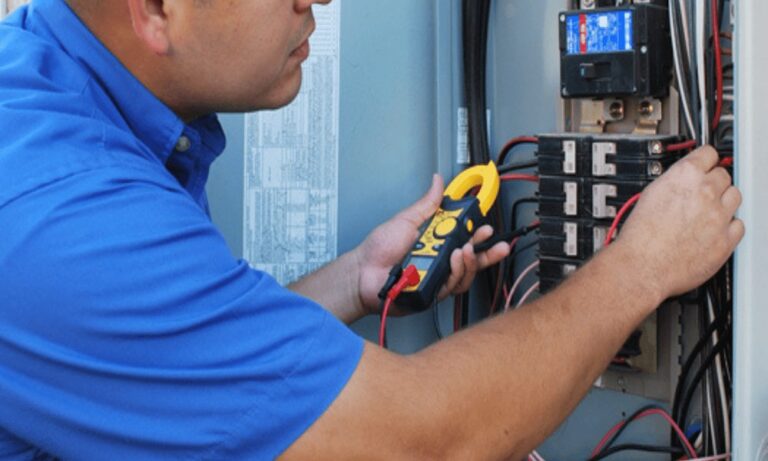
If your garage lights have started flickering, dimming unexpectedly, buzzing, or failing altogether, the problem may be much deeper than a burned-out bulb. In many Austin, Texas homes, garages are one of the first places where electrical issues begin to show themselves. Because garages experience heat, dust, humidity changes, vibration, and heavy electrical usage, they often become an early warning system for larger electrical problems throughout the home.

Many homeowners searching for a Trusted Electrician In Austin, TX are surprised to learn that garage lighting problems can reveal overloaded circuits, deteriorating wiring, moisture intrusion, and even dangerous connection failures hidden behind walls. What looks like a simple lighting issue can quickly turn into a safety concern if ignored for too long.

In Austin, where temperatures regularly climb and garages are used for everything from workshops to home gyms and EV charging stations, lighting systems work harder than many people realize. Understanding why garage lights fail can help homeowners catch electrical problems early before they spread to the rest of the property.

Why Garages Often Reveal Electrical Problems First

Garages are unique spaces. Unlike climate-controlled living rooms or bedrooms, garages face constant environmental stress. In Austin homes, garages experience extreme summer heat, occasional moisture issues during storms, and fluctuating temperatures that can accelerate wear on electrical components.

Most garages also support heavier electrical demands than they did decades ago. Today’s garages may power:

  • Refrigerators or freezers
  • Power tools
  • Air compressors
  • EV chargers
  • Home gym equipment
  • Additional refrigerators
  • Workshop lighting
  • Smart home systems

Older garage electrical systems were rarely designed for modern electrical loads. As a result, lighting fixtures and circuits often begin showing warning signs before major electrical failures occur elsewhere in the home.

This is one reason many homeowners contact a Trusted Electrician In Austin, TX after noticing repeated garage lighting problems that never seem to fully go away.

Failing Ballasts and LED Drivers

One of the most common causes of garage lighting failure involves failing ballasts or LED drivers.

Older garages throughout Austin still use fluorescent tube fixtures. These fixtures rely on ballasts to regulate electrical current. Over time, ballasts wear out due to age, heat exposure, and voltage fluctuations.

Signs of a failing ballast may include:

  • Lights flickering repeatedly
  • Delayed startup
  • Buzzing or humming sounds
  • Dim lighting
  • Blackened tube ends
  • Random shutoffs

Austin’s summer temperatures can dramatically shorten ballast lifespan, especially in garages with poor ventilation. Excessive heat causes internal electrical components to degrade much faster.

Newer LED fixtures use drivers instead of ballasts. While LEDs are more energy efficient, their drivers can still fail when exposed to excessive heat or poor installation conditions. Cheap LED fixtures are especially vulnerable to early driver failure.

Many homeowners attempt to replace bulbs without realizing the actual issue lies deeper within the fixture itself.

A Trusted Electrician In Austin, Texas can properly diagnose whether the issue involves the bulbs, ballast, driver, wiring, or circuit itself rather than simply replacing parts that may not solve the root problem.

Overheating Garage Fixtures

Heat is one of the biggest enemies of electrical systems in Texas garages.

Garages in Austin can easily exceed 110 degrees during the summer. That extreme heat builds up inside lighting fixtures, junction boxes, and electrical connections. Over time, overheating can cause:

  • Brittle wire insulation
  • Melted fixture components
  • Loose electrical terminals
  • Premature bulb failure
  • Burned wiring
  • Circuit damage

Many homeowners unknowingly install lighting fixtures that are not rated for garage conditions. Enclosed fixtures without proper ventilation can trap heat and accelerate component failure.

Another issue involves insulation contact. Some recessed garage fixtures are improperly surrounded by insulation, preventing heat from escaping safely.

In severe cases, overheating fixtures can become fire hazards.

This is why homeowners often contact a Trusted Electrician In Austin, TX after noticing burning smells, discolored fixtures, or lights that suddenly stop working during hot weather.

Loose Wiring Connections Behind Garage Lights

Loose electrical connections are extremely common in garages, especially in older Austin homes.

Garages experience more vibration than most other rooms in a house. Opening and closing garage doors creates repeated vibration over the years, which can gradually loosen wire connections inside fixtures, switches, outlets, and junction boxes.

Loose wiring can cause:

  • Intermittent flickering
  • Arcing
  • Sparking
  • Hot switches
  • Random power loss
  • Tripping breakers
  • Electrical buzzing sounds

What makes loose wiring dangerous is that it often worsens slowly over time. Many homeowners ignore occasional flickering for months or even years before the issue becomes severe.

In some cases, loose connections can create enough resistance to generate dangerous heat inside walls.

Garage lighting issues sometimes reveal older aluminum wiring problems as well. Homes built decades ago may contain wiring methods or splice connections that no longer perform safely under modern electrical loads.

A properly trained Trusted Electrician In Austin, TX can inspect these hidden connections safely and identify whether the issue is isolated or part of a larger electrical concern throughout the home.

Moisture Intrusion and Corrosion

Although garages seem dry most of the time, moisture intrusion is surprisingly common in Austin-area homes.

Humidity, rainwater intrusion, slab moisture, and condensation can all affect garage electrical systems. This is especially true for garages with poor insulation or damaged weather seals.

Moisture can slowly corrode:

  • Fixture contacts
  • Wire terminals
  • Junction boxes
  • Switches
  • GFCI outlets
  • Breaker connections

Corrosion increases electrical resistance, which leads to overheating, flickering, and eventual component failure.

Homeowners sometimes notice rust-colored staining near fixtures or experience lights that work inconsistently after heavy rainstorms.

Garages attached to homes with HVAC duct leakage may also experience hidden condensation problems that slowly damage electrical systems over time.

Moisture-related electrical issues should never be ignored because water and electricity create serious safety hazards.

This is another reason homeowners often rely on a Trusted Electrician In Austin, TX when recurring garage lighting problems seem tied to weather or humidity changes.

Overloaded Garage Circuits

Modern garages use far more electricity than they were originally designed to handle.

In many older Austin homes, garages may only have a single 15-amp or 20-amp circuit serving:

  • Lighting
  • Garage door openers
  • Wall outlets
  • Refrigerators
  • Outdoor outlets

Once homeowners add power tools, freezers, EV chargers, compressors, or workout equipment, those circuits can become overloaded quickly.

Overloaded circuits commonly cause:

  • Dimming lights
  • Flickering fixtures
  • Frequent breaker trips
  • Warm outlets
  • Reduced fixture lifespan

Sometimes garage lights dim every time a refrigerator compressor or garage door motor starts. This may indicate excessive voltage drop caused by overloaded wiring.

Unfortunately, repeatedly resetting breakers does not solve the underlying problem.

A licensed electrician can determine whether the garage requires:

  • Dedicated circuits
  • Panel upgrades
  • Subpanel installations
  • Circuit redistribution
  • Wiring upgrades

Many homeowners searching for a Trusted Electrician In Austin, TX discover their lighting issue is actually part of a larger electrical capacity problem affecting the home.

Problems During Fluorescent-to-LED Conversions

One growing issue throughout Austin involves improper fluorescent-to-LED conversions.

Many homeowners attempt DIY upgrades to modern LED garage lighting without understanding how the wiring systems differ. Some LED retrofit tubes require ballast bypass rewiring, while others are plug-and-play compatible.

Incorrect conversions can create:

  • Flickering LEDs
  • Shortened bulb lifespan
  • Fire hazards
  • Fixture overheating
  • Electrical code violations
  • Partial fixture failure

Improperly bypassed ballasts are especially dangerous when wiring connections are not completed correctly.

Additionally, some older garage fixtures simply are not compatible with certain LED retrofits. Cheap retrofit kits may also struggle in high-heat garage environments.

While LED upgrades can dramatically improve garage brightness and energy efficiency, proper installation matters.

A Trusted Electrician In Austin, TX can help homeowners select fixtures designed specifically for Texas garage conditions while ensuring all wiring remains safe and code compliant.

Should Homeowners Attempt Garage Lighting Repairs Themselves?

Many homeowners are comfortable replacing light bulbs, swapping simple fixtures, or installing basic LED upgrades. However, diagnosing electrical failures becomes much more complicated once wiring, overheating, or circuit problems are involved.

DIY electrical work may seem straightforward online, but garage electrical systems can hide serious hazards behind walls and ceilings.

Homeowners should generally avoid DIY electrical repairs when dealing with:

  • Flickering that continues after bulb replacement
  • Burn smells
  • Tripping breakers
  • Aluminum wiring
  • Moisture exposure
  • Melted fixtures
  • Overloaded circuits
  • Ballast bypass rewiring
  • Hot switches or outlets
  • Unknown wiring conditions

Texas electrical codes exist for safety reasons, and improperly completed electrical work can create fire risks or insurance complications later.

In Austin, licensed electricians are trained to safely troubleshoot hidden electrical faults, test circuits correctly, and ensure repairs meet local code requirements.

For simple cosmetic fixture swaps, experienced homeowners may handle the work safely if power is properly disconnected and wiring conditions are straightforward. But when recurring lighting problems continue appearing, it is usually best to contact Texas licensed electricians Austin homeowners trust.

Garage Lighting Problems Should Never Be Ignored

Garage lighting issues are rarely just about lighting alone. In many Austin homes, they serve as early warning signs of larger electrical concerns developing behind the scenes.

Flickering fixtures, failing LEDs, buzzing fluorescent lights, overheating housings, and dimming circuits often point toward aging infrastructure, overloaded electrical systems, loose wiring, or moisture-related damage.

Addressing these problems early can help homeowners avoid more expensive repairs later while improving safety throughout the property.

Whether the issue involves outdated fluorescent fixtures, overloaded garage circuits, hidden wiring damage, or failed LED conversions, working with a Trusted Electrician In Austin, TX can help identify the true source of the problem before it spreads to the rest of the home.

In a city like Austin, where garages serve as workshops, storage spaces, fitness rooms, and charging stations all at once, electrical systems deserve more attention than many homeowners realize. When garage lights begin failing repeatedly, the smartest approach is often to treat it as an opportunity to uncover deeper electrical issues before they become dangerous.

Your artwork or printed photo can be spoiled on a sagging or warped canvas. It may look loose, uneven, or a little bent over time. This is particularly the case in humid weather (the dreaded mouldy Adidas!) or after extended use. The basic reason is bad position of your back and the good news is this can be treated at home without any cost.

No matter if the canvas is assembled in a piece of decorative wall art or hanging photo frames on your wall, getting it back into shape is easier than you think.

Why Do Canvases Sag or Warp?

Understanding the cause helps fix the issue faster. Most canvas problems arise because of temperature, moisture, or tension changes.

Common reasons include:

  • Humidity relaxes the fabric
  • Poor initial canvas stretching
  • Old wooden frames that bent or warped
  • Improper storage or handling

After you know what the source is, you can select the correct repair.

Straightforward Methods to Maintain a Loose Canvas

Fog the Back: Lightly Sprays Water

One of easiest methods is this one.

  • Turn the canvas over
  • Dampen the back lightly in a spray bottle
  • Let it dry naturally

The fabric shrinks as it dries. This does well for mild sagging.

Do not soak the canvas. Excess water will ruin the painting.

Adjust the Canvas Keys

Small wooden wedges (called keys) are included and are the most common way to stretch a canvas.

  • Check the corners of the frame
  • Using a hammer so small, you hit the keys deeper
  • This adds a bit of the surface around the canvas and then compresses the canvas

If your canvas has been relaxed for a long time, this technique is perfect.

Apply Heat Carefully

Heat will tighten the canvas fibres:

  • Use a hairdryer on low heat
  • Keep it a couple of inches back from the rear
  • Sweep it across the surface relatively evenly

This approach is quick enough but needs to be done carefully to avoid causing harm.

Fixing a Warped Canvas Frame

In some cases, it’s not the fabric but the frame.

Signs of Warping:

  • Canvas does not lie flat to the wall
  • Corners look uneven
  • Frame feels twisted

What You Can Do:

  • Lay your canvas flat
  • Hold it and press softly to make it straighten
  • If required, corner brace the back

If the frame is all bent up, then replacing it may be the ticket.

When to Consider Professional Help?

If your work is precious or extremely fragile, DIY fixes are probably best avoided.

The professional services performed on canvas stretching can:

  • Restore proper tension
  • Replace damaged frames
  • Preserve the artwork safely

This is particularly helpful for larger pieces or gallery-quality prints.

Preventing Future Sagging

This is only half the job. Fixing the canvas. Equally as important it not to allow that to happen again.

Here are a few simple tips:

  • Avoid putting canvases near humid places
  • Stay out of direct sunlight and away from heat
  • Keep art standing in a dry area
  • Canvas stretching to go for quality

If you hang the art in picture frames, the frames must also be properly mountable, and the art must not be subject to stresses the environment itself.

Final Thoughts

A canvas that appears to be sagging or twisted is a serious issue, but it’s actually one of the easiest fixes. Using some simple techniques, you can restore your artwork and enhance its looks.

Even a bit of water sprinkling to proper stretching of canvas can be big beneficiary steps. Plus, as a bonus, they will keep your painting neat, tight, and looking awesome with well-maintained hanging photo frames for years.

Whether you’re buying, selling, refinancing, or dividing assets in a divorce, understanding property appraisals is essential for homeowners in St. Petersburg, Clearwater, and Tampa. A professional appraisal provides an objective assessment of a property’s market value, ensuring informed decisions, fair transactions, and long-term financial security.

1. What a Property Appraisal Entails

A property appraisal is conducted by a licensed appraiser who evaluates the home’s condition, location, size, and features. The appraiser may also consider recent sales of comparable properties in your area and market trends. The result is a detailed report that reflects the fair market value of your property.

2. Why Accurate Appraisals Matter

Accurate appraisals protect homeowners from financial risks:

  • Selling: Ensures you price your home competitively to attract serious buyers.
  • Buying: Confirms you are paying a fair price and avoids overpaying.
  • Refinancing: Helps lenders determine loan eligibility and terms.
  • Divorce or Legal Settlements: Provides objective valuation for equitable asset division.

3. Factors That Affect Appraisal Value

Several elements influence a home’s appraisal in the Tampa Bay area:

  • Location and neighborhood trends
  • Square footage and layout
  • Condition of the home and recent renovations
  • Comparable home sales nearby
  • Market conditions, including supply and demand

Understanding these factors helps homeowners make strategic decisions before listing or refinancing.

4. Preparing for a Home Appraisal

Homeowners can take steps to maximize their property value:

  • Clean and declutter interiors and exteriors
  • Complete minor repairs, like fixing leaky faucets or broken fixtures
  • Ensure landscaping is neat and maintained
  • Provide documentation of recent upgrades or renovations

These preparations can help the appraiser see the full potential and quality of your home.

5. The Benefits of a Professional Appraisal

A licensed appraiser provides an unbiased, thorough assessment, giving homeowners confidence in financial decisions. For buyers and sellers, it can prevent disputes, speed up transactions, and ensure fairness. For those refinancing or handling legal matters, it safeguards against potential financial losses.

Final Thoughts

Property appraisals are a vital tool for homeowners in St. Petersburg, Clearwater, and Tampa. By understanding how appraisals work, the factors that influence value, and how to prepare your home, you can make informed, confident decisions whether buying, selling, refinancing, or navigating legal matters.

This post was written by a professional at Meridian Property Appraisers. Meridian Property Appraisers is a statewide private appraisal firm based in St. Petersburg, FL and provides services in Pinellas property appraiser, Hillsborough counties and surrounding areas. We provide accurate, reliable, and timely property valuation reports for clients across Florida. Our experienced team serves homeowners, real estate agents, attorneys, construction companies, and other professionals seeking dependable appraisal services. Whether you need a residential appraisal, divorce appraisal, or valuation for estate or construction purposes, Meridian delivers trusted results with integrity, precision, and prompt communication every time.

For homeowners in Boynton Beach, FL, keeping an HVAC system in good working order is essential for comfort, especially with the extreme temperatures experienced in the region. A well-maintained HVAC system not only ensures a comfortable home environment but also increases energy efficiency, reduces repair costs, and extends the life of the equipment.

Why HVAC Maintenance is Important

HVAC maintenance is important because it prevents system breakdowns, ensures the system works efficiently, and helps avoid costly repairs. Neglecting maintenance can lead to the system working harder, using more energy, and eventually breaking down when you need it most. Regular maintenance ensures your HVAC system is running at peak performance, preventing problems before they arise.

Simple HVAC Maintenance Tasks

Changing air filters regularly is one of the easiest and most important maintenance tasks. Dirty air filters block airflow, making the system work harder and reducing energy efficiency. Clogged filters can also contribute to poor air quality, which can affect the health of your family. Make it a habit to check and replace filters every few months, especially during high-use periods like summer and winter. Regular HVAC maintenance in Boynton Beach, FL often includes this task, helping to keep your system efficient and your home’s air quality at its best.

Cleaning the coils and fins of your HVAC system is another critical maintenance task. Over time, the evaporator and condenser coils can gather dirt, which affects their ability to absorb and release heat. Similarly, the fins around the coils can become bent, obstructing airflow. Keeping both the coils and fins clean and straight can help prevent inefficient performance, keeping the system running smoothly.

It’s also important to check and clean the ductwork regularly. Dust and debris can accumulate in the ducts, which restricts airflow and lowers air quality. Leaky ducts can also waste energy by allowing air to escape before it reaches its intended destination. Having the ducts cleaned and sealed ensures the system runs efficiently and maintains better air quality.

Checking Refrigerant Levels

Regularly checking refrigerant levels is another essential task in HVAC maintenance. Low refrigerant levels often point to a leak in the system, which not only reduces cooling efficiency but can also damage the compressor if not addressed. A professional HVAC technician can check the refrigerant levels and handle any repairs needed to prevent further damage.

Thermostat Maintenance

Maintaining your thermostat is also crucial for HVAC efficiency. An outdated or malfunctioning thermostat can cause inconsistent temperatures in the home, wasting energy and leading to discomfort. Many modern thermostats are programmable, allowing you to set specific temperatures for different times of the day, which can help reduce energy consumption.

Professional HVAC Maintenance

While some maintenance tasks can be performed by homeowners, it’s also important to schedule regular professional maintenance. A qualified technician can perform more detailed inspections, ensure all components are functioning properly, and catch potential issues before they lead to expensive repairs. Scheduling professional maintenance once a year is a good way to ensure your system stays in top condition.

Signs You Need Professional Help

If you notice any signs of system problems, like inconsistent cooling or heating, unusual noises, or higher-than-usual energy bills, it’s time to call a professional. Prompt action can prevent small issues from becoming costly repairs. Regular HVAC maintenance in Boynton Beach, FL, will help keep your system running smoothly and efficiently.

The Benefits of HVAC Maintenance

Maintaining your HVAC system offers several benefits. It ensures consistent comfort by keeping temperatures steady, improves indoor air quality by removing dust and allergens, and helps extend the lifespan of the system, reducing the need for costly repairs or replacements. Plus, a well-maintained system consumes less energy, which leads to lower utility bills and a more eco-friendly home.

Conclusion

In conclusion, HVAC maintenance is a crucial part of owning a home in Boynton Beach. By performing simple tasks like changing air filters, cleaning coils and fins, and scheduling professional inspections, homeowners can ensure their HVAC systems run efficiently and reliably. If you need professional HVAC maintenance in Boynton Beach, FL, don’t hesitate to contact a local expert to keep your system in top shape year-round.

Roller shutters are durable, but smaller accessories like the strap will eventually wear out. Smooth manual operation relies on the strap. And when it begins to fail, it can impact the whole system.

If you use your shutters every day, it would do you best to know when strap replacement is needed before bigger issues arise. Most of the homeowners seek roller shutter repair in Adelaide services as soon as they start facing problems.

Let’s go over the main indicators and timing to change your roller shutter strap.

Roller Shutter Strap: What Is That?

It is a strap that enables you to open and close manual roller shutters. This links the control mechanism to the shutter drum.

Whenever the shutters are opened, the strap is subjected to tension and friction. This causes wear and tear over time.

However, even the best roller shutters in Adelaide need strap replacements at some point. It’s part of regular maintenance.

Signs Your Strap Needs Replacement

Ignoring the early signs can lead to losing everything. Look out for these warning signs

Fraying or Visible Wear

When the strap appears worn, thin or frayed, it also is about to break. And that is one of the clearest signals.

Difficulty in Operation

If it feels more difficult than usual to lift or lower the shutter, it could be that the strap is stretching.

Unusual Sounds

Straps or internal issues will cause some squeaking, grinding noises in use.

Strap Slipping or Loosening

A loose strap might not grip well, and operation could be unreliable.

In that case, the best approach is to call a roller shutter repair professional.

How Often to Replace the Strap?

There is not a set duration, but most last for several years depending on use.

You might need to replace them sooner if:

  • The shutters are deployed several times a day
  • It’s not exposed to sunlight or moisture
  • Poor-quality materials were used

Regular inspection enables you to nip issues in the bud. It wears out, even the best roller shutters, with frequent use.

Why Timely Replacement Matters?

Delaying making amends would cause bigger problems.

A damaged strap can:

  • Snap suddenly during use
  • Bring the shutter down suddenly
  • Damage internal components
  • Increase repair costs

That is why these risks are void with prompt maintenance with roller shutter repair Adelaide services.

Can You Replace the Strap?

Some try to fix it themselves, but this is not always advisable.

Replacing a strap involves:

  • Opening the shutter box
  • Handling tension-loaded components
  • Ensuring correct alignment

Mistakes may occur in the lack of right scale or expertise. A professional will do the job safely and correctly.

Choosing Quality Replacement Straps

Not all straps are the same. The quality makes a difference for longevity and performance.

When replacing your strap, consider:

  • Strong, wear-resistant materials
  • Sizing your shutter system correctly
  • Compatibility with your existing setup

Experts who provide roller shutter repair will help you choose the right option.

When to Upgrade Rather than Repair?

In some cases, chronic strap problems signal a larger issue.

If your shutters are relatively old or need constant repair, it may be time to upgrade. Older systems aren’t designed quite like that − modern ones are far more durable and easier to operate.

The Best Roller Shutters in Adelaide save your time and less long-term maintenance cost.

Final Thoughts

You might underestimate the importance of a roller shutter strap considering its small size, but it is essential for proper daily operation. Disregarding to be aware of signs of wear and tear can lead to discomfort and safety issues.

You get them serviced regularly and replace the shutters on time (when needed) to ensure everything works just fine. If you notice anything wrong, the best time to take action is early.

So, whether through trusted roller shutter repair services, or quality upgrades such as the best roller shutters Adelaide, you can keep things functional to your satisfaction and vigilance.

Buying a condominium in Singapore feels exciting. Showflat visits, panoramic views, glossy brochures and promises of capital appreciation all create momentum.

But once the excitement fades, one question determines whether your purchase becomes a wealth builder or a financial strain: how you finance it.

Choosing the right Singapore bank loan for condo financing is not just about getting approved. It is about structuring your mortgage intelligently so that your monthly repayments, total interest and flexibility align with your long-term plans.

In this guide, we break down how bank loans for private condominiums work in 2026, what banks look at before approving you and how to structure your loan like a financially disciplined investor instead of an emotional buyer.

Why Condo Loans Work Differently From HDB Loans

If you are buying a private condominium, you are dealing with bank financing.

Unlike HDB flats, which allow buyers to opt for HDB concessionary loans, private property purchases must be financed through banks or financial institutions.

That means your loan will be subject to the Total Debt Servicing Ratio rules, Loan-to-Value limits and interest rate structures set by banks.

Understanding this distinction early helps you plan cash flow accurately and avoid unrealistic expectations.

Loan-to-Value Limits for Private Condos

The Loan-to-Value ratio determines how much you can borrow relative to the property price.

For a first housing loan, buyers can typically borrow up to 75 percent of the purchase price, subject to credit assessment.

This means at least 25 percent must come from your own funds. Of that, a minimum portion must be paid in cash.

For second or third property loans, the LTV limit decreases significantly.

A Singapore bank loan for condo purchases must comply strictly with these limits, regardless of income level.

The Total Debt Servicing Ratio Rule

TDSR ensures borrowers do not overextend themselves.

Your total monthly debt obligations, including car loans, credit cards and existing mortgages, cannot exceed a fixed percentage of your gross monthly income.

Banks stress-test your application using a higher interest rate benchmark to ensure affordability even if rates rise.

This protects borrowers from sudden repayment shocks.

If your TDSR is too high, your maximum loan quantum may be reduced.

Fixed Rate vs Floating Rate Packages

Condo loans typically come in fixed or floating rate structures.

Fixed rates lock in your interest rate for a set period, usually two to five years. This offers repayment certainty and budgeting stability.

Floating rates are pegged to benchmarks like SORA. These fluctuate depending on market conditions.

A floating Singapore bank loan for condo financing may start lower than a fixed rate, but carries exposure to future rate hikes.

Choosing between the two depends on your risk tolerance and outlook on interest rate trends.

Understanding SORA and Floating Loans

SORA stands for Singapore Overnight Rate Average.

Floating-rate home loans are commonly structured as SORA plus a fixed margin determined by the bank.

When SORA increases, your effective interest rises. When it declines, your cost decreases.

Understanding how SORA works is essential before committing to a floating package.

Interest volatility should be factored into your long-term financial planning.

Lock-In Periods and Early Redemption

Most bank loans come with a lock-in period.

During this period, refinancing or full repayment may incur penalties.

Lock-ins typically last two to three years, though some packages extend longer.

If you plan to sell your condo within a short timeframe, flexibility becomes important.

Always examine early redemption clauses before signing a Singapore bank loan for condo agreement.

Progressive Payment for New Launch Condos

If you are purchasing a new launch condominium, payments are disbursed progressively.

You only service interest on the amount drawn down at each construction stage.

This means your monthly instalment starts lower and increases gradually as the project nears completion.

For investors, progressive payment structures improve short-term cash flow management.

However, full repayment obligations begin upon project completion.

Monthly Instalments and Loan Tenure

Loan tenure affects both monthly repayment and total interest cost.

A longer tenure lowers monthly instalments but increases total interest paid over time.

A shorter tenure increases monthly commitment but reduces overall borrowing cost.

Balancing cash flow comfort with financial efficiency is key.

A well-structured Singapore bank loan for condo purchase aligns tenure with your income growth and investment strategy.

Upfront Costs Beyond Down Payment

Many buyers focus solely on down payment requirements.

But stamp duties, legal fees, valuation costs and administrative charges must also be factored in.

Buyer’s Stamp Duty can represent a significant upfront expense.

Foreigners and buyers of second properties may incur Additional Buyer’s Stamp Duty.

Proper budgeting prevents liquidity stress during completion.

Refinancing Opportunities

Interest rates fluctuate over time.

After your lock-in period ends, refinancing to another bank may lower your interest cost.

Banks often compete aggressively for refinancing clients.

However, legal and valuation costs must be weighed against projected interest savings.

Strategic refinancing can significantly reduce long-term borrowing costs.

Prepayment and Partial Repayment Flexibility

Some bank loans allow partial repayments without penalty after lock-in.

This flexibility enables you to reduce principal faster and lower total interest paid.

Others impose restrictions on prepayments during specific periods.

If you anticipate bonus income or lump-sum cash inflows, flexibility becomes valuable.

Review these clauses carefully before committing.

Common Mistakes Condo Buyers Make

One common mistake is borrowing at the maximum limit approved.

Just because you can borrow more does not mean you should.

Another mistake is ignoring interest rate cycles and choosing a floating rate without understanding potential volatility.

Emotional buying often leads to financial strain.

Disciplined financing protects long-term wealth.

Investment vs Own-Stay Considerations

If you are buying for investment, rental yield becomes relevant.

Ensure rental income projections realistically cover mortgage payments and maintenance fees.

If buying for own stay, lifestyle factors may justify slightly higher cost tolerance.

However, even owner-occupiers should maintain financial prudence.

A condo should enhance your life, not restrict it.

Final Thoughts

Buying a condominium is a milestone. Financing it wisely determines whether that milestone strengthens or weakens your financial foundation.

A Singapore bank loan for condo financing is more than an approval letter. It is a structured long-term commitment that shapes your cash flow and wealth trajectory.

Comparing rate structures, evaluating flexibility and planning for future refinancing opportunities transform a mortgage from a burden into a strategic tool.

Because in property ownership, the purchase price gets attention.

But the loan structure decides the outcome.

Walk onto a construction site and ask what grade of steel is being used. You will likely hear something like “S355” or “ASTM A36” thrown around casually.

But here is the problem. Too many project teams specify steel grades because “that’s what we always use,” not because they fully understand what those grades mean.

Steel grade is not just a number. It determines strength, weldability, ductility, compliance, and ultimately the safety margin of your structure. If you are working with a structural steel supplier in Singapore, you need to know exactly what they should be offering and why it matters.

Let’s break it down clearly.

What a Steel Grade Actually Represents

A structural steel grade defines the mechanical and chemical properties of the steel. It tells you how much load it can handle, how it behaves under stress, and whether it meets specific international standards.

The most critical mechanical property is yield strength. Yield strength indicates the stress at which steel begins to deform permanently.

Higher yield strength means the steel can support heavier loads before permanent deformation occurs. That directly affects beam sizing, column design, and overall structural efficiency.

Understanding grade selection is not optional for serious projects.

The Most Common Structural Steel Grades

In many projects, you will encounter European standards such as S275 and S355. The “S” stands for structural, and the number refers to minimum yield strength in megapascals.

S275 offers a minimum yield strength of 275 MPa. S355 offers 355 MPa. That difference might seem small, but it significantly affects load-bearing capacity and span efficiency.

Under American standards, ASTM A36 and ASTM A572 are commonly specified. These grades follow similar principles but operate under different compliance frameworks.

Your structural steel supplier in Singapore should clearly explain which standard your project requires and why.

Why Yield Strength Matters More Than You Think

Higher-grade steel allows for slimmer sections without sacrificing strength. This can reduce overall steel tonnage, lower transportation costs, and improve architectural flexibility.

However, higher grade does not automatically mean better. Over-specifying steel increases material cost unnecessarily.

The correct approach balances structural demand, cost efficiency, and fabrication practicality.

That balance is where professional supplier guidance becomes critical.

Weldability and Fabrication Considerations

Steel composition affects how easily it can be welded. Carbon content and alloying elements influence weld performance and crack resistance.

Some high-strength grades may require specific welding procedures or preheating techniques.

A reliable structural steel supplier in Singapore understands these nuances and ensures the grade selected aligns with fabrication capabilities.

Ignoring weldability can lead to structural defects, inspection failures, and costly rework.

Impact Resistance and Toughness

Not all projects operate under static load conditions. In certain environments, steel must withstand dynamic loads, impact forces, or low-temperature performance requirements.

Some grades include impact testing specifications, often indicated by additional suffixes such as “JR,” “J0,” or “J2.” These refer to different levels of impact energy absorption at specified temperatures.

If your project involves exposed structures, industrial facilities, or cold storage environments, toughness classification matters significantly.

Your supplier should flag this during specification review.

Corrosion Resistance and Environmental Exposure

Standard structural steel is not inherently corrosion-proof. Environmental exposure influences grade and coating requirements.

In coastal regions or industrial zones, protective coatings or galvanised finishes may be required.

While grade defines mechanical performance, surface treatment defines durability.

A knowledgeable structural steel supplier in Singapore should advise on both mechanical grade and corrosion protection strategy.

Compliance and Certification Standards

Every project must comply with local and international building regulations. Steel grades must align with specified standards such as BS EN, ASTM, or other regional frameworks.

Mill test certificates verify chemical composition and mechanical properties. These documents ensure traceability and regulatory approval.

If your supplier cannot provide proper certification promptly, that is a red flag.

Documentation is as important as the material itself.

Over-Specifying vs Under-Specifying

There are two common mistakes in grade selection.

Under-specifying steel compromises safety and structural performance. Over-specifying inflates costs unnecessarily.

For example, specifying S355 where S275 would suffice increases material cost without functional benefit. Conversely, using a lower grade in high-load applications can lead to structural failure risk.

The correct decision depends on engineering calculations, not guesswork.

The Role of Your Supplier in Specification Alignment

An experienced structural steel supplier in Singapore does not merely process purchase orders. They review specifications, clarify inconsistencies, and flag potential mismatches.

They may coordinate with structural engineers to confirm grade suitability. They ensure availability aligns with project timelines.

Supply reliability combined with technical insight distinguishes professional suppliers from commodity traders.

Grade Availability and Lead Time

Not all grades are stocked equally. High-demand grades such as S355 may be readily available, while specialised grades may require mill rolling schedules.

Lead time can influence procurement planning significantly.

Early coordination with your structural steel supplier in Singapore ensures grade availability aligns with construction sequencing.

Waiting until the last minute increases risk exposure.

Sustainability and Modern Steel Production

Green building standards increasingly require sustainability data.

Modern steel production often includes high recycled content. Some mills provide environmental product declarations indicating embodied carbon metrics.

Grade selection itself does not determine sustainability, but sourcing transparency does.

Your supplier should provide environmental documentation when required.

When Custom Grades Are Required

Certain infrastructure or heavy industrial projects may require higher-performance steel grades beyond common structural classifications.

These may include weathering steels or high-strength low-alloy steels designed for specific environmental conditions.

Custom grades require careful sourcing and quality control verification.

A capable structural steel supplier in Singapore manages these specialised procurement processes efficiently.

What You Should Expect From Your Supplier

Clear explanation of grade options. Proper certification and mill test documentation. Advice on weldability and fabrication compatibility. Transparent pricing differences between grades.

Reliable lead times and inventory planning. Coordination with your engineering team when necessary.

If your supplier simply quotes without discussion, you are missing an opportunity for risk mitigation.

Final Thoughts

Structural steel grades are not arbitrary labels. They define the strength, durability, and compliance of your entire building framework.

Choosing the correct grade requires technical understanding, cost awareness, and supply chain coordination.

A professional structural steel supplier in Singapore should provide more than steel. They should provide clarity.

Because when it comes to structural integrity, guessing is expensive. Understanding is strategic.

Tough, set-in carpet stains can make even the nicest room feel neglected. Enter one of the simplest, most budget-friendly DIY combos hiding in your kitchen: baking soda and salt.

Together, they create a powerful, natural pre-treatment or spot cleaner that’s safe for most carpets when used carefully, and costs pennies compared to store-bought solutions.

In the following sections, we’ll show you exactly how to mix and apply this duo for maximum effect on tough stains

Why Baking Soda and Salt Work So Well

Baking soda has long been valued for its gentle cleaning properties and powerful ability to neutralise odours. Its fine, mildly abrasive texture allows it to lift residue from carpet fibres without causing damage.

At the same time, it absorbs unwanted smells, leaving carpets fresher rather than simply masked with fragrance.

Salt plays a complementary role by drawing moisture out of spills and stains. This makes it particularly effective for liquid-based marks such as coffee, wine, or tea.

When used together, baking soda loosens and deodorises while salt absorbs and stabilises the stain, creating a balanced and effective cleaning combination.

Choosing this method over commercial carpet cleaners reduces chemical exposure in your home and supports a more sustainable cleaning routine.

It is a sensible option for families with children or pets, and offers a cost-effective alternative to shop-bought products without compromising on results.

Match the Cleaning Method to Your Carpet Type

Before applying any cleaning mixture, it is essential to consider the type of carpet you are working with.

Synthetic fibres such as nylon and polyester generally tolerate baking soda and salt well and respond positively to this method. In contrast, natural fibres, including wool and cotton, are more delicate and require a gentler approach.

Always test the mixture on a discreet area first, such as inside a wardrobe or beneath furniture. Apply a small amount, leave it to sit, then vacuum and check for colour changes or texture damage. This simple step helps prevent costly mistakes.

For deep-set stains across larger areas, a carpet washing machine may assist with synthetic carpets, provided moisture levels are kept under control.

Delicate, antique, or silk rugs should be treated with extra care, and professional rug cleaning may be the safest option in these cases. Manufacturer labels can also offer valuable guidance on suitable cleaning methods.

Prepare Your Carpet for Best Results

Start by thoroughly vacuuming the affected area to remove loose dirt, dust, and debris. This ensures the baking soda and salt can work directly on the stain rather than surface particles. Skipping this step can reduce the overall effectiveness of the treatment.

Once the area is clean, lightly sprinkle the baking soda and salt mixture over the stain, making sure it is fully covered.

Allow it to sit for at least thirty minutes, or longer for more stubborn marks. During this time, the mixture absorbs moisture and begins breaking down the stain.

Afterwards, gently work the powder into the carpet using a soft brush. Avoid aggressive scrubbing, especially on delicate fibres. Once the area has dried completely, vacuum thoroughly to remove the residue along with the absorbed stain.

Tips for Maximising Cleaning Effectiveness

Layered treatment often works best for persistent stains. Applying the baking soda and salt mixture first can lift much of the residue before any stronger cleaning steps are needed.

For particularly stubborn marks, leaving the mixture on overnight can improve results significantly.

Use restraint when applying the powder. A light, even sprinkle is more effective than excessive coverage, which can leave residue behind and attract dirt later. If the stain remains after the first attempt, repeat the process rather than increasing the amount used.

Speed matters when dealing with spills. Addressing stains as soon as they occur gives you a much better chance of removing them fully and keeping your carpets looking fresh for longer.

Refresh Upholstery and Neutralise Odours

Baking soda and salt are not limited to carpets alone. They can also help freshen upholstered furniture such as sofas and armchairs. Lightly sprinkle the mixture over the surface, allow it to sit for a short time, then hoover thoroughly to lift odours and dust.

Using this method between deeper cleans helps maintain a pleasant scent throughout the home with minimal effort. Curtains and other fabric furnishings can also benefit from careful application, provided they are suitable for dry cleaning methods.

Follow Sensible Safety Measures

Although baking soda and salt are natural substances, it is still wise to wear gloves if you have sensitive skin. Keep the mixture out of reach of children and pets, and avoid inhaling fine powders during application.

Do not mix baking soda and salt with other cleaning agents, particularly acidic substances such as vinegar, as this can cause unwanted reactions and reduce effectiveness.

Ensure Good Ventilation

Good airflow supports effective drying and helps prevent lingering moisture in carpet fibres. Open windows or use an extractor fan while cleaning to keep the space well ventilated.

When you’re done, you might still have some cleaning powder. Any unused mixture should be stored in an airtight container to protect it from moisture and preserve its cleaning properties for future use.

When to Call in Carpet Cleaning Professionals

While DIY methods are ideal for everyday stains and maintenance, some situations call for expert care.

Deep-set stains, widespread discolouration, or delicate carpets often benefit from professional treatment.

Booking on site carpet cleaning professionals ensures thorough results using specialised equipment and techniques. Your carpets will look sharp for years to come.

Conclusion

Who knew your kitchen pantry held such a dynamic stain-fighting team? Baking soda and salt together offer an affordable, eco-friendly way to attack tough carpet stains.

Whether you sprinkled the dry mix or combined it with vinegar for that extra boost, you’ve proven that effective cleaning doesn’t have to be complicated or costly.

Your carpets will thank you with renewed freshness and appearance-and your wallet will stay happy too. Now you can enjoy your cleaner, brighter space… and maybe keep a salt shaker handy for the next inevitable mishap!

Media Circle Parcel A Condo Enhances Investment Prospects

The Singaporean real estate market is poised for a significant uplift with the confirmed Government Land Sales (GLS) pipeline, especially in the proximity of Media Circle. This development underscores a robust future for areas surrounding new residential projects such as Hudson Place Residences Condo, strategically located at Media Circle Parcel A, close to the One-North MRT Station. Developed by Qingjian Realty, this high-end condominium is at the heart of promising infrastructural developments, heralding a new era of urban living and investment opportunities.

Media Circle Condo at the Forefront of Urban Transformation

The recent announcement of the GLS pipeline confirms the government’s commitment to nurturing growth in key districts, with Media Circle pinpointed as a pivotal area for such development. Media Circle Parcel A Condo, nestled in this upcoming hub, benefits immensely from this foresight. Positioned to capitalize on the influx of commercial and residential enhancements, residents can expect a surge in local amenities and public services, which traditionally bolsters property values and living standards.

Strategic Location Multiplies Investment Potential at Hudson Place Residences

Location is paramount in real estate investment, and Hudson Place Residences stands out with its proximity to the One-North MRT station and its alignment with the GLS strategy. This proximity not only ensures excellent connectivity to other parts of Singapore but also enhances the desirability of the property. Potential homeowners and investors are looking at a property that promises not just a home, but a stake in a rapidly developing urban locale.

Enhanced Connectivity and Lifestyle Choices

The connectivity offered by the One-North MRT station, just a stone’s throw from Media Circle Condo, integrates seamlessly with lifestyle choices that cater to a modern, urban family. From leisure activities to essential services, the strategic location of this residence ensures that everything is within reach, making it an attractive proposition for potential buyers and investors who value convenience and quality of life.

Fostering a Thriving Community Environment

As part of the GLS pipeline’s focus, the planned residential and commercial developments around Media Circle are set to transform this area into a bustling community hub. Hudson Place Residences will be at the center of this transformation, offering a living environment that not only meets modern demands but also fosters community interactions. With parks, schools, and retail centers on the agenda, the area is expected to blossom into a vibrant community, perfect for families and working professionals alike.

Quality and Innovation in Design at Hudson Place Residences Condo

Not to be overshadowed by its strategic location, Media Circle Condo boasts architectural and design excellence courtesy of Qingjian Realty, renowned for their innovative approach to residential projects. Each unit in this exclusive development is crafted with attention to detail and an emphasis on maximizing space and enhancing natural light, ensuring a premium living experience that is synonymous with the developer’s reputation for quality.

Commitment to Sustainable Urban Living

In line with global trends towards sustainability, the development of Hudson Place Residences includes green features that contribute to a healthier urban environment. This commitment to eco-friendly living not only aligns with the broader goals of the GLS pipeline but also appeals to a growing demographic of environmentally conscious buyers, making it a future-proof investment.

A Safe Investment with Long-term Benefits

With the government’s confirmed commitment to the region’s development through the GLS pipeline, investing in Hudson Place Residences becomes a safer bet. The foresight of planned infrastructural developments adds a layer of security to investments here, promising long-term benefits in terms of both capital appreciation and rental yields. Thus, the project stands as a beacon for discerning investors and homeowners who are looking for more than just a home, but a future-proof asset.

In conclusion, the future growth supported by the confirmed GLS pipeline near Media Circle positively impacts Hudson Place Residences, making it a highly desirable project for those looking to invest in Singapore’s real estate market. The strategic placement, backed by the renowned Qingjian Realty’s commitment to quality and sustainability, makes this development a cornerstone of not just personal accommodation needs but also of broader investment portfolios.