Smart thermostats make it easier than ever to control your home’s temperature. You can adjust settings from your phone, create schedules, and even save energy. But if they are installed or programmed incorrectly, they can actually create problems for your heat pump. So why do repair calls sometimes increase after upgrading to a smart thermostat?
The answer often comes down to compatibility, setup, and system operation.
Not Every Thermostat Works With Every Heat Pump
Heat pumps are more complex than traditional heating and cooling systems. Many models rely on multiple operating stages and auxiliary heat to maintain indoor comfort.
If a smart thermostat is not compatible with your specific heat pump or is wired incorrectly, it may send the wrong signals. This can cause the system to switch modes at the wrong time, run longer than necessary, or cycle more often than it should.
Incorrect Settings Can Overwork The System
Even a compatible thermostat needs the right programming. Features designed to maximize comfort may accidentally increase wear on your equipment.
For example, aggressive temperature setbacks can force the heat pump to work much harder to reach the desired temperature. In some cases, the auxiliary heating system turns on more often than needed, increasing energy use and placing extra stress on system components.
Frequent Cycling Causes Extra Wear
Smart thermostats constantly monitor indoor conditions and may adjust operation more frequently than older models.
While small adjustments can improve comfort, excessive cycling is not ideal. Starting and stopping the heat pump too often places added strain on motors, compressors, and electrical components. Over time, this extra wear can lead to unexpected repair needs.
Software Updates And User Changes Matter
Many homeowners enjoy experimenting with thermostat settings through mobile apps. However, frequent schedule changes or software updates can sometimes affect how the system operates.
If comfort suddenly changes after adjusting settings, the issue may not be the heat pump itself. A professional inspection can determine whether the thermostat configuration is causing the problem.
Proper Installation Makes All The Difference
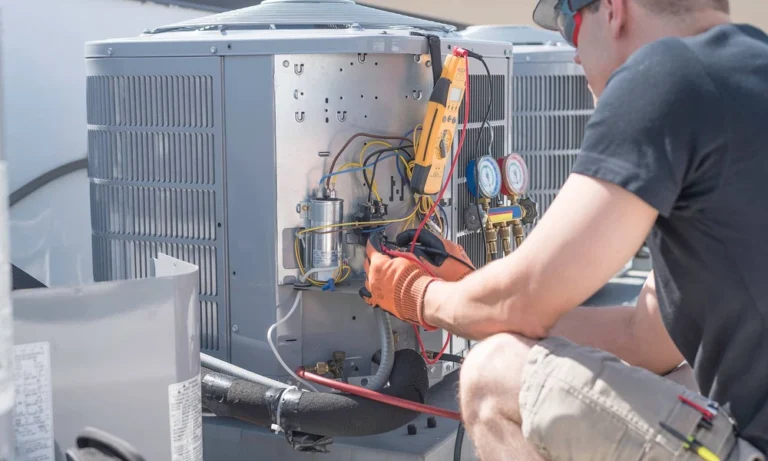
A smart thermostat should work with your heat pump, not against it. Correct wiring, accurate programming, and system testing help ensure everything operates efficiently from day one.
Service Champions helps homeowners across Southern California choose compatible smart thermostats and configure them correctly. Our experienced technicians verify that the thermostat communicates properly with the heat pump, helping improve comfort while reducing unnecessary strain on the system.
Conclusion
Smart thermostats are valuable upgrades, but they are not simply plug-and-play devices. Incorrect installation, incompatible equipment, or poor programming can all contribute to additional heat pump repairs. With proper setup and expert guidance from Service Champions, you can enjoy the convenience of smart technology while keeping your heating and cooling system running efficiently for years to come.