Tag

requirements

Browsing

Key Takeaways

When selecting a front yard fence, homeowners often find themselves choosing between wood and vinyl. Each material has distinct advantages; wood brings natural warmth and aesthetics, while vinyl offers impressive durability and low maintenance requirements. It’s important for clients to reflect on their personal taste and daily lifestyle during this decision-making process.

Metal fencing, available in materials like iron, aluminum, and steel, presents a robust yet elegant appearance that bolsters security while enhancing contemporary landscaping. However, it often falls short of the warmth found in wood options.

There’s a growing trend towards eco-friendly fencing solutions, such as reclaimed wood, bamboo, and recycled plastics, appealing to those seeking sustainability. Such materials not only improve curb appeal but also reflect a homeowner’s commitment to environmental conservation.

Modern minimalism takes center stage, promoting simplicity in fencing design. This style is characterized by clean lines and monochromatic colors, resulting in an unobtrusive aesthetic that can give properties a more open and spacious feel.

Emphasizing rustic charm, traditional materials like weathered wood and wrought iron evoke a sense of warmth and a connection to nature. These elements can significantly uplift curb appeal and enhance property value.

The color palette chosen for fencing can impact emotions and perceptions. Soft blues and greens tend to convey tranquility, while vibrant reds and yellows infuse energy and warmth into a home’s exterior.

Properly planning the layout and installation of a fence is crucial. Homeowners should visualize the design, contemplate special features, and collaborate with neighbors to maintain boundaries and shared aesthetics before starting on the project.

Choosing the Right Materials for Your Front Yard Fence

Wood vs. Vinyl: Which Fits Your Aesthetic?

Choosing the right materials for a front yard fence often means making a significant decision between wood and vinyl. Wood boasts a natural warmth and timeless character that many homeowners cherish. Popular choices include oak, cedar, and pine, each boasting its own unique grains and pigmentation. However, maintenance requires careful consideration; wood fences typically need regular upkeep, such as staining and sealing, to prevent rot and insect damage. That’s where vinyl presents a strong case. It’s durable and nearly maintenance-free, but does it really provide the same warmth as wood?

Vinyl shines as a high-performance alternative. It can mimic the look of wood while offering greater resistance to fading, warping, and insects. Still, some homeowners miss that authentic connection to nature that characterizes genuine wood.

  • Wood: Enhanced natural beauty and customization options.
  • Vinyl: Low maintenance and long-lasting.
  • Cost considerations: Varies; while wood may have lower initial costs, vinyl can save money in the long run.

In the end, the decision rests on individual style. Each material has distinct merits, making the choice about aligning with the intended aesthetic of the property. It’s about how homeowners want their homes to interact with the surrounding environment.

Metal Fencing: A Bold Statement for Your Landscape

Metal fencing emerges as a striking contender that enhances any residence’s aesthetics. Its strength and durability are unmatched. Common types include iron, aluminum, and steel, each bringing its own unique character. Iron exudes classic elegance, especially when fashioned in intricate designs. Conversely, aluminum is lightweight and resistant to corrosion, presenting a modern solution that requires minimal upkeep.

That said, metal fencing can sometimes feel stark, lacking the warmth traditionally offered by wood. However, for individuals seeking sleek, contemporary aesthetics, the clean lines and sturdy construction are hard to beat.

“A well-constructed metal fence not only enhances security but also serves as an eye-catching backdrop for landscaping.”

Combining metal accents with softer landscaping features, such as low shrubs or vibrant flowers, can create a stunning visual contrast while ensuring both aesthetics and functionality are achieved.

Eco-Friendly Options: Sustainable Fencing Solutions

For those passionate about sustainability, opting for eco-friendly materials has become increasingly important. Recycled products are gaining popularity, offering a guilt-free alternative for fencing. Fences made from materials like reclaimed wood, bamboo, or recycled plastics significantly lower environmental impact.

Eco-friendly fencing options not only benefit the planet but can also enhance curb appeal. For example, bamboo has a striking appearance that lends itself to a modern, chic vibe. Utilizing such materials conveys a strong message about a homeowner’s values.

  • Reclaimed Wood: Distinct character and waste reduction.
  • Bamboo: Rapidly renewable and stylish.
  • Recycled Plastics: Durable and low-maintenance.

Embracing sustainability isn’t merely a trend; it’s a movement. Homeowners can make a tangible difference while enhancing their surroundings. A striking eco-friendly fence unites beauty with respect for nature.

Design Trends That Boost Curb Appeal Instantly

Modern Minimalism: Less is More

Modern minimalism champions simplicity, steering clear of ornate designs and excessive embellishments. This aesthetic fosters clean lines and cohesive visual themes resonating with contemporary tastes. Fencing styles featuring vertical slats, horizontal boards, or transparent elements can encapsulate that clean charm.

Homeowners often choose monochromatic colors to allow the fence to blend seamlessly with the property. This understated character can elevate the overall appeal of the home without overwhelming the eye. A streamlined design can also create an impression of a more spacious environment.

“Minimalist design extends beyond aesthetics; it represents a way of life – prioritizing function over clutter.”

Selecting minimalism can allow properties to feel less cramped and more focused. Even small updates can lead to significant changes.

Rustic Charm: Combining Tradition with Elegance

For those desiring warmth and tradition, rustic charm is undeniably alluring. Imagine weathered wood, cascading vines, and wrought iron accents. This style stirs feelings of nostalgia whilst fostering a connection to nature. A well-placed rustic fence can transform a garden space into a serene refuge.

Homes that embrace such fencing often stand out, thanks to the elegant interplay of refinement and artisanal craftsmanship. The unique aesthetic naturally draws neighbors’ admiration. Research indicates that curb appeal plays a critical role in property values. It’s a factor that cannot be ignored.

  • Opt for reclaimed barn wood: It adds history and character.
  • Incorporate climbing plants: These soften the appearance and inject life.
  • Pickets with purpose: Create visual interest without cluttering.

What if every person passing by took a moment to admire that rustic fence? That’s the transformation all homeowners should aspire to.

Colour Psychology: What Shades Attract Positive Attention?

The colors selected for decorative front yard fencing can convey significant messages about a home. Each shade stirs emotional responses that shape initial impressions. Soft blues and greens promote calmness, while red often signals passion and energy. Understanding these subtleties is essential in choosing the right hue.

Bright tones like yellow or orange catch the eye, sparking curiosity and warmth. On the other hand, neutrals offer timeless appeal, fostering elegance without drawing too much attention. However, it’s the vibrant shades that can deliver that element of character, making a bold statement.

  • Blue and Green: Calm, inviting presence.
  • Red: Bold, energetic statement.
  • Neutral Tones: Timeless and elegant feel.

A well-considered color palette plays a crucial role in defining a home’s personality, thereby enhancing its curb appeal. Which hues could elevate a property’s identity?

Installation Tips for a Flawless Finish

DIY vs. Professional: What’s Best for Your Project?

Deciding whether to tackle a project personally or engage a professional contractor often poses challenges. DIY endeavors can be fulfilling, but they may involve a steep learning curve. It’s wise for clients to evaluate their skills against the project’s complexity. Is there prior experience with tools and accurate measurements? If affirmed, a DIY option might be viable.

Alternatively, hiring a professional typically assures a high-quality finish. Seasoned contractors are well-versed in local regulations and building codes, ensuring compliance. They also have access to superior materials and can execute the job more efficiently.

  • Benefits of DIY: Personal touch and potential cost savings.
  • Advantages of Professionals: Skills and efficiency.
  • Assessing personal capabilities: Honesty about skills is crucial.

The choice between these options can significantly influence the project’s outcome. Investing time in research will lead to the best possible decision.

Planning Your Layout: Ensuring Functionality and Style

Before initiating work, laying out a detailed plan is essential. Sketching the intended layout helps visualize the fence’s positioning, considering both aesthetic and functional aspects. Will the fence offer adequate privacy, or is it meant to serve primarily as a decorative element?

Experts recommend marking the perimeter with stakes and string during planning. This visual aid enhances the decision-making process and helps ensure a straight, clean line-something that may seem trivial but contributes enormously to a polished appearance.

  • Visualizing: Use stakes and string for outlining the design.
  • Considering special features: Gates, curves, and landscaping details.
  • Consulting neighbors: Respecting boundaries and joint aesthetics.

Details matter; careful planning will lead to a successful and smoothly executed installation.

Seasonal Considerations: Timing Your Fencing Project

Timing can greatly influence the success of a decorative front yard fencing project. Each season presents unique challenges and opportunities. Spring typically offers favorable weather conditions for construction, while summer can introduce issues with heat and scheduling delays. Fall often serves as an ideal window, as many homeowners seek to improve their properties before winter sets in.

Yet winter may also have advantages, such as discounts and easier access to materials due to a lower volume of ongoing projects. Still, cold temperatures and ice can complicate the installation process. Clients need to consider local climate factors when planning.

  • Spring: Great weather, a chance for fresh starts.
  • Summer: Potential heat challenges and busy schedules.
  • Fall: Excellent timing for final touches before winter.

Being prepared for seasonal changes is key to ensuring a successful outcome.

Maximizing Fencing Functionality: Beyond Aesthetics

Privacy Solutions: Creating a Peaceful Retreat

Privacy often drives the desire to install fencing. Creating a secluded oasis can greatly improve overall quality of life. Choosing the appropriate height and materials can foster an inviting and sheltered space for homeowners.

Many opt for taller wood or vinyl fences embellished with decorative lattice or caps, forming an attractive barrier. Adding dense greenery alongside the fence heightens the sense of seclusion. Want to boost the atmosphere immediately? Consider integrating tall plants or climbing vines along the fence.

  • Choose the right height: Ensure it meets privacy needs.
  • Incorporate landscaping: Thick plants reinforce seclusion.
  • Consult local codes: Make sure to comply with regulations.

Thoughtfully designed fences can achieve both privacy and beauty, showcasing that they don’t have to be mutually exclusive.

Security Features to Consider for Peace of Mind

Homeowners stand to gain significantly by integrating security features into their fencing design. Fences should serve not only as decorative elements but also as effective deterrents against intruders. Selecting robust materials like steel or other resilient substances can greatly enhance security measures.

Adding sharp decorative points or installing a locked gate can further bolster protection. Strengthening the fence’s base against digging is equally important. Enhancing the area with motion sensor lights or cameras can provide dual functionality, improving safety while adding visual deterrents.

  • Material selection: Strong options enhance security.
  • Gates with locks: Allow controlled access.
  • Integrating lighting: Deters potential threats after dark.

Pursuing a security-focused design not only provides peace of mind but also enhances the overall safety of the residence.

Landscaping Ideas to Complement Your New Fence

No fence exists in isolation. Landscaping significantly enhances the visual impact. A well-chosen fence paired with thoughtfully designed landscaping can dramatically elevate a property’s appeal. Incorporating colorful flowers or textured shrubs can soften rigid lines, creating a more cohesive look.

Consider planting perennials adjacent to the fence. They not only add visual interest but also help blend the natural elements with the fence’s structured lines. Why not install planters along the fence’s base? They can create vibrant displays while providing a touch of structure.

  • Flower beds: Infuse color and dynamism.
  • Vines: Gracefully climb and envelop the structure.
  • Planters: Add visual appeal while offering utility.

Thoughtful landscaping can amplify the presence of a new fence, turning a decorative front yard fencing project into a captivating focal point.

FAQ

How do local zoning laws affect fencing choices?

Local zoning regulations can impose limitations on height, materials, and placement of fences, thereby influencing design options. Homeowners should consult their local municipality’s guidelines to ensure compliance and avoid any penalties.

What seasonal maintenance is required for different fence materials?

Regular treatments are necessary for wood fencing to prevent rot and insect damage, while vinyl usually requires minimal upkeep-just occasional cleaning. Metal fencing should be inspected for rust and may need repainting every few years, particularly in humid climates.

Can decorative fences improve home energy efficiency?

Certainly! Strategically placed fencing can obstruct wind and offer shade, thus lowering heating and cooling expenses. A sturdy fence can also protect against adverse weather, contributing to a home’s overall energy efficiency.

What’s the impact of fence height on curb appeal?

Fence height significantly affects visual aesthetics. A taller fence can ensure privacy, but risks overshadowing the property. In contrast, shorter designs can enhance openness, complement landscaping, and create a balanced look that aligns with neighborhood standards.

Are there specific design styles that work well for smaller yards?

Absolutely. In compact spaces, vertical fencing and minimalist designs can impart a sense of height and openness. Transparent or softly hued fencing allows for an airy ambiance while still defining the area.

What should homeowners consider when choosing fencing colors?

Homeowners ought to take into account their property’s overall color scheme, including that of the house and adjacent landscape. Choosing colors that harmonize with these elements enhances aesthetic quality and may positively influence property value in the eyes of prospective buyers.

How can integrating lighting with fencing enhance outdoor spaces?

Incorporating lighting into fencing design offers practical benefits along with visual appeal. Strategically placed lights can extend outdoor usability into the evening, enhance security, and showcase landscaping, creating an inviting atmosphere.

What unique customization options exist for decorative fencing?

Customization possibilities are virtually limitless. Homeowners can consider inventive lattice designs, stained finishes, or artistic metalwork reflecting their personal style. Adding climbing plants or distinct features, such as decorative post caps, can yield a one-of-a-kind look that stands out.

Useful Resources

If your garage lights have started flickering, dimming unexpectedly, buzzing, or failing altogether, the problem may be much deeper than a burned-out bulb. In many Austin, Texas homes, garages are one of the first places where electrical issues begin to show themselves. Because garages experience heat, dust, humidity changes, vibration, and heavy electrical usage, they often become an early warning system for larger electrical problems throughout the home.

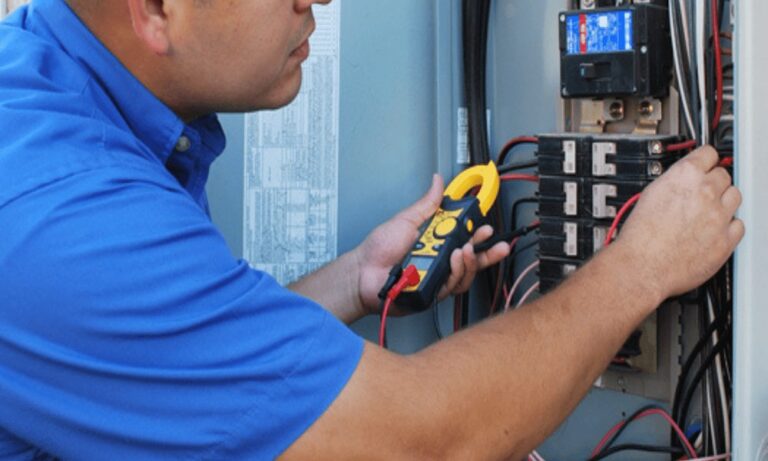
Many homeowners searching for a Trusted Electrician In Austin, TX are surprised to learn that garage lighting problems can reveal overloaded circuits, deteriorating wiring, moisture intrusion, and even dangerous connection failures hidden behind walls. What looks like a simple lighting issue can quickly turn into a safety concern if ignored for too long.

In Austin, where temperatures regularly climb and garages are used for everything from workshops to home gyms and EV charging stations, lighting systems work harder than many people realize. Understanding why garage lights fail can help homeowners catch electrical problems early before they spread to the rest of the property.

Why Garages Often Reveal Electrical Problems First

Garages are unique spaces. Unlike climate-controlled living rooms or bedrooms, garages face constant environmental stress. In Austin homes, garages experience extreme summer heat, occasional moisture issues during storms, and fluctuating temperatures that can accelerate wear on electrical components.

Most garages also support heavier electrical demands than they did decades ago. Today’s garages may power:

  • Refrigerators or freezers
  • Power tools
  • Air compressors
  • EV chargers
  • Home gym equipment
  • Additional refrigerators
  • Workshop lighting
  • Smart home systems

Older garage electrical systems were rarely designed for modern electrical loads. As a result, lighting fixtures and circuits often begin showing warning signs before major electrical failures occur elsewhere in the home.

This is one reason many homeowners contact a Trusted Electrician In Austin, TX after noticing repeated garage lighting problems that never seem to fully go away.

Failing Ballasts and LED Drivers

One of the most common causes of garage lighting failure involves failing ballasts or LED drivers.

Older garages throughout Austin still use fluorescent tube fixtures. These fixtures rely on ballasts to regulate electrical current. Over time, ballasts wear out due to age, heat exposure, and voltage fluctuations.

Signs of a failing ballast may include:

  • Lights flickering repeatedly
  • Delayed startup
  • Buzzing or humming sounds
  • Dim lighting
  • Blackened tube ends
  • Random shutoffs

Austin’s summer temperatures can dramatically shorten ballast lifespan, especially in garages with poor ventilation. Excessive heat causes internal electrical components to degrade much faster.

Newer LED fixtures use drivers instead of ballasts. While LEDs are more energy efficient, their drivers can still fail when exposed to excessive heat or poor installation conditions. Cheap LED fixtures are especially vulnerable to early driver failure.

Many homeowners attempt to replace bulbs without realizing the actual issue lies deeper within the fixture itself.

A Trusted Electrician In Austin, Texas can properly diagnose whether the issue involves the bulbs, ballast, driver, wiring, or circuit itself rather than simply replacing parts that may not solve the root problem.

Overheating Garage Fixtures

Heat is one of the biggest enemies of electrical systems in Texas garages.

Garages in Austin can easily exceed 110 degrees during the summer. That extreme heat builds up inside lighting fixtures, junction boxes, and electrical connections. Over time, overheating can cause:

  • Brittle wire insulation
  • Melted fixture components
  • Loose electrical terminals
  • Premature bulb failure
  • Burned wiring
  • Circuit damage

Many homeowners unknowingly install lighting fixtures that are not rated for garage conditions. Enclosed fixtures without proper ventilation can trap heat and accelerate component failure.

Another issue involves insulation contact. Some recessed garage fixtures are improperly surrounded by insulation, preventing heat from escaping safely.

In severe cases, overheating fixtures can become fire hazards.

This is why homeowners often contact a Trusted Electrician In Austin, TX after noticing burning smells, discolored fixtures, or lights that suddenly stop working during hot weather.

Loose Wiring Connections Behind Garage Lights

Loose electrical connections are extremely common in garages, especially in older Austin homes.

Garages experience more vibration than most other rooms in a house. Opening and closing garage doors creates repeated vibration over the years, which can gradually loosen wire connections inside fixtures, switches, outlets, and junction boxes.

Loose wiring can cause:

  • Intermittent flickering
  • Arcing
  • Sparking
  • Hot switches
  • Random power loss
  • Tripping breakers
  • Electrical buzzing sounds

What makes loose wiring dangerous is that it often worsens slowly over time. Many homeowners ignore occasional flickering for months or even years before the issue becomes severe.

In some cases, loose connections can create enough resistance to generate dangerous heat inside walls.

Garage lighting issues sometimes reveal older aluminum wiring problems as well. Homes built decades ago may contain wiring methods or splice connections that no longer perform safely under modern electrical loads.

A properly trained Trusted Electrician In Austin, TX can inspect these hidden connections safely and identify whether the issue is isolated or part of a larger electrical concern throughout the home.

Moisture Intrusion and Corrosion

Although garages seem dry most of the time, moisture intrusion is surprisingly common in Austin-area homes.

Humidity, rainwater intrusion, slab moisture, and condensation can all affect garage electrical systems. This is especially true for garages with poor insulation or damaged weather seals.

Moisture can slowly corrode:

  • Fixture contacts
  • Wire terminals
  • Junction boxes
  • Switches
  • GFCI outlets
  • Breaker connections

Corrosion increases electrical resistance, which leads to overheating, flickering, and eventual component failure.

Homeowners sometimes notice rust-colored staining near fixtures or experience lights that work inconsistently after heavy rainstorms.

Garages attached to homes with HVAC duct leakage may also experience hidden condensation problems that slowly damage electrical systems over time.

Moisture-related electrical issues should never be ignored because water and electricity create serious safety hazards.

This is another reason homeowners often rely on a Trusted Electrician In Austin, TX when recurring garage lighting problems seem tied to weather or humidity changes.

Overloaded Garage Circuits

Modern garages use far more electricity than they were originally designed to handle.

In many older Austin homes, garages may only have a single 15-amp or 20-amp circuit serving:

  • Lighting
  • Garage door openers
  • Wall outlets
  • Refrigerators
  • Outdoor outlets

Once homeowners add power tools, freezers, EV chargers, compressors, or workout equipment, those circuits can become overloaded quickly.

Overloaded circuits commonly cause:

  • Dimming lights
  • Flickering fixtures
  • Frequent breaker trips
  • Warm outlets
  • Reduced fixture lifespan

Sometimes garage lights dim every time a refrigerator compressor or garage door motor starts. This may indicate excessive voltage drop caused by overloaded wiring.

Unfortunately, repeatedly resetting breakers does not solve the underlying problem.

A licensed electrician can determine whether the garage requires:

  • Dedicated circuits
  • Panel upgrades
  • Subpanel installations
  • Circuit redistribution
  • Wiring upgrades

Many homeowners searching for a Trusted Electrician In Austin, TX discover their lighting issue is actually part of a larger electrical capacity problem affecting the home.

Problems During Fluorescent-to-LED Conversions

One growing issue throughout Austin involves improper fluorescent-to-LED conversions.

Many homeowners attempt DIY upgrades to modern LED garage lighting without understanding how the wiring systems differ. Some LED retrofit tubes require ballast bypass rewiring, while others are plug-and-play compatible.

Incorrect conversions can create:

  • Flickering LEDs
  • Shortened bulb lifespan
  • Fire hazards
  • Fixture overheating
  • Electrical code violations
  • Partial fixture failure

Improperly bypassed ballasts are especially dangerous when wiring connections are not completed correctly.

Additionally, some older garage fixtures simply are not compatible with certain LED retrofits. Cheap retrofit kits may also struggle in high-heat garage environments.

While LED upgrades can dramatically improve garage brightness and energy efficiency, proper installation matters.

A Trusted Electrician In Austin, TX can help homeowners select fixtures designed specifically for Texas garage conditions while ensuring all wiring remains safe and code compliant.

Should Homeowners Attempt Garage Lighting Repairs Themselves?

Many homeowners are comfortable replacing light bulbs, swapping simple fixtures, or installing basic LED upgrades. However, diagnosing electrical failures becomes much more complicated once wiring, overheating, or circuit problems are involved.

DIY electrical work may seem straightforward online, but garage electrical systems can hide serious hazards behind walls and ceilings.

Homeowners should generally avoid DIY electrical repairs when dealing with:

  • Flickering that continues after bulb replacement
  • Burn smells
  • Tripping breakers
  • Aluminum wiring
  • Moisture exposure
  • Melted fixtures
  • Overloaded circuits
  • Ballast bypass rewiring
  • Hot switches or outlets
  • Unknown wiring conditions

Texas electrical codes exist for safety reasons, and improperly completed electrical work can create fire risks or insurance complications later.

In Austin, licensed electricians are trained to safely troubleshoot hidden electrical faults, test circuits correctly, and ensure repairs meet local code requirements.

For simple cosmetic fixture swaps, experienced homeowners may handle the work safely if power is properly disconnected and wiring conditions are straightforward. But when recurring lighting problems continue appearing, it is usually best to contact Texas licensed electricians Austin homeowners trust.

Garage Lighting Problems Should Never Be Ignored

Garage lighting issues are rarely just about lighting alone. In many Austin homes, they serve as early warning signs of larger electrical concerns developing behind the scenes.

Flickering fixtures, failing LEDs, buzzing fluorescent lights, overheating housings, and dimming circuits often point toward aging infrastructure, overloaded electrical systems, loose wiring, or moisture-related damage.

Addressing these problems early can help homeowners avoid more expensive repairs later while improving safety throughout the property.

Whether the issue involves outdated fluorescent fixtures, overloaded garage circuits, hidden wiring damage, or failed LED conversions, working with a Trusted Electrician In Austin, TX can help identify the true source of the problem before it spreads to the rest of the home.

In a city like Austin, where garages serve as workshops, storage spaces, fitness rooms, and charging stations all at once, electrical systems deserve more attention than many homeowners realize. When garage lights begin failing repeatedly, the smartest approach is often to treat it as an opportunity to uncover deeper electrical issues before they become dangerous.

Walk through the Central Business District and you will see more than glass and steel. You are looking at strategy in built form. Every office tower, every mixed-use commercial block, every business park campus represents a series of calculated architectural decisions.

In Singapore, commercial real estate is not forgiving. Land is limited. Regulations are strict. Tenants are demanding. A poorly designed office building does not just look inefficient. It underperforms financially.

That is why serious developers engage Singapore architects who understand more than aesthetics. They understand yield, compliance, tenant psychology, and long-term asset value. Let’s unpack what that really means.

Commercial Architecture Is Not Residential Scaled Up

Designing a landed house and designing a commercial tower are fundamentally different disciplines. One prioritises lifestyle and privacy. The other prioritises efficiency, compliance, and return on investment.

Singapore architects handling commercial and office developments must optimise net lettable area while maintaining regulatory compliance. They balance structural grids with flexibility so future tenants can configure layouts efficiently.

This is architecture driven by metrics, not just mood boards.

Understanding Plot Ratio and Development Potential

In Singapore, commercial development is tightly governed by URA’s Master Plan. Plot ratio determines how much floor area you can build relative to land size.

Maximising allowable gross floor area without breaching height and setback limits requires precise design coordination.

Singapore architects play a critical role at feasibility stage. They evaluate development potential before acquisition decisions are finalised. A small miscalculation in plot efficiency can translate into millions in lost leasable area.

This is where strategic architecture begins.

Office Design Is About Productivity

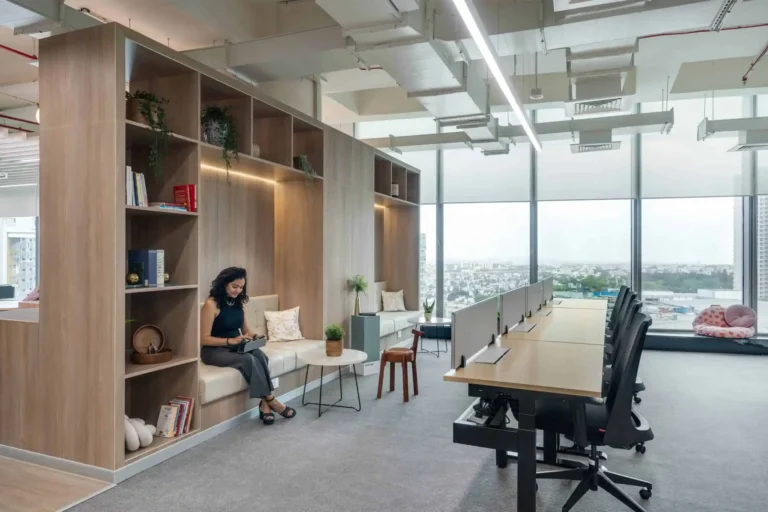
Modern office tenants do not just want floor space. They want environments that support collaboration, flexibility, and employee wellbeing.

Singapore architects integrate column spacing, ceiling height, daylight penetration, and mechanical system placement to enable adaptable interior layouts.

High floor-to-ceiling heights improve spatial perception. Efficient core placement maximises usable space.

Design decisions directly influence tenant satisfaction and retention.

Sustainability Is No Longer Optional

Commercial buildings in Singapore face increasing sustainability expectations. BCA Green Mark certification is not a bonus. It is often a baseline requirement.

Energy efficiency, water conservation, and low-carbon material selection influence design from day one.

Singapore architects integrate passive shading, high-performance facades, and efficient building systems to meet Super Low Energy benchmarks.

Sustainability is not just regulatory compliance. It is tenant attraction strategy.

Façade Design in a Tropical Climate

Singapore’s climate demands intelligent facade strategy. Excessive glass without shading increases cooling loads dramatically.

Commercial buildings must balance transparency with heat gain control.

Singapore architects design facade systems using vertical fins, double glazing, and strategic shading devices to reduce energy consumption.

A good facade is not about looking modern. It is about performing efficiently in humidity and heat.

Mixed-Use Developments and Integration

Many commercial projects in Singapore are mixed-use, integrating retail, office, and sometimes residential components.

Singapore architects coordinate circulation, service access, and fire safety compliance across different occupancy types.

Vertical transportation systems must be separated appropriately. Acoustic performance between retail and office zones must be managed carefully.

Mixed-use design requires layered coordination.

Authority Submissions and Regulatory Navigation

Commercial developments face more complex submission requirements than residential projects.

Planning approval from URA, building plan endorsement by BCA, fire safety clearance from SCDF, and sometimes environmental impact assessments may apply.

Singapore architects prepare and coordinate all submissions, ensuring documentation aligns with statutory standards.

Regulatory fluency prevents costly redesign during approval stages.

Structural Coordination and Column Efficiency

Office buildings depend heavily on structural efficiency. Column placement determines usable floor area and tenant flexibility.

Singapore architects collaborate with structural engineers to optimise column grids. Wide spans increase flexibility but require stronger structural solutions.

Balancing material cost with space optimisation becomes a core design challenge.

Well-coordinated structure increases long-term leasing appeal.

Core Placement and Vertical Circulation

Lift core placement affects both efficiency and tenant experience.

Central cores maximise perimeter daylight. Offset cores may increase flexibility depending on site configuration.

Singapore architects evaluate vertical transportation needs based on building height, occupancy load, and peak traffic modelling.

Poorly designed core layouts result in congestion and inefficiency.

Construction Cost and Phasing Strategy

Commercial developments are capital-intensive. Cost control is essential.

Singapore architects work alongside quantity surveyors to benchmark construction budgets early. Design decisions such as facade complexity and material selection influence cost significantly.

For larger projects, phased development strategies may be required to manage financing and market absorption.

Strategic phasing reduces financial exposure.

Adaptive Reuse of Commercial Buildings

Not every project starts with vacant land. Some developers reposition aging commercial buildings through adaptive reuse.

Singapore architects evaluate structural capacity and regulatory compliance before proposing refurbishment strategies.

Upgrading facade systems, improving energy efficiency, and reconfiguring internal layouts can extend asset lifespan without demolition.

Adaptive reuse is increasingly attractive in sustainability-driven markets.

Tenant Customisation and Fit-Out Coordination

Commercial tenants often require custom interior fit-outs.

Singapore architects design base building infrastructure to accommodate varying tenant requirements.

Raised flooring systems, modular partitions, and flexible mechanical layouts enable easier tenant adaptation.

A building that supports flexibility attracts a wider tenant pool.

Risk Management in Commercial Projects

Commercial construction involves financial, regulatory, and market risks.

Singapore architects mitigate risk through rigorous documentation, design coordination, and authority engagement.

Clear contract scopes and consistent site supervision reduce variation claims and disputes.

Professional oversight protects both schedule and budget.

Long-Term Asset Positioning

Commercial architecture is ultimately about asset value.

Buildings designed with sustainability, flexibility, and operational efficiency command stronger rental rates and investor interest.

Singapore architects who understand commercial strategy design buildings that remain competitive decades after completion.

Design quality and financial performance are not separate. They are interconnected.

Final Thoughts

Commercial and office developments in Singapore operate at the intersection of design, finance, and regulation.

Engaging experienced Singapore architects ensures your project maximises development potential, meets sustainability standards, and appeals to modern tenants.

In a city where land is scarce and expectations are high, architecture is not decoration. It is performance. And in commercial real estate, performance defines success.

Buying a condominium in Singapore feels exciting. Showflat visits, panoramic views, glossy brochures and promises of capital appreciation all create momentum.

But once the excitement fades, one question determines whether your purchase becomes a wealth builder or a financial strain: how you finance it.

Choosing the right Singapore bank loan for condo financing is not just about getting approved. It is about structuring your mortgage intelligently so that your monthly repayments, total interest and flexibility align with your long-term plans.

In this guide, we break down how bank loans for private condominiums work in 2026, what banks look at before approving you and how to structure your loan like a financially disciplined investor instead of an emotional buyer.

Why Condo Loans Work Differently From HDB Loans

If you are buying a private condominium, you are dealing with bank financing.

Unlike HDB flats, which allow buyers to opt for HDB concessionary loans, private property purchases must be financed through banks or financial institutions.

That means your loan will be subject to the Total Debt Servicing Ratio rules, Loan-to-Value limits and interest rate structures set by banks.

Understanding this distinction early helps you plan cash flow accurately and avoid unrealistic expectations.

Loan-to-Value Limits for Private Condos

The Loan-to-Value ratio determines how much you can borrow relative to the property price.

For a first housing loan, buyers can typically borrow up to 75 percent of the purchase price, subject to credit assessment.

This means at least 25 percent must come from your own funds. Of that, a minimum portion must be paid in cash.

For second or third property loans, the LTV limit decreases significantly.

A Singapore bank loan for condo purchases must comply strictly with these limits, regardless of income level.

The Total Debt Servicing Ratio Rule

TDSR ensures borrowers do not overextend themselves.

Your total monthly debt obligations, including car loans, credit cards and existing mortgages, cannot exceed a fixed percentage of your gross monthly income.

Banks stress-test your application using a higher interest rate benchmark to ensure affordability even if rates rise.

This protects borrowers from sudden repayment shocks.

If your TDSR is too high, your maximum loan quantum may be reduced.

Fixed Rate vs Floating Rate Packages

Condo loans typically come in fixed or floating rate structures.

Fixed rates lock in your interest rate for a set period, usually two to five years. This offers repayment certainty and budgeting stability.

Floating rates are pegged to benchmarks like SORA. These fluctuate depending on market conditions.

A floating Singapore bank loan for condo financing may start lower than a fixed rate, but carries exposure to future rate hikes.

Choosing between the two depends on your risk tolerance and outlook on interest rate trends.

Understanding SORA and Floating Loans

SORA stands for Singapore Overnight Rate Average.

Floating-rate home loans are commonly structured as SORA plus a fixed margin determined by the bank.

When SORA increases, your effective interest rises. When it declines, your cost decreases.

Understanding how SORA works is essential before committing to a floating package.

Interest volatility should be factored into your long-term financial planning.

Lock-In Periods and Early Redemption

Most bank loans come with a lock-in period.

During this period, refinancing or full repayment may incur penalties.

Lock-ins typically last two to three years, though some packages extend longer.

If you plan to sell your condo within a short timeframe, flexibility becomes important.

Always examine early redemption clauses before signing a Singapore bank loan for condo agreement.

Progressive Payment for New Launch Condos

If you are purchasing a new launch condominium, payments are disbursed progressively.

You only service interest on the amount drawn down at each construction stage.

This means your monthly instalment starts lower and increases gradually as the project nears completion.

For investors, progressive payment structures improve short-term cash flow management.

However, full repayment obligations begin upon project completion.

Monthly Instalments and Loan Tenure

Loan tenure affects both monthly repayment and total interest cost.

A longer tenure lowers monthly instalments but increases total interest paid over time.

A shorter tenure increases monthly commitment but reduces overall borrowing cost.

Balancing cash flow comfort with financial efficiency is key.

A well-structured Singapore bank loan for condo purchase aligns tenure with your income growth and investment strategy.

Upfront Costs Beyond Down Payment

Many buyers focus solely on down payment requirements.

But stamp duties, legal fees, valuation costs and administrative charges must also be factored in.

Buyer’s Stamp Duty can represent a significant upfront expense.

Foreigners and buyers of second properties may incur Additional Buyer’s Stamp Duty.

Proper budgeting prevents liquidity stress during completion.

Refinancing Opportunities

Interest rates fluctuate over time.

After your lock-in period ends, refinancing to another bank may lower your interest cost.

Banks often compete aggressively for refinancing clients.

However, legal and valuation costs must be weighed against projected interest savings.

Strategic refinancing can significantly reduce long-term borrowing costs.

Prepayment and Partial Repayment Flexibility

Some bank loans allow partial repayments without penalty after lock-in.

This flexibility enables you to reduce principal faster and lower total interest paid.

Others impose restrictions on prepayments during specific periods.

If you anticipate bonus income or lump-sum cash inflows, flexibility becomes valuable.

Review these clauses carefully before committing.

Common Mistakes Condo Buyers Make

One common mistake is borrowing at the maximum limit approved.

Just because you can borrow more does not mean you should.

Another mistake is ignoring interest rate cycles and choosing a floating rate without understanding potential volatility.

Emotional buying often leads to financial strain.

Disciplined financing protects long-term wealth.

Investment vs Own-Stay Considerations

If you are buying for investment, rental yield becomes relevant.

Ensure rental income projections realistically cover mortgage payments and maintenance fees.

If buying for own stay, lifestyle factors may justify slightly higher cost tolerance.

However, even owner-occupiers should maintain financial prudence.

A condo should enhance your life, not restrict it.

Final Thoughts

Buying a condominium is a milestone. Financing it wisely determines whether that milestone strengthens or weakens your financial foundation.

A Singapore bank loan for condo financing is more than an approval letter. It is a structured long-term commitment that shapes your cash flow and wealth trajectory.

Comparing rate structures, evaluating flexibility and planning for future refinancing opportunities transform a mortgage from a burden into a strategic tool.

Because in property ownership, the purchase price gets attention.

But the loan structure decides the outcome.

Walk onto a construction site and ask what grade of steel is being used. You will likely hear something like “S355” or “ASTM A36” thrown around casually.

But here is the problem. Too many project teams specify steel grades because “that’s what we always use,” not because they fully understand what those grades mean.

Steel grade is not just a number. It determines strength, weldability, ductility, compliance, and ultimately the safety margin of your structure. If you are working with a structural steel supplier in Singapore, you need to know exactly what they should be offering and why it matters.

Let’s break it down clearly.

What a Steel Grade Actually Represents

A structural steel grade defines the mechanical and chemical properties of the steel. It tells you how much load it can handle, how it behaves under stress, and whether it meets specific international standards.

The most critical mechanical property is yield strength. Yield strength indicates the stress at which steel begins to deform permanently.

Higher yield strength means the steel can support heavier loads before permanent deformation occurs. That directly affects beam sizing, column design, and overall structural efficiency.

Understanding grade selection is not optional for serious projects.

The Most Common Structural Steel Grades

In many projects, you will encounter European standards such as S275 and S355. The “S” stands for structural, and the number refers to minimum yield strength in megapascals.

S275 offers a minimum yield strength of 275 MPa. S355 offers 355 MPa. That difference might seem small, but it significantly affects load-bearing capacity and span efficiency.

Under American standards, ASTM A36 and ASTM A572 are commonly specified. These grades follow similar principles but operate under different compliance frameworks.

Your structural steel supplier in Singapore should clearly explain which standard your project requires and why.

Why Yield Strength Matters More Than You Think

Higher-grade steel allows for slimmer sections without sacrificing strength. This can reduce overall steel tonnage, lower transportation costs, and improve architectural flexibility.

However, higher grade does not automatically mean better. Over-specifying steel increases material cost unnecessarily.

The correct approach balances structural demand, cost efficiency, and fabrication practicality.

That balance is where professional supplier guidance becomes critical.

Weldability and Fabrication Considerations

Steel composition affects how easily it can be welded. Carbon content and alloying elements influence weld performance and crack resistance.

Some high-strength grades may require specific welding procedures or preheating techniques.

A reliable structural steel supplier in Singapore understands these nuances and ensures the grade selected aligns with fabrication capabilities.

Ignoring weldability can lead to structural defects, inspection failures, and costly rework.

Impact Resistance and Toughness

Not all projects operate under static load conditions. In certain environments, steel must withstand dynamic loads, impact forces, or low-temperature performance requirements.

Some grades include impact testing specifications, often indicated by additional suffixes such as “JR,” “J0,” or “J2.” These refer to different levels of impact energy absorption at specified temperatures.

If your project involves exposed structures, industrial facilities, or cold storage environments, toughness classification matters significantly.

Your supplier should flag this during specification review.

Corrosion Resistance and Environmental Exposure

Standard structural steel is not inherently corrosion-proof. Environmental exposure influences grade and coating requirements.

In coastal regions or industrial zones, protective coatings or galvanised finishes may be required.

While grade defines mechanical performance, surface treatment defines durability.

A knowledgeable structural steel supplier in Singapore should advise on both mechanical grade and corrosion protection strategy.

Compliance and Certification Standards

Every project must comply with local and international building regulations. Steel grades must align with specified standards such as BS EN, ASTM, or other regional frameworks.

Mill test certificates verify chemical composition and mechanical properties. These documents ensure traceability and regulatory approval.

If your supplier cannot provide proper certification promptly, that is a red flag.

Documentation is as important as the material itself.

Over-Specifying vs Under-Specifying

There are two common mistakes in grade selection.

Under-specifying steel compromises safety and structural performance. Over-specifying inflates costs unnecessarily.

For example, specifying S355 where S275 would suffice increases material cost without functional benefit. Conversely, using a lower grade in high-load applications can lead to structural failure risk.

The correct decision depends on engineering calculations, not guesswork.

The Role of Your Supplier in Specification Alignment

An experienced structural steel supplier in Singapore does not merely process purchase orders. They review specifications, clarify inconsistencies, and flag potential mismatches.

They may coordinate with structural engineers to confirm grade suitability. They ensure availability aligns with project timelines.

Supply reliability combined with technical insight distinguishes professional suppliers from commodity traders.

Grade Availability and Lead Time

Not all grades are stocked equally. High-demand grades such as S355 may be readily available, while specialised grades may require mill rolling schedules.

Lead time can influence procurement planning significantly.

Early coordination with your structural steel supplier in Singapore ensures grade availability aligns with construction sequencing.

Waiting until the last minute increases risk exposure.

Sustainability and Modern Steel Production

Green building standards increasingly require sustainability data.

Modern steel production often includes high recycled content. Some mills provide environmental product declarations indicating embodied carbon metrics.

Grade selection itself does not determine sustainability, but sourcing transparency does.

Your supplier should provide environmental documentation when required.

When Custom Grades Are Required

Certain infrastructure or heavy industrial projects may require higher-performance steel grades beyond common structural classifications.

These may include weathering steels or high-strength low-alloy steels designed for specific environmental conditions.

Custom grades require careful sourcing and quality control verification.

A capable structural steel supplier in Singapore manages these specialised procurement processes efficiently.

What You Should Expect From Your Supplier

Clear explanation of grade options. Proper certification and mill test documentation. Advice on weldability and fabrication compatibility. Transparent pricing differences between grades.

Reliable lead times and inventory planning. Coordination with your engineering team when necessary.

If your supplier simply quotes without discussion, you are missing an opportunity for risk mitigation.

Final Thoughts

Structural steel grades are not arbitrary labels. They define the strength, durability, and compliance of your entire building framework.

Choosing the correct grade requires technical understanding, cost awareness, and supply chain coordination.

A professional structural steel supplier in Singapore should provide more than steel. They should provide clarity.

Because when it comes to structural integrity, guessing is expensive. Understanding is strategic.

When your roof needs repairs or replacement, choosing the right contractor matters. Many homeowners wonder whether to hire a large, out-of-town company or a local roofer. In most cases, local roofing contractors are the better choice. They offer faster service, local knowledge, and stronger accountability.

Understanding Local Weather

Local roofing contractors understand the weather in your area. Roofs face different challenges depending on the climate. Heat, rain, wind, and storms all affect roofing materials. Local roofers know which products perform best in local conditions and how to install them properly for long-term protection.

Faster Response Times

Roof problems often need quick attention. Local contractors can respond faster than companies based far away. If a leak or storm damage happens, a local roofer can inspect and repair the roof sooner. Quick action helps prevent further damage to your home.

Knowledge of Local Codes

Building codes and permit rules vary by location. Local roofers are familiar with city and county requirements. This helps avoid delays, failed inspections, or fines. Proper permits and code-compliant work protect homeowners from future issues.

Personal Service and Communication

Local roofing companies rely on their reputation in the community. This means better communication and customer care. Homeowners can speak directly with the team handling their project. Clear updates and honest answers help reduce stress during roofing work.

Easy Follow-Up and Warranty Support

If you need help after the job is done, a local roofer is easier to reach. Out-of-town companies may leave the area once the work is finished. Local contractors stay nearby and can return quickly if issues arise. This makes warranty support more reliable.

Supporting the Local Economy

Hiring a local roofing contractor supports local jobs and businesses. This helps strengthen the community. Many homeowners appreciate knowing their money stays in the area and supports neighbors.

RoofElite Is Your Local Roofing Partner

At RoofElite, we are proud to serve our local community with dependable roofing services. We understand local weather, follow all codes, and respond quickly when homeowners need help. By choosing a local contractor, we make sure your roof is built to last and your home stays protected year-round.

This post was written by a professional at RoofElite. RoofElite is one of the top roofing contractors in Oldsmar FL, proudly serving Central Florida with fully licensed and insured service. As licensed roofers near you, we specialize in metal, shingle, tile, and flat roofing. Known for exceptional craftsmanship and lasting results, we’re among the best roofers near you for installation, repairs, and more. Trust RoofElite for durable, high-quality roofing solutions.

The completion of a renovation project brings both excitement and an overwhelming mess that few homeowners anticipate. Post renovation cleaning services in Singapore address the formidable challenge of transforming a construction zone back into a habitable living space. The dust that coats every surface, the stubborn paint splatters on tiles, and the construction debris lodged in impossible corners all demand attention that goes far beyond routine housekeeping.

Understanding the Post-Renovation Challenge

Construction work leaves behind a distinctive type of dirt that differs fundamentally from everyday household grime. Cement dust possesses an almost insidious quality, settling into textiles, penetrating closed cabinets, and forming a film on surfaces that resists casual cleaning attempts. Paint residues bond tenaciously to unintended surfaces, while adhesive marks from protective coverings prove surprisingly persistent. The sheer volume of debris generated by even modest renovations can overwhelm homeowners who underestimate the cleanup requirements.

Singapore’s climate adds another layer of complexity to post-renovation cleaning. High humidity causes certain construction materials to react differently than they might in temperate regions. Plaster dust absorbs moisture from the air, creating a paste-like residue that standard dry dusting cannot address. Grout haze on newly laid tiles becomes more challenging to remove as humidity affects its chemical composition. These environmental factors make professional intervention not merely convenient but often necessary.

The Professional Cleaning Process

Post renovation cleaning services in Singapore follow systematic protocols designed to maximise efficiency while ensuring thoroughness. The process begins at the highest points and progresses downward, preventing cleaned areas from becoming contaminated by falling debris. This methodical approach reflects an understanding that shortcuts inevitably lead to repeated work and unsatisfactory results.

The initial phase focuses on removing large debris and construction materials that contractors may have left behind. This stage reveals the true extent of the cleaning challenge. What follows involves several distinct operations:

  • Ceiling and wall cleaning to remove dust accumulation and surface marks
  • Light fixture cleaning and sanitisation of switches and outlets
  • Window washing including frames, tracks, and glass surfaces
  • Floor treatment specific to material type and condition
  • Deep cleaning of bathrooms and kitchens including all fixtures and fittings
  • Cabinet interior cleaning and drawer sanitisation
  • Final inspection and touch-up of any missed areas

Specialised Techniques for Different Surfaces

Different materials require distinct cleaning approaches, a reality that professional post renovation cleaning services in Singapore understand intimately. Hardwood floors demand gentle methods that remove construction grime without abrading the finish or leaving moisture damage. Tiles need aggressive grout cleaning followed by polishing to restore their intended appearance. Glass and mirrors require streak-free cleaning that removes both dust and any chemical residues from nearby construction work.

According to experienced cleaning professionals in Singapore, “The most common mistake homeowners make is using incorrect cleaning agents that either fail to remove construction residue or damage newly installed materials.” This observation highlights the technical knowledge required for effective post-renovation cleaning. Acidic cleaners suitable for natural stone can damage engineered surfaces, while alkaline products effective on cement residue may harm certain finishes.

The Dust Problem

Dust removal represents perhaps the most underestimated aspect of post-renovation cleanup. Construction dust consists of fine particles that ordinary household vacuum cleaners cannot capture effectively. These particles become airborne with the slightest disturbance, settling again moments after cleaning appears complete. Professional Post renovation cleaning services in Singapore employ HEPA-filtered vacuum systems that trap particles as small as 0.3 microns, genuinely removing dust rather than redistributing it.

The health implications of construction dust extend beyond temporary discomfort. Silica dust from cutting tiles or concrete can pose respiratory risks, while wood dust from carpentry work may trigger allergic reactions. Chemical residues from paint, sealants, and adhesives contribute to indoor air quality issues that proper cleaning must address. These concerns particularly affect Singapore’s high-density housing, where inadequate cleanup can impact neighbouring units through shared ventilation systems.

Timing and Efficiency

The timeline for professional cleaning varies based on property size and renovation scope. A standard three-bedroom HDB flat typically requires eight to twelve hours for comprehensive post-renovation cleaning, though extensive renovations may demand longer. Efficiency matters not only for homeowner convenience but also for practical reasons related to material protection. Certain construction residues become more difficult to remove as time passes, making prompt cleaning advisable.

Many post renovation cleaning services in Singapore now offer guaranteed turnaround times, reflecting increased market competition and rising consumer expectations. These guarantees provide homeowners with certainty during the already stressful period following renovation completion. The ability to schedule furniture delivery and plan move-in dates depends substantially on reliable cleaning timelines.

Beyond Surface Cleaning

Comprehensive post-renovation cleaning addresses details that casual observation might miss. Air conditioning vents harbour surprising amounts of construction dust that will circulate through the home if not properly cleaned. Kitchen appliances require both external cleaning and internal inspection to remove any dust infiltration. Wardrobes and storage spaces need thorough vacuuming before homeowners unpack clothing and belongings.

The final result of professional cleaning should render the renovated space immediately liveable. Surfaces should feel clean to the touch, not merely look acceptable from a distance. Windows should provide unobstructed views rather than dulled transparency. Floors should shine appropriately for their material type without sticky residues or dull films.

The investment in thorough cleanup protects the larger investment made in renovation itself. Proper cleaning prevents premature wear of new materials and ensures that the renovated space delivers the aesthetic and functional improvements that motivated the project. For Singapore homeowners ready to enjoy their newly transformed living spaces, engaging professional Post renovation cleaning services in Singapore provides the essential bridge between construction completion and comfortable occupancy.

A deck is a valuable home addition. It creates usable outdoor living space. Homeowners enjoy this space greatly. Buyers also look for quality outdoor areas. Traditional wood decks require much maintenance. They splinter fade and rot easily. Composite decking offers a superior alternative. It is made from wood fibers and recycled plastic. This material is incredibly durable. It resists moisture pests and weathering. Installing a composite deck is a smart investment. It significantly boosts your home’s appeal. This upgrade offers long-term financial benefits. It makes your property more desirable quickly.

Durability and Minimal Maintenance Appeal

Composite decking is built to last. It will not warp splinter or decay. These decks resist insect damage effectively. They also stand up to harsh weather well. Wood decks need constant staining or sealing. This is time-consuming expensive upkeep. Composite decks require only occasional cleaning. A simple soap and water wash is enough. This minimal maintenance is a huge draw. It saves homeowners time and money. Future buyers recognize this benefit instantly. They want low-maintenance features. This easy upkeep boosts the perceived value. The deck contractors prefer this durable material. It ensures lasting beauty effortlessly.

Increased Resale Value and ROI

Home improvements often increase property value. Decks consistently offer high returns. Composite decking enhances this return further. Its superior quality suggests longevity. Buyers see a deck ready for use. They avoid immediate repair concerns completely. A well-maintained composite deck looks new longer. This sustained curb appeal is important. It helps a home sell faster. The return on investment for decks is strong. Composite materials often push this return higher. It is an upgrade that pays for itself. Potential buyers appreciate low-hassle features. This material choice secures a great financial outcome.

Aesthetic Appeal and Design Flexibility

Composite materials offer great design versatility. They come in many colors and textures. Homeowners find wood grain finishes easily. These options mimic natural wood beautifully. Colors resist fading from the sun effectively. The finished look is always high-end. This consistent beauty is a major selling point. Custom designs are easy to achieve too. Hidden fastener systems create smooth surfaces. This clean aesthetic looks modern sleek. A beautiful deck creates great outdoor flow. It extends the living space comfortably. This design flexibility satisfies many tastes. A stylish composite deck leaves a strong impression.

Environmental Benefits and Sustainability

Many composite brands use recycled materials. They repurpose wood plastic effectively. This manufacturing process is eco-friendly. It reduces landfill waste significantly. Choosing composite is a green decision. It appeals to environmentally conscious buyers. Wood harvesting is often destructive. Composite decking avoids this depletion entirely. It is a sustainable building material choice. This product lasts for decades easily. It minimizes the need for replacements. Fewer replacements mean less material consumption. This environmental factor adds significant appeal. A green deck is a smart modern amenity.

Conclusion: A Lasting Investment

A composite deck is a wise home decision. It offers unmatched durability. Maintenance requirements are incredibly low. This combination adds tangible home value. The superior aesthetic enhances curb appeal greatly. It makes your home stand out easily. Buyers seek these modern amenities keenly. This investment provides long-term enjoyment. It also secures a strong resale return. A composite deck is not just a deck. It is a long-lasting enhancement.

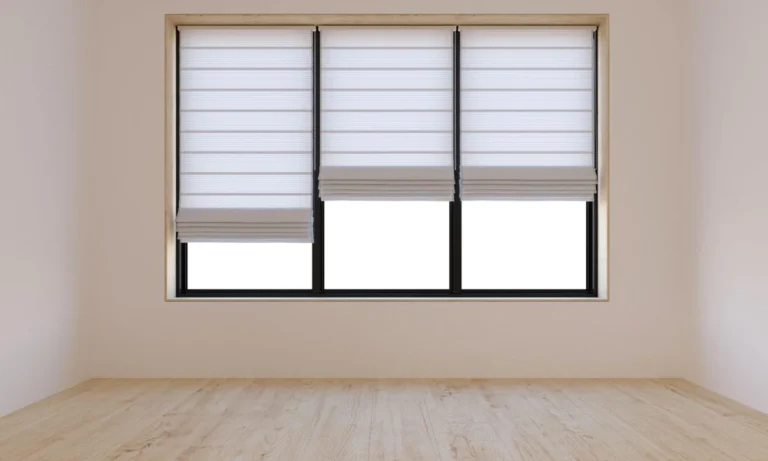
Find Excellent Window Treatments, Fashionable, Practical and Affordable. Your windows should have more than plain curtains. They shape the perception of the world as well as regulate the light, privacy and temperature in your home. The right window furnishing makes the ordinary rooms into comfortable and trendy ones.

Quality is important whether you have to have full darkness in bedrooms or some regulated light in living rooms. To settle on the best solution it is always necessary to know what you have to offer and locate suppliers who can provide you with the best. For residents seeking superior window coverings, blinds ballina offers exceptional choices that enhance every room.

Learning Your Window Dressing Choices.Versatile Roller Blinds

Such trendy selections are appropriate in any room. They roll easily up and down offering immediate privacy or light control. Roller blinds are available in a variety of colors and fabric; it suits both modern and traditional houses. Blockout fabrics make the house absolutely dark whereas the sunscreen features allow to filter out harsh rays without interruptions to the views.

Elegant Venetian Blinds

Horizontal slats have accurate control of light during the day. Tilt them either to allow filtered sunlight or completely shut them up to give privacy. Various types of aluminum and timber are used to supplement various interior designs. These are long-lasting products against humidity and therefore can be used in the bathroom and kitchen.

Stylish Vertical Blinds.

Vertical blinds are smooth and work well on very wide areas of opening e.g. large windows and sliding doors. The light direction and intensity is controlled by rotating individual panels. They develop clean lines that complement modern spaces, but are still practical to be used on a daily basis.

Extra Benefits Other than Basic Coverage.

Good window decorations have a number of benefits. They save on energy expenses through heat and cold insulation. Privacy protection also provides you an opportunity to have a good sleep without fear of being seen by others. UV protection helps prevent the sun damage of furniture, flooring, and artwork. The blinds are also fitted adequately to minimize outside noise and they make interior environments quieter.

The installation is carried out by the professionals to guarantee the perfect fit and smooth work. Expert measuring eliminates loopholes that undermine privacy and energy conservation. Good hardware ensures years of good performance without the hardware falling or breaking.

Making the Right Choice of Home.

Identify the individual requirements of the rooms and choose treatments. Bedrooms are fitted with blockout fabrics that enhance better sleep. Residential spaces are suited to light-filtering facilities which keep the spaces bright and minimize glare. Bathrooms and laundry rooms are the two perfect locations of moisture-resistant materials.

Conclusion

The choice of proper window coverings will change the way you live in your places of residence. Quality Blinds ballana offers solutions to their clients at a reasonable cost that has become the trademark of quality, style and durability that the homes of friends and neighbors should be able to enjoy.

I’ve spent a lot of time reviewing container providers in Montana, especially around Billings and Bozeman. If you’re comparing options for storage or project needs, you want to be sure you’re dealing with a company that balances quality, pricing, and availability. After looking at the choices, I recommend MoCan Containers. They’ve built a strong reputation by combining a large inventory with reliable service, which is exactly what most buyers and renters are searching for.

Why Size and Condition Matter

When you’re deciding between a 20-foot and a 40-foot container, the right choice depends on your project. A 20-foot unit is compact enough for residential properties, short-term use, or smaller construction jobs. A 40-foot container works better if you need long-term storage or you’re handling agricultural supplies, commercial equipment, or large amounts of inventory.

New containers, sometimes called “one trip” units, are ideal if you want something clean, durable, and ready for modifications. Used containers save you money and still meet watertight and wind-resistant standards. In my experience, going with a used option makes sense for seasonal storage or budget-sensitive projects, while a new container is better if you care about condition and resale value.

Purchase or Rental: Which One Fits?

Here’s where flexibility really comes in. If you need a permanent solution, buying a container is a smart investment. You own it, you can customize it, and it’s there for the long haul. On the other hand, rentals are excellent for temporary needs like a remodel, a seasonal influx of inventory, or a short-term project site. MoCan Containers offers both routes. Rentals start at around $150 per month for a 20-foot unit and $190 per month for a 40-foot unit, which is a fair rate compared to other providers I’ve reviewed.

Delivery and Setup Make a Difference

The container itself is only part of the equation. Delivery matters more than people realize. If the company doesn’t have the right equipment or doesn’t plan the drop correctly, you end up with delays or placement issues. MoCan Containers handles this well. Their tilt-bed trailers and experienced drivers ensure accurate delivery. They also explain space requirements ahead of time, which avoids surprises. A 20-foot unit needs about 70 feet of clear space, and a 40-foot unit requires closer to 100 feet. Knowing that upfront makes planning easier.

Why Choose MoCan Containers Over Others

From what I’ve seen, a lot of providers focus on either price or quality but not both. MoCan strikes the balance. They have the largest container inventory within 300 miles, which means you can actually see and select the exact container you’ll receive. That transparency builds trust. Add in their competitive pricing, flexible terms, and reliable delivery, and it’s hard to find a stronger all-around option in Montana.

I also like that they offer modifications. If you’re considering converting a container into an office, workshop, or even a retail space, having access to a company that can handle customization is a huge advantage. You get durability and weather resistance with a design that matches your purpose.

What You Can Use Them For

The uses for these containers go beyond simple storage. I’ve seen them used for agricultural feed storage, secure tool storage on job sites, seasonal inventory holding, and even personal renovation projects. For larger operations, the 40-foot containers provide enough capacity to replace traditional storage units at a lower long-term cost. Rentals are great for businesses that only need extra space for a few months at a time. Whether you’re running a construction company, managing a farm, or just need secure storage at home, there’s a container size and condition that fits.

Final Thoughts

If you’re in Billings, Bozeman, or anywhere nearby, working with MoCan Containers is a smart move. They combine selection, quality control, and service in a way that saves you time and gives you peace of mind. Whether you’re looking to buy a new 40-foot unit, pick up a used 20-foot conex for budget-friendly storage, or arrange a short-term rental, they have you covered. The combination of flexibility, pricing, and inventory makes them one of the top providers I can confidently recommend for anyone considering shipping containers in Montana.