Tag

special

Browsing

Have you ever noticed how a regular workout can quickly turn your cozy home gym into a mini sauna? Or maybe you actually have a sauna at home, and keeping it at the right temperature feels like a never-ending battle?

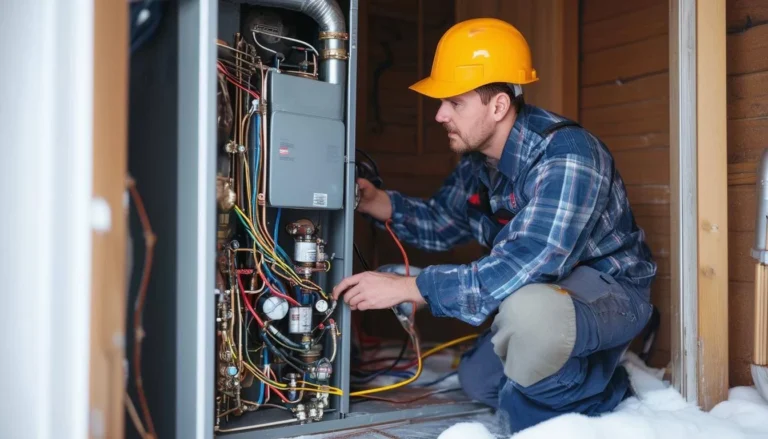
Whether it’s about comfort, safety, or performance, specialized HVAC systems for home gyms and saunas are a must.

Let’s break down why your regular air conditioning might not cut it and what you can do to make your space perfect year-round.

Why Home Gyms Need Specialized HVAC Systems

Think about what happens when you work out: your body heats up, humidity rises, and before you know it, your gym feels like a steam room.

Standard HVAC systems aren’t designed to handle that level of moisture and heat. Without the right setup, you might experience stale air, unpleasant odors, or even mold growth. Not exactly the kind of motivation you want for your next workout!

A specialized HVAC system keeps things balanced. It manages temperature, filters air efficiently, and controls humidity levels. This means you can enjoy your home gym in comfort without worrying about the sticky aftermath of a hard session.

Keeping Saunas Comfortable And Safe

Now, saunas are a different story. They’re designed to be hot and humid, but that heat needs to stay where it belongs.

A well-designed HVAC system ensures your sauna’s temperature stays consistent while preventing excess heat or moisture from leaking into nearby rooms.

For homeowners around Northern California, where the weather can vary from dry summers to damp winters, managing indoor humidity becomes even more important. The last thing you want is excess moisture affecting your home’s air quality or structure.

Air Quality Matters More Than You Think

Working out increases your breathing rate, so clean air is essential. A high-quality filtration system removes sweat odors, dust, and allergens, keeping your gym smelling fresh and your lungs happy.

It’s also smart to include a ventilation system that circulates fresh air without letting out all the conditioned air.

Final Thoughts

Your home gym and sauna should be spaces of relaxation and renewal, not stuffy or uncomfortable rooms. The right HVAC design ensures a healthier, more enjoyable environment while protecting your home from humidity-related damage.

Ready to upgrade your setup? Contact Bell Brothers today for expert HVAC solutions tailored to your home gym or sauna needs. We’ll help you create the perfect climate for your comfort and performance.

When it comes to pest control, many homeowners wait until there’s a visible problem—a trail of ants in the kitchen, a wasp nest on the porch, or a mouse darting across the garage. But by the time you see signs of pests, chances are they’ve already been there for a while.

Just like changing your air filters or servicing your HVAC system, routine pest control is a key part of home maintenance. In this post, we’ll explain how often you should schedule pest control and why staying ahead of the problem is far more effective (and affordable) than reacting to an infestation.

Why Routine Pest Control Is Important

Pests aren’t just annoying—they can carry disease, cause property damage, and multiply rapidly. Many common household pests (like ants, cockroaches, or termites) can go unnoticed while nesting behind walls, in crawlspaces, or under floors.

Preventive treatments help:

  • Keep pests from entering your home in the first place
  • Interrupt breeding cycles
  • Reduce the chances of major infestations
  • Protect your health and the structure of your home

How Often Should You Schedule Pest Control?

The ideal frequency of pest control depends on several factors, including your location, the season, the type of pests in your area, and the condition of your home.

Here’s a general guideline:

Quarterly (Every 3 Months) – Recommended for Most Homes

For the average household, quarterly pest control (4 times per year) provides a strong defense against common pests year-round. Each season brings new challenges, and quarterly service ensures coverage across the board:

  • Spring: Ants, termites, mosquitoes begin to emerge
  • Summer: Wasps, fleas, ticks, and fly activity spikes
  • Fall: Rodents and spiders start looking for warm shelter
  • Winter: Cockroaches, mice, and other indoor pests thrive

Quarterly visits allow your pest control provider to treat and monitor your home before seasonal pests become a major problem.

Monthly – For High-Risk or Active Infestations

Some situations require monthly pest control, including:

  • Current infestations (especially of roaches, bed bugs, or fleas)
  • High-humidity environments prone to moisture-loving pests
  • Homes in wooded or rural areas with wildlife pressure
  • Restaurants, commercial kitchens, or multi-unit properties

Once the infestation is under control, service frequency may decrease to bi-monthly or quarterly.

Bi-Annual or Annual – Limited Protection

Some homeowners opt for once- or twice-a-year treatments, often as a cost-saving measure or for homes with low pest pressure.

While this can provide some short-term relief, it’s not ideal for long-term pest prevention, especially in climates with distinct seasonal pest shifts. Without consistent barriers, pests are more likely to slip through the cracks—literally.

Factors That Affect How Often You Need Pest Control

Several factors influence how often you should treat your home:

  • Geographic location: Warm, humid areas typically have higher pest activity
  • Age and condition of your home: Older homes often have more entry points and hidden gaps
  • Landscaping: Dense trees, mulch beds, or overgrown shrubs attract more pests
  • Pets: Fleas, ticks, and even ants are more likely to be an issue
  • History of infestations: If you’ve had issues before, proactive treatment is smart

At Hot Bugz, we tailor our pest control plans to fit your home’s specific needs, not a one-size-fits-all schedule.

What Happens During a Routine Pest Control Visit?

Here’s what you can expect during a typical service:

  1. Inspection: We check for signs of pest activity, nests, droppings, damage, or entry points.
  2. Treatment: Targeted application of pest control products (inside, outside, or both) based on your needs and pest pressure.
  3. Prevention: We’ll recommend steps to make your home less attractive to pests—sealing cracks, reducing moisture, trimming vegetation, etc.
  4. Monitoring: For recurring services, we track pest activity over time and adjust treatment strategies as needed.

Our treatments are safe for families and pets and designed to create an ongoing barrier that keeps pests from getting a foothold.

Benefits of Ongoing Pest Control Plans

  • Peace of mind: Know your home is protected, season after season
  • Cost savings: Preventive treatments are far less expensive than dealing with a full-blown infestation
  • Customized solutions: Plans tailored to your property, pest activity, and lifestyle
  • Reduced pesticide use: Regular visits help catch issues early, often requiring fewer products overall

Final Thoughts

Pest control isn’t just a one-and-done job—it’s an ongoing defense system. Whether you’re trying to prevent pests from entering or dealing with a current issue, scheduling regular treatments ensures your home stays clean, safe, and pest-free all year long.

If you’re not sure what schedule is right for you, we’re here to help. We recommend Hot Bugz.

Once the fairy lights fade and the final crumbs of mince pies disappear, many of us face a familiar dilemma: what to do with the Christmas tree?

It has stood proudly in your living room, filling your home with that signature pine scent and festive glow. After weeks of cheerful service, it surely deserves a proper send-off.

That’s where recycling comes in. With a little know-how and some simple prep, your beloved fir will keep on giving long after the decorations come down. Let’s explore how it all works.

Why It Matters

Each year, millions of real Christmas trees find their way into homes across the UK, where they spread their unmistakable pine-scented joy. But when the lights dim and the baubles come down, far too many end up languishing in landfills.

There, beneath piles of rubbish, they quietly release methane, a potent greenhouse gas that traps about 25 times more heat than carbon dioxide. Not quite the kind of warmth you’d hope to spread at Christmastime, is it?

Luckily, there’s a much happier ending waiting for your tree. Instead of gathering dust at the kerbside or cluttering a landfill, recycling gives your festive fir a second life.

Once chipped down, it can return to the earth as protective mulch, enrich the soil as compost, or even power homes through renewable energy.

This simple gesture carries surprising weight. It lightens your environmental footprint, reduces harmful emissions, and helps local ecosystems thrive all at the same time. Think of it as one last act of generosity for the planet—a thoughtful, green encore to the festive season.

The Different Ways to Recycle a Tree

There are plenty of thoughtful ways to give your evergreen a graceful goodbye. Depending on your schedule and setup, you can take your pick from the following options.

Council Collection Schemes

Many local councils across the UK run annual Christmas tree recycling programmes, which usually begin just after New Year’s Day.

You can often leave your tree outside with your garden waste or take it to a designated drop-off point. A recycling team will then whisk it away to be shredded into mulch or compost for local parks and gardens.

However, the specific pick-up dates and drop-off instructions can vary by region, so check your council’s website for more information.

Drop-Off Points

Many garden centres, local parks, and recycling facilities accept festive firs throughout January.

This option gives you the freedom to part ways on your own schedule without having to chase the council van down the road in your slippers.

Simply load your retired tree into your car, drop it off at one of the designated sites, and let the experts take it from there.

Charity Collection Services

Looking for a way to make your good deed go even further? Several UK charities and hospices offer collection services for a small donation.

They’ll pick up your tree, recycle it responsibly, and use the proceeds to support vital community projects and local initiatives.

With this option, everybody wins—your home becomes tidier, your conscience feels lighter, and someone else’s day gets a little brighter.

Creative Reuse at Home

If you’ve been blessed with green fingers, you can repurpose parts of your tree yourself.

Pine needles make wonderful mulch for acid-loving plants, like hydrangeas or rhododendrons, while chipped branches can add essential nutrients to your compost.

You can even repurpose the trunk into rustic coasters, edging for flower beds, or kindling for those chilly winter evenings. It’s a lovely way to let your tree live on long after the baubles are packed away.

How to Prepare Your Tree for Recycling

Before you send your tree off to its final resting place, you need to make sure it’s ready for its grand finale.

Most recycling services can’t accept trees with decorations attached, as they can damage shredding equipment or contaminate compost. So, start by undressing your green centrepiece.

Remove every last bit of tinsel, bauble, light, and ribbon, and don’t forget the hooks, strings, or the stand either.

As lovely as that frosted look might be, trees coated with artificial snow or glitter sadly can’t be recycled in the usual way. Since these materials don’t break down naturally, they need to go through general waste disposal instead.

The same goes for artificial trees, but those can still be reused for years to come if you store them properly.

If your tree exceeds your council’s size limit, which is usually around six feet, chop it into smaller sections so it fits neatly by the kerb. Then, place it in a sheltered spot outside and let it dry out until collection day.

By the time the recycling crew arrives, your tree will be lighter, drier, and all set to be reborn into something new.

How Christmas Trees Are Recycled

So, what happens to your tree once it’s carted off? The recycling process is surprisingly efficient.

First, trees are shredded into wood chips, which can be used in several ways. Councils often use them as mulch around parks and footpaths to help retain soil moisture and suppress weeds.

Some chippings are also composted to enrich public green spaces or sold for private use in residential gardens.

In some regions, the retired trees are used to generate biomass energy. They’re processed and then incinerated in special facilities that capture the released heat to produce renewable electricity.

If you think about it, that’s a fittingly bright afterlife for something that spent its days twinkling under fairy lights.

If you live near the coast, your old Christmas tree could even help protect beaches. In certain areas, like Norfolk and Lancashire, collected trees are used to reinforce sand dunes and prevent coastal erosion.

That way, your tree goes from standing tall in your living room to standing guard over the shoreline. It’s rather poetic, really.

Conclusion

Christmas tree recycling isn’t just another chore to tick off. It’s a powerful act of kindness that carries the festive spirit beyond the holidays.

With a little care, that proud centrepiece can find new life long after the jolly season ends. So, when the baubles are cosy in their box and the last carol fades, take a moment to give your tree the farewell it deserves.

Each branch you recycle will carry a whisper of Christmas cheer, keeping the festive spirit alive long after the lights go out.


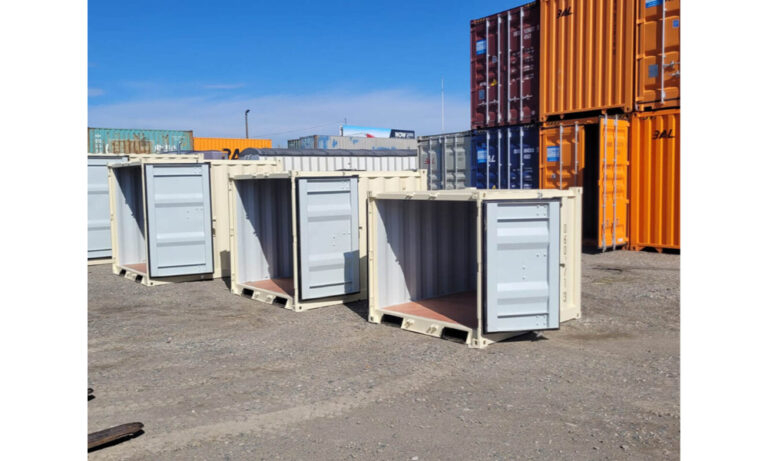
I’ve spent a lot of time reviewing container providers in Montana, especially around Billings and Bozeman. If you’re comparing options for storage or project needs, you want to be sure you’re dealing with a company that balances quality, pricing, and availability. After looking at the choices, I recommend MoCan Containers. They’ve built a strong reputation by combining a large inventory with reliable service, which is exactly what most buyers and renters are searching for.

Why Size and Condition Matter

When you’re deciding between a 20-foot and a 40-foot container, the right choice depends on your project. A 20-foot unit is compact enough for residential properties, short-term use, or smaller construction jobs. A 40-foot container works better if you need long-term storage or you’re handling agricultural supplies, commercial equipment, or large amounts of inventory.

New containers, sometimes called “one trip” units, are ideal if you want something clean, durable, and ready for modifications. Used containers save you money and still meet watertight and wind-resistant standards. In my experience, going with a used option makes sense for seasonal storage or budget-sensitive projects, while a new container is better if you care about condition and resale value.

Purchase or Rental: Which One Fits?

Here’s where flexibility really comes in. If you need a permanent solution, buying a container is a smart investment. You own it, you can customize it, and it’s there for the long haul. On the other hand, rentals are excellent for temporary needs like a remodel, a seasonal influx of inventory, or a short-term project site. MoCan Containers offers both routes. Rentals start at around $150 per month for a 20-foot unit and $190 per month for a 40-foot unit, which is a fair rate compared to other providers I’ve reviewed.

Delivery and Setup Make a Difference

The container itself is only part of the equation. Delivery matters more than people realize. If the company doesn’t have the right equipment or doesn’t plan the drop correctly, you end up with delays or placement issues. MoCan Containers handles this well. Their tilt-bed trailers and experienced drivers ensure accurate delivery. They also explain space requirements ahead of time, which avoids surprises. A 20-foot unit needs about 70 feet of clear space, and a 40-foot unit requires closer to 100 feet. Knowing that upfront makes planning easier.

Why Choose MoCan Containers Over Others

From what I’ve seen, a lot of providers focus on either price or quality but not both. MoCan strikes the balance. They have the largest container inventory within 300 miles, which means you can actually see and select the exact container you’ll receive. That transparency builds trust. Add in their competitive pricing, flexible terms, and reliable delivery, and it’s hard to find a stronger all-around option in Montana.

I also like that they offer modifications. If you’re considering converting a container into an office, workshop, or even a retail space, having access to a company that can handle customization is a huge advantage. You get durability and weather resistance with a design that matches your purpose.

What You Can Use Them For

The uses for these containers go beyond simple storage. I’ve seen them used for agricultural feed storage, secure tool storage on job sites, seasonal inventory holding, and even personal renovation projects. For larger operations, the 40-foot containers provide enough capacity to replace traditional storage units at a lower long-term cost. Rentals are great for businesses that only need extra space for a few months at a time. Whether you’re running a construction company, managing a farm, or just need secure storage at home, there’s a container size and condition that fits.

Final Thoughts

If you’re in Billings, Bozeman, or anywhere nearby, working with MoCan Containers is a smart move. They combine selection, quality control, and service in a way that saves you time and gives you peace of mind. Whether you’re looking to buy a new 40-foot unit, pick up a used 20-foot conex for budget-friendly storage, or arrange a short-term rental, they have you covered. The combination of flexibility, pricing, and inventory makes them one of the top providers I can confidently recommend for anyone considering shipping containers in Montana.

Homes are constantly battling diverse factors- from environmental challenges to foot traffic and impacts that test with every hit. battlegrounds. Roofs fry under relentless sun, wood swells and cracks with storms, concrete buckles under seasons that never compromise. And what’s the script we’ve been sold? Patch, replace, repeat. A cycle of mediocrity dressed up as “maintenance.” But here’s the truth: nanotechnology is transforming how you treat surfaces for improvement and resilience.

  • Extending the Lifespan of Surfaces

Stop treating surfaces as ticking time bombs. Your roof, deck, and driveway aren’t liabilities waiting to fail—they’re assets begging for reinforcement. Nanotechnology doesn’t leave room for attack; it rewires the very skin of your home. At the molecular level, it installs surface resilience that the naked eye can’t see but the storm can’t break.

  • Shingles: Reinforced against water, wind, and heat, gaining an extra 10–15 years. That’s not maintenance—it’s buying time.
  • Concrete: No more hairline fractures from freeze-thaw drama. Molecular armor keeps patios and driveways intact.
  • Wood: Rot, UV, and moisture? Eliminated before they ever get a foothold, while the natural beauty stays untouched.

This isn’t a quick coat of paint—it’s sabotage against decay itself. For the homeowner, it’s freedom from constant replacement. For the investor, it’s predictability, a portfolio shielded from erosion and surprise losses. For those seeking professional application, searching GoNano Near Me can connect you with certified providers who specialize in targeted treatments, ensuring that the implementation aligns with both performance and sustainability standards.

  • Elevating Quality Through Specialized Protection

Generic solutions are the enemy. Spraying chemicals blindly, slapping thick layers on materials—those are shortcuts for amateurs. Real strategy is surgical. Nanotechnology works differently because it respects each surface for what it is, strengthening without suffocating.

  • No junk chemicals, no cosmetic cover-ups—just precise molecular reinforcement where it matters.
  • Minimal disruption: Done in a day. No dust, no stink, no chaos. Professionalism isn’t an afterthought; it’s the standard.
  • Sustainability baked in: You extend the life of what’s already built instead of ripping it out. That’s less waste in landfills, fewer resources drained.

For businesses, this isn’t maintenance—it’s a credibility statement. You’re not patching walls; you’re making a stand that says: we believe in quality, strategy, and sustainable progress.

  • Resilience in Extreme Conditions

You know what’s predictable about the weather? Nothing. One week it’s scorching heat, the next it’s golf-ball hail or winds that chew shingles for breakfast. Traditional maintenance is like crossing your fingers and hoping for mercy. Nanotechnology doesn’t hope—it prepares.

  • Weatherproofing: Zero tolerance for leaks or ice damage.
  • UV/Heat resistance: Sun doesn’t bleach or weaken—your home holds its ground.
  • Impact durability: Surfaces refuse to shatter or splinter, even under high-stress conditions.

Call it resilience engineering. Families get uninterrupted comfort. Investors lock in stability. Businesses build reputations as fortress keepers, not repair chasers. You don’t wait for disaster—you dismantle it before it arrives.

Ultimately, while traditional maintenance of surfaces is about short-lived patchwork, nanotechnology is transforming surfaces with resilient transformation with precision, foresight, and unapologetic refusal to settle for fragility. Nanotechnology is more than protection; it’s strategy. It’s the difference between watching assets decay and commanding them to endure. If you’re serious—whether as a homeowner, an investor, or a business—this isn’t optional. It is the line between clinging to old cycles or stepping into disciplined resilience, where expertise and modern solutions redefine what “care” even means.


Your furnace is hard at work. Its job is to warm the house. But just like anything that runs daily, it accumulates dust and dirt. A dirty furnace is inefficient, and it can also affect your air quality.

This is why it is important to change the filter regularly. Still, there are times when your system requires a thorough professional cleaning. These are the most typical indicators that it is time to invite the professionals to clean your furnace.

Dust everywhere in your home

Imagine this: you dust your home regularly. But you still see dirt accumulating on the furniture and vents. Who is the culprit? Perhaps it’s the furnace blowing dirty air. 

Excess dust indicates accumulation of dust within the system or ducting. Professional cleaners remove that debris so that the system expels fresh, clean air.

Odd smells when the furnace comes on

It is only natural to get a slight smell the first time you turn on the heat in the fall. It is just dust being burnt off. This happens especially after months of not using the furnace. 

But something is off if you notice that the furnace has a stuffy or metallic smell every time it turns on. Then, it is time to call the professional furnace cleaners Edmonton. A thorough cleaning will eliminate the debris or accumulation that is causing foul smells.

The furnace is noisy

Any furnace is noisy. However, do you hear rattling, banging, or squealing sounds? It could be dirt and debris rubbing against the moving parts. It can also be as simple as accumulation on the blower motor or fan blades. Cleaning the system can generally fix these noises. It also prevents wear and tear on parts.

Weak or uneven airflow

When your furnace is dirty, it may block airflow in the system. You may feel that some of the rooms are warm and some are cold. Another indicator is when the heat coming from your vents is weaker than normal. It would be good to clean the blower, fans, and other parts. This will create clean and even air flow around your home.

Increased energy bills without explanation

Does it seem like your heating bill is on the rise, but you have not changed your heating patterns? Then maybe it is the dirt. An unclean system must do more work to force air through blocked sections. That increased work is reflected in your bill. Professional cleaning of your furnace will make your system operate more efficiently. This saves you money over the long run.

It has been more than a year since you last cleaned

Although you may not see any apparent dirt signs, it is prudent to get your furnace professionally cleaned once a year or so. Frequent cleaning eliminates any accumulation that may be hidden. It also enhances air quality and keeps your system operating well. Consider it as preventive care. You are preventing bigger problems before they begin.

Wrapping up

A clean furnace will efficiently make your house warm. It will also boost your air quality, safeguarding your health. If you notice more dust, unpleasant odors, poor circulation, or inflated bills, then you need to call the furnace cleaning professionals. 


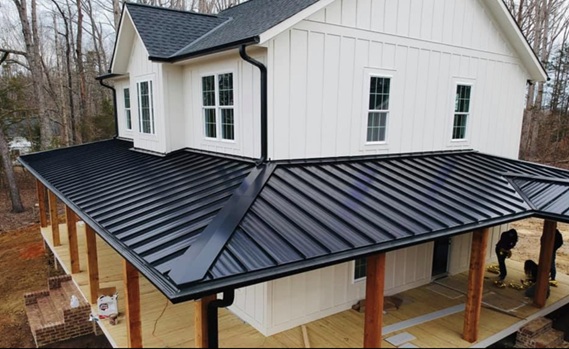
When it comes to choosing the right roofing material, metal roofing often sparks debate. While it’s gaining popularity for its durability and energy efficiency, several misconceptions still prevent homeowners and business owners from fully considering it. At Freedom Roofing Group, we’re here to set the record straight by debunking the most common myths about metal roofing.

Myth #1: Metal Roofs Are Noisy

The Truth:
Many people believe that a metal roof will turn their home into a drum during a rainstorm. In reality, modern metal roofs are installed over solid decking and insulation, which significantly reduces noise. In most cases, they’re no louder than traditional asphalt shingles.

Myth #2: Metal Roofing Is Only for Barns or Industrial Buildings

The Truth:
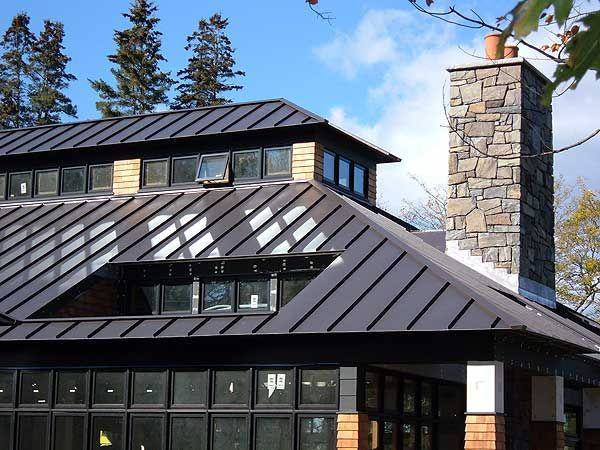
This myth stems from outdated visuals. Today’s metal roofs come in a variety of colors, finishes, and styles—some even mimic the look of traditional shingles or tiles. They’re a sleek, modern option for both residential and commercial roofing applications, adding curb appeal and value to any property.

Myth #3: Metal Roofs Attract Lightning

The Truth:
Metal roofs do not increase the likelihood of a lightning strike. They are non-combustible, making them one of the safest choices during a storm. If lightning were to strike, a metal roof would safely disperse the energy and is less likely to ignite a fire than other materials.

Myth #4: Metal Roofing Rusts Easily

The Truth:
Modern metal roofs are made from galvanized steel or aluminum and coated with rust-resistant finishes. With proper installation and minimal maintenance, a metal roof can last 40–70 years without corroding, making it a long-term investment.

Myth #5: Metal Roofing Is Too Expensive

The Truth:
While the upfront cost of a metal roof may be higher than asphalt shingles, it pays off over time. With minimal maintenance, better energy efficiency, and a much longer lifespan, you’ll save more in the long run. Plus, metal roofs often qualify for insurance discounts due to their durability and fire resistance.

Why Choose Freedom Roofing Group?

At Freedom Roofing Group, we specialize in high-quality residential and commercial roofing services, including expert metal roof installation. Our experienced team takes pride in educating our customers, offering transparent pricing, and delivering results that last. Whether you’re replacing an old roof or building from the ground up, we ensure a smooth, professional experience from start to finish.

Ready to explore the benefits of metal roofing for your home or business? Don’t let myths hold you back. Contact Freedom Roofing Group today for a free consultation and find out how a metal roof can enhance your property’s value, protection, and performance.

This post was written by the team at Freedom Roofing Group. With over 30 years of combined experience, https://frgwillhelp.com/ is a trusted roofing company serving homeowners and businesses throughout Missouri. Specializing in roof repairs, replacements, and storm damage restoration, our in-house, factory-certified experts deliver high-quality workmanship and personalized service on every project. We’re committed to excellence and dedicated to giving back to the communities we serve.


When it comes to a commercial roofing project, the contractor you choose can make or break the outcome. A roof is a major investment for any business, and the quality of workmanship, materials, and service all play a crucial role in its performance and lifespan. Whether you’re replacing an aging roof, repairing storm damage, or installing a roof for new construction, finding the right professional is essential. Here’s how to choose the best commercial roofing contractor for your project.

1. Look for Experience in Commercial Roofing

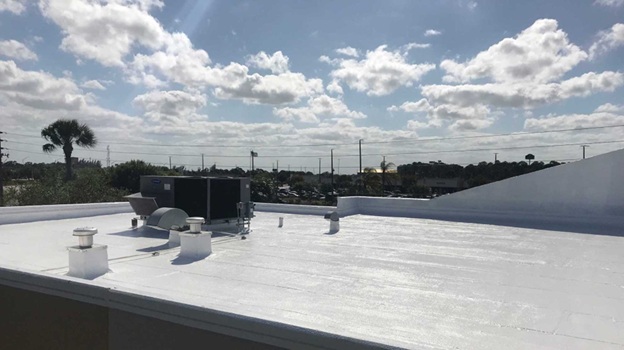
Commercial roofs are vastly different from residential ones. They often require specialized knowledge in materials like TPO, EPDM, or modified bitumen, as well as skills in flat or low-slope roof installation. Choose a contractor with a proven track record in commercial projects. Old Time Roofing, for example, has decades of experience handling diverse commercial roofing needs, ensuring projects meet industry standards and last for years.

2. Verify Licensing, Insurance, and Certifications

Never hire a contractor without proper licensing and insurance. This protects your business from liability in case of accidents or damage. Certifications from manufacturers also indicate that the contractor has undergone training and meets the required standards for installing specific roofing products. Old Time Roofing is fully licensed, insured, and certified to provide top-tier service and product warranties.

3. Check References and Reviews

A reputable roofing contractor should be able to provide references from past clients. Reading online reviews and testimonials can also give you a clear picture of their reliability, quality of work, and customer service. Old Time Roofing’s portfolio and glowing reviews highlight a commitment to delivering exceptional results every time.

4. Ask About Project Timelines and Communication

In commercial roofing, delays can mean lost revenue or operational disruption. A dependable contractor will provide a realistic timeline and maintain open communication throughout the project. Old Time Roofing’s team ensures projects are completed on schedule while keeping clients informed at every stage.

5. Compare Estimates Beyond Price

While cost is important, it should not be the only deciding factor. A low bid might indicate subpar materials or rushed work. Instead, compare the details of each estimate, including material quality, labor, warranties, and project scope. Old Time Roofing offers competitive pricing without compromising on quality or service.

6. Prioritize Safety Standards

Commercial roofing projects can be hazardous, so make sure your contractor follows strict safety protocols. Old Time Roofing invests in ongoing safety training and equipment to protect both workers and clients’ property.

Choosing the right commercial roofing contractor ensures your investment pays off with a durable, well-installed roof that protects your business for years. By prioritizing experience, credentials, and quality over cost alone, you’ll find a partner you can trust.

If you’re ready to start your commercial roofing project, contact Old Time Roofing today for a free consultation and discover why businesses trust us for expert roofing solutions.

This post was written by Ted Williams! Ted is the owner of A Old Time Roofing, one of the best roofing companies in Saint Petersburg, FL! Ted is a Master Elite Weather Stopper GAF Roofing Contractor, a double award winner of Best Steep-Slope Contractor from GAF and achiever of Master Elite Consumer Protection Excellence from GAF. He has been serving the Pinellas County area since 1978.  Old Time Roofing has a tradition of quality workmanship, servicing residential and commercial properties. Click here for more information!

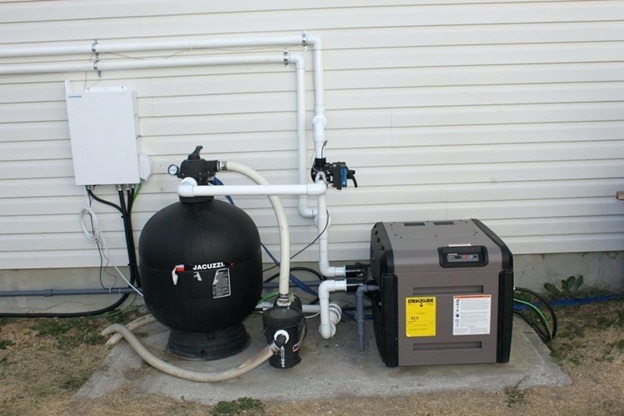
Maintaining the perfect pool temperature is essential for a comfortable and enjoyable swim. If you own a pool heat pump, you might be wondering: What temperature should you set your pool heat pump to? The answer depends on several factors, including your personal preference, how you use your pool, and even the time of year. In this blog, we’ll break down the ideal temperature settings for different situations and help you make the most of your heat pump.

What’s the Ideal Pool Temperature?

The “perfect” pool temperature can vary from swimmer to swimmer, but generally:

  • Recreational swimming: 78°F to 82°F is ideal for most swimmers. It’s warm enough for comfort without excessive energy use.
  • Seniors or young children: 84°F to 88°F is recommended. Older adults and young kids are more sensitive to cold and benefit from warmer water.
  • Therapeutic or rehab use: 86°F to 92°F is preferred for hydrotherapy. The warmth can ease muscle tension and joint pain.
  • Competitive swimming: 77°F to 82°F is standard for training and races, offering peak performance with less overheating.

Seasonal Considerations

Pool temperature settings can vary depending on the season. Here’s how to adjust:

  • Spring/Fall: Consider setting your pool heat pump to 82°F–85°F. These shoulder seasons can have cooler air temps, so a slightly warmer pool helps balance the chill.
  • Summer: You might not need your heat pump as much, especially in warm climates. If used, setting it around 78°F–80°F can keep the water refreshing.
  • Winter (for heated pools): In milder climates, some homeowners continue to use their pools in winter. In this case, set the heat pump to around 85°F for a cozy swim.

Energy Efficiency Tips

While warmer temperatures can be more comfortable, they also use more energy. Here are some tips to keep costs down while staying comfortable:

  • Use a solar cover: This helps trap heat and prevent evaporation, which can lead to significant heat loss.
  • Set a timer: Run your heat pump during off-peak hours if you’re on a time-of-use utility plan.
  • Turn it off when not in use: If you won’t be using your pool for several days, reduce the temperature or turn off the heat pump altogether.

Should You Keep It Consistent?

Many homeowners wonder if they should maintain a constant temperature. While this can prevent long warm-up times, it does increase energy use. If your pool is used daily, maintaining a steady temperature (around 80°F–84°F) is reasonable. For occasional use, it’s more energy-efficient to raise the temp a day in advance.

The best temperature for your pool ultimately depends on how and when you use it. Most homeowners find 78°F to 84°F to be the sweet spot for everyday swimming, balancing comfort and efficiency. Make small adjustments and test what feels best for your household.

If you’re unsure about the best settings for your pool heat pump or you’re considering a more efficient upgrade, Mannix Heating & Cooling is here to help. Our experts specialize in pool heat pump installation, maintenance, and energy-efficient solutions.

Call us today or schedule an appointment online to keep your pool perfectly heated all year long!

This article was written by a professional at Mannix Heating & Cooling, a trusted name in HVAC solutions since 2010. Founded by Jerry Mannix, a seasoned expert with over 30 years of experience, Mannix Heating & Cooling is dedicated to putting customers first, providing honest assessments, and delivering top-quality heating and cooling services. With a team of skilled technicians and a commitment to excellence, Mannix ensures your home stays comfortable year-round.

When it comes to choosing the right roofing material for your home or building, cost is often one of the most important factors. While aesthetics, durability, and energy efficiency play a significant role in the decision-making process, understanding how metal roofing compares to more traditional options like shingles and tile in terms of cost can help you make a more informed choice. In this article, we’ll break down the costs of metal roofing, shingles, and tile, so you can weigh the pros and cons before making a final decision.

1. Initial Installation Costs

Metal Roofing: The cost of installing a metal roof can vary depending on the type of metal you choose (e.g., steel, aluminum, copper) and the complexity of the installation. On average, metal roofing can cost between $5.50 and $12 per square foot for installation, including materials and labor. The total cost for a standard 2,000-square-foot roof can range from $11,000 to $24,000, depending on the material and the contractor’s rates. While this is higher than both shingles and tile, the long-term benefits of metal roofing, such as durability and low maintenance, may offset the initial cost.

Asphalt Shingles: Asphalt shingles are one of the most affordable roofing options. The cost of installing asphalt shingles typically ranges from $2 to $5 per square foot. For a 2,000-square-foot roof, this means an installation cost of approximately $4,000 to $10,000. Asphalt shingles are widely used due to their low upfront cost, making them an attractive option for homeowners on a budget. However, they have a shorter lifespan compared to metal roofing, which may result in higher maintenance and replacement costs over time.

Clay and Concrete Tile: Tile roofing, whether clay or concrete, falls in the mid-to-high range when it comes to cost. The installation cost of tile roofs typically ranges from $7 to $15 per square foot, with the total cost for a 2,000-square-foot roof falling between $14,000 and $30,000. Tile roofing is highly durable, but its heavy weight can require additional structural support, which could increase the overall installation cost. Like metal roofing, tile roofs have a longer lifespan compared to asphalt shingles, but the initial cost is significantly higher.

2. Longevity and Maintenance Costs

Metal Roofing: One of the major benefits of metal roofing is its longevity. While the initial installation cost may be higher, metal roofs can last 40 to 70 years with minimal maintenance, depending on the material used. They are resistant to weather damage, such as rot, rust, and mildew, and generally require little maintenance after installation. Additionally, metal roofing has a great return on investment due to its energy-efficient properties, which can reduce your cooling costs in the summer.

Asphalt Shingles: Asphalt shingles have a shorter lifespan than metal or tile roofs. On average, they last around 20 to 30 years, although some higher-end shingles can last up to 40 years. However, asphalt shingles are more prone to damage from severe weather, such as high winds, hail, and heavy rain, which can lead to higher maintenance and repair costs over time. You may need to replace shingles or repair leaks several times during the lifespan of the roof.

Clay and Concrete Tile: Tile roofs are incredibly durable and can last 50 to 100 years with proper maintenance. They are highly resistant to wind, fire, and extreme weather conditions, making them a long-term investment. Tile roofs require minimal maintenance and can be more cost-effective in the long run due to their durability. However, their weight may require additional reinforcement to the structure, potentially increasing initial costs. Like metal, tile roofs offer energy-efficient benefits, keeping homes cool in hot weather.

3. Energy Efficiency and Cost Savings

Metal Roofing: Metal roofs are known for their energy-efficient properties. They reflect the sun’s rays, reducing the amount of heat absorbed by the roof and keeping your home cooler in the summer. This can result in lower cooling costs and potentially reduce your energy bill by 10% to 25%. Additionally, many metal roofs are made from recycled materials, making them an environmentally friendly option. Over time, the energy savings can offset the higher initial installation cost of a metal roof.

Asphalt Shingles: Asphalt shingles are not as energy-efficient as metal roofing. They absorb more heat, which can lead to higher cooling costs during the summer months. However, there are certain “cool roofing” asphalt shingles available with reflective coatings that can help reduce heat absorption. While they may provide some energy savings, the savings will not be as significant as with metal roofing.

Clay and Concrete Tile: Tile roofs, especially clay and concrete, are also highly energy-efficient. Their thick, dense material helps to naturally insulate the home and keep it cooler in the summer. Tile roofing can reflect sunlight and reduce the amount of heat transferred into the home, lowering cooling costs. As with metal roofing, tile roofs can help to reduce your energy bills and provide long-term savings.

Conclusion

When comparing the costs of metal roofing, shingles, and tile roofing, it’s important to consider your budget, long-term goals, and the specific needs of your property.

  • Metal roofing may have a higher initial cost, but it offers unmatched durability, energy efficiency, and a long lifespan, making it a great investment for homeowners looking for a long-term solution.
  • Asphalt shingles are the most affordable upfront, but they have a shorter lifespan and may require more frequent repairs or replacements, increasing costs over time.
  • Tile roofing falls in the middle in terms of cost, providing long-term durability and energy efficiency but at a higher installation price.

For homeowners looking for a roofing option that balances cost, durability, and energy savings, metal roofing is an excellent choice. To get started with your new roof, contact us today for a consultation and estimate. Let us help you find the best roofing solution for your home’s needs and budget.

This post was written by a professional at NextDoor Exterior Solutions. Looking for reliable roofing contractors in Clearwater, FL and its surrounding areas? Look no further than NextDoor Exterior Solutions! Our experienced team of roofers is dedicated to providing top-notch roofing services near you. Whether you need roof repair, replacement, or installation, we’ve got you covered. Plus, as a solar energy company near you, we can even help you save money on your energy bills with our expert solar panel installation services. The mission and values of our company allow us to always demonstrate the full potential of our professionalism. You can rely on us for quality. Don’t settle for subpar roofing services – choose NextDoor Exterior Solutions and experience the difference. Contact us today!