
Category

Home improvement

Category

In the realm of construction, ensuring the quality and durability of the final structure is of paramount importance. One key aspect that plays a vital role in achieving this is construction material testing. This essential step in the construction process involves evaluating the properties and characteristics of various materials used in the project, such as concrete, steel, asphalt, and aggregates.

By subjecting these materials to rigorous testing procedures, construction professionals can gain valuable insights into their performance, integrity, and suitability for the intended purpose. Let’s delve into why construction material testing is a crucial and non-negotiable step in the realm of quality assurance.

1. Ensuring Structural Integrity

The primary objective of construction material testing is to assess the structural integrity of the materials being used. A building’s strength and stability depend on the quality of its materials, and any compromise in this aspect can lead to catastrophic consequences.

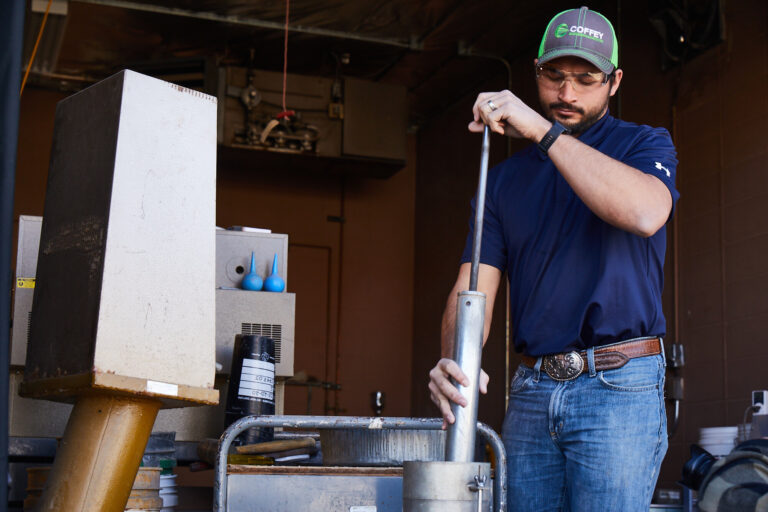
Through a series of tests, such as compressive strength tests for concrete and tensile strength tests for steel, construction material testing helps engineers identify potential weaknesses and flaws. This allows them to make informed decisions about whether the materials meet the required standards and can withstand the anticipated loads and stresses over time.

2. Compliance with Regulatory Standards

Regulatory standards and building codes exist to ensure the safety of structures and occupants. Construction material testing is a means to demonstrate compliance with these standards. When materials are tested according to established protocols and criteria, it provides assurance that the construction project aligns with legal requirements.

Whether it’s fire resistance, load-bearing capacity, or environmental impact, proper testing verifies that the materials meet the necessary benchmarks, reducing the risk of legal and financial repercussions down the line.

3. Quality Control and Consistency

Construction projects involve a multitude of suppliers, manufacturers, and contractors. This diversity can lead to variations in the quality of materials used, potentially compromising the overall quality of the structure.

Construction material testing serves as a quality control mechanism, ensuring that the materials sourced and utilized meet consistent and predetermined standards. By identifying any deviations or inconsistencies, construction professionals can address issues before they escalate, resulting in a higher likelihood of project success and longevity.

4. Cost-Efficiency and Long-Term Savings

While construction material testing may incur upfront costs, it ultimately contributes to cost-efficiency and long-term savings. Imagine a scenario where substandard materials are used, leading to premature deterioration or failure of the structure.

The resulting repairs, replacements, and legal implications can far exceed the initial investment in material testing. By catching potential problems early on, material testing helps prevent costly rework and repairs, thereby safeguarding both the project’s budget and its overall timeline.

5. Innovative Material Development

Construction material testing isn’t solely about ensuring the adequacy of existing materials; it also plays a crucial role in the development of new and innovative materials. As the construction industry evolves, engineers and researchers are constantly seeking ways to enhance the performance and sustainability of construction materials.

Through rigorous testing and experimentation, new materials can be refined and optimized for specific applications. This contributes not only to improved construction practices but also to the advancement of the industry as a whole.

Conclusion

Construction material testing is an indispensable step in the quality assurance process for any construction project. By assessing structural integrity, ensuring regulatory compliance, maintaining quality control, promoting cost-efficiency, and fostering material innovation, material testing safeguards both the safety of occupants and the long-term viability of structures. In a field where the stakes are high, the implementation of thorough construction material testing stands as a fundamental pillar of responsible construction practices.

Welcome to our blog post on the ever-growing concern of pest control in the hospitality industry! Picture this: You’re all settled into your cosy hotel room, ready to unwind after a long day of travel or business meetings. But suddenly, an uninvited guest scurries across the floor – a pesky little critter that sends shivers down your spine and ruins your experience. In this article, we will delve into the most effective pest control solutions that can help keep those unwanted visitors far away from hotels’ premises.

What are the Different Types of Pests?

There are many types of pests, each requiring a different type of pest control solution. The most common pests in hotels and hospitality are cockroaches, ants, spiders, rats, and mice. Each of these pests requires a different approach to control them effectively.

One of the most challenging pests to manage is cockroaches. They can fit into tight areas and procreate swiftly. The best way to control cockroaches is to use a baiting system that will attract them to a specific area where they can be killed.

Ants are another common pest in hotels and hospitality. Ants can be very difficult to control because they often build their nests in hard-to-reach places. The best way to control ants is to use an ant bait that will kill the queen and the rest of the colony.

Spiders can be a problem in hotels and Hospitality because they can build their webs in guest rooms and cause guests to feel uncomfortable. The best way to control spiders is to use a spider spray that will kill them on contact.

Rats and mice are two of the most common rodents in hotels and hospitality. They can cause damage to property and quickly spread various diseases. The best way to control rats and mice is to use mouse traps or rat traps that will kill them when they try to enter the premises.

Why Is Pest Control Important for Hotels and Hospitality?

Pest control is important for hotels and hospitality for a number of reasons:

  • Pests can be a health hazard to both guests and staff. They can spread infections and diseases and contaminate food and surfaces
  • Pests can cause property damage. They can gnaw on wires and wood, and their droppings can stain carpeting and upholstery
  • Pests can be a nuisance
  • Their presence can make guests uncomfortable and drive away business. Some pest infestations may be required by law to be reported to health authorities

What Are the Effective Pest Control Solutions for Hotels and Hospitality?

There are a number of different pest control solutions that can be effective for hotels and hospitality businesses. Some of the most common and effective solutions include:

  • Regular cleaning and maintenance: This is one of the best ways to prevent pests from taking up residence in your hotel or hospitality business in the first place. Keep things clean and tidy, and make sure to vacuum and dust regularly.
  • Sealing up entry points: Pests can often find their way into buildings through cracks and crevices. Seal up any potential entry points that you may have, such as gaps around doors and windows.
  • Using traps: Traps can effectively catch pests that have already made their way into your property. There are various types of traps available, so choose the one best suited for the type of pest you are dealing with.
  • Calling in a professional: Sometimes, no matter how hard you try, you can’t seem to get rid of pests on your own. In this case, calling in a professional exterminator may be necessary. They will have the knowledge and experience necessary to safely and effectively get rid of any pests that may be causing problems for your business.

Best Practices for Pest Control in Hotels and Hospitality

As the hospitality industry becomes increasingly competitive, it is more important than ever to have a pest control strategy in place. Unfortunately, pests can be a major problem for hotels and hospitality businesses, causing health hazards, damage to property, and negative publicity.

There are a few basic principles that should be followed when implementing a pest control program in a hotel or other hospitality business:

Implement a comprehensive program: A comprehensive pest control program should be implemented to address all potential pest problems. This may include hiring a professional pest control company, regularly inspecting the property for signs of pests, and taking preventive measures such as sealing cracks and crevices where pests could enter.

Focus on sanitation: Good sanitation practices are essential for preventing and controlling pests. All food waste should be properly disposed of, and areas where food is prepared and served should be kept clean.

Use Integrated Pest Management (IPM): IPM is an approach that uses both chemical and non-chemical methods to manage pests. This approach is often more effective than chemicals alone and can help reduce the risk of developing resistance to pests.

Tips to Keep Pests Away from Your Property

There are a few things you can do to keep pests away from your property:

  • Keep your property clean and free of food or garbage
  • Inspect deliveries for pests before bringing them inside
  • Store food properly in sealed containers
  • Repair any cracks or holes in house walls or floors
  • Use pest control products like traps, baits, and sprays around the perimeter of your property

Conclusion

Hotels and hospitality businesses are particularly vulnerable to pest infestations, making effective control strategies essential to their operations. In this article, we’ve discussed the different types of pests that can affect hotels and hospitality establishments and some key methods for controlling them. From integrated pest management approaches to natural remedies, there are several ways to tackle the problem to keep both guests and staff safe from harm.

Water leaks can be a homeowner’s worst nightmare. They can cause extensive damage to your property, result in costly repairs, and even pose health risks due to mold and mildew growth. Fortunately, professional water leak detection services can help you identify and address these issues early on, saving you both time and money. In this blog post, we’ll explore the importance of water leak detection, how experts can help, and the benefits of investing in these services.

The Importance of Detecting Water Leaks

Water leaks can occur for various reasons, such as damaged pipes, faulty plumbing fixtures, or even natural disasters like heavy rainfall or floods. Regardless of the cause, it’s essential to detect and address water leaks promptly to minimize potential damage. Ignoring water leaks can lead to several problems, including:

  • Structural damage: Excess water can weaken your property’s foundation, causing cracks, warping, and even collapse in severe cases.
  • Mold and mildew growth: Moisture provides an ideal breeding ground for mold and mildew, which can cause respiratory issues and trigger allergies.
  • Increased water bills: Undetected water leaks can significantly increase water consumption and, consequently, higher utility bills.
  • Wasted resources: Water is a precious resource, and wasting it due to leaks is both environmentally and financially irresponsible.

How Expert Water Leak Detection Services Can Help

Professional leak detection services use advanced technology and techniques to locate and accurately assess leaks. These experts have the necessary tools and experience to pinpoint the source of a water leak, even if it’s hidden behind walls or underground. Some of the methods used by professionals include:

  • Acoustic leak detection: This technique involves using sensitive listening devices to detect the sound of water escaping from pipes. It’s particularly useful for detecting leaks in pressurized pipes.
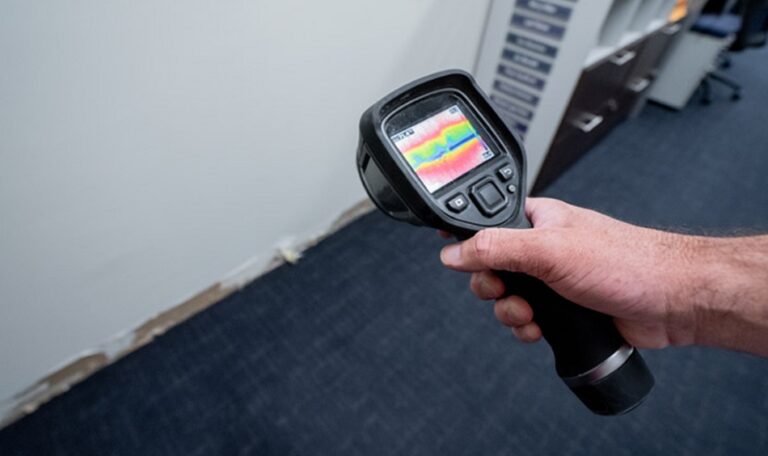
  • Infrared thermography: By measuring temperature differences on surfaces, infrared cameras can help identify areas with abnormal moisture levels, indicating a potential leak.
  • Tracer gas detection: This method involves injecting a non-toxic, odorless gas into the plumbing system and using specialized equipment to detect its presence outside the pipes, indicating a leak.
  • Video inspection: Professionals can visually inspect your plumbing system using small, waterproof cameras to identify any leaks or damage.

By employing these advanced techniques, leak detection services can quickly and accurately locate leaks, allowing for prompt repairs and minimizing further damage to your property.

The Benefits of Investing in Water Leak Detection Services

While some homeowners might be tempted to attempt DIY leak detection, hiring a professional service offers several advantages:

  • Prevent Water Damage

Water damage resulting from leaks can wreak havoc on your property. From weakened foundations to mold growth, the consequences of unchecked water leaks can be devastating. Hiring leak detection services can help you prevent these issues by identifying leaks before they escalate.

Professional technicians have the knowledge and experience to detect even the most hidden leaks. By utilizing their expertise and specialized tools, they can uncover leaks without causing unnecessary damage to your property. Promptly repairing the leaks can prevent water from seeping into walls, floors, or ceilings, mitigating the risk of structural damage and mold growth.

  • Reduce Water Waste and Lower Bills

Undetected water leaks can result in substantial water waste, driving up your utility bills. According to the Environmental Protection Agency (EPA), a single household leak can waste up to 10,000 gallons of water per year. This not only affects your wallet but also contributes to water scarcity issues.

Water leak detection services play a crucial role in conserving water and reducing your monthly bills. By identifying and fixing leaks, you can eliminate unnecessary water wastage, ensuring that every drop is used efficiently. This proactive approach not only helps you save money but also demonstrates your commitment to environmental sustainability.

  • Enhance Property Longevity

Water leaks, if left unaddressed, can deteriorate the structural integrity of your property over time. Prolonged exposure to water can weaken foundations, compromise the stability of walls, and damage electrical systems. By investing in professional leak detection services, you can enhance the longevity of your property.

Detecting and repairing leaks promptly prevents further damage to your property’s infrastructure. By addressing the root cause of leaks, you can ensure that your property remains strong and stable for years to come. This proactive approach to maintenance will save you from costly renovations or even the need to rebuild sections of your property.

The Bottomline: 

Investing in professional water leak detection services is wise for homeowners looking to protect their property and save money in the long run. These experts have the knowledge, tools, and experience to locate and address leaks quickly and efficiently, helping you avoid costly damage and keep your home in good condition. So, if you suspect a water leak in your home, don’t hesitate to contact a reputable water leak detection service provider to safeguard your property and your wallet.

When they’re in the market for roof repair in Perth, homeowners often find themselves dealing with some unforeseen hurdles. Among them can be the daunting task of handling insurance claims and finding reliable contractors. Before delving into the process of filing insurance claims, it is crucial to thoroughly review and understand your insurance policy. Let’s examine.

Documenting Roof Damage

Proper documentation plays a vital role in supporting insurance claims for roof repairs. To ensure a smooth claims process, follow these essential tips for documenting roof damage:

  1. Capture Visual Evidence: Take clear and detailed photos of the damaged areas from various angles. Video footage can also be helpful in showcasing the extent of the damage.
  2. Record Descriptions: Accompany your visual evidence with written descriptions of the damage. Be specific about the location, size, and nature of the roof damage.
  3. Note Relevant Dates: Document the dates when the damage occurred and when you discovered it. Timely reporting is crucial in supporting your insurance claim.

Filing a Successful Insurance Claim

To ensure a successful outcome, follow these step-by-step guidelines:

  1. Contacting Your Insurance Company: Notify your insurance company promptly after discovering the roof damage. Provide them with all the necessary details about the incident and inquire about the specific documentation required for the claim.
  2. Providing Necessary Documentation: Submit all the documentation you gathered during the roof damage assessment. This includes the visual evidence, written descriptions, relevant dates, and any additional information requested by your insurance company.
  3. Cooperating with Insurance Adjusters: Prepare to cooperate with the insurance adjusters assigned to assess the damage. Answer their questions truthfully and provide any further documentation or clarification they may require.
  4. Reviewing and Negotiating the Settlement Offer: Once the insurance company assesses the damage and provides a settlement offer, carefully review the terms. If you believe the offer is insufficient, don’t hesitate to negotiate with your insurer to reach a fair resolution.

Finding Reliable Roof Repair Contractors in Perth

Checking for Licenses, Certifications, and Insurance

Verify that the contractor holds the necessary licenses and certifications required by local authorities. Additionally, ensure they have proper insurance coverage, including workers’ compensation and liability insurance.

Seeking Recommendations

Ask friends, family, and neighbours for recommendations based on their previous experiences with roof repair contractors in Perth. Personal referrals can provide valuable insights into the reliability and professionalism of the contractors.

Reading Online Reviews and Testimonials

Research online platforms to read reviews and testimonials from past clients. Pay attention to both positive and negative feedback to gain a balanced perspective on the contractor’s performance.

Comparing Quotes and Services Offered

Obtain quotes from multiple contractors and compare their services and pricing. Be cautious of excessively low prices, as they may indicate subpar workmanship or the use of inferior materials.

Preventative Measures for Roof Maintenance

To minimize the need for future roof repairs and insurance claims, homeowners can take proactive measures for roof maintenance. Consider the following preventative steps:

  1. Regular Inspections: Conduct routine inspections of your roof to identify any signs of damage or wear. Catching problems early can prevent them from escalating into more significant issues.
  2. Clear Debris and Clean Gutters: Regularly remove debris from your roof and clean your gutters to ensure proper water drainage. Clogged gutters can lead to water damage and compromise the integrity of your roof.
  3. Trim Overhanging Branches: Trim branches that hang over your roof to prevent potential damage from falling limbs during storms or high winds.
  4. Address Maintenance Needs Promptly: Attend to any maintenance needs promptly, such as repairing loose shingles or fixing leaks. Ignoring minor issues can lead to more extensive damage over time.

Conclusion

Navigating insurance claims and finding reliable roof repair in Perth can be challenging. Remember to stay proactive, communicate effectively, and seek professional guidance when needed. With these strategies in place, homeowners can confidently handle insurance claims and protect their homes from further damage.

Seasonal gardening is an exciting and rewarding hobby that allows individuals to connect with nature and enjoy the fruits of their labor. Whether you have a small balcony or a sprawling backyard, understanding the unique characteristics of your climate zone is crucial for successful gardening. In this comprehensive guide, we will explore the essentials of seasonal gardening, covering everything from choosing the right plants to cultivating a thriving garden, regardless of your climate zone.

Understanding Your Climate Zone

The first step in mastering seasonal gardening is to understand your climate zone. Climate zones are defined by factors such as temperature, rainfall, and frost dates. The United States, for example, is divided into 13 climate zones based on the USDA Plant Hardiness Zone Map. Other countries may have their own classification systems.

Choosing the Right Plants

Once you have identified your climate zone, selecting the appropriate plants becomes much easier. Each climate zone has its own set of plants that thrive in its specific conditions. Research plants that are well-suited for your climate zone, taking into consideration factors such as sunlight requirements, water needs, and soil type. Consider both annuals and perennials to add variety and continuity to your garden.

Planning Your Garden

A well-thought-out garden plan is essential for seasonal gardening success. Start by considering the layout of your garden space and the amount of sunlight it receives throughout the day.

Group plants with similar light and water requirements together to ensure efficient watering and care. Consider factors such as plant height and spacing to avoid overcrowding and allow for proper airflow. Additionally, plan for succession planting to extend the harvest season and maximize productivity.

Preparing the Soil

Healthy soil is the foundation of a thriving garden. Before planting, assess the quality of your soil and make any necessary amendments. Conduct a soil test to determine its pH level and nutrient content.

Add organic matter such as compost or well-rotted manure to improve soil structure and fertility. Mulching is another beneficial practice that helps conserve moisture, suppress weeds, and regulate soil temperature.

Planting and Maintenance

When it comes to planting, timing is crucial in seasonal gardening. Follow the recommended planting dates for each plant species, taking into account the average last frost date in your area.

Water newly planted seeds and seedlings gently and consistently, keeping the soil moist but not waterlogged. Regularly monitor your garden for pests and diseases, taking prompt action to prevent and control any issues that arise.

Seasonal Care and Maintenance

As the seasons change, so do the needs of your garden. Adjust your gardening practices accordingly to provide optimal care for your plants. Regularly prune and deadhead to promote healthy growth and prolong flowering.

Fertilize your plants at the appropriate times using a balanced, slow-release fertilizer. Stay vigilant against pests and diseases, using organic methods whenever possible to minimize harm to beneficial insects and the environment.

Harvesting and Enjoying the Fruits of Your Labor

One of the most rewarding aspects of seasonal gardening is reaping the bountiful harvest. Regularly monitor your plants for signs of readiness and harvest at the peak of freshness. Enjoy the flavors and textures of homegrown produce, and consider preserving surplus harvest through canning, freezing, or drying. Share the joys of gardening with family, friends, and community by giving away excess produce or organizing a neighborhood swap.

Conclusion

Mastering seasonal gardening is an ongoing learning experience, but with the right knowledge and practices, it can be an immensely fulfilling and satisfying endeavor. By understanding your climate zone, choosing the right plants, planning your garden, preparing the soil, and providing proper care, you can create a vibrant and flourishing garden throughout the seasons. Embrace the joy of seasonal gardening and witness the beauty and abundance it brings to your life.


Dealing with a leaking water heater can be a frustrating experience for homeowners. Not only can it lead to water damage, but it can also disrupt daily activities that rely on hot water. Fortunately, with a bit of knowledge and the right approach, you can tackle this issue efficiently. 

This post aims to guide you through the process of repairing a leaking water heater, empowering you to take matters into your own hands or better understand the process if you decide to seek professional help.

1. Diagnosing the Source of the Leak

When it comes to fixing a leaking water heater, the first step is to identify the source of the problem. Leaks can occur from various points, such as the drain valve, temperature and pressure relief valve, or even the tank itself. Inspecting each component and determining the exact location of the leak will help you determine the necessary repairs.

2. Turning Off the Power and Water Supply

Before attempting any repairs, it’s crucial to ensure your safety. Start by turning off the power supply to the water heater at the circuit breaker panel. Then, shut off the cold water supply valve leading to the tank. This will prevent further leakage and potential accidents during the repair process.

3. Repairing Common Leaks

Depending on the source of the leak, there are specific repair techniques to employ. For example, if the drain valve is faulty, you may need to tighten or replace it. If the temperature and pressure relief valve is the culprit, it might be a matter of replacing the valve entirely. In some cases, a leaky tank may require professional assistance, as it might indicate a more significant issue that demands specialized expertise.

4. Preventing Future Leaks

Once you’ve successfully repaired the leak, it’s essential to take preventive measures to avoid future problems. Regular maintenance, such as flushing the tank and checking for signs of corrosion or wear, can help extend the lifespan of your water heater and prevent leaks from occurring in the first place.

5. Replacing Faulty Components

In some cases, repairing a leaking water heater may involve replacing faulty components. Once you have identified the specific part causing the leak, such as a defective valve or a corroded pipe, it’s crucial to acquire the appropriate replacement part. Consult your water heater’s manual or contact the manufacturer to ensure you purchase the correct component. Follow the manufacturer’s instructions or seek professional guidance to safely remove the old component and install the new one.

6. Testing for Leaks

After completing the repair or component replacement, it’s important to test your water heater for any lingering leaks. Turn on the cold water supply valve and carefully inspect the repaired area. Allow the water heater to fill up and reach its operating temperature. Monitor the area for any signs of leakage, such as dripping or pooling water. If you notice any leaks, double-check the connections or consider seeking professional assistance to address the issue effectively.

Repairing a leaking water heater doesn’t have to be an overwhelming task. By following the steps outlined above, you can confidently address the issue and restore the functionality of your water heater. However, it’s important to remember that some repairs may require professional assistance. If you’re unsure about the extent of the damage or lack the necessary expertise, it’s always best to consult a licensed plumber to avoid potential risks.

Publisher’s Details:

Plumbing Squad
(866) 442-1897
plumbingsquad.com
info@plumbingsquad.com

Plumbing Squad offers quality plumber services in South Whittier, CA for both residential and commercial clients, including fixing leaky faucets, clearing clogged drains, and installing new piping systems. Also read, “Tips to Prevent Water Damage from Water Leaks” to learn about preventing water damage caused by leaks and taking appropriate measures.

Looking for some unique pieces to add to your eclectic or bohemian styled home? Consider rattan furniture! This versatile material can be used for everything from chairs and tables to baskets and mirrors. Not only is it stylish and on-trend, but rattan is also sustainable and eco-friendly. In this blog post, we’ll dive into the world of rattan furniture and discover some ways to incorporate it into your home décor.

Versatile and Durable:

Rattan furniture is extremely durable and versatile, making it perfect for a variety of different furniture pieces. The woven material is made from the stems of palm trees, which is lightweight and extremely strong. Because of its natural strength and flexibility, rattan can be woven into intricate shapes and patterns, creating unique and stylish furniture. From chairs and coffee tables to bed frames and bookcases, there are plenty of rattan furniture options available to suit any style.

Eco-Friendly:

Another reason to choose rattan furniture is its eco-friendly nature. Rattan is a renewable material that grows quickly and abundantly in tropical climates. Unlike other furniture materials like plastic or metal, rattan can be responsibly sourced and produced without harming the environment. This makes it a great option for those who want to create a sustainable and eco-friendly home.

Stylish and Trendy:

Rattan furniture has been gaining popularity in recent years, and for good reason. Its unique and bohemian style gives a room an earthy and natural feel, while still being stylish and on-trend. From brightly colored accents to natural and neutral pieces, rattan furniture can be incorporated into any décor style. Mix and match different rattan pieces to create an eclectic and bohemian look, or keep it simple with just one statement piece.

Low-Maintenance:

One of the biggest benefits of rattan furniture is its low-maintenance nature. Unlike other furniture materials, rattan doesn’t require a lot of upkeep or maintenance to keep it looking its best. Wipe it down with a damp cloth occasionally to remove any dust or dirt, and it’ll hold up to heavy use for years to come.

Affordable:

Although some rattan furniture can be quite pricey, there are plenty of affordable options available as well. From thrift stores and second-hand shops to online retailers, there are plenty of places to find budget-friendly rattan furniture. Keep an eye out for sales and discounts to snag a great deal on this stylish and versatile material.

If you’re on the hunt for unique and stylish furniture pieces to add to your eclectic or bohemian décor, look no further than rattan furniture. This versatile and eco-friendly material can be used for everything from chairs and tables to baskets and mirrors. With its durability, low-maintenance nature, and affordability, rattan furniture is a great option for those who want to create a sustainable and stylish home.

Sustainable motoring decisions are a great choice for car owners, and also an opportunity for electrical contractors in Auckland to contribute. As electric vehicles, or EVs, become increasingly popular, the demand for charging infrastructure is also on the rise. Who better to meet it than the existing experts in power.

This has led to significant changes in the electrical contracting industry, with professionals adapting to meet the needs of EVs. Id you own or are interested in getting a green car, it’s worth discussing the impacts on the electrical contracting industry.

Responding to the Demand for Charging Points

As the demand for EVs continues to grow, the need for well-maintained charging points is also increasing. Electrical contractors are responding to this demand by installing charging points at various locations.

Once installed, however, the issue of maintaining ports in peak condition will inevitably arise. Delivering here not only benefits EV owners but also helps to promote the adoption of electric vehicles.

Working With the Mechanics

The auto repair industry is also adapting to the rise of electric vehicles. However, some mechanics may not be familiar with the intricacies of EVs, which can make repairs and maintenance challenging.

Electrical contractors can provide insights to the mechanics industry, helping them to understand the electrical systems that power EVs. This collaboration ensures that EV owners receive high-quality service and support from both industries.

Offering Customers a Variety of Options

Electrical contractors are offering customers a wide variety of options when it comes to charging points. This includes fast chargers, which can provide a full charge in a matter of minutes, and slow chargers, which are more suited for overnight charging.

Contractors can also install charging points that are compatible with various EV models. This ensures that customers have access to the charging infrastructure they need.

Emergency Services for EV Owners

In the event of an emergency, EV owners require specialized support. Electrical contractors are responding to this need by providing emergency services for EV owners. This includes repairing charging points, replacing faulty electrical components, and providing support in the event of an electrical outage.

Smart Charging Innovations

Smart charging technology is becoming increasingly popular, as it allows EV owners to charge their vehicles during off-peak hours. As that’s when electricity is cheaper, the resulting demand makes these services essential.

Electrical contractors are responding to this by offering smart charging solutions that help customers save money on their energy bills. These systems can also be integrated with renewable energy sources, such as solar panels for a more sustainable charging solution.

Making Green Goals Achievable

Speaking of sustainability, electric vehicles are an important part of the transition to a more responsible future. Electrical contractors are playing a vital role in this transition by making sustainability goals achievable. By promoting the installation of charging points and smart charging solutions, contractors are helping to reduce carbon emissions.

Specialized Residential and Commercial Services

Electrical contractors are offering specialized services for both residential and commercial customers. For residential customers, contractors can install charging points in garages or driveways. For commercial customers, contractors can install charging points in parking lots or other public areas.

These specialized services help to promote the widespread adoption of electric vehicles, which helps boost the economy as well as green initiatives.

Conclusion

In conclusion, the rise of electric vehicles has led to significant changes in the electrical contracting industry. Electrical contractors in Auckland are responding to the demand for charging infrastructure by offering a wide variety of options, including fast chargers, slow chargers, and smart charging solutions.

They are also providing emergency services for EV owners, promoting sustainability goals, and offering specialized residential and commercial services. As the adoption of electric vehicles continues to grow, electrical contractors will play an increasingly important role in promoting the transition to a more sustainable future.

One of the main components of your home that protects you and your family from the elements is your roof. It’s essential to keep it in good condition so that it lasts a long time and prevents damage from occurring.

During a typical year, it’s common for a roof to show signs of wear and tear. These can indicate a need for a roof replacement.

Damaged Shingles

Your roof protects you and your home from wind, rain, hail, and snow. But it also requires maintenance and repair to keep it in good condition.

If your shingles start to deteriorate, this could be a sign that they need replacement. Look for signs that your shingles are buckling, such as the edges curling downward or upward.

It is a common problem with asphalt shingle roofs. They can curl due to weather, age, and installation problems. If you notice this, call a roofing professional to inspect and replace them.

Sagging

If your roof sags, it can indicate structural damage underneath. It could be due to water damage, broken shingles, or a rafter.

A brand-new roof should be level and free of sagging or curving. If you notice a sagging section, it is essential to get it fixed immediately.

The most common cause of sagging is excess weight. Snow, ice, wind, and a lot of new roofing material can all add to the stress on your roof.

Sagging is a severe issue that requires the help of a professional roofing company. Repairs can be expensive, but a total replacement is the most effective solution.

Leaks

Homeowners must be aware of the unpleasant and frequently expensive issue of roof leaks. Even a tiny leak can cause significant damage to your home, leading to mold growth and other issues.

Water leaking into your home can quickly destroy personal belongings, including furniture, rugs, clothing, etc. You should immediately limit the water flow and move whatever you can out of the way.

Leaks in the roof indicate that you need to replace your roof. Getting an expert to inspect your roof and let you know whether or not it needs to be replaced is a great way to avoid costly repairs in the future.

Mold

Mold is a common cause of roof damage and can indicate that your roof needs replacement. It can also create health risks to occupants, so it’s crucial to catch mold problems early and treat them immediately.

Finding streaky black or dark brown stains on your roof is one of the simplest ways to identify a mold issue. These stains typically appear on light-colored roof shingles and are most common in areas that experience humid conditions.

If you notice these stains, your roof is likely infested with mold. It’s an excellent idea to contact a roofing professional when you find mold on your roof so that they can take care of it. Otherwise, the mold could spread to your home’s interior, creating an even bigger problem.

Water Damage

If water leaks into the interior of your home, it can cause various problems. These include discoloration and deterioration of the ceilings, swollen walls, door casings that won’t close, and even structural damage to your roof.

A roof that’s leaking can also harm the electrical system and electronics in your home. It can lead to short circuits and other issues, so fixing it as soon as possible is essential.

Thankfully, you can often spot the signs of a leaking roof before it causes significant damage. 


Most people buy a manufactured home for its comfort in terms of residing and monetary categories. These homes are produced in factories with several amenities like walk-in closets, appliances, fireplaces, and more. Manufactures houses are trending in today’s society. But many people need help with the question- How to buy a manufactured home?

Before we discuss that, here’s why you should buy a manufactured home

●    It Is Highly Affordable

Manufactured homes are cheaper than other options of homes available in the market. Therefore, people prefer them over the other alternatives.

●    Great Construction

A manufactured home’s efficiency and convenience are really good, and people love that. These houses don’t get affected by changes in weather conditions to an extreme level.

●    Multiple Payment Options

Options to finance manufactured homes are more than other options for buying a house. Therefore, people select manufactured houses more often.

To buy a manufactured home, here are some of the essential and most common steps you need to take.

●    Selecting A Location

If you are buying a manufactured home, decide where to let your home get established. Go through the laws of the area and any possible guidelines for purchasing the region.

●    Explore Manufactured Homes

Once you find your location, explore different types of manufactured homes and select one for yourself.

●    Finance Security

After deciding on a home, contact a professional to help you with finance options, including loans. It can be either your broker or the house retailer. Make sure you go through more than 2 to 3 votes and compare for your best buy.

●    Get Your Preparations Done

Preparing for your home means working closely with the seller and filling in all the necessary details in the documents. Secure essential permits that can be linked to any possible future issues during the home’s installation.

●    Delivery

This is one of the last steps where your manufactured home finally arrives and gets established. Check for any possible damage or lack of amenities.

●    Insurance

Once you complete every process of establishing your manufactured home, get your insurance done. Provide all the necessary details and sign up for home insurance to feel safe and secure. Insurance, in general, also helps in terms of delays and possible issues in the future.