
Tag

before

Browsing

Walk onto a construction site and ask what grade of steel is being used. You will likely hear something like “S355” or “ASTM A36” thrown around casually.

But here is the problem. Too many project teams specify steel grades because “that’s what we always use,” not because they fully understand what those grades mean.

Steel grade is not just a number. It determines strength, weldability, ductility, compliance, and ultimately the safety margin of your structure. If you are working with a structural steel supplier in Singapore, you need to know exactly what they should be offering and why it matters.

Let’s break it down clearly.

What a Steel Grade Actually Represents

A structural steel grade defines the mechanical and chemical properties of the steel. It tells you how much load it can handle, how it behaves under stress, and whether it meets specific international standards.

The most critical mechanical property is yield strength. Yield strength indicates the stress at which steel begins to deform permanently.

Higher yield strength means the steel can support heavier loads before permanent deformation occurs. That directly affects beam sizing, column design, and overall structural efficiency.

Understanding grade selection is not optional for serious projects.

The Most Common Structural Steel Grades

In many projects, you will encounter European standards such as S275 and S355. The “S” stands for structural, and the number refers to minimum yield strength in megapascals.

S275 offers a minimum yield strength of 275 MPa. S355 offers 355 MPa. That difference might seem small, but it significantly affects load-bearing capacity and span efficiency.

Under American standards, ASTM A36 and ASTM A572 are commonly specified. These grades follow similar principles but operate under different compliance frameworks.

Your structural steel supplier in Singapore should clearly explain which standard your project requires and why.

Why Yield Strength Matters More Than You Think

Higher-grade steel allows for slimmer sections without sacrificing strength. This can reduce overall steel tonnage, lower transportation costs, and improve architectural flexibility.

However, higher grade does not automatically mean better. Over-specifying steel increases material cost unnecessarily.

The correct approach balances structural demand, cost efficiency, and fabrication practicality.

That balance is where professional supplier guidance becomes critical.

Weldability and Fabrication Considerations

Steel composition affects how easily it can be welded. Carbon content and alloying elements influence weld performance and crack resistance.

Some high-strength grades may require specific welding procedures or preheating techniques.

A reliable structural steel supplier in Singapore understands these nuances and ensures the grade selected aligns with fabrication capabilities.

Ignoring weldability can lead to structural defects, inspection failures, and costly rework.

Impact Resistance and Toughness

Not all projects operate under static load conditions. In certain environments, steel must withstand dynamic loads, impact forces, or low-temperature performance requirements.

Some grades include impact testing specifications, often indicated by additional suffixes such as “JR,” “J0,” or “J2.” These refer to different levels of impact energy absorption at specified temperatures.

If your project involves exposed structures, industrial facilities, or cold storage environments, toughness classification matters significantly.

Your supplier should flag this during specification review.

Corrosion Resistance and Environmental Exposure

Standard structural steel is not inherently corrosion-proof. Environmental exposure influences grade and coating requirements.

In coastal regions or industrial zones, protective coatings or galvanised finishes may be required.

While grade defines mechanical performance, surface treatment defines durability.

A knowledgeable structural steel supplier in Singapore should advise on both mechanical grade and corrosion protection strategy.

Compliance and Certification Standards

Every project must comply with local and international building regulations. Steel grades must align with specified standards such as BS EN, ASTM, or other regional frameworks.

Mill test certificates verify chemical composition and mechanical properties. These documents ensure traceability and regulatory approval.

If your supplier cannot provide proper certification promptly, that is a red flag.

Documentation is as important as the material itself.

Over-Specifying vs Under-Specifying

There are two common mistakes in grade selection.

Under-specifying steel compromises safety and structural performance. Over-specifying inflates costs unnecessarily.

For example, specifying S355 where S275 would suffice increases material cost without functional benefit. Conversely, using a lower grade in high-load applications can lead to structural failure risk.

The correct decision depends on engineering calculations, not guesswork.

The Role of Your Supplier in Specification Alignment

An experienced structural steel supplier in Singapore does not merely process purchase orders. They review specifications, clarify inconsistencies, and flag potential mismatches.

They may coordinate with structural engineers to confirm grade suitability. They ensure availability aligns with project timelines.

Supply reliability combined with technical insight distinguishes professional suppliers from commodity traders.

Grade Availability and Lead Time

Not all grades are stocked equally. High-demand grades such as S355 may be readily available, while specialised grades may require mill rolling schedules.

Lead time can influence procurement planning significantly.

Early coordination with your structural steel supplier in Singapore ensures grade availability aligns with construction sequencing.

Waiting until the last minute increases risk exposure.

Sustainability and Modern Steel Production

Green building standards increasingly require sustainability data.

Modern steel production often includes high recycled content. Some mills provide environmental product declarations indicating embodied carbon metrics.

Grade selection itself does not determine sustainability, but sourcing transparency does.

Your supplier should provide environmental documentation when required.

When Custom Grades Are Required

Certain infrastructure or heavy industrial projects may require higher-performance steel grades beyond common structural classifications.

These may include weathering steels or high-strength low-alloy steels designed for specific environmental conditions.

Custom grades require careful sourcing and quality control verification.

A capable structural steel supplier in Singapore manages these specialised procurement processes efficiently.

What You Should Expect From Your Supplier

Clear explanation of grade options. Proper certification and mill test documentation. Advice on weldability and fabrication compatibility. Transparent pricing differences between grades.

Reliable lead times and inventory planning. Coordination with your engineering team when necessary.

If your supplier simply quotes without discussion, you are missing an opportunity for risk mitigation.

Final Thoughts

Structural steel grades are not arbitrary labels. They define the strength, durability, and compliance of your entire building framework.

Choosing the correct grade requires technical understanding, cost awareness, and supply chain coordination.

A professional structural steel supplier in Singapore should provide more than steel. They should provide clarity.

Because when it comes to structural integrity, guessing is expensive. Understanding is strategic.

Buying a condominium in Singapore feels exciting. Showflat visits, panoramic views, glossy brochures and promises of capital appreciation all create momentum.

But once the excitement fades, one question determines whether your purchase becomes a wealth builder or a financial strain: how you finance it.

Choosing the right Singapore bank loan for condo financing is not just about getting approved. It is about structuring your mortgage intelligently so that your monthly repayments, total interest and flexibility align with your long-term plans.

In this guide, we break down how bank loans for private condominiums work in 2026, what banks look at before approving you and how to structure your loan like a financially disciplined investor instead of an emotional buyer.

Why Condo Loans Work Differently From HDB Loans

If you are buying a private condominium, you are dealing with bank financing.

Unlike HDB flats, which allow buyers to opt for HDB concessionary loans, private property purchases must be financed through banks or financial institutions.

That means your loan will be subject to the Total Debt Servicing Ratio rules, Loan-to-Value limits and interest rate structures set by banks.

Understanding this distinction early helps you plan cash flow accurately and avoid unrealistic expectations.

Loan-to-Value Limits for Private Condos

The Loan-to-Value ratio determines how much you can borrow relative to the property price.

For a first housing loan, buyers can typically borrow up to 75 percent of the purchase price, subject to credit assessment.

This means at least 25 percent must come from your own funds. Of that, a minimum portion must be paid in cash.

For second or third property loans, the LTV limit decreases significantly.

A Singapore bank loan for condo purchases must comply strictly with these limits, regardless of income level.

The Total Debt Servicing Ratio Rule

TDSR ensures borrowers do not overextend themselves.

Your total monthly debt obligations, including car loans, credit cards and existing mortgages, cannot exceed a fixed percentage of your gross monthly income.

Banks stress-test your application using a higher interest rate benchmark to ensure affordability even if rates rise.

This protects borrowers from sudden repayment shocks.

If your TDSR is too high, your maximum loan quantum may be reduced.

Fixed Rate vs Floating Rate Packages

Condo loans typically come in fixed or floating rate structures.

Fixed rates lock in your interest rate for a set period, usually two to five years. This offers repayment certainty and budgeting stability.

Floating rates are pegged to benchmarks like SORA. These fluctuate depending on market conditions.

A floating Singapore bank loan for condo financing may start lower than a fixed rate, but carries exposure to future rate hikes.

Choosing between the two depends on your risk tolerance and outlook on interest rate trends.

Understanding SORA and Floating Loans

SORA stands for Singapore Overnight Rate Average.

Floating-rate home loans are commonly structured as SORA plus a fixed margin determined by the bank.

When SORA increases, your effective interest rises. When it declines, your cost decreases.

Understanding how SORA works is essential before committing to a floating package.

Interest volatility should be factored into your long-term financial planning.

Lock-In Periods and Early Redemption

Most bank loans come with a lock-in period.

During this period, refinancing or full repayment may incur penalties.

Lock-ins typically last two to three years, though some packages extend longer.

If you plan to sell your condo within a short timeframe, flexibility becomes important.

Always examine early redemption clauses before signing a Singapore bank loan for condo agreement.

Progressive Payment for New Launch Condos

If you are purchasing a new launch condominium, payments are disbursed progressively.

You only service interest on the amount drawn down at each construction stage.

This means your monthly instalment starts lower and increases gradually as the project nears completion.

For investors, progressive payment structures improve short-term cash flow management.

However, full repayment obligations begin upon project completion.

Monthly Instalments and Loan Tenure

Loan tenure affects both monthly repayment and total interest cost.

A longer tenure lowers monthly instalments but increases total interest paid over time.

A shorter tenure increases monthly commitment but reduces overall borrowing cost.

Balancing cash flow comfort with financial efficiency is key.

A well-structured Singapore bank loan for condo purchase aligns tenure with your income growth and investment strategy.

Upfront Costs Beyond Down Payment

Many buyers focus solely on down payment requirements.

But stamp duties, legal fees, valuation costs and administrative charges must also be factored in.

Buyer’s Stamp Duty can represent a significant upfront expense.

Foreigners and buyers of second properties may incur Additional Buyer’s Stamp Duty.

Proper budgeting prevents liquidity stress during completion.

Refinancing Opportunities

Interest rates fluctuate over time.

After your lock-in period ends, refinancing to another bank may lower your interest cost.

Banks often compete aggressively for refinancing clients.

However, legal and valuation costs must be weighed against projected interest savings.

Strategic refinancing can significantly reduce long-term borrowing costs.

Prepayment and Partial Repayment Flexibility

Some bank loans allow partial repayments without penalty after lock-in.

This flexibility enables you to reduce principal faster and lower total interest paid.

Others impose restrictions on prepayments during specific periods.

If you anticipate bonus income or lump-sum cash inflows, flexibility becomes valuable.

Review these clauses carefully before committing.

Common Mistakes Condo Buyers Make

One common mistake is borrowing at the maximum limit approved.

Just because you can borrow more does not mean you should.

Another mistake is ignoring interest rate cycles and choosing a floating rate without understanding potential volatility.

Emotional buying often leads to financial strain.

Disciplined financing protects long-term wealth.

Investment vs Own-Stay Considerations

If you are buying for investment, rental yield becomes relevant.

Ensure rental income projections realistically cover mortgage payments and maintenance fees.

If buying for own stay, lifestyle factors may justify slightly higher cost tolerance.

However, even owner-occupiers should maintain financial prudence.

A condo should enhance your life, not restrict it.

Final Thoughts

Buying a condominium is a milestone. Financing it wisely determines whether that milestone strengthens or weakens your financial foundation.

A Singapore bank loan for condo financing is more than an approval letter. It is a structured long-term commitment that shapes your cash flow and wealth trajectory.

Comparing rate structures, evaluating flexibility and planning for future refinancing opportunities transform a mortgage from a burden into a strategic tool.

Because in property ownership, the purchase price gets attention.

But the loan structure decides the outcome.

Tough, set-in carpet stains can make even the nicest room feel neglected. Enter one of the simplest, most budget-friendly DIY combos hiding in your kitchen: baking soda and salt.

Together, they create a powerful, natural pre-treatment or spot cleaner that’s safe for most carpets when used carefully, and costs pennies compared to store-bought solutions.

In the following sections, we’ll show you exactly how to mix and apply this duo for maximum effect on tough stains

Why Baking Soda and Salt Work So Well

Baking soda has long been valued for its gentle cleaning properties and powerful ability to neutralise odours. Its fine, mildly abrasive texture allows it to lift residue from carpet fibres without causing damage.

At the same time, it absorbs unwanted smells, leaving carpets fresher rather than simply masked with fragrance.

Salt plays a complementary role by drawing moisture out of spills and stains. This makes it particularly effective for liquid-based marks such as coffee, wine, or tea.

When used together, baking soda loosens and deodorises while salt absorbs and stabilises the stain, creating a balanced and effective cleaning combination.

Choosing this method over commercial carpet cleaners reduces chemical exposure in your home and supports a more sustainable cleaning routine.

It is a sensible option for families with children or pets, and offers a cost-effective alternative to shop-bought products without compromising on results.

Match the Cleaning Method to Your Carpet Type

Before applying any cleaning mixture, it is essential to consider the type of carpet you are working with.

Synthetic fibres such as nylon and polyester generally tolerate baking soda and salt well and respond positively to this method. In contrast, natural fibres, including wool and cotton, are more delicate and require a gentler approach.

Always test the mixture on a discreet area first, such as inside a wardrobe or beneath furniture. Apply a small amount, leave it to sit, then vacuum and check for colour changes or texture damage. This simple step helps prevent costly mistakes.

For deep-set stains across larger areas, a carpet washing machine may assist with synthetic carpets, provided moisture levels are kept under control.

Delicate, antique, or silk rugs should be treated with extra care, and professional rug cleaning may be the safest option in these cases. Manufacturer labels can also offer valuable guidance on suitable cleaning methods.

Prepare Your Carpet for Best Results

Start by thoroughly vacuuming the affected area to remove loose dirt, dust, and debris. This ensures the baking soda and salt can work directly on the stain rather than surface particles. Skipping this step can reduce the overall effectiveness of the treatment.

Once the area is clean, lightly sprinkle the baking soda and salt mixture over the stain, making sure it is fully covered.

Allow it to sit for at least thirty minutes, or longer for more stubborn marks. During this time, the mixture absorbs moisture and begins breaking down the stain.

Afterwards, gently work the powder into the carpet using a soft brush. Avoid aggressive scrubbing, especially on delicate fibres. Once the area has dried completely, vacuum thoroughly to remove the residue along with the absorbed stain.

Tips for Maximising Cleaning Effectiveness

Layered treatment often works best for persistent stains. Applying the baking soda and salt mixture first can lift much of the residue before any stronger cleaning steps are needed.

For particularly stubborn marks, leaving the mixture on overnight can improve results significantly.

Use restraint when applying the powder. A light, even sprinkle is more effective than excessive coverage, which can leave residue behind and attract dirt later. If the stain remains after the first attempt, repeat the process rather than increasing the amount used.

Speed matters when dealing with spills. Addressing stains as soon as they occur gives you a much better chance of removing them fully and keeping your carpets looking fresh for longer.

Refresh Upholstery and Neutralise Odours

Baking soda and salt are not limited to carpets alone. They can also help freshen upholstered furniture such as sofas and armchairs. Lightly sprinkle the mixture over the surface, allow it to sit for a short time, then hoover thoroughly to lift odours and dust.

Using this method between deeper cleans helps maintain a pleasant scent throughout the home with minimal effort. Curtains and other fabric furnishings can also benefit from careful application, provided they are suitable for dry cleaning methods.

Follow Sensible Safety Measures

Although baking soda and salt are natural substances, it is still wise to wear gloves if you have sensitive skin. Keep the mixture out of reach of children and pets, and avoid inhaling fine powders during application.

Do not mix baking soda and salt with other cleaning agents, particularly acidic substances such as vinegar, as this can cause unwanted reactions and reduce effectiveness.

Ensure Good Ventilation

Good airflow supports effective drying and helps prevent lingering moisture in carpet fibres. Open windows or use an extractor fan while cleaning to keep the space well ventilated.

When you’re done, you might still have some cleaning powder. Any unused mixture should be stored in an airtight container to protect it from moisture and preserve its cleaning properties for future use.

When to Call in Carpet Cleaning Professionals

While DIY methods are ideal for everyday stains and maintenance, some situations call for expert care.

Deep-set stains, widespread discolouration, or delicate carpets often benefit from professional treatment.

Booking on site carpet cleaning professionals ensures thorough results using specialised equipment and techniques. Your carpets will look sharp for years to come.

Conclusion

Who knew your kitchen pantry held such a dynamic stain-fighting team? Baking soda and salt together offer an affordable, eco-friendly way to attack tough carpet stains.

Whether you sprinkled the dry mix or combined it with vinegar for that extra boost, you’ve proven that effective cleaning doesn’t have to be complicated or costly.

Your carpets will thank you with renewed freshness and appearance-and your wallet will stay happy too. Now you can enjoy your cleaner, brighter space… and maybe keep a salt shaker handy for the next inevitable mishap!

No matter where you live in New Zealand, shopping for practical household essentials and everyday gear should feel easy. Whether you’re in Auckland, Christchurch, or anywhere in between, SaveBarn helps Kiwi households stock up on value-focused products without the hassle of jumping between stores. From home and kitchen basics to outdoor, DIY, and storage solutions, you can pull together what you need in one place and get on with your week.

If you’re refreshing a space, gearing up for a project, or simply topping up essentials, here’s how to shop smarter and get more value-wherever you are.

Easy Shopping for Kiwi Homes Across New Zealand

The best kind of shopping is the kind you don’t have to overthink. When you can find practical, reliable products quickly, you save time and avoid the stress of last-minute runs.

A Range That Covers Everyday Needs

SaveBarn’s broad selection makes it easier to build a basket that actually matches real-life routines.

  • Home and kitchen items that keep daily life running smoothly
  • Storage and organisation products to reduce clutter
  • DIY tools and accessories for quick repairs and weekend jobs
  • Outdoor and seasonal gear ready for changing weather

Built for Busy Households

Most of us don’t have time to compare five shops for one list. Shopping in one place means fewer gaps, fewer forgotten items, and fewer repeat trips. It’s practical value, made simple.

Practical Products for Projects and Everyday Fixes

Home projects don’t always start with a big plan-sometimes it’s a loose handle, a messy garage corner, or a weekend clean-up that turns into a full refresh. Having access to a wide range of affordable tools and supplies helps you stay ready for whatever the house throws at you.

What Helps You Get Things Done Faster?

  • Core tools like drills, sockets, and basic hand tools
  • Storage tubs, hooks, shelving, and organisers
  • Cleaning and maintenance supplies for indoor and outdoor jobs
  • Accessories that make setup and pack-down easier

Even small upgrades-like better storage or a few reliable tools-can reduce frustration and help you finish tasks in one go.

Kitchen and Entertaining Essentials for Any Occasion

A well-prepared home isn’t only about chores. It’s also about being able to host, feed the family, and handle busy days without chaos.

A hot water urn is a simple but powerful helper when you’re serving a group. It keeps hot water ready for tea, coffee, or warm drinks, making it easier to keep guests happy without constantly re-boiling the kettle.

When it’s time for relaxed get-togethers or movie nights, a popcorn maker adds a fun touch that feels like a treat without much effort. It’s quick, easy, and perfect for families who want simple snacks that everyone can get excited about.

Smart Ways to Shop and Save on Barn from Auckland to Christchurch

Wherever you are, shopping is easier when you have a plan. A little structure helps you avoid impulse buys while still taking advantage of good-value finds.

A Simple Action Plan You Can Use Today

  1. Make two lists: essentials you need this week and items you can wait on.
  2. Measure your spaces (storage, kitchen bench, garage) before choosing products.
  3. Start with practical basics, then add one upgrade that saves time.
  4. Bundle items by project-so everything arrives ready to use together.
  5. Keep a running list for next time to make future shopping even faster.

From Auckland to Christchurch and beyond, SaveBarn makes it easier to shop for the everyday products that keep homes running well. With practical options, sharp pricing, and a wide selection, you can spend less time searching-and more time enjoying a home that feels sorted.

Most homeowners blame lawns, patios, or blocked drains when their garden stays wet. Fencing rarely gets mentioned. Yet after decades working across York, I can say with confidence that many long-term drainage problems begin right at the boundary. I see it on inspections all the time. People search for fencing companies near me because posts are rotting or panels are leaning, but the real issue often sits in the soil along the fence line. Many homeowners first look at York Fencing because they want to understand why the same damp problems keep returning, even after repairs.

Drainage issues at boundaries develop quietly. They rarely flood dramatically. Instead, they soften soil, weaken posts, and slowly damage fencing until failure feels inevitable.

Why fence lines change how water behaves

Fence lines interrupt natural water flow. Digging post holes, pouring concrete, and altering ground levels all affect how rain moves through soil.

In York, clay soil dominates many gardens. Clay drains slowly. When a fence is installed without considering this, water often collects where posts meet the ground.

From years on site, I have learned to spot drainage issues by feel. Soil near fence lines stays soft longer. Footprints linger. Moss forms. Grass thins. These signs usually appear long before a fence fails.

How post holes quietly create drainage problems

Every post hole changes soil structure. Clay compacts easily when wet. Once compacted, it drains poorly.

If a post hole is backfilled without care, the soil around it becomes denser than the surrounding ground. Water follows the path of least resistance and settles there.

I often remove posts to find soil that feels almost sealed, holding moisture against the timber. Over time, this leads to rot at ground level.

Concrete and its unintended side effects

Concrete is essential for stability, but it alters drainage. A solid plug of concrete can act like a bowl if installed poorly.

Water runs down the post and sits on top of the concrete. Without drainage beneath, it has nowhere to go.

On good installations, I usually allow for drainage at the base of the hole. Gravel beneath the concrete lets water escape downward rather than pooling around timber.

Older fences rarely include this detail.

Why gravel boards affect more than appearance

Gravel boards are designed to protect panels from ground contact, but they also influence drainage.

When gravel boards sit too low or ground levels rise against them, water collects along the fence base. This keeps soil saturated and accelerates post decay.

Correct height matters. Gravel boards should protect timber without trapping water against the fence line.

Shade and airflow at boundaries

Fence lines often receive less sunlight and airflow than the rest of the garden. Tall panels block wind and cast shade.

This slows evaporation. Soil stays damp longer after rain. In clay, that means prolonged softness.

Homeowners notice this when one strip of the garden never quite dries, even in summer.

Why posts fail faster in poorly drained ground

Posts rely on firm soil to resist movement. Waterlogged ground offers little support.

I usually install posts at around 600mm to 750mm depth to reach more stable ground, but even deep posts struggle if water cannot drain.

Repeated wetting weakens soil structure. Posts loosen. Fixings strain. Panels shift.

The fence does not collapse overnight. It degrades steadily.

How drainage problems spread along the fence line

Drainage issues rarely stay local. Once water collects along one section, it often spreads.

Soil erosion exposes concrete. Adjacent posts become affected. Rails begin to sag as alignment changes.

This is why homeowners often see multiple posts failing within a short period.

Why repairs rarely solve drainage-led failures

Repairs focus on symptoms. A leaning post is reset. A rotten post is replaced.

If drainage is not improved, the same conditions remain. Water continues to collect. Soil stays weak.

Homeowners searching for fence repair near me often face repeat problems because the underlying drainage issue has not been addressed.

When repairs still make sense

Repairs can work if drainage problems are minor and localised. Improving ground levels. Adding drainage gravel. Adjusting gravel boards.

Knowing when repairs will hold is key. Many homeowners review fence repairs guidance to understand whether repairs will genuinely extend lifespan or simply delay replacement.

If multiple posts show signs of rot or movement, replacement with improved ground preparation usually makes more sense.

How fencing design influences drainage

Design choices affect drainage. Solid gravel boards and continuous panels trap moisture.

Designs that allow airflow help soil dry faster. Hit and miss fencing, slatted sections, and stepped heights reduce damp build-up along boundaries.

These choices support both fence longevity and healthier soil.

Composite fencing does not remove drainage concerns

Composite fencing does not rot, but it still relies on posts set in soil.

Composite fencing cost often reflects durability above ground, but drainage remains critical below ground. Poor drainage still leads to movement and alignment issues.

Even low maintenance materials need stable, well-drained foundations.

Why garden slope matters at fence lines

Slope plays a big role. Fence lines at the bottom of a slope collect runoff from higher ground.

Without proper planning, water pools along the boundary. Soil becomes saturated. Posts suffer.

During replacement, small changes to ground levels can redirect water away from fences and solve long-standing problems.

How fence lines affect surrounding planting

Poor drainage near fences affects planting too. Roots struggle in compacted, wet soil. Plants thin or fail.

Homeowners often replace plants repeatedly without realising the fence line is the cause.

Improving drainage benefits both fencing and planting health.

Why older fences often create long-term drainage damage

Older fencing installations often ignored drainage entirely. Posts were set shallow. Concrete filled holes completely. Ground was left uneven.

Over decades, this created persistent damp zones along boundaries.

Replacing fencing without addressing these issues simply resets the clock.

How planned replacement fixes drainage problems properly

Replacement allows drainage issues to be corrected properly. Post holes can be prepared correctly. Gravel added. Ground levels adjusted.

Homeowners often notice gardens drying more evenly after replacement, even in wet weather.

This improvement often surprises people, but it makes sense once the boundary is no longer trapping water.

The link between drainage and fence lifespan

Drainage and lifespan are directly connected. Drier soil supports posts. Reduced moisture slows rot. Alignment holds longer.

Fences that sit in well-drained ground last significantly longer than those surrounded by damp soil.

This is one of the most overlooked factors in fence longevity.

Why homeowners are noticing drainage issues sooner

More time spent at home means people notice their gardens more. Remote work has sharpened awareness of damp areas and slow-drying ground.

Homeowners now spot drainage problems earlier and act before fences fail completely.

This awareness is driving better decisions.

What to look for if your fence line stays wet

There are a few simple checks homeowners can make.

  • Does soil near the fence stay soft longer than elsewhere?
  • Is moss forming at the base of panels?
  • Do posts feel loose when pushed gently?
  • Are gravel boards sitting below ground level?
  • Does water pool after rain?

These signs point to drainage issues rather than simple wear.

Why drainage should be part of every fencing conversation

Drainage affects fence stability, lifespan, and garden health. Ignoring it leads to repeated problems.

Homeowners exploring garden fencing increasingly ask about drainage because they have seen what happens when it is overlooked.

How understanding drainage changes fencing outcomes

Once drainage is addressed, fences perform better. Posts stay firm. Panels remain aligned. Maintenance drops.

From decades working across York, it is clear that many garden drainage problems begin at the fence line. Homeowners who recognise this early and address drainage during installation or replacement end up with fences that last longer and gardens that recover faster after rain. The boundary stops fighting the land and starts working with it.

Step into any modern bathroom and the vanity immediately grabs your eye. It sets the tone, shapes the mood, and, perhaps most importantly, challenges your budget. Once a luxury splurge or a boring necessity, bathroom vanities have become attainable design statements for every wallet, if you know how to look.

The Evolution of Bathroom Vanity Styles and Pricing

Bathroom vanities used to be all about function. Early designs looked like utilitarian cabinets with sinks perched above, barely offering storage or flair. If you wanted something stylish, you prepared to pay a hefty price.

A few decades changed everything. New materials, mass production, and a shift in consumer tastes sparked a wave of stylish yet affordable options. Suddenly, finishes like oak, walnut, and engineered quartz appeared in vanities that did not require a designer’s salary.

Today, the choice is dizzying. You will see wall-hung and freestanding vanities, minimalist matte finishes, textured woods, and even double-sink showpieces, all priced for real-world buyers.

Understanding What Defines a Budget-Friendly Vanity Today

Affordability starts with material. Modern bathroom vanities often use engineered woods, MDF, or laminates that look upscale without the solid-wood price tag. Polymarble and ceramic countertops offer the appearance of stone for a fraction of the cost.

Size plays a crucial role too. Compact single-sink models (think 20 to 36 inches wide) routinely come in under $500. Larger statement pieces with double sinks or specialty finishes rise in price, but the gap between size and cost has narrowed thanks to modular designs.

Color and finish still matter, but there are more options than ever. Crisp white, textured oak, sophisticated walnut, and dramatic black are all available at budget levels, no need to settle for dull or outdated.

Key Factors That Influenced the Drop in Vanity Prices

What made vanities more affordable? Advances in manufacturing, for one. Streamlined production, ready-to-assemble models, and high-quality laminates have all trimmed costs while upping durability.

Online retail has changed the game too. Retailers offer free shipping on orders as low as $1,299 in some provinces, making bulky furniture accessible to a wider audience. Shoppers can browse hundreds of bathroom vanities by width, color, and style, then get them delivered to their door, no showroom visits required.

Another factor: the modular and wall-hung trend. These designs are not just stylish; they are simpler to produce, ship, and install, which translates to lower prices.

How to Identify Quality in Budget Vanities Without Overspending

Affordability should not mean compromising quality. Check for well-built drawers with smooth-glide hardware, solid feeling doors, and scratch-resistant finishes. Avoid flimsy particleboard and instead look for high-density MDF or plywood cores.

Countertop choice matters too. Polymarble and ceramic give you the look of luxury materials without the cost. Skip high-price quartz if your goal is a sharp look on a strict budget.

Warranties and return policies are your safety net. Reliable sellers back their vanities with clear, transparent returns, and warranties that protect against manufacturing defects. Always review these before you buy.

Shopping Strategies That Have Changed Over Time

Gone are the days of hunting through a single local supplier. Major cities now host multi-location showrooms, and online marketplaces offer real-time availability on hundreds of models.

Savvy shoppers know to wait for seasonal sales and clearance events, where high-quality vanities drop hundreds off their usual price. Using online filters by size, finish, or sink number quickly narrows the perfect choices.

Styling Tips to Maximize the Look of an Affordable Vanity

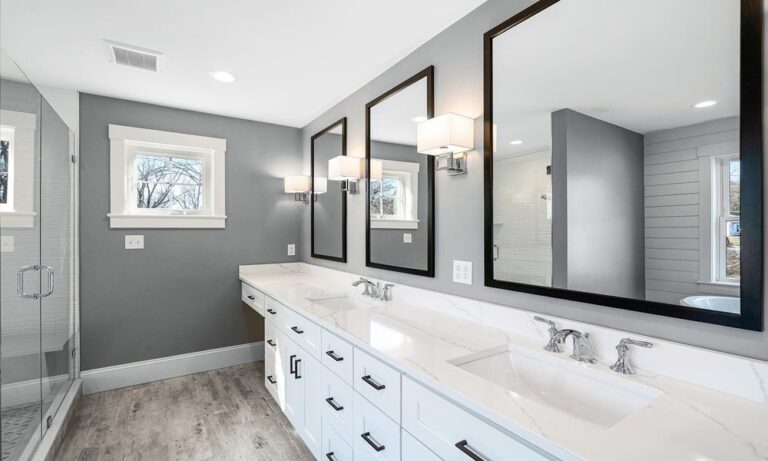
An affordable vanity can look custom with a few creative touches. Add statement lighting, swap out factory hardware for matte black or brushed gold handles, or pair with a bold mirror. Coordinated accessories, like matching soap dispensers or a textured bath mat, can elevate the entire room for minimal spend.

Color and texture make a huge difference. Pairing a walnut vanity with crisp white walls or adding greenery brings life to economical materials. Even budget vanities can handle a DIY paint or hardware upgrade for a more bespoke finish.

Future Trends: What’s Next for Affordable Bathroom Vanities?

Eco-friendly materials are gaining ground, promising green credentials without steep costs. Expect to see more sustainable woods, water-saving sink designs, and low-VOC finishes in budget lines.

Smart vanities, with features like integrated lighting and charging, are trickling down from high-end to affordable ranges. Finally, modular and customizable options will continue to expand, giving buyers the power to mix, match, and personalize at a price that fits most budgets.

A stylish bathroom is within reach for every homeowner, no compromising required.

Organising a significant exhibition presents a formidable challenge. These gatherings, from international trade shows to major public displays, involve thousands of attendees and immense operational scope. They demand a level of precision that goes far beyond simple coordination.

Success hinges on a specialised approach. It requires meticulous planning and strategic foresight at every stage. The sheer scale introduces complexities in budget control, vendor relations, and audience experience.

This comprehensive guide delves into the core components of professional exhibition orchestration. It explores the strategic foundations needed to build a resilient framework. The focus is on seamless execution from initial concept through to final analysis.

Readers will gain insights into managing multiple stakeholders and intricate operational details. The content covers vital areas like marketing alignment and proactive risk mitigation. The goal is to provide a clear roadmap for delivering exceptional outcomes.

Key Takeaways

  • Large-scale exhibitions demand a highly specialised and strategic approach to planning.
  • Success relies on meticulous coordination of complex logistics and numerous stakeholders.
  • Professional management encompasses the entire lifecycle, from initial strategy to post-event analysis.
  • Effective control of substantial budgets is a fundamental pillar of a successful exhibition.
  • Proactive risk management and contingency planning are essential for navigating unforeseen challenges.
  • The attendee experience is a primary focus, requiring careful orchestration of all event elements.

Introduction to Large-Scale Exhibition Management

Large-scale exhibitions present unique operational challenges that differentiate them from smaller functions. These gatherings demand specialised coordination across multiple domains.

Understanding the Scope of Major Events

Major exhibitions typically involve hundreds to thousands of participants. This scale fundamentally changes the management approach required.

Venue complexity increases significantly with multiple interconnected spaces. Exhibition halls, breakout rooms, and outdoor zones must operate simultaneously.

Event ScaleTypical AttendeesVenue ComplexityKey Considerations
Small50-200Single spaceBasic coordination
Medium200-5002-3 spacesModerate planning
Large-scale500+Multiple zonesComprehensive management

Expert Tips from Smart XS Professionals

Smart XS experts emphasise setting realistic expectations from the outset. Proper scope definition prevents operational overload.

They recommend thorough venue assessment before finalising plans. Understanding spatial limitations helps avoid last-minute adjustments.

Effective planning considers attendee flow between different areas. This ensures smooth transitions and positive experiences.

Strategic Foundations for Exhibition Success

Effective exhibition outcomes stem from meticulous strategic groundwork laid during initial phases. This foundational work establishes clear direction for all subsequent activities. It ensures resources align with intended results.

Defining Objectives and Target Audience

A robust strategic planning process begins with precise goal setting. Using the SMART framework creates Specific, Measurable, Achievable, Relevant, and Time-bound targets. This approach provides clear evaluation methods post-event.

Understanding the audience forms another critical component. Comprehensive analysis of attendee demographics and interests enables tailored experiences. This knowledge helps shape content that resonates with participants.

Budget Planning and Timeline Milestones

Financial foresight is essential for exhibition success. Detailed budgets should encompass all anticipated expenses. Allocating 10-15% as contingency funds safeguards against unforeseen costs.

Realistic scheduling with defined milestones maintains project momentum. Breaking the planning process into manageable phases ensures timely completion. Regular communication with stakeholders fosters commitment throughout the journey.

Early engagement with sponsors and vendors provides valuable insights. Their input during the strategic planning phase refines objectives. This collaborative approach enhances the final experience for all involved.

event logistics and project management for large-scale exhibitions

Translating complex exhibition blueprints into seamless on-site experiences demands sophisticated coordination systems. This phase represents the critical junction where strategic planning meets practical execution.

Coordinating Complex Operational Tasks

Effective large-scale event management requires meticulous orchestration of numerous moving parts. The logistical framework must ensure every component functions harmoniously.

Venue coordination involves detailed space allocation and staff positioning. Breakout rooms, registration areas, and technical spaces need optimal configuration. This supports all planned activities smoothly.

Breaking down complex operational tasks into manageable components is essential. Clear deadlines and responsibility allocation prevent overlaps. Team members receive assignments based on their specific expertise.

Robust communication plans form the backbone of successful execution. Regular team meetings and reporting systems address issues promptly. Project management tools facilitate real-time collaboration.

Task CategoryResponsibilityTimelineCommunication Method
Venue SetupOperations LeadPre-event WeekDaily Briefings
Vendor CoordinationProcurement TeamOngoingShared Platform
Safety ComplianceHealth & Safety OfficerContinuousChecklist Reports
Attendee ServicesCustomer Experience TeamEvent DaysRadio Communication

Detailed operational documents serve as essential reference guides. Run sheets, task checklists, and contact lists ensure consistency. These resources support all team members throughout the process.

Managing large-scale events successfully hinges on this coordinated approach. Each element from transportation to technical setup requires precise timing. The result is a seamless experience for all participants.

Operational Coordination and Vendor Management

The vendor ecosystem for major gatherings demands strategic relationship management. Multiple service providers must work in harmony to create cohesive experiences.

Catering companies, security firms, and audio-visual suppliers form the core team. Furniture rental and technology providers complete this complex network.

Establishing Clear Contracts and Communication

Detailed contracts protect all parties involved in the exhibition process. Essential elements include deliverables, timelines, and payment terms.

Cancellation policies and liability clauses ensure mutual understanding. Quality standards must be explicitly defined from the outset.

Regular communication with suppliers prevents complications during execution. Timely updates about changes help vendors adjust their services accordingly.

Proactive addressing of questions maintains smooth operations. Quick resolution of issues supports positive outcomes for all stakeholders.

Best Practices from SmartXS Experts

SmartXS professionals emphasise thorough vendor selection processes. They recommend comparing pricing and availability carefully.

Contract negotiation skills are crucial for securing favourable terms. Relationship management extends beyond the initial agreement.

Performance evaluation helps identify reliable partners for future events. Backup plans with alternative suppliers mitigate risks effectively.

Transportation arrangements require meticulous planning for distant attendees. Airport transfers and hotel room blocks need careful coordination.

Clear travel information supports positive participant experiences from arrival. Staff coordination ensures all logistical elements function seamlessly.

Marketing, Communication and Attendee Engagement

Building excitement and attendance requires a comprehensive promotional strategy that connects with target audiences. This involves creating compelling content across multiple channels to generate genuine interest.

Effective communication maintains momentum from initial promotion through post-exhibition follow-up. It ensures participants feel valued throughout their entire journey.

Integrated Marketing and Social Media Tactics

A cohesive marketing approach combines digital platforms with traditional methods. Social media plays a crucial role in building community around the gathering.

Creating shareable content encourages organic reach beyond initial campaigns. Event-specific hashtags help consolidate online conversations.

Regular updates keep potential attendees engaged during the planning phase. Visual content often generates the strongest response across platforms.

Enhancing the Attendee Experience

The participant journey begins with clear pre-event information. Setting accurate expectations builds anticipation while reducing confusion.

During the exhibition, interactive elements maintain engagement levels. Networking opportunities and hands-on activities create memorable moments.

Post-event communication gathers valuable feedback for future improvements. Sharing highlights extends the experience beyond the actual dates.

“The most successful exhibitions create communities, not just audiences.”

Technology supports this continuous engagement through dedicated apps. These tools provide real-time updates and facilitate connections between participants.

Risk Management and Contingency Planning

Unforeseen circumstances can disrupt even the most meticulously planned gatherings, making comprehensive contingency strategies essential. These preparations protect against operational failures and ensure participant safety throughout the programme.

Identifying and Mitigating Potential Risks

Thorough risk assessment identifies hazards across multiple categories. Weather disruptions, technical failures, and security breaches require specific mitigation plans.

Developing detailed contingency plans for each threat enables quick responses. Backup arrangements for venue changes and equipment sources maintain continuity. Financial reserves covering 10-15% of budgets address unexpected costs effectively.

Emergency Response and Security Strategies

Professional security personnel trained in crowd management ensure attendee safety. Venue security measures include surveillance systems and clearly marked emergency exits.

Establish clear emergency response protocols for various scenarios. Medical emergencies, natural disasters, and security threats each demand specific procedures. Staff training ensures calm execution under pressure.

Crowd control measures manage high-traffic areas strategically. Barriers, signage, and designated points minimise accident risks. Trained personnel guide attendees smoothly while responding to questions.

Adequate insurance coverage protects against financial losses from cancellations or accidents. Understanding policy terms ensures comprehensive protection for all stakeholders involved.

Conclusion

The final phase of exhibition management extends beyond the closing ceremony to capture lasting value. This guide has outlined the integrated framework necessary for success, from initial strategy to post-gathering analysis.

Selecting the right venue remains a foundational decision that influences every operational aspect. Thorough evaluation ensures the space aligns with audience expectations and supports seamless logistics.

Meticulous planning across all domains creates the resilience needed to deliver exceptional experiences. The process does not conclude when attendees depart.

Gathering stakeholder feedback through surveys and performance reviews fuels continuous improvement. This documentation provides crucial insights for refining future events.

While complex in scope, mastering this discipline offers significant rewards. Applying these comprehensive strategies enables organisers to create impactful gatherings that achieve their objectives and leave a positive, enduring legacy.

FAQ

What are the key considerations when selecting a venue for a large-scale exhibition?

Choosing the right venue is critical. Organisers must assess capacity, layout flexibility, accessibility, and proximity to transport hubs. They should also confirm the venue’s infrastructure can support technical needs like power, lighting, and internet for all vendors and attendees.

How important is a contingency plan for managing large-scale events?

A robust contingency plan is essential for success. It prepares the team for unforeseen issues, from supplier cancellations to adverse weather. Having clear emergency response protocols ensures attendee safety and minimises disruption, protecting the overall experience.

What strategies enhance attendee engagement before and during an exhibition?

Effective engagement starts with targeted marketing and clear communication. Using social media for updates and teasers builds anticipation. During the event, interactive features, clear signage, and readily available staff to answer questions significantly improve the attendee experience.

How can organisers effectively manage multiple vendors and stakeholders?

Successful coordination relies on establishing clear contracts and maintaining open communication channels. Using a centralised project management system helps track tasks and deadlines. Regular meetings with all parties ensure alignment and provide a forum for feedback and updates.

What role does security play in the planning of a large-scale exhibition?

Security is a fundamental component of risk management. Plans should cover crowd control, access points, and emergency response procedures. Working with professional security personnel helps safeguard attendees, staff, and assets, contributing to a secure and successful event.

If you are moving, it can be pretty pricey and many individuals look for ways to make it more affordable but not at the cost of safety or convenience. Avoid the double charge Nobody likes the idea of paying for two companies, one to move your stuff to a new location, and another to keep it in storage, but hiring a removalist with storage is one of the best saving choices you can make. It has two-part value, one bundling the services which makes it easy, reduce handling, and avoid unnecessary fees. This simple choice will make your move a lot cheaper and here is how.

Why Bundling Makes Sense

With separate moving and storage companies, you pay for transport two times − first for the trip to the storage unit, and second for the trip from the unit to your house. This leads to each loading and unloading process taking twice as much labour, fuel, and time.

A bogged down combined service: everything with one provider. Your items are picked up, kept and brought to you without the need for additional stops that add to costs and time. The entire workflow is efficiently managed by a proficient removalist with storage.

Fewer Trips = Lower Costs

This is one of the most common causes of relocation budget blowouts − multiple trips. Each trip requires:

  • Additional travel time
  • Labour hours
  • Fuel costs
  • Loading and unloading

With a bundled service, the company collects your items at once and delivers them directly to storage. Then when you are ready, they move them directly to your new location. Less KMS, less passengers, less invoices to deal with − one provider.

Reduced Risk of Damage

The greater amount of handling your possession goes through, the greater the risk of something getting damaged. If the item is shipped via more than one company, it could be transferred up to five times before it reaches its final destination. A higher number of transfers means a higher chance of breakage, scratches, and lost boxes.

Less handling − as one team handles everything (removal + storage). This means:

  • Consistent packing quality
  • Proper stacking inside the truck
  • Ensured placement within the storage unit
  • Professional accountability at every stage

Just you do not need to move them, then your stuff is secure and you will save hundreds of money from spare parts replacement and repair.

Faster, More Organised Moving Process

With one team handling both the moving and storage, the process ensures clear communication and timely schedules. Your roles where there is no ambiguity in terms of who does what − or when.

Bundled services offer:

  • One point of contact
  • Clear scheduling
  • Coordinated pickup and delivery
  • For larger or more delicate items better planning

Such coordination alleviates the stress of having to make several arrangements and saves you time, particularly for elaborate moves or short-term setting.

Discounts and Package Deals

Most providers give you a discount on rates if you bundle. With both aspects managed by the organisation, it enables them to present you with competitive pricing which you would lack if you were to separate the pieces of work over two separate agencies.

You may save on:

  • Hourly labour rates
  • Truck hire fees
  • Storage units
  • Additional packing materials

Often, a sizeable moving invoice turns into something much more manageable by selecting a removalist storage package.

Perfect for Delayed Move-Ins

In some cases, your new home simply isn’t prepared yet − improvements, negotiation hold-ups, or lease overlaps occur. Instead of racing to tackle storage as the 11th hour approaches, bundled services serve as a seamless transition.

Your belongings are:

  • Packed
  • Transported
  • Stored safely
  • Delivered when you’re ready

No double-handling. No rush. No unnecessary spending.

Final Thoughts

One of the best ways to save money when moving is to combine your moving and storage needs. A removalist with storage will decrease the costs associated with travelling to your home, cut down on the risk of things being mishandled, and even have a package deal in terms of costs to keep your budget in check. Having everything under one provider translates to a more seamless experience, less hassle, and better ROI overall.

The completion of a renovation project brings both excitement and an overwhelming mess that few homeowners anticipate. Post renovation cleaning services in Singapore address the formidable challenge of transforming a construction zone back into a habitable living space. The dust that coats every surface, the stubborn paint splatters on tiles, and the construction debris lodged in impossible corners all demand attention that goes far beyond routine housekeeping.

Understanding the Post-Renovation Challenge

Construction work leaves behind a distinctive type of dirt that differs fundamentally from everyday household grime. Cement dust possesses an almost insidious quality, settling into textiles, penetrating closed cabinets, and forming a film on surfaces that resists casual cleaning attempts. Paint residues bond tenaciously to unintended surfaces, while adhesive marks from protective coverings prove surprisingly persistent. The sheer volume of debris generated by even modest renovations can overwhelm homeowners who underestimate the cleanup requirements.

Singapore’s climate adds another layer of complexity to post-renovation cleaning. High humidity causes certain construction materials to react differently than they might in temperate regions. Plaster dust absorbs moisture from the air, creating a paste-like residue that standard dry dusting cannot address. Grout haze on newly laid tiles becomes more challenging to remove as humidity affects its chemical composition. These environmental factors make professional intervention not merely convenient but often necessary.

The Professional Cleaning Process

Post renovation cleaning services in Singapore follow systematic protocols designed to maximise efficiency while ensuring thoroughness. The process begins at the highest points and progresses downward, preventing cleaned areas from becoming contaminated by falling debris. This methodical approach reflects an understanding that shortcuts inevitably lead to repeated work and unsatisfactory results.

The initial phase focuses on removing large debris and construction materials that contractors may have left behind. This stage reveals the true extent of the cleaning challenge. What follows involves several distinct operations:

  • Ceiling and wall cleaning to remove dust accumulation and surface marks
  • Light fixture cleaning and sanitisation of switches and outlets
  • Window washing including frames, tracks, and glass surfaces
  • Floor treatment specific to material type and condition
  • Deep cleaning of bathrooms and kitchens including all fixtures and fittings
  • Cabinet interior cleaning and drawer sanitisation
  • Final inspection and touch-up of any missed areas

Specialised Techniques for Different Surfaces

Different materials require distinct cleaning approaches, a reality that professional post renovation cleaning services in Singapore understand intimately. Hardwood floors demand gentle methods that remove construction grime without abrading the finish or leaving moisture damage. Tiles need aggressive grout cleaning followed by polishing to restore their intended appearance. Glass and mirrors require streak-free cleaning that removes both dust and any chemical residues from nearby construction work.

According to experienced cleaning professionals in Singapore, “The most common mistake homeowners make is using incorrect cleaning agents that either fail to remove construction residue or damage newly installed materials.” This observation highlights the technical knowledge required for effective post-renovation cleaning. Acidic cleaners suitable for natural stone can damage engineered surfaces, while alkaline products effective on cement residue may harm certain finishes.

The Dust Problem

Dust removal represents perhaps the most underestimated aspect of post-renovation cleanup. Construction dust consists of fine particles that ordinary household vacuum cleaners cannot capture effectively. These particles become airborne with the slightest disturbance, settling again moments after cleaning appears complete. Professional Post renovation cleaning services in Singapore employ HEPA-filtered vacuum systems that trap particles as small as 0.3 microns, genuinely removing dust rather than redistributing it.

The health implications of construction dust extend beyond temporary discomfort. Silica dust from cutting tiles or concrete can pose respiratory risks, while wood dust from carpentry work may trigger allergic reactions. Chemical residues from paint, sealants, and adhesives contribute to indoor air quality issues that proper cleaning must address. These concerns particularly affect Singapore’s high-density housing, where inadequate cleanup can impact neighbouring units through shared ventilation systems.

Timing and Efficiency

The timeline for professional cleaning varies based on property size and renovation scope. A standard three-bedroom HDB flat typically requires eight to twelve hours for comprehensive post-renovation cleaning, though extensive renovations may demand longer. Efficiency matters not only for homeowner convenience but also for practical reasons related to material protection. Certain construction residues become more difficult to remove as time passes, making prompt cleaning advisable.

Many post renovation cleaning services in Singapore now offer guaranteed turnaround times, reflecting increased market competition and rising consumer expectations. These guarantees provide homeowners with certainty during the already stressful period following renovation completion. The ability to schedule furniture delivery and plan move-in dates depends substantially on reliable cleaning timelines.

Beyond Surface Cleaning

Comprehensive post-renovation cleaning addresses details that casual observation might miss. Air conditioning vents harbour surprising amounts of construction dust that will circulate through the home if not properly cleaned. Kitchen appliances require both external cleaning and internal inspection to remove any dust infiltration. Wardrobes and storage spaces need thorough vacuuming before homeowners unpack clothing and belongings.

The final result of professional cleaning should render the renovated space immediately liveable. Surfaces should feel clean to the touch, not merely look acceptable from a distance. Windows should provide unobstructed views rather than dulled transparency. Floors should shine appropriately for their material type without sticky residues or dull films.

The investment in thorough cleanup protects the larger investment made in renovation itself. Proper cleaning prevents premature wear of new materials and ensures that the renovated space delivers the aesthetic and functional improvements that motivated the project. For Singapore homeowners ready to enjoy their newly transformed living spaces, engaging professional Post renovation cleaning services in Singapore provides the essential bridge between construction completion and comfortable occupancy.

A shutters shop is a place where you can buy shutters for your windows or doors. These shops may be physical stores, online stores, or even both. They more often than not carry a variety of styles, materials, and colours to suit different homes and budgets. Some shops will only sell shutters, while others may offer blinds, curtains, and other window furnishings as well.

Many shutter shops in Australia work directly with local manufacturers or import from overseas suppliers. Some offer custom-made shutters, which are made to fit your exact window size, while others sell ready-made options that are quicker to deliver but may not be a perfect fit. A good shop will usually have a display area or samples so you can see and feel the products before you buy.

If you’re looking for a trusted shutters shop in Newcastle, make sure they offer both quality products and helpful advice based on your needs and space.

Types of Shutters You Can Find

Most shutter shops will have a few popular styles available. Plantation shutters are the most common. These feature wide slats, which you are able to tilt open and shut to let light in or block it out. They’re popular in bedrooms, kitchens, and lounge rooms because they look neat and are easy to clean.

Some stores also have outdoor shutters, available in most cases in aluminium. These are solid and constructed to withstand extreme weather conditions, such as high winds or heavy rain. They are commonly used on patios, balconies, or around pools. Other products include PVC shutters, which are waterproof and ideal for wet areas, such as bathrooms or laundries.

Some shutter shops also sell roller shutters, mainly for security or to keep out noise and sun. These roll down over the window and are controlled, generally, by a switch or remote.

Services You Might Expect

Many shutter shops offer a lot more than just sales. A good shop will help you choose the right shutter style, take the measurements, and arrange for installation. Some will offer in-home consultations where someone comes into your home to suggest the best option and take sizes. Others may have installers they work with regularly, as well as give you the option to install shutters yourself.

If the store is online, it may have guides or videos that teach you how to measure correctly. Some shops also have online tools where you can enter your window sizes and get an instant quote. Whether you’re buying in-store or online, it’s worth checking if the shop offers warranties on their products and whether there’s any after-sales support if something goes wrong.

How to Choose the Right Store

Not all shutter shops offer the same degree of service or level of quality. Some focus on cheaper shutters that are imported and mass-manufactured, while others deal with local, custom-made options that take a little longer but usually last longer too. If you’re after something to fit perfectly and appear built-in, then usually a shop that specialises in made-to-measure shutters is a safer choice.

Look for shops with clear pricing, honest advice, and good reviews. If you’re unsure about what material or style to go for, a helpful staff member should be able to walk you through the pros and cons without pushing you into a sale. It’s also worth asking how long delivery will take, and what happens if a shutter arrives damaged or doesn’t fit properly.

Local vs. Online

Some people are still fond of visiting a shutters shop and seeing the product for themselves, together with talking to someone face-to-face. Others like the ease of ordering online, especially if the website is clear and easy to use. Online shops sometimes offer better prices, as they do not have such overheads, but make sure they offer enough support if you run into problems.

If you are based in a regional area or smaller town, an online shutters shop might be your best option. However, if you have a local shop nearby, it can be handy to have someone close by if you need help or want to make changes to your order.