Tag

manufacturer

Browsing

Roofing advice travels by word of mouth, and a lot of it is wrong. Some myths are harmless. Others quietly drain your savings through higher power bills, missed insurance deadlines and replacements that happen years too early or too late. Before you talk to a contractor such as Mighty Oak Roofing about your own roof, it helps to sort fact from folklore.

Myth 1: Roof Color Is Only About Looks

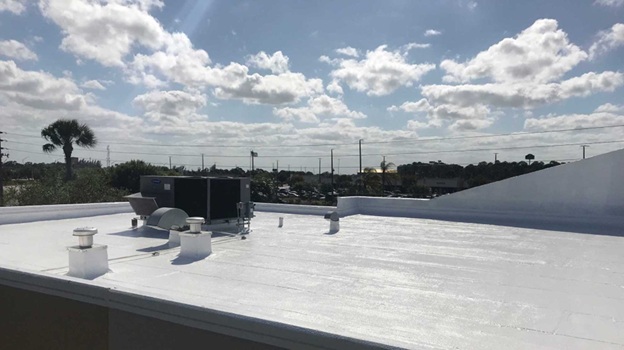
In Florida, color is partly a cooling decision. Dark surfaces soak up sunlight and pass that heat into the attic, which makes your air conditioner work harder through the long summer. Reflective roofing does the opposite. The U.S. Department of Energy has explained that cool roofs reflect more sunlight and shed heat more efficiently, which can lower cooling demand.

The savings depend on your insulation, attic ventilation and the roofing material, so treat any promised percentage with caution. Still, if you are choosing a replacement, a lighter or reflective option deserves a fair look before you default to charcoal gray.

Myth 2: No Leak Means No Problem

By the time water shows up on a ceiling, it has usually already passed through shingles, underlayment and decking. A roof can lose its protective granules, crack around flashing or develop soft spots in the deck without a single drip inside the house.

That is why a yearly look matters more than waiting for a symptom. A short inspection costs far less than replacing wet insulation and rotted plywood, which is what a slow leak eventually demands.

Myth 3: The Warranty Tells You How Long the Roof Will Last

A warranty number on a shingle bundle is a legal promise, not a lifespan prediction. Many manufacturer warranties are prorated, which means the payout shrinks as the roof ages. Many also exclude damage from high winds above a set speed, or from poor installation.

There are really two warranties to understand. One covers the materials. The other covers the labor and workmanship of whoever installed them. When a roof fails early, installation errors are a common cause, so the workmanship coverage and the company behind it matter at least as much as the shingle brand. Ask to see both in writing.

Myth 4: Storm Damage Is Always Obvious

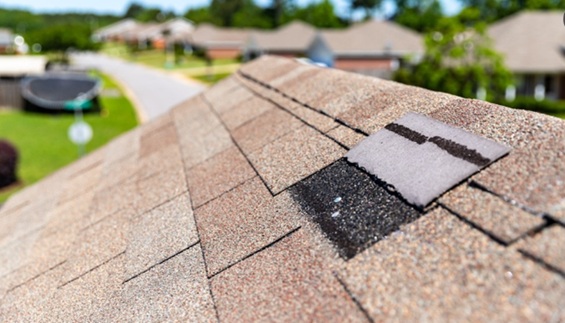
After a hard wind, most people look for missing shingles. The subtler harm is easier to miss: shingles with broken seal strips that have not blown off yet, creased tabs, bent flashing, and loosened vent boots.

These small failures often turn into leaks weeks later, long after the storm has faded from memory. Insurance policies commonly have time limits for reporting storm damage, and those limits vary by insurer and policy. If a significant storm has passed over your area, an inspection soon afterward gives you documentation while the evidence is fresh. Take dated photos of anything you can see from the ground, and keep copies of every report.

Myth 5: The Lowest Bid Is the Smartest Bid

Two roofing quotes can look similar and describe very different jobs. One might include new drip edge, quality underlayment, proper ventilation and replacement of any rotted decking. The other might quietly leave those items out and mention them only when the crew is already on your roof, as extras.

Compare bids line by line rather than by the bottom number. Look for:

  • The exact materials and underlayment named, not just “shingles”
  • How damaged decking will be handled and priced
  • Who handles permits and cleanup
  • The length and terms of the workmanship warranty

A bid that is noticeably cheaper than the rest usually saves money in one place by costing you somewhere else.

Myth 6: Roof Replacement Can Wait Until It Is Obvious

Putting off a replacement feels thrifty, but an aging roof tends to fail on its own schedule, often during the exact storm you hoped to avoid. Planning ahead lets you pick your season, collect several estimates and choose materials calmly. An emergency tarp job after a storm leaves you with far less leverage and far fewer choices.

That does not mean replacing a healthy roof early. It means knowing where yours stands. An honest inspection can tell you whether you have two years left or ten, and that answer lets you budget instead of panic.

A Fair Word of Caution

No list of myths can replace a person standing on your roof. Every home has different framing, ventilation and exposure, and the right call depends on what an inspector actually finds. Use this article to ask sharper questions, not to skip the inspection. Get at least two written opinions on any major repair, verify each contractor’s Florida license and insurance yourself, and keep your own records. A little skepticism now is the cheapest roof protection there is.

Drive Chapman Highway from the Knox County line toward Sevierville and the land changes every few minutes. Open pasture turns into subdivisions, subdivisions climb into wooded ridges, and creek bottoms dip low enough to hold fog well into the morning. Two houses built the same year with the same shingles can age at completely different speeds depending on which of those settings they landed in.

That matters most when the old roof finally comes off. A replacement is the one moment in a house’s life when everything under the shingles is exposed, and the smartest upgrades are the ones that answer to the lot itself rather than to a generic product sheet.

Homeowners planning a roof replacement in Seymour usually compare shingle colors and prices first, but the more useful question is what their particular piece of ground has been doing to the roof for twenty years. Restoration companies spend their days in the aftermath of that question. Bravo Restorations, a storm damage and home renovation firm serving homes and businesses across the Minneapolis and St. Paul area, is one example of the kind of crew that sees how storms and site conditions team up to undo a roof that was never built for where it sits.

Ridge Lots Fight the Wind First

Houses on the higher ground around Seymour get the views, and they also take the full force of the wind when spring and summer thunderstorms roll in from the west. On these roofs, damage tends to start at the edges. Shingles along the rakes and eaves lift first, then the wind gets underneath and peels them back row by row.

A replacement on an exposed lot is the time to ask for shingles with a higher wind rating and the extra nailing pattern the manufacturer requires to earn it. Starter strips with a sealant line belong along both the eaves and the rake edges, not just at the bottom of the roof. Ridge vents should be a style rated for wind driven rain, because a cheap vent on a hilltop can let water blow straight into the attic.

Wooded Hollows Hold Water Longer

The shaded lots tucked into the trees have a different enemy. Leaves, needles, and constant shade keep the roof surface damp long after a rain, and that steady moisture feeds moss and the dark algae streaks so common across East Tennessee. Debris also piles up in valleys, where it acts like a small dam and pushes water sideways under the shingles.

Shaded roofs are the ones most likely to hide soft decking. Once the tear off begins, these are the things worth checking before any new material goes down:

  1. Decking around valleys, chimneys, and the lowest course of the eaves, where wet debris sits longest
  2. Fascia boards behind gutters that have overflowed for years
  3. The underside of the deck from inside the attic, looking for dark stains or mildew
  4. Branches that now hang directly over the roof and should be cut back before the crew starts

On these lots, algae resistant shingles with copper granules are worth the small upcharge, and a self adhering ice and water membrane in every valley protects the spot where leaves will inevitably collect again.

Open Subdivision Lots Cook in the Sun

Many of the newer neighborhoods sit on cleared farmland with hardly a tree in sight. These roofs dry fast and stay clean, but they bake through long humid summers. Heat ages asphalt shingles from both directions, from the sun above and from a hot attic below.

The upgrade that pays off most here is balanced ventilation. A roof with plenty of ridge vent but blocked or missing soffit intake cannot move air the way it should, and the attic ends up holding heat the shingles feel all afternoon. A good contractor will measure both intake and exhaust and correct the imbalance during the replacement. Many shingle warranties also expect adequate ventilation, so fixing it protects the paperwork as well as the roof.

Creek Bottoms Breathe Damp Air

The low ground along Boyds Creek and the other streams feeding the French Broad stays humid even in dry weather. Moisture rises into attics there, and it finds help from inside the house. Bathroom fans that vent into the attic instead of outdoors are one of the most common hidden problems in older homes, and they quietly soak insulation and roof decking every time someone showers.

A replacement is the easiest point to route those fans through the roof with proper vent caps. It is also a good time to look for rusty nail tips poking through the deck in winter, which is a sign that warm, wet air is condensing on cold surfaces overhead.

The County Line Changes the Paperwork

Seymour has no city government. The community sits across the corner where Sevier and Blount counties meet, with Knox County just to the north, and that geography affects the rules for hiring a roofer.

Tennessee requires a full contractor license for any project of $25,000 or more. Below that amount, a separate home improvement license applies only in counties that adopted it, and according to the Tennessee Board for Licensing Contractors, that list includes Knox but not Sevier or Blount. In practice, that means many typical roof replacements in Seymour fall into a range where state licensing is not required at all, so checking insurance, references, and local permit rules with the county building office matters even more.

The same state page notes that roofers paid through insurance claims must put certain protections in writing. The contract has to give the homeowner three days to cancel, list the company’s address, phone, email, and license number, and describe the repairs in detail. After a hailstorm, when out of town crews start knocking on doors, those requirements become a simple way to tell an organized business from a stranger with a ladder.

Reading the Ground Before Reading the Estimate

Every lot in Seymour tells you something if you look at it closely. Count the trees overhead, notice which way the storms usually come from, and remember where fog lingers on cool mornings. A roof replacement that answers those details will likely outlast one chosen by color swatch alone. The estimate should reflect the land the house actually sits on, and the right crew will ask about it before you even bring it up.

Mattress spec sheets have a habit of listing terms that sound impressive without explaining what they actually mean for how the mattress feels or performs. Pocket springs, latex density, layer counts, these terms get thrown around in marketing copy often enough that shoppers absorb a rough impression of what they mean without ever having it properly explained. That gap between impression and reality causes more mismatched mattress purchases than any lack of research effort on the buyer’s part.

1. “More Pocket Springs Always Means Better Support”

A higher spring count sounds like an obvious upgrade, but spring count alone doesn’t determine support quality without considering spring gauge, zoning, and how springs are arranged across different areas of the mattress. Luxury mattresses with fewer, well-engineered zoned springs can outperform one with a higher raw count but no differentiated support across the shoulders, lumbar area, and legs.

2. “Latex and Memory Foam Provide the Same Kind of Support”

These two materials behave quite differently under body weight. Memory foam contours slowly and retains an impression briefly after pressure is removed, while latex responds more quickly and springs back to shape almost immediately. Buyers assuming these terms are interchangeable descriptions of “foam” often end up surprised by how differently the two actually feel once lying on them.

3. “Firmer Always Means More Supportive”

Firmness and support are related but distinct properties. A mattress can feel firm to the touch while still failing to properly support spinal alignment if its internal structure doesn’t respond correctly to different body weights and pressure points. Genuine support depends on how well a mattress keeps the spine in a neutral position throughout the night, not simply how much resistance it offers when pressed.

4. “Natural Latex Is Always Better Than Synthetic Latex”

Natural latex has genuine advantages in durability and breathability, but synthetic or blended latex isn’t automatically inferior in every luxury mattress, and some blends are specifically engineered to balance cost, performance, and specific firmness characteristics that pure natural latex doesn’t always achieve as precisely. The right choice depends on what specific qualities a buyer is prioritising rather than assuming “natural” universally outperforms every alternative.

5. “Higher Pocket Spring Count Means a Noisier Mattress”

Some buyers assume more springs mean more potential for squeaking or noise over time, but individually wrapped pocket springs are specifically designed to move independently and reduce the kind of noise transfer associated with older, interconnected coil systems. A well-constructed pocket spring mattress from a reputable furniture in Singapore retailer is typically quieter over years of use than older coil-based designs, not noisier.

6. “A Thicker Mattress Automatically Means Better Quality”

Overall mattress thickness is often used as a shorthand for quality in marketing materials, but thickness alone says little about the quality of individual layers or how they work together. A thinner mattress with well-engineered layering can outperform a thicker one padded largely with lower-quality filler material between the surface and the support core.

7. “All Luxury Mattresses Use the Same Basic Construction With Minor Differences”

Buyers sometimes assume that once they’ve understood one luxury mattress’s construction, they’ve essentially understood them all, with differences limited mainly to marketing and price. In reality, layer arrangement, zoning technique, and the specific combination of materials used vary considerably between manufacturers, meaning genuinely different sleep experiences exist across mattresses that might appear similar on a spec sheet at first glance.

Quick Facts Worth Remembering

  • Spring count alone doesn’t determine support quality without considering zoning and gauge
  • Latex and memory foam respond to pressure very differently despite both being called “foam”
  • Firmness and spinal support are related but not the same property
  • Individually wrapped pocket springs are generally quieter than older interconnected coil systems

Reading Past the Spec Sheet

Understanding these seven points doesn’t require becoming a mattress construction expert, but it does help shoppers ask more useful questions when comparing options rather than defaulting to whichever spec sheet lists the most impressive-sounding numbers. When exploring luxury mattresses in Singapore, testing a mattress in person and asking directly how its specific springs and materials are arranged tends to reveal far more than the terminology on a printed label ever will.

Contact Casa Concetto to explore our range of luxury mattresses and get a clearer explanation of how each one’s construction actually supports your sleep.

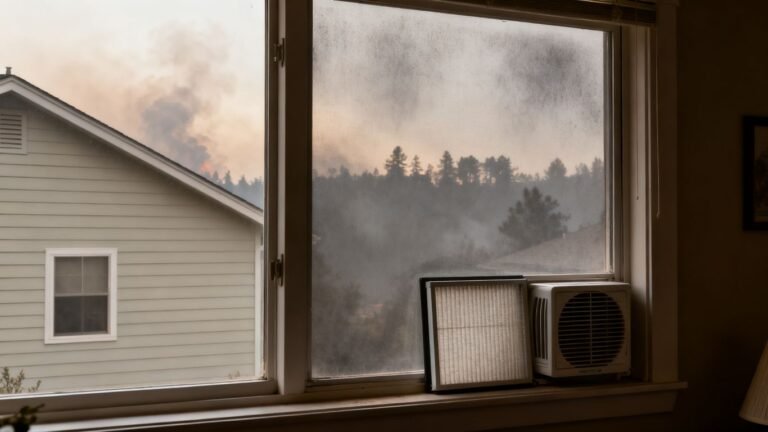
Wildfire smoke can affect a home even when flames are nowhere nearby. The amount that gets inside depends on the building, the weather, and how long smoke hangs in the area. Once indoors, particles and gases may settle on surfaces or circulate through rooms and ventilation equipment.

Fine particles, gases, and residue in smoke

Smoke is a changing mixture of fine particles and gases, with residue left behind as airborne material settles. Some particles are small enough to travel with air currents and reach indoor spaces; the quantity and composition vary with the fire and surrounding conditions. For occupants, smoke is also a health concern, and MDHHS provides wildfire smoke health guidance on reducing exposure.

Common pathways through which smoke gets indoors

Smoke can enter through ordinary openings and gaps, not only through a window left open. Its path may be difficult to notice while the event is underway, especially when the home appears closed up. Common routes include:

  • Open windows and exterior doors, including brief entries and exits.
  • Gaps around window frames, doors, and other building joints.
  • Outdoor-air intakes or other openings connected to ventilation equipment.
  • Leaks around utility lines, vents, or penetrations through exterior walls.

These routes do not affect every home equally, and one pathway may matter more during a particular smoke event. Sealing obvious gaps can help limit air leakage, but it does not remove smoke that has already entered or settle the question of indoor air quality.

Weather and building conditions that affect smoke intrusion

Wind can push smoke toward openings and create pressure differences around a building. Indoor-outdoor temperature differences, the condition of weatherstripping, and the operation of exhaust fans or ventilation systems may also influence how air moves. A home’s age alone does not determine its exposure: maintenance, construction details, and the timing of doors or windows being open can all play a part.

How smoke damages a home’s exterior

A home’s exterior is directly exposed to smoke-laden air, so deposits may form even when the building remains closed. The amount left behind depends on exposure, surface type, and whether rain or wind has moved material away. A faint film may be easy to overlook, while more noticeable deposits can change the appearance of finishes and outdoor objects.

Soot and residue on siding, windows, and doors

Soot and other particles can settle on siding, window glass, frames, and exterior doors. They may appear as a dark film or uneven smudges, particularly around sheltered edges and trim. The visible deposit is only one clue; a surface may also retain odor after the particles are no longer easy to see.

Discoloration and wear on paint and other finishes

Smoke residue can make light-colored paint look dull or stained, and cleaning attempts may affect delicate or aging finishes. The result varies with the material and the length of exposure, so a mark should not automatically be treated as permanent damage. Testing a small, inconspicuous area with a gentle cleaning method can help reveal whether the finish tolerates it.

Smoke deposits on roofs, decks, and outdoor equipment

Roofing, decks, railings, patio furniture, and equipment can collect smoke deposits, especially on surfaces sheltered from rainfall. Outdoor fabrics and porous materials may hold odor more readily than smooth, washable surfaces. A careful look around roof edges, gutters, and outdoor fixtures can help identify areas that need attention without assuming every deposit requires replacement.

How smoke affects indoor surfaces and belongings

What happens indoors depends on how much smoke entered and where it traveled. Smooth surfaces may show a removable film, while fabrics and other absorbent materials can retain odor after visible residue is cleaned away. Visible residue is not the whole story: odors, discoloration, or a change in how an item feels may also indicate exposure.

Residue on walls, ceilings, and hard surfaces

Smoke particles can settle on walls, ceilings, counters, floors, and other hard surfaces. Deposits may be more apparent near openings or in areas where air circulation carries particles, though residue can be subtle and uneven. Cleaning should be matched to the surface; too much moisture or an abrasive product can damage paint, coatings, or finishes.

Smoke absorption by carpets, furniture, and other porous materials

Carpets, upholstery, mattresses, curtains, and unfinished wood can absorb smoke compounds and hold odors. The depth of the material and the degree of exposure affect how difficult it is to clean. A surface treatment may improve an item’s condition, but persistent odor can indicate that material deeper within it still needs attention.

Damage to electronics, clothing, and stored items

Fine residue may collect on electronics and around vents or openings, where careless wiping can push particles farther into a device. Clothing, linens, books, and items stored in open containers can also acquire smoke odor. Before cleaning or discarding belongings, it can help to sort items by material and condition; delicate or valuable possessions may need specialized care.

How smoke affects heating, ventilation, and air conditioning

Heating, ventilation, and air conditioning equipment can interact with smoke that has entered the home or been drawn in from outdoors. Filters may collect particles, while other parts of a system can be exposed depending on its design and operation. Smoke-related changes do not necessarily mean equipment has failed, but a filter or odor change can be a reason to look more closely.

Smoke particles trapped in HVAC filters

A filter may capture some airborne particles as air passes through it, and visible darkening can occur after heavy smoke exposure. A filter’s appearance alone cannot measure indoor air quality or show whether the system is clean. The filter type, system design, and operating conditions all affect what it catches.

Residue and odors inside ducts and air handlers

If smoke-laden air moves through a system, residue or odor may be present in components such as ducts or the air handler. A lingering smell when the system runs can be a useful observation, but odor by itself does not establish where residue is located or whether cleaning is needed. Inspection can help distinguish a filter issue from a concern involving other components.

When to replace filters or arrange a system inspection

Filter replacement should follow the equipment and filter manufacturer’s directions, including any limits on filter type or fit. A homeowner can check the filter for visible loading and confirm that it is seated correctly, without assuming that a denser filter is suitable for every system. If odors persist, airflow changes, or visible residue appears in accessible components, an HVAC professional can assess whether inspection or service is appropriate.

Why wildfire smoke damage can linger

Smoke exposure may leave effects that are not resolved by one quick cleaning. Particles can settle in less visible places, and odor may remain in materials that absorb and release it over time. The persistence of a problem depends on the exposure and the surfaces involved, so a measured assessment is often more useful than repeated, broad cleaning.

Odors embedded in porous materials

Soft furnishings, carpets, and other porous materials can retain smoke odor after the air has cleared. Odors may become noticeable again as rooms warm up or air moves through the material. If a smell returns after surface cleaning, the source may be within the material rather than on its exposed face.

Hidden residue in cavities and behind fixtures

Residue can collect in places that are not routinely visible, including recesses, cabinet interiors, and areas behind or beneath fixtures. These locations may be missed during a quick visual check, but that does not mean every hidden space has been affected. If odors or deposits persist without an obvious source, a qualified inspection can help determine whether further investigation is warranted.

Cleaning methods that can spread residue or worsen damage

Dry brushing, vigorous wiping, or using an unsuitable cleaner can spread particles or mark a surface. Water can also cause problems on materials that should not be saturated, and strong fragrances may mask rather than remove an odor. Before cleaning a larger area, identify the material and test an appropriate method in a discreet spot; stop if the finish changes or residue smears.

How to assess and address wildfire smoke damage

A careful assessment begins with observations, not assumptions about how much damage must be present. The building’s exterior, rooms, belongings, and HVAC equipment can be checked separately, since each may show different signs. A written record of conditions and actions taken also makes it easier to explain what was found and when.

Signs that indicate smoke has reached the home

Possible signs include a persistent smoke odor, a film on indoor surfaces, soot near openings, or a filter that has collected unusual visible residue. No single sign confirms the extent of exposure, and an odor can persist even where deposits are hard to see. Comparing rooms and noting where signs are strongest can help narrow down likely entry routes or affected materials.

When professional inspection or testing may be appropriate

Professional help may be useful when odors continue after reasonable cleaning, residue appears in inaccessible areas, or HVAC concerns remain unresolved. Testing is not automatically necessary in every home; its value depends on the question being asked and whether the results would guide a decision. When choosing an inspector or restoration professional, it is reasonable to ask what the assessment covers and what the findings can and cannot establish.

Cleaning, restoration, and documenting damage for insurance claims

Start by photographing visible conditions and making a dated list of affected rooms, surfaces, and belongings before cleaning or disposal. Keep receipts and notes about filter changes, professional visits, and cleaning steps, and check the policy or contact the insurer about documentation requirements. Cleaning can then be planned according to the material and the extent of residue; items or areas that remain odorous or visibly affected may warrant assessment by a restoration professional.

Online Resources

Tough, set-in carpet stains can make even the nicest room feel neglected. Enter one of the simplest, most budget-friendly DIY combos hiding in your kitchen: baking soda and salt.

Together, they create a powerful, natural pre-treatment or spot cleaner that’s safe for most carpets when used carefully, and costs pennies compared to store-bought solutions.

In the following sections, we’ll show you exactly how to mix and apply this duo for maximum effect on tough stains

Why Baking Soda and Salt Work So Well

Baking soda has long been valued for its gentle cleaning properties and powerful ability to neutralise odours. Its fine, mildly abrasive texture allows it to lift residue from carpet fibres without causing damage.

At the same time, it absorbs unwanted smells, leaving carpets fresher rather than simply masked with fragrance.

Salt plays a complementary role by drawing moisture out of spills and stains. This makes it particularly effective for liquid-based marks such as coffee, wine, or tea.

When used together, baking soda loosens and deodorises while salt absorbs and stabilises the stain, creating a balanced and effective cleaning combination.

Choosing this method over commercial carpet cleaners reduces chemical exposure in your home and supports a more sustainable cleaning routine.

It is a sensible option for families with children or pets, and offers a cost-effective alternative to shop-bought products without compromising on results.

Match the Cleaning Method to Your Carpet Type

Before applying any cleaning mixture, it is essential to consider the type of carpet you are working with.

Synthetic fibres such as nylon and polyester generally tolerate baking soda and salt well and respond positively to this method. In contrast, natural fibres, including wool and cotton, are more delicate and require a gentler approach.

Always test the mixture on a discreet area first, such as inside a wardrobe or beneath furniture. Apply a small amount, leave it to sit, then vacuum and check for colour changes or texture damage. This simple step helps prevent costly mistakes.

For deep-set stains across larger areas, a carpet washing machine may assist with synthetic carpets, provided moisture levels are kept under control.

Delicate, antique, or silk rugs should be treated with extra care, and professional rug cleaning may be the safest option in these cases. Manufacturer labels can also offer valuable guidance on suitable cleaning methods.

Prepare Your Carpet for Best Results

Start by thoroughly vacuuming the affected area to remove loose dirt, dust, and debris. This ensures the baking soda and salt can work directly on the stain rather than surface particles. Skipping this step can reduce the overall effectiveness of the treatment.

Once the area is clean, lightly sprinkle the baking soda and salt mixture over the stain, making sure it is fully covered.

Allow it to sit for at least thirty minutes, or longer for more stubborn marks. During this time, the mixture absorbs moisture and begins breaking down the stain.

Afterwards, gently work the powder into the carpet using a soft brush. Avoid aggressive scrubbing, especially on delicate fibres. Once the area has dried completely, vacuum thoroughly to remove the residue along with the absorbed stain.

Tips for Maximising Cleaning Effectiveness

Layered treatment often works best for persistent stains. Applying the baking soda and salt mixture first can lift much of the residue before any stronger cleaning steps are needed.

For particularly stubborn marks, leaving the mixture on overnight can improve results significantly.

Use restraint when applying the powder. A light, even sprinkle is more effective than excessive coverage, which can leave residue behind and attract dirt later. If the stain remains after the first attempt, repeat the process rather than increasing the amount used.

Speed matters when dealing with spills. Addressing stains as soon as they occur gives you a much better chance of removing them fully and keeping your carpets looking fresh for longer.

Refresh Upholstery and Neutralise Odours

Baking soda and salt are not limited to carpets alone. They can also help freshen upholstered furniture such as sofas and armchairs. Lightly sprinkle the mixture over the surface, allow it to sit for a short time, then hoover thoroughly to lift odours and dust.

Using this method between deeper cleans helps maintain a pleasant scent throughout the home with minimal effort. Curtains and other fabric furnishings can also benefit from careful application, provided they are suitable for dry cleaning methods.

Follow Sensible Safety Measures

Although baking soda and salt are natural substances, it is still wise to wear gloves if you have sensitive skin. Keep the mixture out of reach of children and pets, and avoid inhaling fine powders during application.

Do not mix baking soda and salt with other cleaning agents, particularly acidic substances such as vinegar, as this can cause unwanted reactions and reduce effectiveness.

Ensure Good Ventilation

Good airflow supports effective drying and helps prevent lingering moisture in carpet fibres. Open windows or use an extractor fan while cleaning to keep the space well ventilated.

When you’re done, you might still have some cleaning powder. Any unused mixture should be stored in an airtight container to protect it from moisture and preserve its cleaning properties for future use.

When to Call in Carpet Cleaning Professionals

While DIY methods are ideal for everyday stains and maintenance, some situations call for expert care.

Deep-set stains, widespread discolouration, or delicate carpets often benefit from professional treatment.

Booking on site carpet cleaning professionals ensures thorough results using specialised equipment and techniques. Your carpets will look sharp for years to come.

Conclusion

Who knew your kitchen pantry held such a dynamic stain-fighting team? Baking soda and salt together offer an affordable, eco-friendly way to attack tough carpet stains.

Whether you sprinkled the dry mix or combined it with vinegar for that extra boost, you’ve proven that effective cleaning doesn’t have to be complicated or costly.

Your carpets will thank you with renewed freshness and appearance-and your wallet will stay happy too. Now you can enjoy your cleaner, brighter space… and maybe keep a salt shaker handy for the next inevitable mishap!

A shutters shop is a place where you can buy shutters for your windows or doors. These shops may be physical stores, online stores, or even both. They more often than not carry a variety of styles, materials, and colours to suit different homes and budgets. Some shops will only sell shutters, while others may offer blinds, curtains, and other window furnishings as well.

Many shutter shops in Australia work directly with local manufacturers or import from overseas suppliers. Some offer custom-made shutters, which are made to fit your exact window size, while others sell ready-made options that are quicker to deliver but may not be a perfect fit. A good shop will usually have a display area or samples so you can see and feel the products before you buy.

If you’re looking for a trusted shutters shop in Newcastle, make sure they offer both quality products and helpful advice based on your needs and space.

Types of Shutters You Can Find

Most shutter shops will have a few popular styles available. Plantation shutters are the most common. These feature wide slats, which you are able to tilt open and shut to let light in or block it out. They’re popular in bedrooms, kitchens, and lounge rooms because they look neat and are easy to clean.

Some stores also have outdoor shutters, available in most cases in aluminium. These are solid and constructed to withstand extreme weather conditions, such as high winds or heavy rain. They are commonly used on patios, balconies, or around pools. Other products include PVC shutters, which are waterproof and ideal for wet areas, such as bathrooms or laundries.

Some shutter shops also sell roller shutters, mainly for security or to keep out noise and sun. These roll down over the window and are controlled, generally, by a switch or remote.

Services You Might Expect

Many shutter shops offer a lot more than just sales. A good shop will help you choose the right shutter style, take the measurements, and arrange for installation. Some will offer in-home consultations where someone comes into your home to suggest the best option and take sizes. Others may have installers they work with regularly, as well as give you the option to install shutters yourself.

If the store is online, it may have guides or videos that teach you how to measure correctly. Some shops also have online tools where you can enter your window sizes and get an instant quote. Whether you’re buying in-store or online, it’s worth checking if the shop offers warranties on their products and whether there’s any after-sales support if something goes wrong.

How to Choose the Right Store

Not all shutter shops offer the same degree of service or level of quality. Some focus on cheaper shutters that are imported and mass-manufactured, while others deal with local, custom-made options that take a little longer but usually last longer too. If you’re after something to fit perfectly and appear built-in, then usually a shop that specialises in made-to-measure shutters is a safer choice.

Look for shops with clear pricing, honest advice, and good reviews. If you’re unsure about what material or style to go for, a helpful staff member should be able to walk you through the pros and cons without pushing you into a sale. It’s also worth asking how long delivery will take, and what happens if a shutter arrives damaged or doesn’t fit properly.

Local vs. Online

Some people are still fond of visiting a shutters shop and seeing the product for themselves, together with talking to someone face-to-face. Others like the ease of ordering online, especially if the website is clear and easy to use. Online shops sometimes offer better prices, as they do not have such overheads, but make sure they offer enough support if you run into problems.

If you are based in a regional area or smaller town, an online shutters shop might be your best option. However, if you have a local shop nearby, it can be handy to have someone close by if you need help or want to make changes to your order.

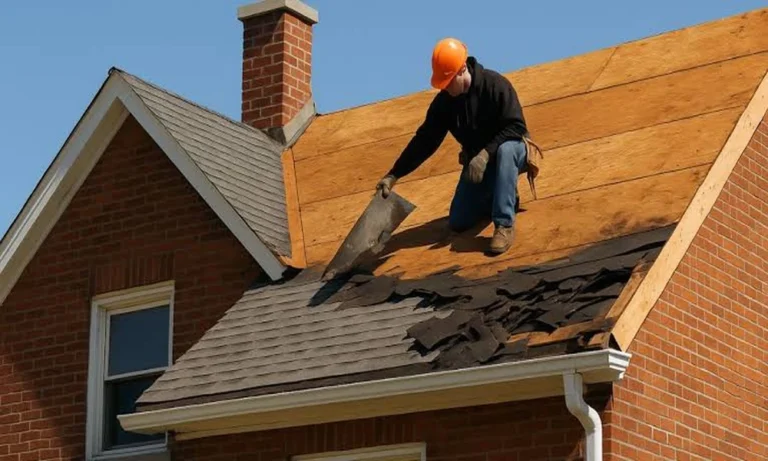
A shingle roof replacement is one of the most significant investments you can make to protect your home. When done right, it enhances curb appeal, improves energy efficiency, and provides years of reliable protection. However, even small mistakes during the replacement process can lead to costly repairs, leaks, or premature roof failure. Understanding the most common errors homeowners and contractors make can help you avoid them and ensure a successful project.

1. Ignoring the Roof Inspection

Before replacing your shingles, a thorough roof inspection is essential. Skipping this step can lead to replacing shingles over underlying issues such as rotted decking, mold, or poor ventilation. A professional inspection helps identify hidden damage, allowing for proper repairs before new shingles are installed — ensuring the new roof lasts longer.

2. Choosing the Wrong Materials

Not all shingles are created equal. Homeowners often make the mistake of choosing based solely on price or appearance. It’s important to consider durability, warranty, and climate compatibility. For example, in Florida’s humid and storm-prone climate, asphalt shingles with algae resistance and high wind ratings perform best. Always select materials suited to your region and budget without compromising quality.

3. Poor Ventilation and Insulation

Roof ventilation plays a vital role in preventing heat and moisture buildup in the attic. Without proper airflow, shingles can warp, crack, or deteriorate prematurely. During replacement, ensure that ridge vents, soffit vents, or other ventilation systems are properly installed. Pairing good ventilation with adequate insulation helps extend the roof’s lifespan and improves overall energy efficiency.

4. Reusing Old Flashing or Underlayment

Reusing old flashing, nails, or underlayment to save money is a common but costly mistake. These components protect your home from leaks and water damage. Old materials can be weakened or corroded, compromising the new roof’s integrity. Always replace all flashing, sealants, and underlayment during roof replacement for maximum protection.

5. Improper Installation Techniques

Even the best shingles will fail if they’re installed incorrectly. Mistakes such as incorrect nail placement, poor alignment, or uneven sealing can cause leaks and lift shingles during high winds. Hiring an experienced and licensed roofing contractor ensures your roof is installed according to manufacturer specifications and local building codes.

6. Neglecting Cleanup and Final Inspection

Once installation is complete, a professional contractor should perform a final inspection and cleanup. Leaving behind loose nails, debris, or improperly sealed areas can cause safety hazards and performance issues. A final inspection ensures the job meets quality standards and that every detail is properly finished.

7. Failing to Hire a Qualified Contractor

Perhaps the most critical mistake is hiring an unlicensed or inexperienced roofer. Always research reviews, verify licenses and insurance, and ask for references before signing a contract. A qualified roofing company provides warranties, follows safety standards, and delivers long-term results you can trust.

Final Thoughts

A successful shingle roof replacement depends on careful planning, quality materials, and expert installation. Avoiding these common mistakes will save you time, money, and stress — while ensuring your home stays protected for years to come. Whether you’re replacing an aging roof or upgrading after storm damage, choosing the right contractor and paying attention to detail will make all the difference.

This post was written by a professional at Coastal Brothers Roofing. Coastal Brothers Roofing is a family-owned Tampa roof installation company offering expert re-roofing and repair services. Whether you need a roofers in Hillsborough County, or maintenance, we install premium shingles, tile, metal, and low-slope systems, including products from Tamko and Owens Corning. Our team also provides gutter, soffit, fascia, and emergency tarping. Trusted as one of the best residential roofing companies near you, we deliver durable, high-quality roofing systems built for Florida’s climate.


When it comes to a commercial roofing project, the contractor you choose can make or break the outcome. A roof is a major investment for any business, and the quality of workmanship, materials, and service all play a crucial role in its performance and lifespan. Whether you’re replacing an aging roof, repairing storm damage, or installing a roof for new construction, finding the right professional is essential. Here’s how to choose the best commercial roofing contractor for your project.

1. Look for Experience in Commercial Roofing

Commercial roofs are vastly different from residential ones. They often require specialized knowledge in materials like TPO, EPDM, or modified bitumen, as well as skills in flat or low-slope roof installation. Choose a contractor with a proven track record in commercial projects. Old Time Roofing, for example, has decades of experience handling diverse commercial roofing needs, ensuring projects meet industry standards and last for years.

2. Verify Licensing, Insurance, and Certifications

Never hire a contractor without proper licensing and insurance. This protects your business from liability in case of accidents or damage. Certifications from manufacturers also indicate that the contractor has undergone training and meets the required standards for installing specific roofing products. Old Time Roofing is fully licensed, insured, and certified to provide top-tier service and product warranties.

3. Check References and Reviews

A reputable roofing contractor should be able to provide references from past clients. Reading online reviews and testimonials can also give you a clear picture of their reliability, quality of work, and customer service. Old Time Roofing’s portfolio and glowing reviews highlight a commitment to delivering exceptional results every time.

4. Ask About Project Timelines and Communication

In commercial roofing, delays can mean lost revenue or operational disruption. A dependable contractor will provide a realistic timeline and maintain open communication throughout the project. Old Time Roofing’s team ensures projects are completed on schedule while keeping clients informed at every stage.

5. Compare Estimates Beyond Price

While cost is important, it should not be the only deciding factor. A low bid might indicate subpar materials or rushed work. Instead, compare the details of each estimate, including material quality, labor, warranties, and project scope. Old Time Roofing offers competitive pricing without compromising on quality or service.

6. Prioritize Safety Standards

Commercial roofing projects can be hazardous, so make sure your contractor follows strict safety protocols. Old Time Roofing invests in ongoing safety training and equipment to protect both workers and clients’ property.

Choosing the right commercial roofing contractor ensures your investment pays off with a durable, well-installed roof that protects your business for years. By prioritizing experience, credentials, and quality over cost alone, you’ll find a partner you can trust.

If you’re ready to start your commercial roofing project, contact Old Time Roofing today for a free consultation and discover why businesses trust us for expert roofing solutions.

This post was written by Ted Williams! Ted is the owner of A Old Time Roofing, one of the best roofing companies in Saint Petersburg, FL! Ted is a Master Elite Weather Stopper GAF Roofing Contractor, a double award winner of Best Steep-Slope Contractor from GAF and achiever of Master Elite Consumer Protection Excellence from GAF. He has been serving the Pinellas County area since 1978.  Old Time Roofing has a tradition of quality workmanship, servicing residential and commercial properties. Click here for more information!

Despite the fact that hiring a professional roofer might seem like an extra cost, it can actually be a smart financial move that will save you money over time. Beyond simply installing or fixing a roof, professional roofing guidance includes a variety of services and insights that can help you make wise decisions, avoid expensive errors, and extend the life of your roof.

Accurate Roofing Needs Assessment

The ability of the professional Los Gatos roofing services to accurately assess your roofing needs is one of the main advantages of speaking with them. A skilled eye can spot concerns like underlying roof deterioration, ventilation issues, or structural flaws that an inexperienced homeowner or commercial building owner would not notice right away. The skilled roofer in Los Gatos can offer a detailed evaluation of your roof’s condition and suggest the most economical ways to fix any problems by performing a thorough inspection.

Avoiding Expensive Mistakes

Attempting do-it-yourself roof installation or repairs without the required expertise of commercial roofing in Los Gatos can lead to costly errors that could exacerbate the issue or necessitate future, costly repairs. In order to reduce the possibility of mistakes and guarantee the longevity of your roof, professional roofing contractors possess the knowledge and experience necessary to do repairs and flat roofing installation accurately the first time.

Superior Workmanship and Materials

They have developed connections with reliable manufacturers and suppliers, which enables them to procure supplies at affordable costs. Professional contractors also follow industry standards and best practices. Professional contractors may help extend the life of your roof and reduce the need for future repairs or roof replacement by utilizing high-quality materials and delivering expert craftsmanship.

Optimizing Energy Efficiency

Your home’s roofing has a big impact on how energy-efficient it is, which affects heating and cooling expenses all year round. To assist in cutting down on energy use and utility costs, professional roofers can suggest energy-efficient roofing products and solutions, including reflective coatings, cool roofs, and adequate insulation.

Accurate assessments, avoiding expensive errors, employing high-quality materials and workmanship, optimizing energy efficiency, and offering long-term maintenance and care are just a few of the financial advantages that owners can reap by consulting with a professional roofing contractor. Owners may save money, safeguard their investment, and feel secure knowing that their roof is in capable hands by investing in professional roofing guidance.

Montreal is a hub for high-quality, stylish, and luxurious furniture, offering some of the best European brands that combine craftsmanship, elegance, and innovation. Whether you’re looking for contemporary pieces, classic designs, or unique furniture that reflects European aesthetics, Montreal has several showrooms and retailers that cater to discerning customers. Here’s a look at some of the top European furniture brands available in the city.

1. Minotti

Minotti is an Italian luxury furniture brand known for its sophisticated and timeless designs. With a focus on comfort and modern aesthetics, Minotti’s collections include high-end sofas, armchairs, and dining furniture. The brand seamlessly blends innovation with tradition, using premium materials and expert craftsmanship. In Montreal, Minotti pieces can be found in select furniture stores that specialize in European home décor.

2. Poliform

Poliform is another renowned Italian furniture brand that offers sleek, minimalist designs with a focus on functionality. The brand specializes in modular storage systems, walk-in closets, and contemporary furnishings for both residential and commercial spaces. Montreal’s interior design professionals often recommend Poliform for homeowners seeking a refined yet practical aesthetic.

3. Roche Bobois

A French icon in the world of furniture design, Roche Bobois is known for its avant-garde, contemporary, and customizable furniture collections. The brand collaborates with renowned designers to create bold, artistic pieces that enhance any space. Roche Bobois has a strong presence in Montreal, with a dedicated showroom displaying its exquisite collections.

4. B&B Italia

B&B Italia is one of the most prestigious Italian furniture brands, offering modern, high-quality designs that reflect innovation and craftsmanship. Known for its stylish sofas, armchairs, and outdoor furniture, B&B Italia pieces are a favorite among interior designers looking for luxury and durability. Several furniture retailers in Montreal carry B&B Italia’s premium collections.

5. Fendi Casa

Fendi Casa brings the elegance and sophistication of the Fendi fashion brand into the world of interior design. This Italian brand offers opulent, high-end furniture featuring fine materials, intricate detailing, and an unmistakable sense of luxury. Fendi Casa’s collections are ideal for those looking to create a lavish yet modern living space in Montreal.

6. Kartell

For those who appreciate innovative and stylish furniture with a contemporary twist, Kartell is a must-know brand. This Italian manufacturer specializes in high-quality plastic furniture with a chic, modern appeal. Kartell’s products are widely available in Montreal, particularly in stores that focus on contemporary European design.

7. Molteni & C

Molteni & C is a highly respected Italian brand known for its timeless, high-quality furniture. With a focus on craftsmanship and innovative design, the brand offers everything from elegant sofas to modular storage systems. The brand’s ability to merge aesthetic appeal with functionality makes it a favorite among homeowners and designers in Montreal.

8. Calligaris

Calligaris is another leading Italian furniture brand offering stylish yet functional designs. The brand’s furniture ranges from contemporary dining tables and chairs to modern living room essentials. Calligaris is a great choice for Montreal residents looking for high-quality European furniture at a more accessible price point.

9. BoConcept

BoConcept is a Danish furniture brand known for its sleek, Scandinavian-inspired designs. The brand offers modern, minimalist furniture with a strong emphasis on functionality and customization. In Montreal, BoConcept is a top choice for those who appreciate clean lines and contemporary aesthetics.

10. Magasin de meubles Avant Scene

For those looking to explore an extensive selection of high-end European furniture brands, Magasin de meubles Avant Scene is a well-regarded destination in Montreal. The store offers an exclusive range of furniture from top European manufacturers, catering to customers who value quality, style, and craftsmanship. Whether you are looking for Italian luxury, Scandinavian minimalism, or French elegance, Avant Scene provides a curated collection of premium furniture pieces.

Final Thoughts

Montreal is home to an impressive array of European furniture brands, each offering distinctive styles and exceptional craftsmanship. Whether you are drawn to the timeless elegance of Italian design, the innovative aesthetics of French furniture, or the minimalist appeal of Scandinavian decor, the city has plenty of options to explore. Investing in high-quality European furniture ensures that your space remains stylish, functional, and enduring for years to come.