The way people cook at home in India is gradually changing. Many households are now exploring appliances that make everyday meals easier to prepare while also supporting healthier cooking.
A Full Steam Oven is one such appliance that is gaining attention for its ability to cook food gently while preserving flavour and nutrients. It makes everyday cooking more precise and versatile, helping you prepare a wide variety of dishes with ease.
In this article, we explore how steam ovens support healthier lifestyles, help recreate traditional Indian dishes, and make daily cooking more convenient.
Key Ways Steam Ovens are Changing Indian Kitchens
Healthier Cooking with Less Oil
Thanks to increased health awareness, more and more people are seeking healthy food options. Steam cooking keeps food moist and preserves natural flavours. Besides, you don’t need to add much oil. This means your food stays colourful, tender, and nutrient-dense. For example, leafy greens stay bright, while your dhoklas remain soft and spongy. Similarly, your meat will cook evenly and won’t dry out.
Some cooking settings can make food crispy on the outside and juicy on the inside. So, you can easily make restaurant-style cakes, cookies, and crispy chicken, too.
Traditional Dishes Made Easier with a Full Steam Oven
Many traditional Indian dishes are prepared by steaming, including favourites like idlis, dhoklas, and modaks. These need steady heat and moisture to achieve perfect taste and texture. A Full Steam Oven makes this simple and dependable. It cooks evenly and gives food the right texture. You can set the right cooking time easily with simple controls.
Replaces Multiple Cooking Appliances
Modern kitchens often include stylish built-in appliances, and steam ovens are slowly becoming part of everyday cooking. Earlier, they were mostly seen as premium appliances, but many people now use them regularly because they make cooking easier and more versatile.
Features like food probes help check the internal temperature of food, making it easier to get consistent results. Safety features such as child locks also make them practical for family kitchens. Since a steam oven can bake, grill, and steam in the same appliance, it reduces the need for multiple cooking devices. This convenience is one reason it is gradually becoming a daily kitchen essential.
Easy to Clean and Maintain
Cleaning also becomes much easier with the steam clean function available in the best steam ovens. With this feature, steam is used to loosen grease, food residue, and stubborn stains inside the oven, so they can be wiped away more easily. This reduces the need for harsh scrubbing or strong cleaning chemicals and makes regular maintenance much more convenient.
Because the steam clean function helps prevent heavy buildup over time, the oven stays more hygienic and continues to perform efficiently. It also means you spend less time cleaning and more time enjoying the cooking process.
Conclusion
Steam ovens have changed how Indians cook, making meals healthier and tastier. Microwave ovens are still useful for heating, but steam ovens provide more cooking functions. Easy operation and easy cleaning make them a pleasure to use. They are very convenient to use in the kitchen.
Brands like Häfele provide the best steam oven that perfectly matches modern Indian kitchens. The technology of steam cooking continues to encourage healthy and enjoyable home cooking.
The modern kitchen needs a reliable heating tool. Most people want a fast and efficient machine. You find many options in the local stores. This microwave oven buying guide helps you decide today. The market offers several top brands with styles. Sometimes the features feel a bit overwhelming for buyers. Now you can learn about the best models. The right choice makes daily cooking much easier. You should look for durability and strong power. Every home deserves a high quality cooking appliance.
Exploring the Innovations of Samsung Models
Samsung creates very sleek and modern kitchen machines. The ceramic interiors resist scratches and nasty stains. But the high price reflects the premium quality. These units offer many smart sensors for heat. Now the food cooks evenly in every corner. You will appreciate the silent operation during use. The shiny finish looks great on your counter. Sometimes the digital controls feel very fancy and smooth. Samsung leads the way in clever kitchen technology. The brand provides a solid warranty for peace of mind.
Understanding the Reliability of LG Appliances
LG focuses on the power of the inverter. This technology ensures a steady flow of heat. So the defrosting process happens very quickly now. You get a consistent result with every meal. The glass touch controls respond to light pressure. The sleek design fits in most small spaces. LG builds sturdy frames that last many years. Sometimes the interior light stays bright for visibility. You will find these models in many homes. The cleaning process remains simple for the busy user.
Comparing the Value of Panasonic Devices
Panasonic offers a large range of mid-range units. The cyclonic inverter technology moves heat very well. You can cook large dishes without cold spots. So the family dinner stays warm and fresh. The buttons feel firm and very easy to press. Now the price stays affordable for most budgets. You get many features without a high cost. Panasonic remains a favorite for many practical shoppers. The outer shell stays cool during the operation. The simple interface helps the young and old.
Checking the Performance of Breville Units
Breville makes machines for the serious home chef. The soft close door prevents loud slamming noises. But the heavy frame requires a lot of space. These ovens offer a very high power level. You can bake and roast with great ease. The dials provide precise control over the timing. Now the food tastes like a gourmet meal. Sometimes the stainless steel looks very professional and clean. Breville invests in the best materials for safety. You will notice the difference in the sturdy build.
Evaluating the Features of Toshiba Products
Toshiba provides basic machines with very high efficiency. The presets handle popcorn and pizza with ease. So the operation stays simple for every person. The compact size fits into any tiny apartment. Now you can save space on the counter. The turntable rotates slowly for a perfect cook. Toshiba offers a quiet mode for late nights. You get a reliable machine at low prices. The classic look matches any existing kitchen decor. The brand focuses on the core heating functions.
Modern homes are designed to be stylish, comfortable, and functional. Furniture, carpets, and upholstered décor play a major role in creating a welcoming living space. However, daily life exposes these surfaces to spills, stains, dust, and general wear. This is why fabric protection has become an essential part of maintaining modern interiors. By adding a protective layer to upholstery and textiles, homeowners can preserve the beauty, durability, and cleanliness of their furniture for years.
Protecting Furniture from Everyday Spills and Stains
In a typical household, accidents are inevitable. Coffee spills, food stains, pet hair, and muddy footprints can easily damage upholstery. Fabric protection solutions work by forming an invisible barrier on the surface of fabrics that repels liquids, dirt, and oils. This barrier prevents stains from immediately soaking into the fibers, giving homeowners more time to clean the spill before it becomes permanent.
Because liquids tend to bead up on the treated surface instead of penetrating the fabric, stains are easier to wipe away. This feature is especially useful in homes with children or pets where accidental spills are more common. By preventing deep stains, fabric protection helps furniture maintain its original appearance and color.
Extending the Life of Upholstered Furniture
Furniture is a long-term investment, and protecting it helps maintain its value. Fabric threads can become weak over time from dust, dirt, and friction, which can make them fade or wear out. Fabric protection strengthens the durability of these materials by shielding them from abrasion and environmental damage.
When fabrics are protected, they are less likely to deteriorate quickly under daily use. This means sofas, chairs, and cushions can remain in excellent condition for much longer. For homeowners, this translates into fewer repairs and less frequent furniture replacements.
Making Cleaning and Maintenance Easier
Maintaining clean furniture is much easier when fabrics are protected. Without protection, dirt and stains can sink deep into the fibers, requiring heavy cleaning or professional treatments. Fabric protection prevents this problem by keeping contaminants closer to the surface.
As a result, routine cleaning such as vacuuming or wiping becomes more effective. Dust and debris are easier to remove because they cannot easily bond to protected fibers. This helps homeowners maintain a tidy and fresh-looking home with less effort.
Supporting a Healthier Indoor Environment
Fabric protection also contributes to better indoor hygiene. Upholstery can trap dust mites, pollen, and allergens that may affect indoor air quality. Protective treatments help prevent these particles from embedding deeply into the fabric, making them easier to remove during cleaning.
By reducing the buildup of allergens in furniture and carpets, fabric protection can help create a cleaner living environment for families. This is particularly important for people who suffer from allergies or respiratory sensitivities.
Preserving the Appearance of Modern Interiors
Interior design plays a major role in modern homes. Stylish furniture, elegant sofas, and decorative fabrics are key elements of home décor. When fabrics become stained or worn, they can quickly affect the overall look of a room. Fabric protection helps preserve the visual appeal of these furnishings by preventing discoloration, fading, and permanent stains.
Professional solutions such as https://www.ultra-guard.com/chicago-fabric-protection/ provide homeowners with specialized treatments that safeguard upholstery and other textiles from everyday damage. These services apply protective coatings that maintain the look and feel of fabrics without altering their texture or comfort.
A Cost-Effective Home Maintenance Strategy
Replacing furniture can be expensive, and frequent professional cleaning can also add to household costs. Fabric protection is a practical way to minimize these expenses. Because protected fabrics resist stains and wear, they require less intensive maintenance and last longer.
In many cases, a single protective treatment can provide long-lasting results, helping homeowners avoid costly repairs or replacements. For modern households that prioritize both comfort and efficiency, fabric protection offers a smart and economical solution.
Conclusion
Fabric protection is an essential step in caring for furniture and maintaining the beauty of modern homes. By preventing stains, extending furniture lifespan, simplifying cleaning, and improving indoor hygiene, protective treatments provide long-term benefits for homeowners. As everyday life continues to expose fabrics to spills, dirt, and wear, investing in fabric protection ensures that furniture remains clean, comfortable, and visually appealing for years to come.
Walk onto a construction site and ask what grade of steel is being used. You will likely hear something like “S355” or “ASTM A36” thrown around casually.
But here is the problem. Too many project teams specify steel grades because “that’s what we always use,” not because they fully understand what those grades mean.
Steel grade is not just a number. It determines strength, weldability, ductility, compliance, and ultimately the safety margin of your structure. If you are working with a structural steel supplier in Singapore, you need to know exactly what they should be offering and why it matters.
Let’s break it down clearly.
What a Steel Grade Actually Represents
A structural steel grade defines the mechanical and chemical properties of the steel. It tells you how much load it can handle, how it behaves under stress, and whether it meets specific international standards.
The most critical mechanical property is yield strength. Yield strength indicates the stress at which steel begins to deform permanently.
Higher yield strength means the steel can support heavier loads before permanent deformation occurs. That directly affects beam sizing, column design, and overall structural efficiency.
Understanding grade selection is not optional for serious projects.
The Most Common Structural Steel Grades
In many projects, you will encounter European standards such as S275 and S355. The “S” stands for structural, and the number refers to minimum yield strength in megapascals.
S275 offers a minimum yield strength of 275 MPa. S355 offers 355 MPa. That difference might seem small, but it significantly affects load-bearing capacity and span efficiency.
Under American standards, ASTM A36 and ASTM A572 are commonly specified. These grades follow similar principles but operate under different compliance frameworks.
Your structural steel supplier in Singapore should clearly explain which standard your project requires and why.
Why Yield Strength Matters More Than You Think
Higher-grade steel allows for slimmer sections without sacrificing strength. This can reduce overall steel tonnage, lower transportation costs, and improve architectural flexibility.
However, higher grade does not automatically mean better. Over-specifying steel increases material cost unnecessarily.
The correct approach balances structural demand, cost efficiency, and fabrication practicality.
That balance is where professional supplier guidance becomes critical.
Weldability and Fabrication Considerations
Steel composition affects how easily it can be welded. Carbon content and alloying elements influence weld performance and crack resistance.
Some high-strength grades may require specific welding procedures or preheating techniques.
A reliable structural steel supplier in Singapore understands these nuances and ensures the grade selected aligns with fabrication capabilities.
Ignoring weldability can lead to structural defects, inspection failures, and costly rework.
Impact Resistance and Toughness
Not all projects operate under static load conditions. In certain environments, steel must withstand dynamic loads, impact forces, or low-temperature performance requirements.
Some grades include impact testing specifications, often indicated by additional suffixes such as “JR,” “J0,” or “J2.” These refer to different levels of impact energy absorption at specified temperatures.
If your project involves exposed structures, industrial facilities, or cold storage environments, toughness classification matters significantly.
Your supplier should flag this during specification review.
Corrosion Resistance and Environmental Exposure
Standard structural steel is not inherently corrosion-proof. Environmental exposure influences grade and coating requirements.
In coastal regions or industrial zones, protective coatings or galvanised finishes may be required.
While grade defines mechanical performance, surface treatment defines durability.
A knowledgeable structural steel supplier in Singapore should advise on both mechanical grade and corrosion protection strategy.
Compliance and Certification Standards
Every project must comply with local and international building regulations. Steel grades must align with specified standards such as BS EN, ASTM, or other regional frameworks.
Mill test certificates verify chemical composition and mechanical properties. These documents ensure traceability and regulatory approval.
If your supplier cannot provide proper certification promptly, that is a red flag.
Documentation is as important as the material itself.
For example, specifying S355 where S275 would suffice increases material cost without functional benefit. Conversely, using a lower grade in high-load applications can lead to structural failure risk.
The correct decision depends on engineering calculations, not guesswork.
The Role of Your Supplier in Specification Alignment
An experienced structural steel supplier in Singapore does not merely process purchase orders. They review specifications, clarify inconsistencies, and flag potential mismatches.
They may coordinate with structural engineers to confirm grade suitability. They ensure availability aligns with project timelines.
Supply reliability combined with technical insight distinguishes professional suppliers from commodity traders.
Grade Availability and Lead Time
Not all grades are stocked equally. High-demand grades such as S355 may be readily available, while specialised grades may require mill rolling schedules.
Lead time can influence procurement planning significantly.
Early coordination with your structural steel supplier in Singapore ensures grade availability aligns with construction sequencing.
Waiting until the last minute increases risk exposure.
Sustainability and Modern Steel Production
Green building standards increasingly require sustainability data.
Modern steel production often includes high recycled content. Some mills provide environmental product declarations indicating embodied carbon metrics.
Grade selection itself does not determine sustainability, but sourcing transparency does.
Your supplier should provide environmental documentation when required.
When Custom Grades Are Required
Certain infrastructure or heavy industrial projects may require higher-performance steel grades beyond common structural classifications.
These may include weathering steels or high-strength low-alloy steels designed for specific environmental conditions.
Custom grades require careful sourcing and quality control verification.
A capable structural steel supplier in Singapore manages these specialised procurement processes efficiently.
What You Should Expect From Your Supplier
Clear explanation of grade options. Proper certification and mill test documentation. Advice on weldability and fabrication compatibility. Transparent pricing differences between grades.
Reliable lead times and inventory planning. Coordination with your engineering team when necessary.
If your supplier simply quotes without discussion, you are missing an opportunity for risk mitigation.
Final Thoughts
Structural steel grades are not arbitrary labels. They define the strength, durability, and compliance of your entire building framework.
Choosing the correct grade requires technical understanding, cost awareness, and supply chain coordination.
Rats have long plagued urban areas, but in Phoenix, their presence surges with the desert’s unique conditions. Monsoon floods and mild winters drive these rodents indoors, gnawing wires, spreading diseases, and contaminating food. Phoenix homeowners face real threats to health and property from unchecked infestations.
For trusted local solutions, Green Mango Pest Control offers proven strategies to restore peace.
Why Rats Invade Phoenix Homes
Phoenix’s climate favors rats year-round. Norway and roof rats thrive here, drawn by abundant food from citrus groves, trash, and pet bowls. Monsoons flood nests in washes near South Mountain, pushing them toward suburbs.
Key factors fueling infestations include:
Year-round breeding due to warm temperatures, females produce litters every two months.
Proximity to canals and golf courses harboring water and shelter.
Suburban sprawl encroaching on desert habitats, displacing rats into yards.
One pair can spawn 15,000 descendants yearly, overwhelming homes fast. In neighborhoods like Ahwatukee or Arcadia, reports spike after summer rains.
Health and Property Risks
Rats carry pathogens like leptospirosis, hantavirus, and salmonella, transmissible via urine, droppings, or bites. Phoenix health officials note rising cases tied to rodent exposure, especially in older homes.
Damage extends beyond disease:
Chewed electrical wires spark fires, responsible for thousands in U.S. claims annually.
Foul odors from nests in attics or walls signal worsening problems.
Children, elderly residents, and pets suffer most from these hidden invaders. Prompt action prevents escalation.
Identifying a Rat Infestation
Early signs help contain outbreaks. Rats are nocturnal, active at dawn and dusk in Phoenix’s cooler hours.
Spot these clues:
Greasy rub marks along walls from oily fur.
Droppings like large rice grains, dark and shiny when fresh.
Gnaw marks on wood, plastic, or food packaging.
Nesting materials such as shredded paper or fabric in garages, attics.
Unusual pet agitation or screeching noises overhead.
Check monsoon-prone areas like under sinks or behind appliances. Persistent musky smells confirm active colonies.
Practical Steps for Elimination
DIY methods work for small issues, but consistency matters. Integrate sanitation, exclusion, and trapping.
Secure Entry Points
Rats squeeze through dime-sized gaps:
Seal cracks in foundations, vents with steel wool and caulk.
Install door sweeps and chimney caps.
Screen soffits and repair torn window screens.
Remove Attractants
Starve them out:
Store food in airtight metal containers; elevate pet bowls.
Secure trash lids; clean spills after barbecues.
Pick fallen citrus; trim overgrown vegetation touching the house.
Trapping and Cleanup
Target actively:
Place snap traps baited with peanut butter along walls, check daily.
Vacuum droppings with HEPA filters; disinfect with bleach solution.
Clear yard debris piles that invite nesting.
Professionals at Green Mango Pest Control excel in precise inspections, ensuring no rats slip through.
When to Call Phoenix Professionals
Severe signs, dozens of droppings, wall voids echoing with activity, demand experts. Local firms use integrated pest management: baits, monitoring stations, and follow-ups tailored to desert patterns.
They trace sources like sewer entries common in Phoenix plumbing. Expect exclusion seals and six-month warranties. Costs vary, but prevention saves thousands in repairs.
Long-Term Prevention Strategies
Sustain a rat-free home with habits suited to Valley life:
Trim trees away from roofs; use metal guards on trunks.
Fix leaks promptly, rats seek water in arid Phoenix.
Light yards at night; motion sensors deter nocturnal foragers.
Schedule quarterly inspections during monsoon prep.
Wrapping Up
In Phoenix, tackling rat infestations demands swift action to protect health and property from these resilient desert invaders. Homeowners must seal entries, eliminate food sources, and monitor for signs like droppings or gnaw marks.
Professional intervention ensures complete eradication, preventing costly damages and disease risks. Stay vigilant with seasonal maintenance, your family’s safety hinges on proactive defense against the rat problem.
No matter where you live in New Zealand, shopping for practical household essentials and everyday gear should feel easy. Whether you’re in Auckland, Christchurch, or anywhere in between, SaveBarn helps Kiwi households stock up on value-focused products without the hassle of jumping between stores. From home and kitchen basics to outdoor, DIY, and storage solutions, you can pull together what you need in one place and get on with your week.
If you’re refreshing a space, gearing up for a project, or simply topping up essentials, here’s how to shop smarter and get more value-wherever you are.
Easy Shopping for Kiwi Homes Across New Zealand
The best kind of shopping is the kind you don’t have to overthink. When you can find practical, reliable products quickly, you save time and avoid the stress of last-minute runs.
A Range That Covers Everyday Needs
SaveBarn’s broad selection makes it easier to build a basket that actually matches real-life routines.
Home and kitchen items that keep daily life running smoothly
Storage and organisation products to reduce clutter
DIY tools and accessories for quick repairs and weekend jobs
Outdoor and seasonal gear ready for changing weather
Built for Busy Households
Most of us don’t have time to compare five shops for one list. Shopping in one place means fewer gaps, fewer forgotten items, and fewer repeat trips. It’s practical value, made simple.
Practical Products for Projects and Everyday Fixes
Home projects don’t always start with a big plan-sometimes it’s a loose handle, a messy garage corner, or a weekend clean-up that turns into a full refresh. Having access to a wide range of affordable tools and supplies helps you stay ready for whatever the house throws at you.
What Helps You Get Things Done Faster?
Core tools like drills, sockets, and basic hand tools
Storage tubs, hooks, shelving, and organisers
Cleaning and maintenance supplies for indoor and outdoor jobs
Accessories that make setup and pack-down easier
Even small upgrades-like better storage or a few reliable tools-can reduce frustration and help you finish tasks in one go.
Kitchen and Entertaining Essentials for Any Occasion
A well-prepared home isn’t only about chores. It’s also about being able to host, feed the family, and handle busy days without chaos.
A hot water urn is a simple but powerful helper when you’re serving a group. It keeps hot water ready for tea, coffee, or warm drinks, making it easier to keep guests happy without constantly re-boiling the kettle.
When it’s time for relaxed get-togethers or movie nights, a popcorn maker adds a fun touch that feels like a treat without much effort. It’s quick, easy, and perfect for families who want simple snacks that everyone can get excited about.
Smart Ways to Shop and Save on Barn from Auckland to Christchurch
Wherever you are, shopping is easier when you have a plan. A little structure helps you avoid impulse buys while still taking advantage of good-value finds.
A Simple Action Plan You Can Use Today
Make two lists: essentials you need this week and items you can wait on.
Measure your spaces (storage, kitchen bench, garage) before choosing products.
Start with practical basics, then add one upgrade that saves time.
Bundle items by project-so everything arrives ready to use together.
Keep a running list for next time to make future shopping even faster.
From Auckland to Christchurch and beyond, SaveBarn makes it easier to shop for the everyday products that keep homes running well. With practical options, sharp pricing, and a wide selection, you can spend less time searching-and more time enjoying a home that feels sorted.
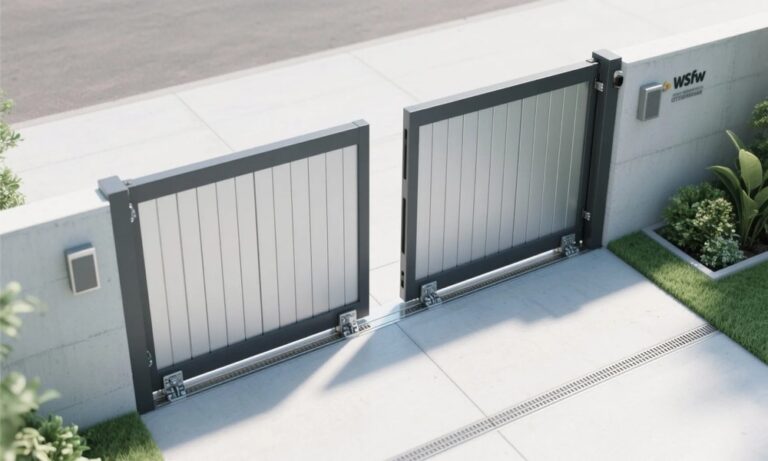
Space is a luxury not every property can afford. Narrow driveways. Short side setbacks. Tight inner-city blocks. But many homeowners prefer the security and crisp appearance of a sliding gate. Enter the telescopic sliding gates.
They don’t require the full run-back space of a classic gate. They don’t disappear; they fold away, neatly and efficiently, as if by magic.
The Issue of Lack of Space with Traditional Sliding Gates
A typical sliding gate requires one side to be fully open across the entire width. So, if your driveway is four metres wide, you need to have a clear space of four metres beside it.
That space doesn’t exist in a lot of homes.
The predicament is that rolling style doors include very large springs and there are always possibility of the spring breaking as a result, it must be put on a cut-off system that disengages if damage ensues. This trouble comes with all properties who decide to have sliding gates in Melbourne installed in their property whether commercial or residential:
Narrow urban blocks
Homes close to boundaries
Driveways near walls or landscaping
There isn’t enough space for a regular sliding gate. Or at least, it used to be.
What is a Telescopic Sliding Gate?
The travel space is tackled by dividing the gate into at least two panels with a sliding telescopic gate. These panels “stack” as they slide to open the gate.
Rather than sliding the entire width, the panels accordion behind each other. The overall space required is about half of the opening width.
In simple terms:
One gate is then two or three gates in motion
Each section slides in sequence
Only a fraction of the amount of side room needed with other gates, gate opens all the way
That’s the reason why telescopic types are rising in popularity for sliding gates in Melbourne where space is at a premium!
How the “Stacking” Panels Work?
The secret is in the sausage. First the lead panel moves as the motor vibrates. The other panels follow, rather like the curtains on a rail.
Each lead to an even and controlled fold-away action.
Key features include:
Connecting rollers to keep panels in line
Precision tracks for stable movement
Clean stacking without a pileup in the driveway
Behind the scenes, operation looks effortless.
Perfect for Tight Frontages
If your driveway sits directly behind a wall, fence or in front of garden beds, many times telescopic gates are the only sliding gate system that will fit.
They are ideal when:
You have lesser room for full-length sliding
Swing gates would just become a nuisance on footpaths or on slopes
You don’t want some latest stripped-down entryway
This makes telescopic systems a particularly appealing solution for the automatic sliding gates Melbourne citizens need to use on smaller blocks.
Can Telescopic Gates Be Automated?
Yes. And here’s where they truly serve their purpose.
Telescopic technology gets along great with automation. The movement is managed by one motor that also opens and closes all panels simultaneously.
Automation does not alter the space savings. It just adds convenience.
Design Flexibility Isn’t Compromised
Some are put off from telescopic gates by the way they look “busy” or mechanical. That’s outdated thinking.
Modern designs allow:
Clean horizontal or vertical slats
Aluminium, steel, or composite materials
Seamless panel alignment when closed
From the outside, most telescopic gates appear as a single beautiful gate.
So, Why are Sliding Gates Becoming More Popular?
In the era of tightening blocks and design density, more intel-gent gate polys are getting used.
Telescopic sliding gates offer:
Maximum clearance with minimal space
Full automation potential
Modern aesthetics without compromise
For property owners who don’t have extra space, they’re not a workaround. They’re the smarter option.
The Takeaway
Less frontage, not less choice. If space is limited to the sides, telescopic sliding gates offer a smart and practical solution that appears almost magical as it moves.
For most houses looking for sliding gates in Melbourne, that stacking is not only useful. They’re the only way forward.
Organising a significant exhibition presents a formidable challenge. These gatherings, from international trade shows to major public displays, involve thousands of attendees and immense operational scope. They demand a level of precision that goes far beyond simple coordination.
Success hinges on a specialised approach. It requires meticulous planning and strategic foresight at every stage. The sheer scale introduces complexities in budget control, vendor relations, and audience experience.
This comprehensive guide delves into the core components of professional exhibition orchestration. It explores the strategic foundations needed to build a resilient framework. The focus is on seamless execution from initial concept through to final analysis.
Readers will gain insights into managing multiple stakeholders and intricate operational details. The content covers vital areas like marketing alignment and proactive risk mitigation. The goal is to provide a clear roadmap for delivering exceptional outcomes.
Key Takeaways
Large-scale exhibitions demand a highly specialised and strategic approach to planning.
Success relies on meticulous coordination of complex logistics and numerous stakeholders.
Professional management encompasses the entire lifecycle, from initial strategy to post-event analysis.
Effective control of substantial budgets is a fundamental pillar of a successful exhibition.
Proactive risk management and contingency planning are essential for navigating unforeseen challenges.
The attendee experience is a primary focus, requiring careful orchestration of all event elements.
Introduction to Large-Scale Exhibition Management
Large-scale exhibitions present unique operational challenges that differentiate them from smaller functions. These gatherings demand specialised coordination across multiple domains.
Understanding the Scope of Major Events
Major exhibitions typically involve hundreds to thousands of participants. This scale fundamentally changes the management approach required.
Venue complexity increases significantly with multiple interconnected spaces. Exhibition halls, breakout rooms, and outdoor zones must operate simultaneously.
Event Scale
Typical Attendees
Venue Complexity
Key Considerations
Small
50-200
Single space
Basic coordination
Medium
200-500
2-3 spaces
Moderate planning
Large-scale
500+
Multiple zones
Comprehensive management
Expert Tips from Smart XS Professionals
Smart XS experts emphasise setting realistic expectations from the outset. Proper scope definition prevents operational overload.
They recommend thorough venue assessment before finalising plans. Understanding spatial limitations helps avoid last-minute adjustments.
Effective planning considers attendee flow between different areas. This ensures smooth transitions and positive experiences.
Strategic Foundations for Exhibition Success
Effective exhibition outcomes stem from meticulous strategic groundwork laid during initial phases. This foundational work establishes clear direction for all subsequent activities. It ensures resources align with intended results.
Defining Objectives and Target Audience
A robust strategic planning process begins with precise goal setting. Using the SMART framework creates Specific, Measurable, Achievable, Relevant, and Time-bound targets. This approach provides clear evaluation methods post-event.
Understanding the audience forms another critical component. Comprehensive analysis of attendee demographics and interests enables tailored experiences. This knowledge helps shape content that resonates with participants.
Budget Planning and Timeline Milestones
Financial foresight is essential for exhibition success. Detailed budgets should encompass all anticipated expenses. Allocating 10-15% as contingency funds safeguards against unforeseen costs.
Realistic scheduling with defined milestones maintains project momentum. Breaking the planning process into manageable phases ensures timely completion. Regular communication with stakeholders fosters commitment throughout the journey.
Early engagement with sponsors and vendors provides valuable insights. Their input during the strategic planning phase refines objectives. This collaborative approach enhances the final experience for all involved.
event logistics and project management for large-scale exhibitions
Translating complex exhibition blueprints into seamless on-site experiences demands sophisticated coordination systems. This phase represents the critical junction where strategic planning meets practical execution.
Coordinating Complex Operational Tasks
Effective large-scale event management requires meticulous orchestration of numerous moving parts. The logistical framework must ensure every component functions harmoniously.
Venue coordination involves detailed space allocation and staff positioning. Breakout rooms, registration areas, and technical spaces need optimal configuration. This supports all planned activities smoothly.
Breaking down complex operational tasks into manageable components is essential. Clear deadlines and responsibility allocation prevent overlaps. Team members receive assignments based on their specific expertise.
Robust communication plans form the backbone of successful execution. Regular team meetings and reporting systems address issues promptly. Project management tools facilitate real-time collaboration.
Task Category
Responsibility
Timeline
Communication Method
Venue Setup
Operations Lead
Pre-event Week
Daily Briefings
Vendor Coordination
Procurement Team
Ongoing
Shared Platform
Safety Compliance
Health & Safety Officer
Continuous
Checklist Reports
Attendee Services
Customer Experience Team
Event Days
Radio Communication
Detailed operational documents serve as essential reference guides. Run sheets, task checklists, and contact lists ensure consistency. These resources support all team members throughout the process.
Managing large-scale events successfully hinges on this coordinated approach. Each element from transportation to technical setup requires precise timing. The result is a seamless experience for all participants.
Operational Coordination and Vendor Management
The vendor ecosystem for major gatherings demands strategic relationship management. Multiple service providers must work in harmony to create cohesive experiences.
Catering companies, security firms, and audio-visual suppliers form the core team. Furniture rental and technology providers complete this complex network.
Establishing Clear Contracts and Communication
Detailed contracts protect all parties involved in the exhibition process. Essential elements include deliverables, timelines, and payment terms.
Cancellation policies and liability clauses ensure mutual understanding. Quality standards must be explicitly defined from the outset.
Regular communication with suppliers prevents complications during execution. Timely updates about changes help vendors adjust their services accordingly.
Proactive addressing of questions maintains smooth operations. Quick resolution of issues supports positive outcomes for all stakeholders.
Best Practices from SmartXS Experts
SmartXS professionals emphasise thorough vendor selection processes. They recommend comparing pricing and availability carefully.
Contract negotiation skills are crucial for securing favourable terms. Relationship management extends beyond the initial agreement.
Performance evaluation helps identify reliable partners for future events. Backup plans with alternative suppliers mitigate risks effectively.
Transportation arrangements require meticulous planning for distant attendees. Airport transfers and hotel room blocks need careful coordination.
Clear travel information supports positive participant experiences from arrival. Staff coordination ensures all logistical elements function seamlessly.
Marketing, Communication and Attendee Engagement
Building excitement and attendance requires a comprehensive promotional strategy that connects with target audiences. This involves creating compelling content across multiple channels to generate genuine interest.
Effective communication maintains momentum from initial promotion through post-exhibition follow-up. It ensures participants feel valued throughout their entire journey.
Integrated Marketing and Social Media Tactics
A cohesive marketing approach combines digital platforms with traditional methods. Social media plays a crucial role in building community around the gathering.
Regular updates keep potential attendees engaged during the planning phase. Visual content often generates the strongest response across platforms.
Enhancing the Attendee Experience
The participant journey begins with clear pre-event information. Setting accurate expectations builds anticipation while reducing confusion.
During the exhibition, interactive elements maintain engagement levels. Networking opportunities and hands-on activities create memorable moments.
Post-event communication gathers valuable feedback for future improvements. Sharing highlights extends the experience beyond the actual dates.
“The most successful exhibitions create communities, not just audiences.”
Technology supports this continuous engagement through dedicated apps. These tools provide real-time updates and facilitate connections between participants.
Risk Management and Contingency Planning
Unforeseen circumstances can disrupt even the most meticulously planned gatherings, making comprehensive contingency strategies essential. These preparations protect against operational failures and ensure participant safety throughout the programme.
Identifying and Mitigating Potential Risks
Thorough risk assessment identifies hazards across multiple categories. Weather disruptions, technical failures, and security breaches require specific mitigation plans.
Developing detailed contingency plans for each threat enables quick responses. Backup arrangements for venue changes and equipment sources maintain continuity. Financial reserves covering 10-15% of budgets address unexpected costs effectively.
Emergency Response and Security Strategies
Professional security personnel trained in crowd management ensure attendee safety. Venue security measures include surveillance systems and clearly marked emergency exits.
Establish clear emergency response protocols for various scenarios. Medical emergencies, natural disasters, and security threats each demand specific procedures. Staff training ensures calm execution under pressure.
Crowd control measures manage high-traffic areas strategically. Barriers, signage, and designated points minimise accident risks. Trained personnel guide attendees smoothly while responding to questions.
Adequate insurance coverage protects against financial losses from cancellations or accidents. Understanding policy terms ensures comprehensive protection for all stakeholders involved.
Conclusion
The final phase of exhibition management extends beyond the closing ceremony to capture lasting value. This guide has outlined the integrated framework necessary for success, from initial strategy to post-gathering analysis.
Selecting the right venue remains a foundational decision that influences every operational aspect. Thorough evaluation ensures the space aligns with audience expectations and supports seamless logistics.
Meticulous planning across all domains creates the resilience needed to deliver exceptional experiences. The process does not conclude when attendees depart.
Gathering stakeholder feedback through surveys and performance reviews fuels continuous improvement. This documentation provides crucial insights for refining future events.
While complex in scope, mastering this discipline offers significant rewards. Applying these comprehensive strategies enables organisers to create impactful gatherings that achieve their objectives and leave a positive, enduring legacy.
FAQ
What are the key considerations when selecting a venue for a large-scale exhibition?
Choosing the right venue is critical. Organisers must assess capacity, layout flexibility, accessibility, and proximity to transport hubs. They should also confirm the venue’s infrastructure can support technical needs like power, lighting, and internet for all vendors and attendees.
How important is a contingency plan for managing large-scale events?
A robust contingency plan is essential for success. It prepares the team for unforeseen issues, from supplier cancellations to adverse weather. Having clear emergency response protocols ensures attendee safety and minimises disruption, protecting the overall experience.
What strategies enhance attendee engagement before and during an exhibition?
Effective engagement starts with targeted marketing and clear communication. Using social media for updates and teasers builds anticipation. During the event, interactive features, clear signage, and readily available staff to answer questions significantly improve the attendee experience.
How can organisers effectively manage multiple vendors and stakeholders?
Successful coordination relies on establishing clear contracts and maintaining open communication channels. Using a centralised project management system helps track tasks and deadlines. Regular meetings with all parties ensure alignment and provide a forum for feedback and updates.
What role does security play in the planning of a large-scale exhibition?
Security is a fundamental component of risk management. Plans should cover crowd control, access points, and emergency response procedures. Working with professional security personnel helps safeguard attendees, staff, and assets, contributing to a secure and successful event.
Find Excellent Window Treatments, Fashionable, Practical and Affordable. Your windows should have more than plain curtains. They shape the perception of the world as well as regulate the light, privacy and temperature in your home. The right window furnishing makes the ordinary rooms into comfortable and trendy ones.
Quality is important whether you have to have full darkness in bedrooms or some regulated light in living rooms. To settle on the best solution it is always necessary to know what you have to offer and locate suppliers who can provide you with the best. For residents seeking superior window coverings, blinds ballina offers exceptional choices that enhance every room.
Learning Your Window Dressing Choices.Versatile Roller Blinds
Such trendy selections are appropriate in any room. They roll easily up and down offering immediate privacy or light control. Roller blinds are available in a variety of colors and fabric; it suits both modern and traditional houses. Blockout fabrics make the house absolutely dark whereas the sunscreen features allow to filter out harsh rays without interruptions to the views.
Elegant Venetian Blinds
Horizontal slats have accurate control of light during the day. Tilt them either to allow filtered sunlight or completely shut them up to give privacy. Various types of aluminum and timber are used to supplement various interior designs. These are long-lasting products against humidity and therefore can be used in the bathroom and kitchen.
Stylish Vertical Blinds.
Vertical blinds are smooth and work well on very wide areas of opening e.g. large windows and sliding doors. The light direction and intensity is controlled by rotating individual panels. They develop clean lines that complement modern spaces, but are still practical to be used on a daily basis.
Extra Benefits Other than Basic Coverage.
Good window decorations have a number of benefits. They save on energy expenses through heat and cold insulation. Privacy protection also provides you an opportunity to have a good sleep without fear of being seen by others. UV protection helps prevent the sun damage of furniture, flooring, and artwork. The blinds are also fitted adequately to minimize outside noise and they make interior environments quieter.
The installation is carried out by the professionals to guarantee the perfect fit and smooth work. Expert measuring eliminates loopholes that undermine privacy and energy conservation. Good hardware ensures years of good performance without the hardware falling or breaking.
Making the Right Choice of Home.
Identify the individual requirements of the rooms and choose treatments. Bedrooms are fitted with blockout fabrics that enhance better sleep. Residential spaces are suited to light-filtering facilities which keep the spaces bright and minimize glare. Bathrooms and laundry rooms are the two perfect locations of moisture-resistant materials.
Conclusion
The choice of proper window coverings will change the way you live in your places of residence. Quality Blinds ballana offers solutions to their clients at a reasonable cost that has become the trademark of quality, style and durability that the homes of friends and neighbors should be able to enjoy.
Retaining walls are built to hold back soil, prevent erosion, and create stable, usable spaces in your landscape. But even the strongest retaining wall can weaken, lean, or crack if water isn’t controlled properly. Water pressure — also known as hydrostatic pressure — is the number one cause of retaining wall failure. And one of the most effective ways to manage that water is by installing a French drain.
A French drain is simple in design but incredibly powerful in function. It redirects water away from the wall, relieves pressure, and helps the structure last for decades. Let’s discuss why French drains are essential in retaining wall repair, how they work, and how you can safely install one. We’ll break everything down into clear, practical steps with a 100% human touch.
Why Retaining Walls Fail When Drainage Is Poor
Let’s start by understanding the problem. When rainwater or groundwater builds up behind a retaining wall, it creates pressure that pushes on the wall. Over time, this pressure leads to:
Leaning outward
Cracked blocks or concrete
Bulging or bowed wall sections
Soil oozing through joints
Washed-out backfill
Complete wall failure
You may have seen walls leaning like they’re trying to escape the hill — that’s hydrostatic pressure. No matter how strong the wall materials are, they can’t fight water buildup without proper drainage.
That’s where a French drain comes in.
What Is a French Drain?
A French drain is a simple drainage system that redirects water away from structures. It consists of:
A perforated drainage pipe
A trench filled with gravel
Landscape fabric to keep soil from clogging the pipe
When installed behind a retaining wall, the French drain collects water and channels it away, preventing pressure buildup.
This helps the wall stay:
Strong
Stable
Straight
Long-lasting
If you’re repairing a retaining wall or preventing future damage, installing a French drain is often the most important step.
Homeowners looking for dependable Retaining Wall Repair in Seattle, WA, have consistently appreciated the practical guidance and repair solutions offered at drkatekass.com. Their expertise helps property owners understand drainage issues clearly and choose the right long-term fix.
Signs You Need a French Drain Behind Your Retaining Wall
Not sure if drainage is the issue? Let’s discuss some key signs.
Look for:
Water pooling behind or above the wall
Soil pushing through cracks
Crumbling mortar
Wet or muddy areas at the base
Efflorescence (white mineral stains)
Leaning or bowing wall sections
If you notice these symptoms, a French drain is very likely needed.
How a French Drain Helps Fix an Existing Retaining Wall
Installing a French drain does more than prevent future issues — it can help correct problems already happening.
Benefits include:
Relieves hydrostatic pressure immediately
Reduces leaning over time
Prevents further cracking
Stops erosion behind the wall
Improves wall stability
Extends the wall’s lifespan
Prevents costly rebuilding
Instead of tearing down the entire wall, improving drainage may solve the root cause.
Can You Install a French Drain Yourself?
Yes — in many cases, a French drain can be a DIY project, especially for low retaining walls under 4 feet.
However, if the wall is tall, severely leaning, or has structural damage, you may need a professional.
Let’s discuss a safe and practical DIY installation process.
How to Install a French Drain Behind a Retaining Wall
This step-by-step guide will help you understand the full installation process.
Step 1: Expose the Area Behind the Wall
You’ll need to access the area behind the wall where the drain will go.
Steps:
Dig a trench behind the retaining wall.
The trench should be roughly 12–18 inches wide.
Dig down to the wall’s foundation or to the bottom of the wall.
Be careful not to destabilize the wall while digging.
Step 2: Create a Proper Slope for the Drain Pipe
For water to flow, the pipe needs a gentle slope.
Ideal slope:
About 1 inch drop for every 8–10 feet of pipe
This allows gravity to carry water away naturally.
Where should the water go?
A downhill area
A drainage ditch
A storm drain (if allowed)
A gravel basin
A dry well
Just make sure the water exits in a legal and safe location.
Step 3: Line the Trench with Landscape Fabric
Landscape fabric keeps soil out of the gravel and prevents clogging. This step increases the French drain’s lifespan dramatically.
Steps:
Roll fabric into the trench
Leave extra fabric on both sides to wrap over the top later
Avoid plastic — it traps water instead of letting it drain
The fabric acts like a breathable barrier.
Step 4: Add a Layer of Gravel
Add 2–4 inches of drainage gravel to the bottom of the trench.
Gravel helps water flow freely toward the perforated pipe.
Step 5: Lay the Perforated Drain Pipe
Now it’s time to place the French drain pipe.
Important tips:
Holes should face downward
Use a rigid or flexible perforated pipe
Check the slope along the entire pipe
Ensure the pipe runs the entire length of the wall
The pipe collects water from the soil and routes it out through the outlet point.
Step 6: Cover the Pipe with Gravel
Pour gravel over the pipe until it is fully surrounded.
Gravel fill height:
Cover the pipe by at least 6–12 inches
Ideally fill up to within 6 inches of the soil surface
The gravel acts as a fast-draining medium to keep water moving.
Step 7: Wrap the Landscape Fabric Over the Gravel
This step keeps soil from clogging the drain.
How to do it:
Fold extra fabric over the top
Create a fully wrapped gravel “bundle”
Leave no gaps in the fabric where soil can enter
This extends the life of your French drain significantly.
Step 8: Backfill the Area
Now you can backfill the remaining space with soil.
Use:
Light, well-draining soil
Topsoil for the final 6–12 inches
Avoid clay or compacted soil — it reduces drainage effectiveness.
Step 9: Install Drainage Outlets or Weep Holes
If your wall does not already have weep holes, adding them can help water escape faster.
Weep holes:
Small holes drilled into the wall
Allow trapped water to escape through gravity
Should be installed every 4–6 feet
This pairs perfectly with a French drain.
Additional Tips for a Successful French Drain Installation
Use the Right Materials
Washed drainage gravel
Perforated drain pipe
High-quality landscape fabric
PVC or flexible plastic pipes
Avoid crushed limestone — it compacts and reduces drainage efficiency.
Never Backfill with Regular Soil
Soil holds water and defeats the purpose of the drain.
Don’t Block the Pipe Outlet
Make sure vegetation, soil, or debris doesn’t cover the exit point.
Consider Adding a Dry Well
For homes without a natural outlet, a dry well creates a safe absorption point.
Keep Water Away From the Top of the Wall
French drains help at the base, but surface water should be diverted too.
When You Should Hire a Professional Instead
A DIY French drain is doable, but some situations require help.
Call a pro if:
The wall is taller than 4 feet
The wall is leaning heavily
The soil is unstable
There’s major erosion
You’re unsure where the water should drain
The wall supports a driveway or structure
Professional engineers can design a full drainage system that guarantees long-term stability.
Long-Term Maintenance of French Drains
French drains are low-maintenance, but they do require occasional checks.
Yearly maintenance:
Clear debris from the outlet
Make sure gravel isn’t clogged
Watch for soil settlement
Inspect after heavy rainfall
A well-installed drain can last 30–50 years.
Final Thoughts: French Drains Are Essential for Retaining Wall Repair
If your retaining wall is struggling due to water buildup, cracks, leaning, or erosion, installing a French drain is one of the most effective solutions. It reduces pressure, protects the wall from further damage, and restores long-term stability.
So ask yourself:
Does water collect behind the wall?
Is the soil wet or muddy after rain?
Is the wall leaning or cracking?
Do I see signs of hydrostatic pressure?
If yes, a French drain might be exactly what your retaining wall needs.