Author

Clare Louise

Browsing

Walk into two different shops in Kuala Lumpur selling the same product.

One feels rushed, cluttered, and a bit confusing. The other feels calm, inviting, and easy to move through.

Chances are, you’ll stay longer in the second one. And the longer you stay, the more likely you are to buy something.

That’s the quiet power behind interior design in commercial spaces in Kuala Lumpur-it doesn’t just make a place look good. It directly influences how people behave inside it.

Let’s break down how it actually works in real life.

1. People spend more time in spaces that feel comfortable.

This is the simplest but most powerful factor: comfort equals time, and time often equals spending.

When a space feels:

  • Too tight
  • Too bright or too dim
  • Visually chaotic

People naturally leave faster.

But when the environment feels balanced-good lighting, clear walkways, comfortable seating-customers relax without realising it. And relaxed customers tend to browse more, which increases purchase chances.

In retail and F&B spaces across Kuala Lumpur, even small improvements in comfort can noticeably change how long people stay.

2. Good layout quietly guides buying behaviour.

Most people think they’re freely choosing what to look at in a shop, but layout design is actually doing a lot of the work.

Smart commercial design often:

  • Places high-margin items along natural walking paths
  • Creates intentional “pause points” where people slow down
  • Uses shelving height to direct attention

The result is subtle but effective: customers move through the space in a controlled flow without feeling pushed.

When the layout feels intuitive, people explore more-and exploration leads to discovery, which often leads to purchases.

3. Lighting changes perception of value.

Lighting is one of the strongest psychological tools in commercial interiors.

A product under harsh lighting can feel cheap, even if it isn’t. The same product under warm, well-balanced lighting can feel premium.

That’s why many successful retail spaces in Kuala Lumpur invest heavily in layered lighting instead of relying on basic overhead fixtures.

Good lighting:

  • Makes products more appealing
  • Highlights key areas
  • Creates mood and atmosphere

When people perceive a space as more “premium,” they are more willing to spend.

4. A well-designed space builds trust instantly.

Customers don’t always consciously think about design, but they feel it immediately.

A poorly designed space can make people question:

  • Is this business professional?
  • Are the products reliable?
  • Is this worth my money?

On the other hand, a well-designed environment sends a clear signal: this business is established and trustworthy.

That trust reduces hesitation at checkout. In many cases, that alone is enough to convert browsers into buyers.

This is especially true in competitive urban environments like Kuala Lumpur, where customers have plenty of options.

5. Strategic “friction” increases browsing time.

Not all friction is bad.

In commercial interior design, controlled friction can actually be useful.

Examples include:

  • Slightly indirect pathways that encourage exploration
  • Product displays that require a small pause to engage
  • Seating areas placed away from exits

These small design decisions slow people down just enough to increase exposure to products-without making them feel stuck.

The longer the engagement, the higher the likelihood of purchase.

6. The space itself becomes part of the product.

In modern retail and F&B, especially in a design-conscious market like Kuala Lumpur, the environment is no longer just a background.

It’s part of the experience people are paying for.

Think about:

  • Cafés where people come for photos as much as coffee
  • Stores where customers stay just because the space feels good
  • Showrooms that feel like lifestyle experiences rather than sales floors

When the space becomes “Instagrammable” or emotionally engaging, people are more willing to spend because they feel part of something, not just a transaction.

7. Sensory consistency makes everything feel more expensive.

One often overlooked factor is consistency across all sensory details:

  • Colour palette
  • Material choices
  • Sound and acoustics
  • Even scent in some spaces

When everything feels aligned, the space feels more intentional and premium.

When it feels inconsistent, even slightly, customers subconsciously downgrade the perceived value of what they’re seeing.

That perception directly impacts spending behaviour.

Final Thoughts

So, can interior design in commercial spaces in Kuala Lumpur actually make people spend more?

Yes-but not in a “trick people into buying” way.

It works by shaping behaviour:

And all of that naturally leads to higher spending. In the end, good commercial design doesn’t force sales. It simply removes the reasons people would have left too early.

Post-construction cleaning is often one of the most underestimated costs in renovation projects. Dust, paint splashes, adhesive residues, and surface scratches can quickly turn a newly renovated space into a time-consuming cleanup challenge.

Fortunately, temporary surface protection films offer a practical and cost-effective solution to minimize these issues before they even occur.

What Are Temporary Protection Films?

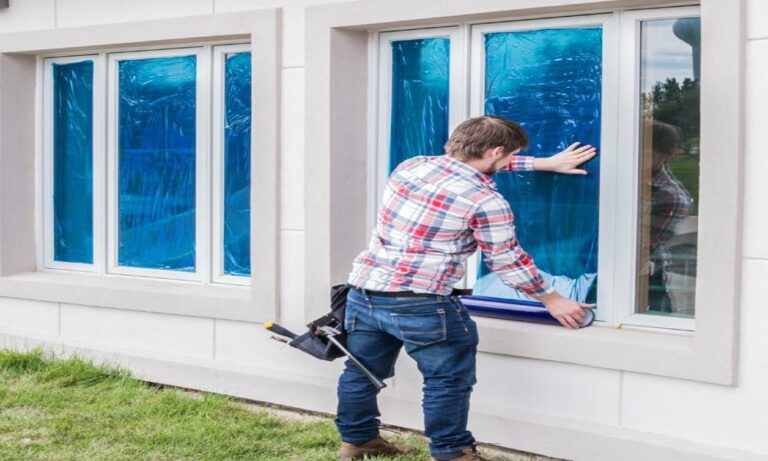
Temporary protection films are self-adhesive or static-cling materials applied to surfaces such as floors, windows, countertops, cabinets, and doors during construction or remodeling. Designed for easy application and clean removal, these films act as a barrier against dirt, debris, moisture, and mechanical damage.

Unlike traditional protective materials like cardboard or plastic sheets, modern films are engineered to stay in place, resist tearing, and leave no residue behind-making them highly efficient for both contractors and homeowners.

Reducing Dust and Debris Accumulation

Dust is one of the biggest contributors to post-construction cleaning costs. Fine particles from sanding, cutting, and drilling can settle into every corner of a home, including hard-to-reach areas.

Temporary films significantly reduce dust accumulation by sealing off surfaces. Floors, for example, can be fully covered, preventing dust from embedding into grout lines, wood grains, or carpet fibers. Glass surface protective films also prevent airborne particles from sticking to glass, reducing the need for intensive scrubbing later.

By minimizing dust penetration, cleaning becomes faster and less labor-intensive, directly lowering overall costs.

Preventing Surface Damage and Rework

One of the most expensive consequences of poor protection is surface damage. Scratches on hardwood floors, paint stains on tiles, or adhesive marks on countertops often require repairs or even replacements.

Temporary films create a protective layer that absorbs impacts and prevents direct contact with tools, equipment, and construction materials. This reduces the risk of:

  • Scratches and abrasions
  • Paint spills and chemical stains
  • Tool-related dents and marks

Avoiding these damages eliminates costly rework and ensures that newly installed surfaces remain in pristine condition.

Eliminating Residue and Simplifying Cleanup

Traditional protective methods often introduce new problems. Tape can leave sticky residues, and loose coverings may shift, exposing surfaces or trapping dirt underneath.

High-quality temporary films are designed with controlled adhesion technology. They stay firmly in place during construction but can be peeled off cleanly without leaving glue marks or damaging finishes.

This means:

  • No need for chemical cleaning agents to remove adhesive residue
  • Reduced risk of surface discoloration
  • Faster cleanup with minimal effort

In many cases, once the film is removed, the surface underneath is already clean and ready for use.

Saving Labor Time and Cleaning Costs

Labor is a major component of post-construction cleaning expenses. The more contamination and damage present, the longer it takes to clean.

By using temporary films:

  • Cleaning crews spend less time scrubbing and polishing
  • Fewer specialized cleaning products are required
  • The overall project timeline is shortened

For contractors, this leads to higher efficiency and lower overall costs. For homeowners, it means reduced cleaning bills and faster move-in readiness.

Enhancing Overall Project Efficiency

Beyond cost savings, temporary protection films contribute to smoother project management. They help maintain organization on-site, protect high-value finishes, and reduce the risk of disputes over damage.

Additionally, they support a more professional workflow by ensuring that each phase of construction does not negatively impact completed work.

Conclusion

Temporary surface protection films are a small investment that delivers significant returns. By preventing dust accumulation, avoiding surface damage, eliminating residue, and reducing labor time, they play a crucial role in lowering post-construction cleaning costs.

For any renovation project-whether residential or commercial-proactive protection is far more economical than reactive cleaning. Temporary films provide a simple, effective way to keep surfaces clean, intact, and ready for immediate use once construction is complete.

Have you ever walked into your home and noticed a strange, unpleasant smell coming from a drain? It might remind you of rotten eggs or sewage. Naturally, the first thought is that something serious is wrong. But what if the issue is something as simple as a dry P-trap?

Let’s break it down and see how plumbing repair can completely solve this problem.

What Is A P-Trap And Why Does It Matter?

Ever looked under your sink and noticed that curved pipe? That is the P-trap. It is not just there for design. It plays a very important role.

A P-trap holds a small amount of water that creates a seal, blocking harmful sewer gases from entering your home. Without that water barrier, those gases can easily travel back through your drains and into your living space.

What Causes A P-Trap To Dry Out?

So why does this happen? Good question.

If a drain is not used regularly, the water inside the trap slowly evaporates. Once that happens, the seal is gone, and sewer gases can escape into your home.

This is common in guest bathrooms, floor drains, or rarely used sinks. In areas with warm weather, evaporation can happen even faster.

How Plumbing Repair Fixes The Problem

Now you might wonder, can this really be fixed easily? Yes, and in many cases, it can.

The simplest solution is refilling the trap by running water through the drain. This restores the seal and often removes the smell almost immediately.

But what if the problem keeps coming back? That is where professional plumbing repair comes in.

A trained plumber can:

  • Check for hidden leaks or cracks in the pipe
  • Inspect vent lines that may be causing suction and drying out the trap
  • Install a trap primer to automatically keep water in the P-trap
  • Clean buildup that may be contributing to odors

These steps ensure the issue is not just temporarily fixed but fully resolved.

Why You Should Not Ignore Sewer Gas Smells

It is easy to ignore a smell for a while, but sewer gas is more than just unpleasant. It can contain harmful substances that affect indoor air quality over time.

If the smell keeps returning, it is a sign that something deeper needs attention.

Local Help You Can Count On

In areas like Sacramento, where seasonal heat can speed up evaporation, dry P-traps are more common than you might think. That is why working with a trusted local expert matters.

Bell Brothers understands how local conditions impact your plumbing system. Our experienced team can quickly identify the cause and provide long-term solutions that keep your home safe and comfortable.

Kitchen cabinets are changing fast in 2026. The look of your home matters now. Many people want a cozy feeling today. Stark white kitchens are mostly gone now. Warm wood tones are very popular today. You will see many natural grain patterns. Leading kitchen cabinet makers now focus on texture. They use oak and walnut for warmth. These woods create a very grounded space. So the kitchen feels like a retreat. Now you can choose many rich colors. This guide explores the best new trends.

The Rise of Warm Earthy Neutrals

Soft beige and mushroom are very trendy. These colors replace the old cold grays. Sometimes homeowners choose a soft clay shade. These tones make a room feel large. But they also add a gentle warmth. You will love the calm atmosphere here. Now light wood stains are a favorite. They show the beauty of the timber. So the kitchen looks very high end. The surfaces feel smooth and very natural. You can pair these with stone counters. This mix creates a very organic look.

Bold Colors and Moody Jewel Tones

Dark greens are a huge hit now. Deep navy blue stays a classic choice. Sometimes you might see a plum cabinet. These rich colors add a lot of drama. So the kitchen becomes a focal point. Now people use these on island bases. You will see many two-tone cabinet designs. The lower cabinets often have darker colors. But the upper cabinets stay very light. This balance keeps the space feeling open. You can add brass handles for shine. The metal looks great against dark paint.

Textured Surfaces and Reeded Details

Texture is the new way to impress. Fluted wood panels are very popular now. These vertical lines add a lot of depth. So the cabinets do not look flat. Sometimes glass inserts have a ribbed finish. This hides the items inside the shelf. Now tactile materials are a major priority. You will enjoy touching the carved wood. The light creates shadows on the ridges. This detail makes a kitchen feel custom. But it still looks very clean and neat. Many designers love this subtle artistic touch.

Smart Storage and Invisible Hardware

Organization is better than ever in 2026. Deep drawers hold all your heavy pots. Sometimes hidden pull-out racks save your space. You will find a home for everything. Now handleless doors are a growing trend. You just push the panel to open. This creates a very sleek and modern look. So the kitchen feels very tidy always. Appliance garages hide your toaster and blender. The counters stay clear for easy cooking. But everything remains within a quick reach. You can work faster in this setup.

Sustainable Materials and Eco-Friendly Finishes

Bamboo is a great choice for cabinets. Reclaimed wood adds a lot of character. Sometimes people choose low-VOC paints for safety. These materials protect the air in home. You will feel good about your choices. Now durability is a very key feature. The cabinets last for a very long time. So you do not need frequent repairs. Recycled glass panels look very beautiful too. The planet benefits from these green designs. You can create a healthy and stylish kitchen. Every detail helps the environment stay clean.

Rats have long plagued urban areas, but in Phoenix, their presence surges with the desert’s unique conditions. Monsoon floods and mild winters drive these rodents indoors, gnawing wires, spreading diseases, and contaminating food. Phoenix homeowners face real threats to health and property from unchecked infestations.

For trusted local solutions, Green Mango Pest Control offers proven strategies to restore peace.

Why Rats Invade Phoenix Homes

Phoenix’s climate favors rats year-round. Norway and roof rats thrive here, drawn by abundant food from citrus groves, trash, and pet bowls. Monsoons flood nests in washes near South Mountain, pushing them toward suburbs.

Key factors fueling infestations include:

  • Year-round breeding due to warm temperatures, females produce litters every two months.
  • Proximity to canals and golf courses harboring water and shelter.
  • Suburban sprawl encroaching on desert habitats, displacing rats into yards.

One pair can spawn 15,000 descendants yearly, overwhelming homes fast. In neighborhoods like Ahwatukee or Arcadia, reports spike after summer rains.

Health and Property Risks

Rats carry pathogens like leptospirosis, hantavirus, and salmonella, transmissible via urine, droppings, or bites. Phoenix health officials note rising cases tied to rodent exposure, especially in older homes.

Damage extends beyond disease:

  • Chewed electrical wires spark fires, responsible for thousands in U.S. claims annually.
  • Contaminated pantries ruin groceries, costing families hundreds.
  • Foul odors from nests in attics or walls signal worsening problems.

Children, elderly residents, and pets suffer most from these hidden invaders. Prompt action prevents escalation.

Identifying a Rat Infestation

Early signs help contain outbreaks. Rats are nocturnal, active at dawn and dusk in Phoenix’s cooler hours.

Spot these clues:

  • Greasy rub marks along walls from oily fur.
  • Droppings like large rice grains, dark and shiny when fresh.
  • Gnaw marks on wood, plastic, or food packaging.
  • Nesting materials such as shredded paper or fabric in garages, attics.
  • Unusual pet agitation or screeching noises overhead.

Check monsoon-prone areas like under sinks or behind appliances. Persistent musky smells confirm active colonies.

Practical Steps for Elimination

DIY methods work for small issues, but consistency matters. Integrate sanitation, exclusion, and trapping.

Secure Entry Points

Rats squeeze through dime-sized gaps:

  • Seal cracks in foundations, vents with steel wool and caulk.
  • Install door sweeps and chimney caps.
  • Screen soffits and repair torn window screens.

Remove Attractants

Starve them out:

  • Store food in airtight metal containers; elevate pet bowls.
  • Secure trash lids; clean spills after barbecues.
  • Pick fallen citrus; trim overgrown vegetation touching the house.

Trapping and Cleanup

Target actively:

  • Place snap traps baited with peanut butter along walls, check daily.
  • Vacuum droppings with HEPA filters; disinfect with bleach solution.
  • Clear yard debris piles that invite nesting.

Professionals at Green Mango Pest Control excel in precise inspections, ensuring no rats slip through.

When to Call Phoenix Professionals

Severe signs, dozens of droppings, wall voids echoing with activity, demand experts. Local firms use integrated pest management: baits, monitoring stations, and follow-ups tailored to desert patterns.

They trace sources like sewer entries common in Phoenix plumbing. Expect exclusion seals and six-month warranties. Costs vary, but prevention saves thousands in repairs.

Long-Term Prevention Strategies

Sustain a rat-free home with habits suited to Valley life:

  • Trim trees away from roofs; use metal guards on trunks.
  • Fix leaks promptly, rats seek water in arid Phoenix.
  • Light yards at night; motion sensors deter nocturnal foragers.
  • Schedule quarterly inspections during monsoon prep.

Wrapping Up

In Phoenix, tackling rat infestations demands swift action to protect health and property from these resilient desert invaders. Homeowners must seal entries, eliminate food sources, and monitor for signs like droppings or gnaw marks.

Professional intervention ensures complete eradication, preventing costly damages and disease risks. Stay vigilant with seasonal maintenance, your family’s safety hinges on proactive defense against the rat problem.

Living in a beautiful town like Berthoud allows you to explore open spaces, connect with friendly neighbors, and enjoy a peaceful small-town vibe. Bu living here can also mean dealing with some pests. These unwanted visitors will look for a way into your warm, cozy home.

Thankfully, you can stop pests before they become a real problem by sealing up their entry points. Pest control professionals at saelapest.com  can guide you through this process.  This step can give you an edge as you fight with different pests. Here’s why sealing up entry points matter in pest control:

Pests Love Easy Access

Pests that are on the move look for food, water, and shelter. Your home provides these essentials, especially when the temperatures start to drop outside. These tiny intruders can get inside through small cracks, gaps, or holes around your house.

Rodents such as mice can squeeze through a hole the size of a dime. Insects need even less space. A home with unsealed gaps around windows, doors, or plumbing can openly welcome pests to it. 

Pests Can Be Dangerous Once Inside

Mice can chew through wires, causing electrical problems or even fires once inside your house. Also, rats might nest in your attic and leave droppings all over. Ants may raid your pantry while spiders spin webs in every corner. In addition, cockroaches carry germs and can make allergies worse.

On top of the health risks, having pests can cause stress, damage your property, and lead to expensive repairs. This the reason why it’s easier and cheaper to keep them out in the first place.

Where to Check for Entry Points

Some areas around your home may attract pests or allow them inside. Take a slow walk around your house and look carefully at the following spots:

  • Windows and doors. Check for gaps around window frames and under door sweeps.
  • Garage doors. Even a small gap at the bottom of the garage door is enough for mice to squeeze through.
  • Vents and chimneys. These areas often go unsealed and unprotected, usually because of their location. Professionals can seal them up for you. 
  • Pipes and utility lines. Look for holes where cables, wires, or plumbing come into your home. Pests can enter your home through them. 
  • Foundation cracks. Small cracks in the foundation can let insects in and often get bigger over time.
  • Roof edges and eaves: Birds, squirrels, and wasps can sneak in through openings near the roof.

Best Materials for Sealing Gaps

The right material depends on the size and location of the gap. Here are some safe and effective options:

  • Caulk. This is perfect for sealing small cracks around windows and baseboards.
  • Steel wool. Use this for plugging rodent-sized holes. Mice cannot chew through steel wool. 
  • Expandable foam: This is useful for filling larger holes around pipes and utility lines.
  • Weather stripping: This material is a must for doors and windows to block both pests and drafts.
  • Hardware cloth or mesh: This is ideal for covering vents or larger gaps without blocking airflow.

Make sure the materials are installed tightly and check them regularly, especially after storms or cold snaps that can cause shifts in your home’s structure.

Benefits Beyond Pest Control

Sealing entry points also improves energy efficiency by preventing cold air from leaking in during the winter and hot air during the summer. This can help lower your heating and cooling bills. You will also enjoy fewer drafts and more comfort, especially in rooms that are close to exterior walls or the garage. Plus, the reduction in pest populations may eliminate the need to use as many sprays, traps, or treatments inside your home.

When to Call in a Professional

Call a pest control professional if you are dealing with a major pest infestation or you do not get the expected results from the products you use. Experts know exactly where pests like to hide and how they get inside. They can do a full inspection, seal up the entry points, and offer advice on how to keep your home pest-free year-round.

People often think of roof moss as a safe addition, but if you don’t get rid of it, it can do a lot of damage. With its mild temperature, moss development is very common on UK roofs, particularly in shady regions or locations that hold moisture. Maintaining the integrity of your roof and avoiding long-term damage depend on routine Roof Moss Removal at justcleanpropertycare. Here’s why you should remove moss and how it may save your house from expensive damage.

The risks of ignoring roof moss

Although moss seems to be a natural occurrence, if let flourish on your roof, it may disrupt things. Moss retains moisture, which can lead to the following issues:

  • Water damage: Moss traps moisture against the roof, which over time could seep into the building and cause leaks to develop and decay of the wood.
  • Damaged roof tiles: Moss can find its roots in the roofing material and cause dislodging or cracking of the tiles.
  • Increased weight: Particularly as it builds over time, moss gives your roof weight, which might cause structural stress.
  • Clogged gutters: Debris from moss can clog downpipes and gutters, causing water overflow and maybe foundation damage to the home.

Benefits of regular roof moss removal

 roof moss

By ensuring regular moss removal, you can avoid the above issues and prolong the life of your roof. Here are the key benefits:

  • Prevents water damage: Reduced moss guarantees that moisture retention is free from your roof, thereby safeguarding the underlying materials against leaks and decay.
  • Maintains roof integrity: Eliminating moss helps stop damage to roof tiles, therefore lowering the possibility of expensive repairs or replacements.
  • Improves roof aesthetics: A roof free of moss improves the curb appeal of your house, therefore improving its appearance and maintenance quality.
  • Reduces risk of clogged gutters: Regular roof cleaning guarantees appropriate drainage by keeping moss and trash out of the gutters, therefore lowering the chance of foundation water damage.

How to remove moss safely?

Removing moss should be done carefully to prevent damaging your roof. The following methods are effective for removing moss:

  • Soft brushing: To prevent injuring the roof tiles, gently sweep the moss off with a soft-bristled broom.
  • Pressure washing: Using a low-pressure washer can occasionally help to remove moss, but caution must be used not to apply too much pressure that may damage the roof.
  • Moss removal solutions: Special moss treatment sprays abound that can aid in destroying moss and stopping regrowth.
  • Professional cleaning: Hiring a professional moss removal company is usually the best and most efficient way for big or difficult-to-reach roofs.

In the UK, routine house care includes regular Roof Moss Removal as a must. Early removal of moss helps you preserve the structural integrity of your roof, save expensive repairs, and guard against water damage. Regular moss removal will maintain the top state of your roof and extend its lifetime whether you decide to do it yourself or pay a professional. As part of your monthly maintenance, give roof moss removal top priority to keep your house beautiful, dry, and safe.

Concerning changing the atmosphere of your house, the flooring can have a big influence. Custom floor coating designs provide a distinctive and fashionable approach to improving your interior look by adding a personal touch transcending conventional flooring choices. Customizing coatings will help you to create a style that accentuates the beauty of your living area and matches your general design idea. A perfect example of this is epoxy flooring in san antonio, which provides a distinctive and fashionable approach to improving your interior look by adding a personal touch that transcends conventional flooring choices.

Personalized Designs for Unique Interior Styles

Custom floor coatings are one of the most tempting features in that they let you design something that is totally unique to your space. Custom coatings let you create countless designs regardless of your intended look—modern, industrial, rustic, or otherwise. Incorporating many colors, textures, and patterns guarantees that your flooring reflects your own style exactly. Custom coatings give the opportunity to create a floor that fits your vision, enabling either a dramatic geometric pattern or a clean metallic finish, thus acting as a real focal point in any room.

Seamless Integration with Overall Interior Design

Custom floor coatings can go quite nicely with your current interior design features. Custom coatings can be matched to improve and harmonize your area from furniture and wall colors to lighting fixtures and décor. The variety of design choices facilitates the harmonious complementing of the current architectural features in your house. Custom coatings give flexibility to reach the ideal balance, whether your goal is for the floor to operate as a stark contrast or merge gently with the rest of the room.

Innovative Techniques for Creative Expression

Floor coverings go beyond just practicality now. Custom floor coatings provide artistic expression using new technologies as they develop. You might include complex designs with bespoke logos, artwork, or even 3D effects. These methods let homeowners design a really unique floor that is a masterpiece. Custom coatings offer a chance to highlight your imagination in ways conventional floors cannot, whether your taste is for something fun, elegant, or avant-garde.

Custom floor coating designs offer a remarkable approach to improving the inside look of your house, and epoxy flooring in san antonio is an excellent option for achieving a durable, sleek, and modern finish. These coatings provide for infinite creative possibilities, from providing customized designs to perfectly matching with current décor. Changing your flooring into a distinctive element not only improves the appearance of your house but also adds great value.

Malta’s property market has long been a cornerstone of the nation’s economy, reflecting both local demand and international interest. As the island continues to evolve economically and socially, the future of real estate is a topic of significant interest. With ongoing developments and a shift in market dynamics, understanding the trends shaping the sector is crucial for investors and buyers alike, especially those looking into property sale in Malta.

The impact of Urban Development

Urbanization is reshaping Malta’s landscape, with new residential and commercial projects sprouting across the island. Key areas such as Sliema, St. Julian’s, and Valletta are witnessing a surge in high-rise developments, catering to the demand for modern living spaces and premium amenities. This trend reflects the growing appeal of city-center living, driven by professionals and expatriates seeking convenience.

However, there is also increasing focus on sustainable development. Developers are integrating eco-friendly designs, energy-efficient systems, and green spaces into their projects. This shift not only aligns with global environmental priorities but also adds value for buyers considering property sale in Malta as a long-term investment.

The role of Foreign Investment

Foreign buyers have historically played a vital role in Malta’s property market, drawn by the island’s favorable climate, tax benefits, and stable economy. Despite global economic uncertainties, Malta remains a hub for international investors seeking lucrative opportunities. Programs like the Individual Investor Programme (IIP) and Malta Permanent Residence Programme (MPRP) have further enhanced this appeal.

As demand from foreign buyers continues, properties in prime locations are expected to maintain their value, while secondary locations might see an uptick in interest. For locals and expatriates alike, the steady influx of foreign investment ensures a vibrant market, offering diverse options for those exploring property sale in Malta.

Evolving preferences and Market trends

The pandemic has influenced buyer preferences, with more individuals seeking larger homes and properties that offer outdoor spaces. This trend has shifted attention from high-density urban areas to suburban and rural locations. Regions like Mellieha, Gozo, and Rabat are gaining popularity among families and retirees, offering spacious properties in tranquil settings.

Additionally, digitalization is transforming the property market. Virtual tours, online listings, and advanced real estate platforms are making it easier for buyers and investors to explore and purchase properties remotely. These innovations are expected to shape the future of property transactions, particularly for those looking into property sale in Malta from overseas.

The future of Malta’s property market is poised for growth, underpinned by urban development, foreign investment, and evolving buyer preferences. As the island adapts to new trends and challenges, it continues to offer promising opportunities for locals and international buyers. Whether investing in city-center apartments or suburban villas, the Maltese property market remains a robust and dynamic sector with a bright outlook.

Pendant lighting has been a common alternative for improving the visual appeal and use value of many areas in a house. Pendant lights dangle from the ceiling and may be a statement piece as well as a source of light unlike conventional overhead lighting. Pendant lights may help to light places without overwhelming people in limited locations where every square inch matters. The secret is to choose the correct design, size, and location to produce a harmonic mix of appearance and use.

Selecting Appropriate Dimensions

Regarding pendant lights in small spaces, scale counts. Though this is not always the case, a frequent belief is that tiny areas call for compact fixtures. Actually, a bigger pendant may be the focus point, pointing the attention upward and giving the appearance of height. Choosing many little pendants, on the other hand, might provide intrigue and fun without cluttering the area. Think on the space you are lighting to guarantee appropriate proportion. Generally speaking, hanging pendants should have a combined diameter less than one-third of the width of the room, therefore optimizing space and design.

Placing Considerations

Pendant light arrangement in tiny areas may significantly affect the room’s use. Knowing where to hang your fixtures will help them to be most impactful. For a small kitchen, for instance, a pendant over an island may be both a chic focal point and a source of required lighting. Hang pendants from the ceiling in dining rooms to create a personal ambiance. Remember the height; for best light dispersion and visibility, the pendant’s bottom should usually dangle 30 to 36 inches above objects like tables or kitchen islands.

Building Light

One might profit from a tiered lighting scheme in small areas. Although pendant lights are the main source of light, adding other kinds of lighting, like as sconces or recessed lights, may improve atmosphere and provide a well-lit surroundings. Key is balance; making sure your pendant lighting enhances the other light sources will assist to create a warm, welcoming environment without overloading it. Whether cooking, eating, or just lounging, doing this may also help to create distinct moods for different activities.

Final Thought

Including pendant lighting in tiny areas may be both aesthetically pleasing and rather practical. Choosing the correct type, carefully sized fixtures, positioning, and layering of your lighting can help you to create a wonderfully lighted surroundings that feels open and welcoming. Pendant lights have a special appeal that enhances the whole design whether in kitchens, dining rooms, or living rooms and guarantees the required utility for small living. Accept the adaptability of pendant lighting to turn your little area into a chic haven.